


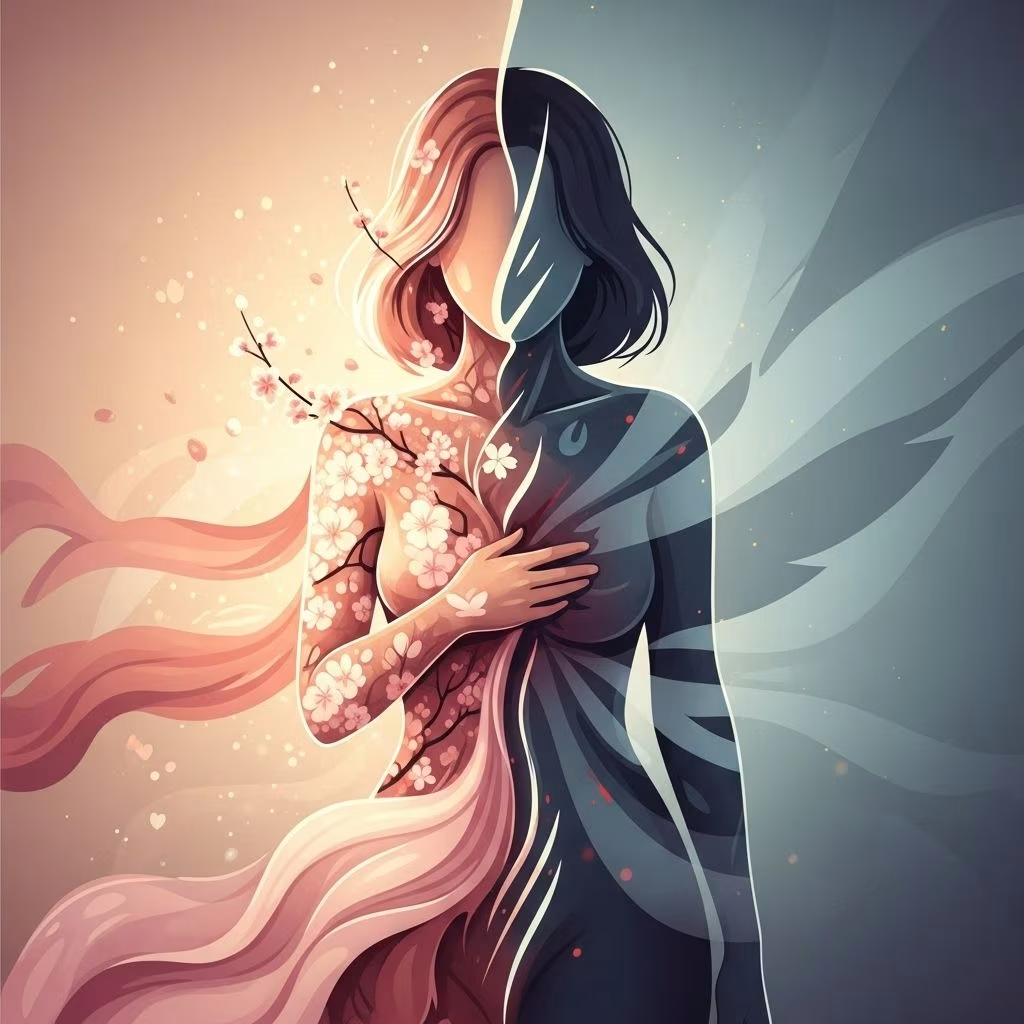
The Love-Hate Relationship Every Woman Has With Her Period
Few experiences are as universal for women as the monthly arrival of their period—a natural process that brings frustration, discomfort, relief, and a surprising amount of self-reflection. While society is finally starting to address taboos and normalize conversations about menstruation, the emotional rollercoaster women ride each month remains as complicated as ever. This article explores the full spectrum of feelings women have toward their periods, from the predictable annoyances to the moments of unexpected gratitude, and why learning to coexist with this cycle can be downright empowering.
Why the Love-Hate Dynamic?
The menstrual cycle is not simply a biological event—it shapes a woman’s physical well-being, emotional state, and social interactions. Many women develop a complicated relationship with their periods, built on experiences that are both intensely personal and strikingly communal. Navigating this monthly ritual often means oscillating between wishing it away and recognizing just how vital it is. The moments of hatred and gratitude often coexist, leading to a unique understanding of the body and oneself.
Why Every Woman Hates Her Period
Ask any woman what she dislikes about her period, and the list is virtually endless. For many, menstruation means disruptions to daily life, inconvenience, and pain. The following are the common culprits that fuel the love-hate fire:
- Pain & Discomfort: Cramps, headaches, bloating, and back pain are almost expected. For some, this pain can be debilitating, interfering with work, school, and social plans.
- Emotional Turbulence: Mood swings, irritability, anxiety, and even sadness can feel overwhelming during certain phases of the cycle.
- Physical Inconvenience: Whether it’s constantly checking for leaks, planning around swim days, or cramming tampons into every purse, the logistics alone create stress.
- Mess & Stigma: Embarrassment over stains, odor, or simply having to ask for a tampon still lingers, especially in places where periods are rarely discussed openly.
The list goes on, fueled by anecdotes and collective commiseration—a routine annoyance that’s impossible to fully ignore.
The Unspoken Struggles
Some of the most aggravating aspects of periods aren’t even the most severe symptoms, but rather the accumulation of tiny, daily frustrations:
- Panic over forgetting to stock up on pads or tampons
- The immediate dread when cramps hit at a meeting or during a commute
- Wardrobe changes dictated solely by period-proof practicality
- Anxiety about leaks in public places
- The emotional whiplash of feeling both irrationally angry and overwhelmingly tired
It’s the combination of these little hassles that make periods universally disliked, at least in some capacity.
Flipping the Script: The Reasons To Love Your Period
For every reason to be frustrated, there are quiet moments of gratitude, too. Some of the “love” comes from accepting what your period represents:
- Validation of Health: A regular period is often a sign that the body is healthy and functioning as it should.
- Relief from Pregnancy Worry: For many sexually active women, getting a period can bring a wave of relief from pregnancy concerns.
- A Break from Pressure: The onset of bleeding often relieves premenstrual symptoms, including the infamous emotional intensity and bloating.
- A Time for Self-Care: Some women use their period as a built-in excuse to slow down, pamper themselves, and prioritize rest.
- Connection to Womanhood: For some, menstruation is a rite of passage, connecting women across generations and cultures through shared experience.
Learning to embrace certain aspects of menstruation can shift the experience toward empowerment instead of pure suffering.
The Cycle of Anticipation: From Denial to Acceptance
The emotional arc leading up to and through each period can often be mapped in a series of predictable stages. Every month, women may find themselves experiencing:
- Denial: Convincing yourself it’s not coming this week.
- Panic: Realizing you should have prepared better—where are the emergency supplies?
- Negotiation: Making bargains with your body to hold off until after a big event or trip.
- Acceptance: Accepting defeat and succumbing to the rituals of self-care and comfort foods.
- Relief: Finally, a sense of normalcy returns as the symptoms subside and routines resume.
This cycle plays out month after month, spawning a unique rhythm of dread, annoyance, and relief.
Universal Truths: Moments Every Woman Recognizes
Certain scenarios happen to nearly everyone, providing a strange sense of solidarity:
- That moment you sneeze and pray not to leak.
- Strategically hiding a tampon in your sleeve at work.
- Trying (and failing) to remember the last time you changed your pad or tampon.
- The sensation of a cramp, so strong it feels like the universe is conspiring against you.
- The deep, comforting sigh when you see another woman entering the public restroom at the same time—sisters in arms, united in inconvenience.
Periods in Pop Culture & Breaking the Taboos
While periods have long been shrouded in silence, recent years have seen a renewed effort to challenge the stigma. From celebrities discussing their experiences openly to movies and TV shows weaving period stories into mainstream plots, the narrative is slowly evolving. Social media provides fertile ground for women to share the good, the bad, and the absurd aspects of their cycles. Normalizing period talk is finally giving many women the vocabulary and confidence to express what was always felt but rarely said aloud.
Empowerment Through Community
One of the most unexpected upsides of periods is the unspoken camaraderie they create. Sharing stories, complaints, or tips has become a form of collective survival. Group chats, online forums, and just commiserating with friends over chocolate create bonds that transcend the pain. The mutual understanding that comes from these conversations can be both healing and empowering.
Modern Solutions: Navigating Periods with Confidence
If periods have always been a struggle, today’s innovations offer unprecedented options for managing them. Beyond tampons and pads, women now have access to:
- Menstrual cups and discs for longer wear and less waste
- Period underwear designed for discretion and comfort
- Apps that help track cycles and symptoms with precision
- Natural remedies and new medications to ease physical discomfort
Armed with better tools and knowledge, more women are learning to anticipate their needs, reduce anxiety, and even feel in control during their cycle.
Learning Self-Care and Body Awareness
Perhaps the biggest lesson the monthly cycle teaches is the importance of listening to one’s body. Honoring the need for rest and patience, recognizing physical boundaries, and seeking out emotional support are all part of building a healthier relationship with periods. Over time:
- Women become more attuned to early signs and symptoms.
- Self-care routines evolve to minimize misery, whether it’s binge-watching comfort shows or indulging in favorite treats.
- Some even use the time as an excuse for a mini “staycation,” turning forced downtime into needed self-care.
Acceptance: Embracing The Messiness
Ultimately, periods are messy, unpredictable, and—until menopause—inescapable. Accepting this reality is less about loving every aspect of menstruation, and more about understanding its role in the bigger picture of health and womanhood. Many women find that while they may never love their period, they can at least appreciate the resilience and self-awareness it inspires.
Transforming Perspective
Over time, as the cycle repeats, a deeper wisdom emerges. It’s an ongoing process of learning to balance frustration with gratitude, discomfort with acceptance. This transformation is not linear, but with each month comes more patience and less dread—a testament to the strength and adaptability unique to women everywhere.
The Monthly Love-Hate Timeline
| Week | Feelings & Experiences |
|---|---|
| Week 1 – Onset | Shock, denial, logistical panic; hunt for supplies, complain to friends |
| Week 2 – Peak Symptoms | Discomfort, mood swings, cravings, fatigue, irritability |
| Week 3 – Recovery | Relief as symptoms fade, reflection and self-care, gentle return to normal |
| Week 4 – Anticipation | Back to stability; looming dread of starting over next month |
Frequently Asked Questions (FAQs)
Q: Why do periods cause such intense mood swings?
A: Hormonal fluctuations during the menstrual cycle can disrupt neurotransmitter levels, leading to mood changes ranging from sadness and irritability to anxiety and even moments of unexpected joy.
Q: How can I make my period more manageable?
A: Tracking your cycle, preparing supplies in advance, practicing self-care, using heat pads, and exploring period products that suit your lifestyle (like menstrual cups or period underwear) can significantly ease the process.
Q: Is it normal to resent my period, even if I know it’s natural?
A: Absolutely. Most women experience a mix of frustration, annoyance, and acceptance. These feelings are not only normal but reflect the very real challenges periods present.
Q: How can I talk about my period without embarrassment?
A: Surround yourself with supportive individuals, use clear and non-apologetic language, and remember that periods are a natural bodily function—destigmatizing them starts with honest conversation.
Final Thoughts: You’re Not Alone
The love-hate relationship with your period is one of life’s great balancing acts: an often-unwelcome guest that refuses to leave, yet teaches patience, humor, and humility. For every annoyance, there’s a subtle reminder of strength; for every inconvenience, a step closer to bodily awareness. You may never throw a party for your period, but over time, many women learn to accept—and sometimes even celebrate—their own unique cycles.
References
- https://www.elitedaily.com/dating/break-up-with-someone-youre-in-love-with
- https://www.elitedaily.com/dating/fall-out-of-love-long-term/1457402
- https://kyotoreview.org/issue-3-nations-and-stories/a-love-hate-relationship/
- https://elite709.rssing.com/chan-13248285/all_p1021.html
- https://www.tandfonline.com/doi/full/10.1080/15348458.2025.2564806?af=R


