The Bonds We Share: Black Women, Braiders, & The Intimate Connection
For centuries, braiding has been about far more than hair—it is a ritual, an act of trust, and a symbol of identity. On Crown Day, we honor not just the artistry of Black braiders, but the profound relationships that grow between Black women and the stylists they trust with their crowns. These bonds, forged over hours of conversation and intimate care, shape lives, build community, and offer sanctuary in a complex world.
Why Braiders Matter: More Than a Hairstyle
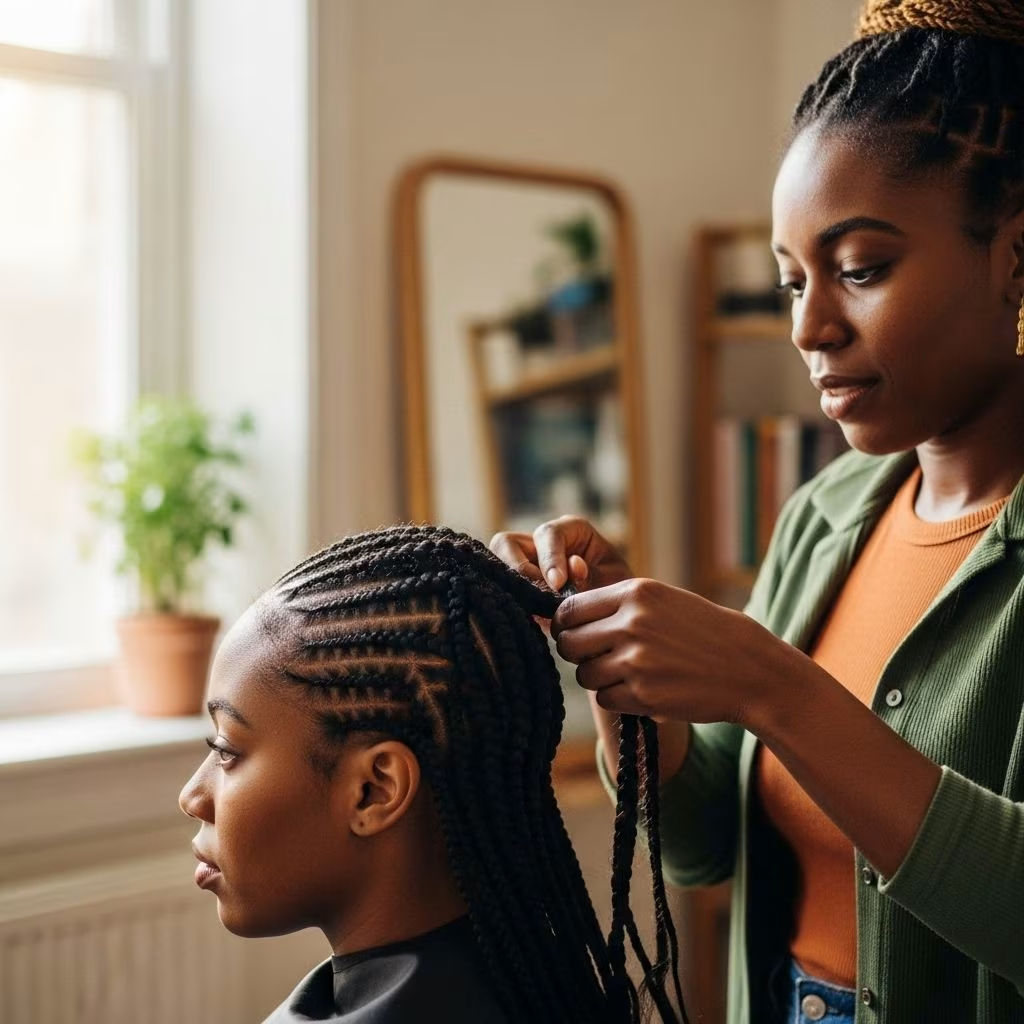
Black hair is more than a physical attribute; it is a cultural legacy, a canvas of self-expression, and a locus for human connection. The process of braiding—often requiring hours of gentle handling, listening, and shared stories—turns stylists into confidantes, advisors, and creative collaborators. Many Black women describe their relationships with their braiders as some of the most meaningful connections in their lives. The time spent in the salon chair creates space for vulnerability, laughter, learning, and deep trust.
- Trust and vulnerability: Allowing someone to care for your hair is a powerful gesture of confidence and closeness.
- Shared histories: Braiding is often accompanied by storytelling—about families, struggles, triumphs, and dreams.
- Identity formation: Styles chosen and braided become visual markers of cultural pride and individuality.
- Emotional support: The salon chair is often a place for unwinding, reflection, and healing.
Meet The Women: Stories of Connection
To truly understand the depth of these relationships, we turn to three inspiring women who share stories about their bonds with their braiders. Their perspectives illuminate how braiding transcends transactional interactions and fosters enduring ties.
Sojourner Brown & Kayko Donald
Sojourner Brown is an actor and musician thriving in New York City. Her first meeting with braider Kayko Donald was through mutual friends, and the connection was instant. For Sojourner—a multi-hyphenate creative—finding someone who understood both her artistic vision and her hair’s needs was transformative. Kayko’s gentle and detail-oriented approach ensured every appointment felt restorative.
- Artistry meets artistry: Sojourner and Kayko bonded over their creative passions and dedication to multiple crafts.
- A mutual growth journey: Over three years, Kayko became not just a stylist, but a trusted friend—each session deepened their understanding.
The Braider’s Perspective
Kayko sees her role as much more than performing a service. Each session is characterized by gentleness, sensitivity to scalp health, and a commitment to comfort. Years of experience—and personal memories of harsh braiding—have taught her to prioritize care over speed or tightness. To Kayko, braids are fundamental: a formative part of her own Black womanhood. They symbolize resilience, creativity, and belonging.
Braids as a Symbol
Both Sojourner and Kayko believe that braids tell stories—of childhood discovery, evolving life phases, and chosen family. Braiding sees them through transitions: new apartments, career shifts, and personal transformations. The recurring act becomes a touchstone for healing and continuity.
- Braids = history
- Braids = renewal
- Braids = trust
Intimacy and Energy Exchange
Braiding appointments can last over eight hours, becoming more than styling—they are immersive experiences. Clients and stylists share food, stories, and entertainment; sometimes they even nap, work, or just exist together in comfortable silence. These moments foster a new form of closeness, providing emotional safety and genuine companionship.
Personal Comfort and Ritual
For Sojourner, appointments with Anta (another talented stylist) are highly personalized and soothing. Box braids can take up to nine hours; rather than being restless, Sojourner feels pampered. The environment often resembles a spa, where work deadlines, relaxation, and shared laughter coexist, affirming the nurturing aspect of braiding rituals.
Why Braids Hold Deep Meaning
The question, “What do braids symbolize to you?” invites powerful reflections:
- Connection to heritage: Braids are a link to ancestral traditions and cultural identity.
- Protection: They serve as protective styles, safeguarding hair health and growth.
- Expression: Each braid pattern, parting, and adornment is a statement of personality and pride.
Emotional Resonance
Many Black women find that wearing braids awakens feelings of strength and rootedness, in contrast to other styles. Braids “carry” them through various life stages, offering continuity and comfort. For some, braids remind them of carefree childhood days; for others, they represent self-determination and agency in adulthood.
The Braiding Appointment: An Experience Beyond Hair
Appointments with skilled braiders like Anta blur the lines between beauty and therapy. The physical pampering is matched by emotional support. Clients relax, work, laugh, and sometimes cry—a testament to the role braiders play as confidantes, artists, and healers.
| Aspect | Braiding Experience | Emotional Significance |
|---|---|---|
| Time | 7-9 hours per session | Deepens connection; facilitates long conversations |
| Environment | Spa-like, homey, comforting | Promotes relaxation, safety, and belonging |
| Activities | Laptop work, naps, TV, meals, stories | Fosters trust and emotional bonding |
| Outcome | Beautiful braids, restored well-being | Affirms identity and connection |
Braids in Culture: Representation & Visibility
Braids are not only intimate and personal—they are a public statement of cultural resilience and beauty. Black hairstyles have long been marginalized or misrepresented in mainstream media, yet celebrities like Beyoncé have powerfully reclaimed their meaning through visibility and celebration. In the “Formation” video, Beyoncé’s choice to wear long, thick Dutch braids was a rallying cry for Black women’s pride and creative self-expression. The style was not simply a trend, but a vibrant affirmation of Blackness.
- Cultural affirmation: Applauded by communities, but often appropriated outside them.
- Trendsetting: Styles like Dutch and box braids cycle in fashion, but have deep roots in Black history.
- Political impact: Braids have been sites of both celebration and discrimination, making education and advocacy essential.
Appropriation vs. Appreciation
While mainstream adoption of Black hairstyles can increase visibility, it often leads to mislabeling and erasure (“boxer braids” instead of cornrows, for example). Black braiders and clients urge those outside their culture to learn, acknowledge, and respect the roots of these styles.
Crown Day: Uplifting the Legacy
Crown Day stands as a moment to reflect on, honor, and elevate the role that braiders play—artistically and emotionally. It is a call to celebrate the bond among women, passed along through hands, hearts, and stories.
- Celebration: Recognizing braiders not just as service providers but as essential keepers of culture.
- Legacy: Braiding traditions passed down through generations, continually evolving.
- Upliftment: Braiders and their clients inspire new levels of beauty, confidence, and connection for each other.
The Path Forward: Honoring, Cherishing, and Uplifting
As the world shifts and Black beauty continues to rise in visibility, it becomes even more important to cherish and protect the fundamental relationships at the heart of it all—the bonds between Black women and their braiders.
- Listen and share: Each appointment carries the weight of communal healing and storytelling.
- Advocate: Support policies and platforms that recognize Black hair artistry and fight discrimination.
- Cherish: Treat every braiding session as an opportunity to learn, grow, and empower one another.
Frequently Asked Questions (FAQs)
Q: Why do braiding appointments take so long?
A: Braiding is meticulous work, requiring skill and patience to avoid damage and ensure the client’s comfort. Detailed styles, protective measures, and personal care contribute to longer sessions.
Q: What makes the relationship between Black women and their braiders unique?
A: Trust, lived experience, and shared cultural understanding make these bonds uniquely deep and transformative; stylists become confidantes, collaborators, and anchors for identity.
Q: How do braids affect confidence and self-image?
A: Braids can profoundly uplift self-esteem, affirm cultural pride, and offer a sense of empowerment and ownership over one’s identity.
Q: What should clients communicate to their braiders before appointments?
A: Any scalp sensitivities, health concerns, styling preferences, and artistic goals should be shared ahead of time for the most supportive experience.
Q: How can non-Black clients appreciate braiding respectfully?
A: By acknowledging the history of the style, avoiding rebranding, crediting the artistry and culture, and listening to the voices of Black communities.
Final Thoughts: Braids as Bridge & Blessing
Braiding is not merely a beauty routine; it is a conduit for belonging, healing, and legacy. Through the hands and hearts of gifted artists, the ritual of braiding helps Black women reclaim space, celebrate identity, and deepen lifelong bonds. It is a story still being written—with every part, every pattern, and every shared hour in the stylist’s chair.
References
- https://www.bustle.com/beauty/women-braiders-relationship
- https://www.refinery29.com/en-au/black-women-hair-braids-relationship-lessons
- https://www.refinery29.com/en-us/2019/10/8499036/latinas-black-hair-styles-braids-cultural-appropriation
- https://www.bustle.com/articles/140452-how-to-copy-beyonces-braids-from-formation-recreate-her-super-fierce-look-videos