


The Transformative Power of Saying Thank You
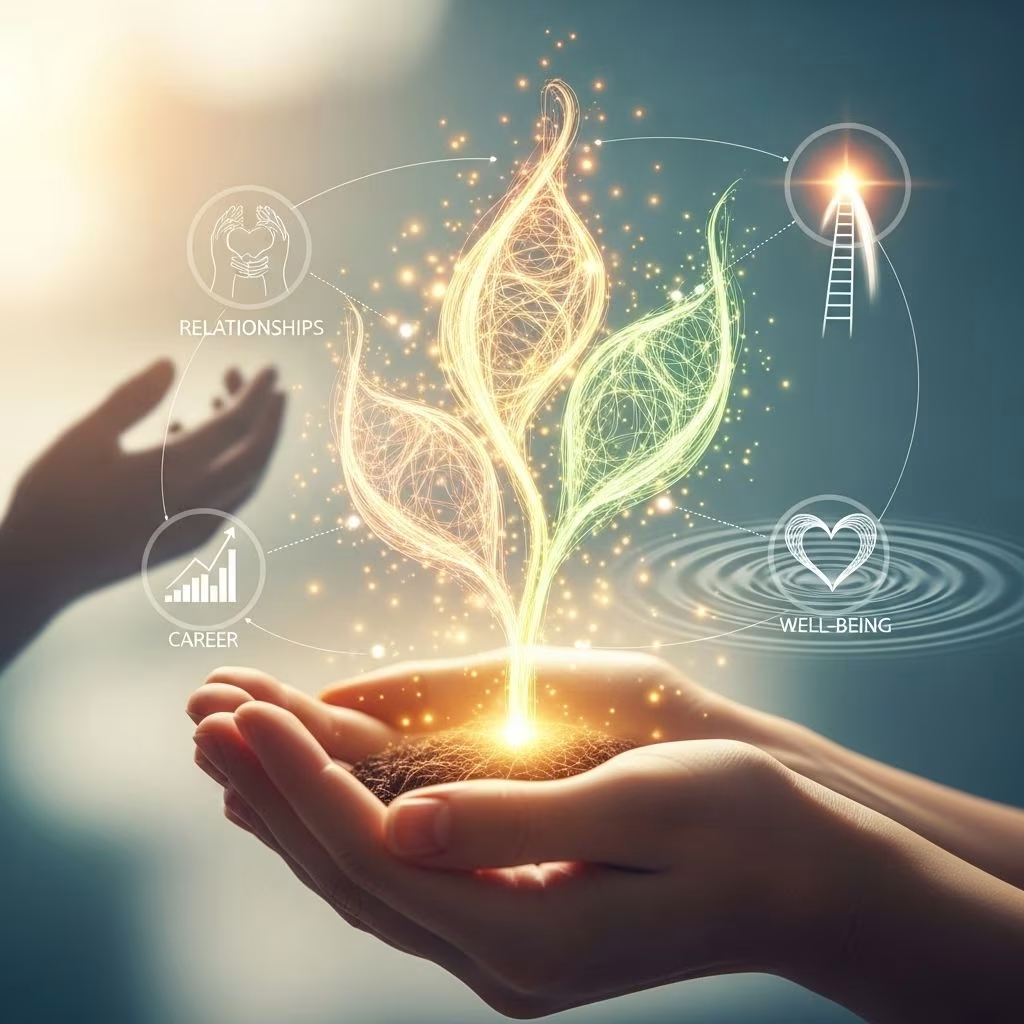
What if the secret to stronger relationships, a better career, and genuine happiness was just two simple words? Consistently saying thank you is more powerful than most realize. It isn’t just good manners—gratitude is a proven strategy for deepening connections, building trust, and boosting personal well-being. In a world that is increasingly fast-paced, distracted, and transactional, learning to pause and express sincere appreciation may be the small change that yields enormous results.
Why We Underestimate the Impact of Gratitude
Despite being taught from childhood to say thank you, many adults neglect true expressions of gratitude. Why? The habit is often mistaken for politeness, rather than as a means for meaningful connection. People may believe their gratitude is implied or that others simply expect acknowledgment. However, research shows that explicitly communicating thanks leaves a far deeper impression than assumed; what feels like a simple courtesy to the speaker can be profoundly affirming to the recipient.
Common Reasons People Forget to Say Thank You
- Assumption of the Obvious: We believe our appreciation is self-evident and needs no words.
- Busyness: In a rushed culture, appreciation often falls by the wayside.
- Cultural Norms: In some contexts, expressing gratitude openly may be misinterpreted as excessive or insincere.
- Fear of Vulnerability: Saying thank you can feel like admitting dependence or indebtedness.
The Science Behind Gratitude and Well-Being
Modern research from positive psychology highlights the profound benefits of gratitude. Studies reveal that people who regularly express thankfulness:
- Experience less depression and anxiety
- Report stronger immune systems and better physical health
- Enjoy more fulfilling relationships and social support
- Demonstrate greater resilience in the face of setbacks
According to psychologists like Dr. Robert Emmons, gratitude tunes us into the good around us, amplifying positive feelings and reducing the emotional impact of stress and disappointment. This translates to more optimistic outlooks, better sleep, and even increased life satisfaction.
How Gratitude Transforms Relationships
Relationships—whether romantic, familial, or professional—thrive on mutual appreciation. A consistent thank you does more than acknowledge someone’s actions: it validates their efforts and reinforces emotional bonds.
Benefits in Romantic Partnerships
- Affirmation: Expressing gratitude to a partner increases feelings of being valued.
- Conflict Reduction: Gratitude shifts focus from nagging problems to positive contributions.
- Greater Intimacy: Partners who thank each other regularly report increased satisfaction and trust.
In Friendships and Family Relationships
- Breaking Routine Resentment: Thanking family members for everyday tasks prevents expectations from hardening into entitlement.
- Simmering Down Tensions: An expression of thanks can quickly defuse frustration or miscommunication.
Professional and Workplace Impact
Organizations that cultivate cultures of gratitude see tangible improvements:
- Increased Collaboration: Expressing thanks encourages teamwork and openness.
- Higher Employee Retention: Workers who feel appreciated are less likely to burn out or leave their jobs.
- Boosted Productivity and Morale: A simple thank you can make employees feel acknowledged, leading to higher motivation and effort.
| Type of Relationship | Benefit of Gratitude | Potential Result |
|---|---|---|
| Romantic Partners | Affirmation, reduced conflict | Greater intimacy and stability |
| Friendships & Family | Breaking entitlement cycles | Improved harmony and mutual respect |
| Professional/Workplace | Recognition, increased morale | Collaboration, loyalty, productivity |
How Gratitude Can Save Your Career
Success in the professional world hinges not only on what you do, but on how you make others feel. Ambition and results matter, but authentic appreciation is a powerful career catalyst.
Why Gratitude Is a Key Career Skill
- Leads to Opportunities: Colleagues and leaders are more likely to offer chances and mentorship to those who show appreciation.
- Strengthens Networks: Thanking others for their support or advice leads to stronger business relationships and broader professional circles.
- Keeps You Top-of-Mind: When people feel noticed and valued, they are more likely to remember and advocate for you.
Simple Acts of Thanks That Strengthen Your Professional Standing
- Send brief follow-up emails expressing appreciation after meetings or collaborations.
- Publicly acknowledge team members’ efforts during presentations or reports.
- Write handwritten notes to mentors, bosses, or clients for major milestones or successful projects.
- Regularly show gratitude in informal ways, such as commenting positively on a colleague’s idea.
Psychological Roadblocks: Why Saying Thank You Can Feel Uncomfortable
Despite knowing the benefits, many people struggle to consistently express thanks. Several psychological obstacles contribute to this behavior:
- Fear of Rejection: Worrying your gratitude will seem awkward or go unreciprocated.
- Imposter Syndrome: Feeling unworthy of others’ help and thus avoiding acknowledgment.
- Performance-Oriented Environments: In fast-paced workplaces, results are prioritized over appreciation.
- Diffusion of Responsibility: The assumption that others will express gratitude, so you don’t have to.
Making Gratitude a Consistent Habit
Gratitude is a muscle; the more you use it, the stronger and more natural it becomes. Integrating thankfulness into daily life requires intention and practice, but the results are lasting and compounding.
Practical Strategies for Expressing Thanks Every Day
- Begin each morning by jotting down three things you’re grateful for—and share one with someone else.
- Schedule “thank you” reminders on your phone or calendar after important interactions.
- Conclude every significant conversation or email with a genuine note of appreciation.
- Make public recognition a habit, both in group settings and on social media when appropriate.
Gratitude in Challenging Times
When facing setbacks or disappointment, gratitude can feel counterintuitive. Yet, expressing thanks during difficulties often has the greatest impact:
- Acknowledge even small gestures of support, reminding yourself and others that you’re not alone.
- Frame setbacks as learning opportunities, thanking those who offer constructive feedback or compassionate listening.
Saying Thank You Without Words
Sometimes, gratitude is best communicated through action. Nonverbal expressions are often more powerful than spoken or written thanks, especially when aligned with someone’s unique preferences for appreciation.
- Acts of Service: Helping with a task or project as thanks for someone’s ongoing support.
- Gift Giving: Small, thoughtful tokens of appreciation can solidify a sense of being valued.
- Quality Time: Devoting undistracted attention as a form of gratitude, especially for loved ones.
- Physical Gestures: A handshake, hug, or pat on the back (when appropriate) often says more than words.
Frequently Asked Questions (FAQs)
Q: Can expressing too much gratitude make me look insincere?
A: Sincerity is key. Repetitive or generic thank-yous may lose meaning, but expressing specific appreciation that relates directly to someone’s efforts or qualities always feels genuine. Focus on quality over quantity for maximum impact.
Q: How can I get better at remembering to thank people?
A: Develop simple habits, such as setting reminders or associating gratitude with key events (meetings, meals, milestones). Over time, your awareness will increase, and expressing thanks will become second nature.
Q: What should I do if my thank you is not acknowledged?
A: Share gratitude without expectation of reciprocation. Not everyone knows how to accept thanks gracefully, but your expression is still meaningful and positively impacts the environment.
Q: Is gratitude really that important for career advancement?
A: Yes. Research and executive experience confirm that those who consistently express appreciation are perceived as more collaborative, trustworthy, and promotable. Gratitude helps expand networks and deepens professional influence.
Q: How do I show gratitude when I’m frustrated or under stress?
A: Pause and reflect on what is still going well, identify anyone who is helping—even in small ways—and verbalize your appreciation. This can reduce tension and build resilience amid challenges.
Key Takeaways
- Gratitude is a life-changing habit with benefits for emotional, physical, and social health.
- Saying thank you strengthens bonds—in romantic relationships, friendships, families, and workplaces.
- Regular appreciation leads to greater career success, trust, and collaboration.
- Obstacles to gratitude exist, but intentional practice makes expressing thanks easier over time.
Conclusion: The Small Words That Yield Big Results
In a world hungry for recognition and connection, never underestimate the power of a heartfelt thank you. Make gratitude a pillar of your interactions, and watch as your relationships deepen, your career accelerates, and your own inner landscape grows brighter. It’s a small change, with the potential for remarkable returns.
References
- https://www.elitedaily.com/women/career-relatioship-advice/1245872
- https://www.elitedaily.com/dating/partner-balance-career-relationship/1749437
- https://www.elitedaily.com/dating/opposites-attract-dating-someone-different-career-goals-beneficial/897001
- https://www.elitedaily.com/p/7-signs-youre-not-spending-enough-time-with-your-partner-how-to-fix-it-9950639


