


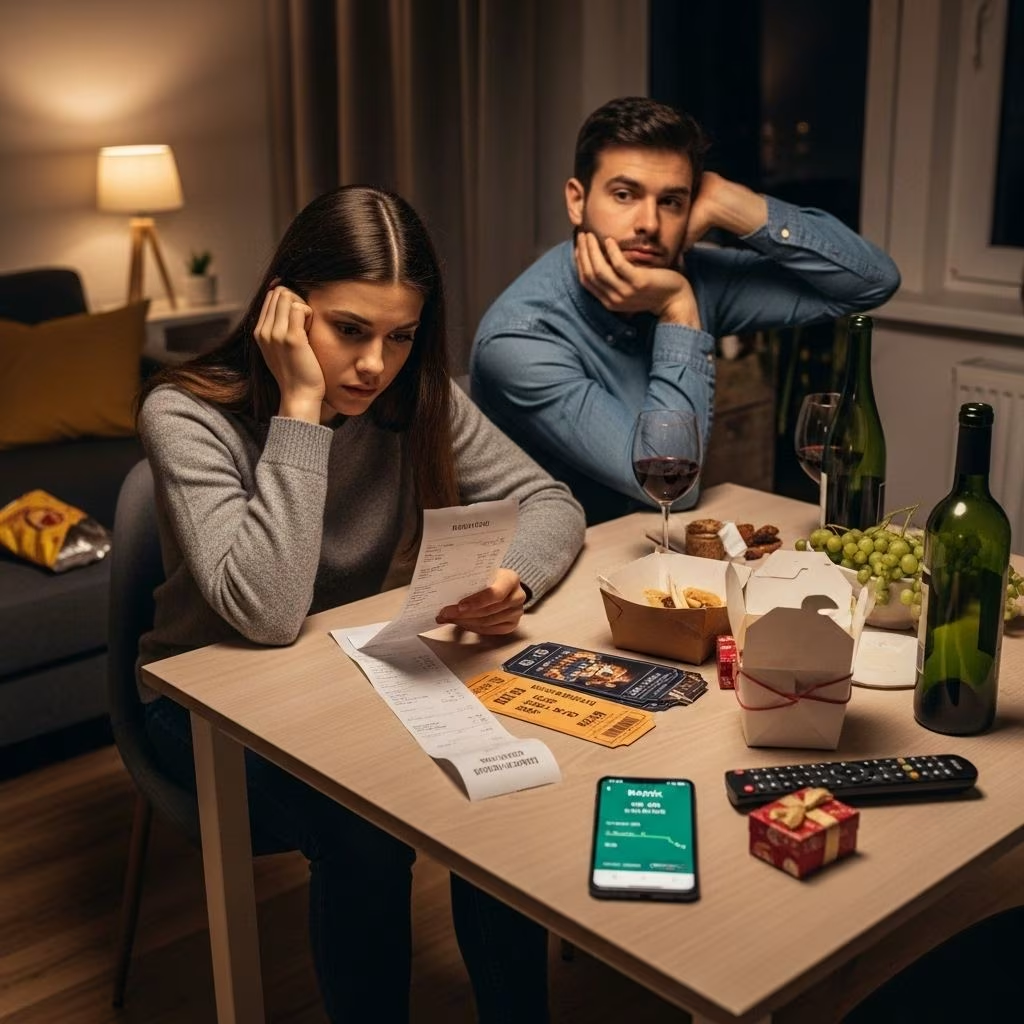
The True Cost of One Weekend in a Relationship
Romantic weekends aren’t just about cuddling, laughs, and quality time—they’re also full of practical expenses and hidden costs that can add up quickly. While many of us enjoy the feeling of being swept away, there’s value in taking a closer look at the price tag attached to those special weekends. This breakdown explores not just the financial outlay, but also the emotional and everyday tradeoffs, offering couples a reality check about what a weekend together really means.
Relationship Spending: Why Bother Calculating?
Many people never stop to ask, “How much does a weekend cost me in my relationship?” Yet, understanding these costs can help couples communicate about money, set priorities, and appreciate the value of shared experiences. Whether you’re living together or spending weekends alternately, financial transparency is not just practical—it’s key to a healthy relationship.
Friday Night: The $120 Kickoff
- Dinner Date: When Friday rolls around, couples often start their weekend with dinner and drinks. Whether at a favorite restaurant or the latest trendy spot, a meal for two with drinks and tip regularly totals $80-$120 for the night.
- Extras: Add-ons like dessert, rideshare expenses, or a movie can raise the final bill even higher.
- Summary Table:
Item Estimated Cost Dinner for Two $80 Drinks $25 Transportation $15 Total $120
Saturday: From Brunch to Night Out
- Morning Routine: Waking up together often means heading straight to brunch or grabbing artisanal coffee at $5-$10 each. If you add brunch at a café, expect another $40-$60.
- Afternoon Activities: Whether it’s shopping, museum visits, or fitness classes, couples typically spend another $30-$60. Even “free” walks or park hangs can lead to snack or equipment purchases.
- Saturday Night: Second night out or a cozy evening in—takeout, a movie rental, or a shared bottle of wine, all of which can run $40-$60.
- Summary Table:
Item Estimated Cost Brunch $50 Afternoon Activities $40 Evening Expenses $50 Total $140
Sunday: Wind Down, Spend Up
Sundays often start with lazy mornings and breakfast at home, but fresh groceries, coffee runs, and last-minute errands still add up. If the couple goes out for lunch, that’s another $30-$50. Activities like a gym class, live event, or shared indulgences can bump costs even higher.
- Groceries & Home Expenses: Cooking together at home feels cozy and supposedly “cheap,” but groceries for two can easily exceed $30-$40 per meal.
- Sunday Extras: Treats like pastries, DIY spa items, or delivery coffee push the expenses closer to $50.
- Total Estimated Sunday Cost: $80-$120
Total Weekend Cost: The Grand Tally
When you add each day together, the average outlay is $300 to $400 per weekend spent as a couple. This doesn’t factor in special occasions, trips, or unexpected emergencies, but it paints a realistic portrait of how quickly casual romance becomes expensive.
The Emotional Tradeoffs: What Are You Really Paying For?
- Quality Time: While money buys experiences, the real value is in sustained connection—being present, supporting each other, and creating lasting memories.
- Stress and Expectations: Financial pressure can introduce stress, especially if budgets or expectations differ. Open dialogue is essential to prevent resentment.
- Shared Priorities: Deciding together how and where to spend can strengthen bonds and foster teamwork.
The Invisible Costs of Being in Love
Beyond receipts and restaurant tabs, every couple pays with time, compromise, and emotional labor. Hidden expenditures might include:
- Missing out on solo plans or hobbies to accommodate togetherness.
- Extra effort spent on personal grooming, outfits, and self-care in anticipation of the weekend.
- Emotional investments in resolving small arguments, booking reservations, or making plans.
- Logistics like house cleaning, prepping meals, or spending on gifts.
How to Split Expenses Fairly
Every relationship handles money differently. Some couples alternate who pays; others split everything down the middle. Key approaches include:
- Alternating Payments: Taking turns for key expenses helps ensure fairness and avoids keeping score.
- Joint Budget: Maintaining a shared spreadsheet or account for weekend spending.
- Open Discussion: Honest conversations about spending capacity, preferences, and expectations.
- Setting Limits: Agree on budgets for dining, entertainment, and extras in advance.
Can Romance Be Budget-Friendly?
Not every weekend has to break the bank. Some low-cost and high-impact options:
- Cooking dinner together with groceries from home.
- Movie marathons or game nights indoors.
- Exploring local parks and free city events.
- DIY spa evenings with face masks and massages.
- Creative projects, like baking, crafting, or painting together.
Psychological Impact: How Spending Shapes Connection
Money is rarely just about dollars—it reflects priorities, intimacy, and compatibility. Couples who communicate openly about spending avoid misunderstandings and embrace compromise.
- Financial Boundaries: Respecting each other’s limits shows maturity and consideration.
- Valuing Experiences Over Things: Prioritizing shared moments builds lasting bonds.
- Conflict Resolution: Tackling differing habits or incomes in advance prevents future stress.
Lessons Learned: Real Couples’ Insights
Many partners admit to feeling surprised at how much they spend without noticing. Reflection leads to smarter choices—less impulse, more intention.
- Tracking expenses for a month can reveal trends and help set future budgets.
- Being transparent when money gets tight strengthens trust.
- Appreciating small gestures matters as much as elaborate nights out.
FAQs About Weekend Relationship Costs
Q: Should couples keep strict track of weekend expenses?
A: Maintaining awareness is smart, but being overly rigid can introduce stress. Aim for balance, transparency, and flexibility.
Q: What’s a good way to split costs fairly?
A: Try alternating big payments, splitting checks, or using a joint account for weekend outings. Pick what suits both partners best.
Q: Is spending money the only way to have fun together?
A: Absolutely not. Budget-friendly dates—cook-at-home, outdoor walks, game nights—build memories without financial pressure.
Q: How can you handle different spending habits or incomes?
A: Open conversation, empathy, and compromise are key. Celebrate creative, affordable ways to connect and respect each other’s boundaries.
Tips for Couples on Weekend Spending
- Plan Ahead: Discuss your weekend plans and set a loose budget before you get swept up in excitement.
- Celebrate Small Moments: Not every weekend requires grand gestures; focus on connection and kindness.
- Embrace Transparency: Share your preferences and concerns about money openly; practice teamwork.
- Mix It Up: Alternate between splurging and saving weekends. Explore new activities and routines.
- Be Grateful: Appreciate what your partner contributes—time, effort, energy, and care count too.
Conclusion: The Real Price Is Connection
While weekends together may cost more than we realize, the deeper investment is always emotional. Couples who approach money mindfully—communicating, compromising, and caring—will find the best returns on their romantic investment are always measured in memories, not just receipts.
References
- https://www.elitedaily.com/dating/one-weekend-relationship-costs/1714081
- https://www.elitedaily.com/dating/adult-relationship-for-a-year/1533174
- https://jamesrussell.org/blogs/love-story-from-the-male-perspective–2/posts/3643958/8-reasons-why-a-real-man-would-never-cheat-on-someone-he-truly-loves
- https://www.clippings.me/jasoncredo


