Unity Sand Ceremony: Embracing Unity in a Wedding Ritual
The Unity Sand Ceremony is a modern yet deeply symbolic wedding ritual that visually represents the blending of two individuals or families into a harmonious new union. Beyond its vivid beauty, this ceremony provides couples a meaningful alternative to traditional rituals, especially in settings where candles may not be practical. Let us explore the origins, symbolism, detailed execution steps, personalization tips, and sample scripts to help you make this wedding moment truly one-of-a-kind.
What Is a Unity Sand Ceremony?
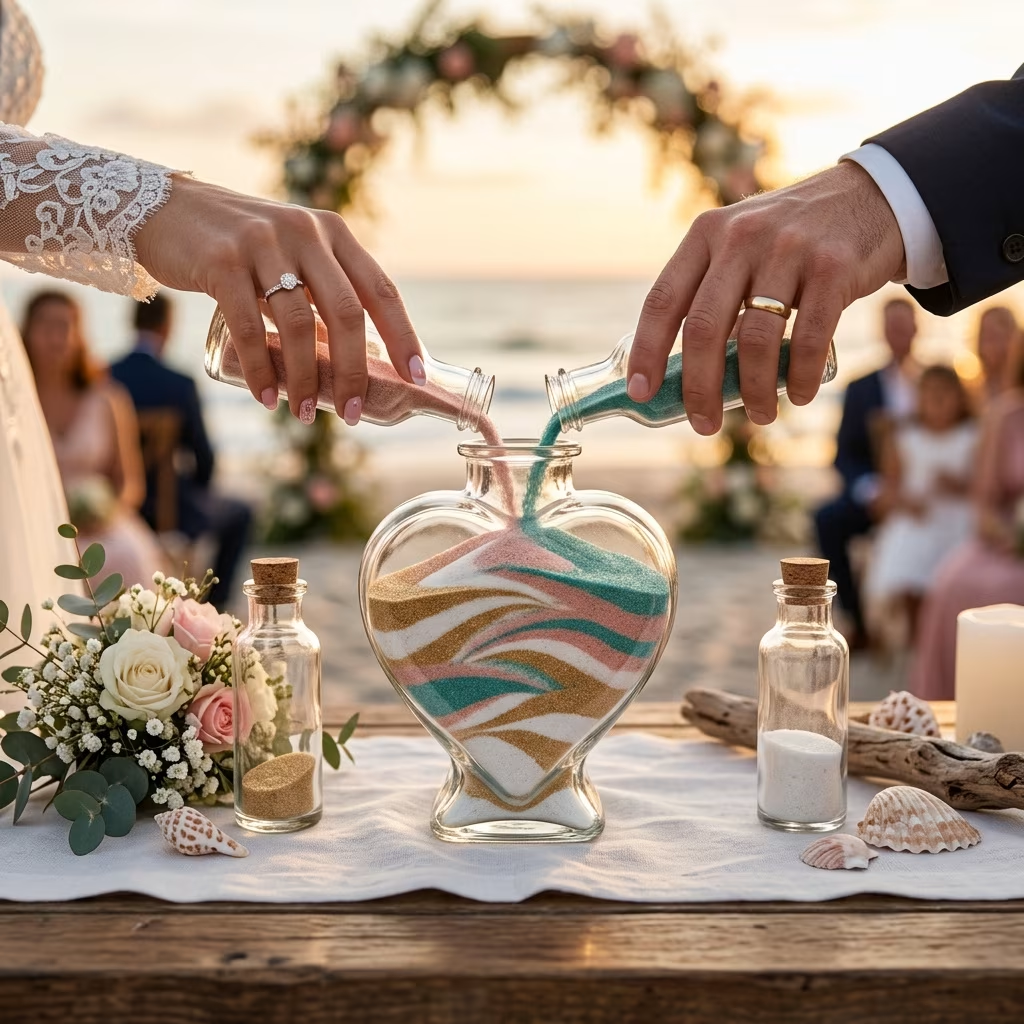
The unity sand ceremony involves the couple (and, optionally, family members) each pouring different colored sands from individual vessels into a larger, shared vessel. This visually striking mingling of colored grains forms a unique pattern, symbolizing the inseparable joining of two lives and the creation of a new, unified future together.
- Each pouring participant typically represents a person or family side.
- The act visually marks the transition from two separate existences to a new, shared journey.
- The resulting vessel serves as a cherished keepsake long after the wedding.
The Origins and Symbolism
While the unity sand ceremony is a relatively modern tradition, it derives symbolic influence from the long-standing unity candle ritual. Both ceremonies highlight the theme of blending two distinct lives into one, but the use of sand—coarse, naturally varied, and visually intricate—adds a whimsical and indelible quality to the gesture.
- Grains of sand: Each individual grain represents a unique aspect of the person’s personality, history, and life journey.
- Intermingling sands: Once combined, it’s impossible to separate the grains, expressing the enduring bond of marriage.
- Customization: Couples may personalize the ceremony by incorporating special colors, meaningful vessels, or even sand from favorite locations.
Why Choose a Sand Ceremony?
This ritual has become increasingly popular among couples for its:
- Visual appeal: The vivid layers of colored sand create a lasting memento.
- Outdoor suitability: Unlike candles, sand is unaffected by wind, making this ritual ideal for outdoor weddings.
- Family participation: Children or other loved ones can be included to represent family unity.
- Personal expression: Sands and vessels can be customized to reflect the couple’s personalities, love story, or cultural background.
How to Conduct a Unity Sand Ceremony
Planning and executing a unity sand ceremony involves several thoughtful steps. While the ritual can be brief—often under five minutes—it carries immense symbolic weight and is easily tailored to your celebration’s style.
-
Choose Your Sands
Select colored sands that hold personal significance. Popular options include:
- Couple’s favorite colors
- Wedding color palette
- Sand from special or meaningful locations (such as hometown beaches)
- Different shades to represent each family member or child, if blending families
Note: If gathering sand from a natural site, check local restrictions as collecting sand is illegal in certain locations.
-
Pick the Right Vessels
A traditional setup involves three containers:
- Two smaller vessels: For each partner’s sand (and additional small vessels for children or loved ones, if desired)
- One larger central vessel: For collecting the combined sands
Consider clear or translucent vessels so the unique sand pattern is visible. You can add personal touches, such as engraving your names, wedding date, or a quote on the primary vase. Some couples use meaningful items, such as family heirlooms or containers that held the first flowers exchanged between them.
-
Set Up the Ceremony Space
Designate a table or pedestal, often at the front of the ceremony site, to hold the vessels and sand. You can enhance the area with:
- Flowers matching the wedding theme
- Personalized plaques
- Decorative cloth or meaningful objects (e.g., shells, candles)
Ensure the sands are pre-filled and ready for seamless pouring, minimizing the chance of spills on formal attire.
-
Craft the Ceremony Script
Work closely with your officiant to prepare a heartfelt script. The officiant should explain the meaning of the sand ceremony, guide participants through each step, and narrate as the sands blend. (Sample scripts are provided later in this guide.)
-
Timing the Ritual
The sand ceremony typically takes place after the exchange of vows during the wedding. Confirm with your officiant and partner to ensure everyone knows when the ritual begins.
Unity Sand Ceremony Color Meanings
Many couples wonder if sand colors have specific symbolic meanings. In most cases, the colors used are chosen for personal or aesthetic reasons—to match the wedding palette, represent favorite colors, or symbolize shared interests.
If you desire symbolic associations, you can assign your own meanings based on color psychology or cultural traditions. Here are examples:
| Color | Common Symbolism |
|---|---|
| White | Purity, new beginnings |
| Blue | Trust, loyalty |
| Pink | Love, affection |
| Purple | Creativity, spirituality |
| Green | Growth, harmony |
| Yellow | Joy, optimism |
| Brown or Natural | Stability, grounding, connection to nature |
You may also mix symbolic and aesthetic preferences—ultimately, there are no strict rules, and the meaning is yours to define.
Unique Ways to Personalize Your Unity Sand Ceremony
- Include children or parents: Invite family members to add their own colored sand to symbolize the joining of families—perfect for blended families and second marriages.
- Use sand from meaningful places: Collect sand from sites such as where you first met, took vacations together, or your hometowns. Be mindful of regulations regarding the collection of sand from beaches or parks.
- Add a memorable vessel: Choose a vessel with sentimental value, such as a family heirloom, or have your vessel customized with engraving or hand-painting.
- Layer patterns: Pour sand in patterns or even take turns layering it, so the colors intermingle in the way that is most visually meaningful to you both.
Sample Unity Sand Ceremony Scripts
A script for this ceremony should reflect the couple’s personalities and values, but certain elements are often included:
Simple Script Example
“Today, you join your separate lives together. The two separate sands symbolize your separate lives, families, and friends. As you pour your sand together, you are joining your lives in unity. Just as these grains of sand can never be separated and poured again into their individual containers, so will your marriage be—a new creation, inseparable and beautiful.”
Family Inclusion Script Example
“As we blend our sands, we also blend our families. Each person pouring represents an important part of this new journey together. Just as each color adds vibrancy to this vessel, so does each member bring depth to this new family.”
Script with Meaningful Locations
“These sands, gathered from places meaningful to each of you, represent your unique histories and roots. As the sands intertwine, so do your stories, now forever linked together as one.”
Practical Tips for an Elegant Sand Ceremony
- Place a tray or cloth beneath the vessels to catch stray grains.
- Practice once before the event to avoid awkward pauses or mishaps.
- Use wide-mouthed vessels to make pouring easier and help layers form cleanly.
- Display your finished unity vessel at your reception, then take it home as a keepsake.
Common Questions About Unity Sand Ceremonies
Is the unity sand ceremony religious or secular?
The ritual is highly flexible—it can be entirely secular or woven into a religious context as the couple desires. The core theme is unity, which can be meaningful in any tradition.
Can family or children participate?
Absolutely. Many couples invite children, parents, or significant loved ones to add their own colored sand, particularly in blended families, symbolizing the blending of all relationships into one new family unit.
What type of sand should we use?
You can buy colored sand from craft stores and wedding suppliers, bring your own from meaningful locations (respecting local laws), or even dye your own sand for a custom palette.
What happens to the sand vessel after the ceremony?
The sand-filled vessel becomes a cherished keepsake, displayed at home as a lasting memento of the vows taken and the unity formed on your special day.
Where in the ceremony does this ritual fit?
Most couples perform the sand ceremony after exchanging vows but before the final pronouncement. Check with your officiant for the timing that best fits your ceremony’s flow.
Unity Candle Ceremony vs. Unity Sand Ceremony
| Aspect | Unity Candle | Unity Sand |
|---|---|---|
| Setting | Best for indoor ceremonies (wind can be a problem outdoors) | Ideal for indoor or outdoor ceremonies |
| Symbolism | Blending flame/lights as one shared flame | Mixing grains of sand as inseparable unity |
| Keepsake | Candle; often burned or stored as a memento | Decorative sand-filled vessel kept on display |
| Family Participation | Possible (lighting multiple candles), but less common | Easy to add children/other loved ones with more sand colors |
Final Thoughts: Making Unity Your Own
The Unity Sand Ceremony is a creative, visual, and heartfelt way to commemorate the blending of two lives—or families—at your wedding. With limitless possibilities for personalization, this ritual can be tailored to echo your unique story, ensuring it becomes one of the most memorable moments of your special day.
Frequently Asked Questions (FAQs)
Q: Can you do a sand ceremony in a religious service?
A: Yes, the unity sand ceremony can be incorporated into religious or secular services. Its symbolism of unity makes it versatile for many traditions.
Q: How long does the unity sand ceremony take?
A: The ritual usually takes less than five minutes, depending on the number of participants and the length of the script.
Q: Is it possible to involve children or other family members?
A: Yes, inviting children, parents, or loved ones to pour their own sand is a popular way to symbolize the joining of families.
Q: What do you do with the sand vessel after the ceremony?
A: The completed vessel becomes a tangible keepsake and is often displayed at home as a reminder of your vows and unity.
Q: Must we use specially colored sand?
A: No, you may use any sand that’s significant to you, including natural or colored sands from places or with colors that hold special meaning for you both.
References
- https://www.theknot.com/content/sand-unity-ceremony-ideas
- https://people.howstuffworks.com/culture-traditions/cultural-traditions/sand-ceremony.htm
- https://www.provenance.co/post/how-to-do-a-unity-sand-ceremony-for-your-wedding
- https://www.youtube.com/watch?v=IM7gtuWOPN4
- https://www.stylecraze.com/articles/wedding-processional-order/
- https://theamm.org/articles/2405-all-about-unity-sand-colors-meaning-magic-on-the-wedding-day
- https://forums.theknot.com/discussion/522062/unity-sand-ceremony-instead-of-unity-candle