


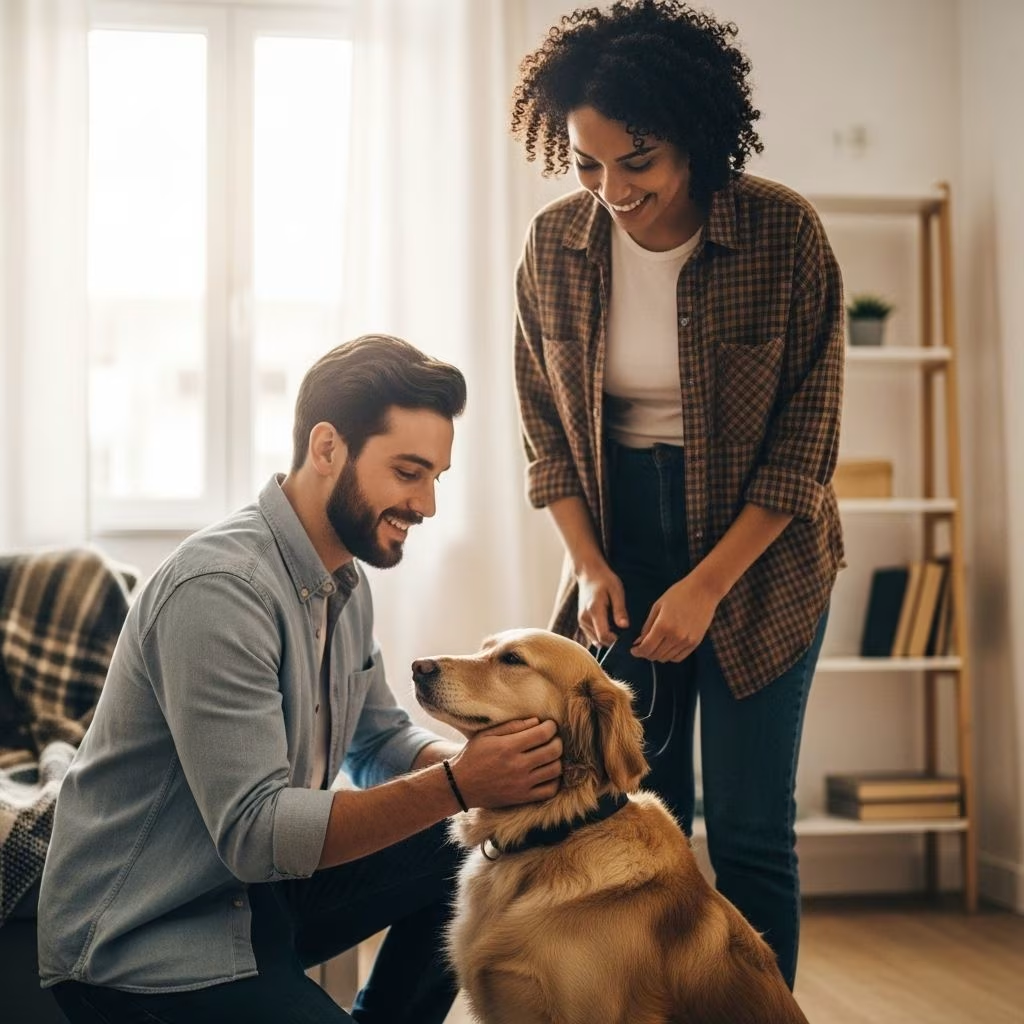
When you’re getting to know someone new, there are countless ways to assess whether they might be a good match for a long-term relationship. You observe how they treat waiters at restaurants, how they talk about their family, and how they handle stress. But if your potential partner happens to be a dog owner, you’ve been handed one of the most revealing compatibility tests available: watching how they care for their canine companion.
The relationship between a person and their dog offers an unfiltered window into their character, priorities, and capacity for commitment. Unlike human relationships where people can put on their best behavior, the way someone treats their dog when they think no one is watching reveals their authentic self. This isn’t just romantic speculation—it’s backed by the simple truth that dogs depend entirely on their owners for every aspect of their wellbeing, from basic survival needs to emotional fulfillment.
Many people assume that simply owning a dog automatically indicates positive qualities like dependability, responsibility, and the capacity for unconditional love. While dog ownership does require a baseline level of commitment, the reality is far more nuanced. Not all dog owners treat their pets with equal care and consideration. Some integrate their dogs fully into their lives, bringing them along on adventures and prioritizing their needs. Others treat their pets more like living decorations or obligations to be managed with minimal effort.
The question isn’t whether your potential partner owns a dog, but rather: What kind of dog owner are they? More importantly, what kind of dog owner are you? The answers to these questions can predict remarkably accurately what kind of romantic partner someone will be when the initial excitement fades and real life sets in.
The Foundation: Behavioral Training and Communication
One of the first things to observe when meeting a partner’s dog is the animal’s behavior and the dynamic between pet and owner. A well-trained dog that responds to commands, maintains calm in new situations, and shows affection without being overwhelming typically indicates an owner who has invested significant time and patience into building that relationship.
Training a dog requires consistent communication, clear boundaries, and positive reinforcement—exactly the same skills that make romantic relationships thrive. When someone has successfully trained their dog, it demonstrates they understand how to communicate effectively, set expectations, follow through on commitments, and reward good behavior. These aren’t just useful skills for dog training; they’re essential for healthy human relationships.
On the flip side, a dog that doesn’t respond to basic commands, pulls aggressively on the leash, or seems anxious and unpredictable might indicate communication issues with the owner. Does the dog bolt away the moment the leash is loosened? This could suggest the owner uses force or intimidation rather than building trust and cooperation. In a romantic relationship, this same pattern might manifest as controlling behavior that makes a partner want to escape at the first opportunity.
Similarly, a dog that seems confused about boundaries or doesn’t understand what its owner wants might indicate someone who gives mixed signals, fails to communicate clearly, or doesn’t follow through consistently. These same communication problems will inevitably surface in romantic relationships, creating confusion, frustration, and conflict.
The behavioral training of a dog also reveals patience levels and emotional regulation. Training takes months or even years of consistent effort, with plenty of setbacks and frustrations along the way. Someone who has successfully navigated this process has demonstrated they can stick with something challenging, manage their emotions when progress is slow, and celebrate small victories. These qualities translate directly to the patience required in long-term romantic partnerships.
Nutritional Choices: What Diet Says About Values
The food someone chooses for their dog might seem like a minor detail, but it actually reveals quite a bit about their priorities, values, and decision-making process. Dog food spans a massive price range, from budget kibble filled with fillers and by-products to premium options featuring whole ingredients and targeted nutrition.
When someone consistently purchases the cheapest available dog food without regard for nutritional content, it raises legitimate questions about their values. Are they cutting corners on their dog’s health to save money? If so, where else might they take shortcuts? This pattern could indicate someone who prioritizes immediate savings over long-term wellbeing, not just for their pet but potentially in all areas of life, including relationships.
Of course, budget considerations are real, and premium dog food isn’t accessible to everyone. The key isn’t the price point but rather the thought process. Does your partner research what they’re feeding their dog? Do they read ingredient labels and make informed choices within their budget? Or do they grab whatever is convenient without consideration for their pet’s nutritional needs?
Someone who takes time to understand their dog’s dietary requirements, adjusts food choices based on the dog’s age and activity level, and treats nutrition as an important aspect of care is demonstrating thoughtfulness and long-term thinking. These same qualities will appear in how they approach relationship challenges, financial planning, and shared responsibilities.
The feeding routine itself also matters. Does your partner maintain consistent meal times? Do they adjust portions based on their dog’s condition? Do they use food as part of bonding and training, or do they simply dump kibble in a bowl and walk away? These daily rituals reveal patterns of attentiveness and care that will absolutely carry over into romantic partnerships.
Exercise and Engagement: Active Partnership or Passive Coexistence
Dogs need physical activity and mental stimulation to thrive. The amount and type of exercise required varies by breed, but every dog needs regular opportunities to move their body and engage their mind. How someone meets these needs for their dog speaks volumes about their capacity for active partnership versus passive coexistence.
An owner who regularly exercises with their dog—going on runs, playing fetch, hiking on weekends, or engaging in dog sports—is demonstrating several important qualities. First, they’re willing to adjust their schedule and activities to accommodate their dog’s needs. Second, they view their dog as a companion for shared experiences rather than a separate responsibility to be managed. Third, they understand that meeting needs requires ongoing effort and creativity, not just the bare minimum.
These same qualities determine whether someone will be an active, engaged romantic partner or someone who simply coexists in the same space. Will they plan dates and activities that you’ll both enjoy? Will they adjust their routine to make time for the relationship? Will they put in consistent effort to keep things interesting and fulfilling?
Conversely, someone who leaves their dog inside all day with minimal interaction, rarely takes them outside beyond quick bathroom breaks, or treats walks as an inconvenient obligation is revealing their approach to relationships. They might be present physically but absent emotionally. They might view the relationship as a box to check rather than an ongoing adventure to be shared.
The way someone includes their dog in their social life is particularly telling. Do they bring their dog when meeting friends at outdoor venues? Do they seek out dog-friendly activities and locations? Or do they compartmentalize their life, keeping their dog separate from their social world? Someone who integrates different aspects of their life tends to be better at building shared experiences and combining social circles in romantic relationships.
Health and Medical Care: Financial Responsibility and Long-Term Thinking
Perhaps nothing reveals more about someone’s character than how they handle their dog’s healthcare. Veterinary care is expensive—routine checkups, vaccinations, dental cleanings, and emergency visits can easily cost thousands of dollars annually. How someone navigates these expenses reveals their financial responsibility, planning skills, and priorities when resources are limited.
Someone who maintains regular vet visits, stays current on vaccinations, invests in preventive care, and addresses health issues promptly is demonstrating financial maturity and long-term thinking. They understand that investing in prevention now avoids bigger problems later. They budget for expected expenses and have a plan for unexpected ones. These are exactly the qualities you want in a romantic partner when you’re building a life together.
The red flags in this area can be stark and unmistakable. Consider the partner who won’t take their flea-infested dog with bloody paws to the vet, even when someone else offers to pay for the appointment. This isn’t just neglect of the dog—it’s a window into how they’ll handle any situation that requires confronting problems, making difficult decisions, or accepting help. Actions speak louder than words, and vet visits speak volumes.
Healthcare decisions also reveal someone’s emotional intelligence and capacity for empathy. When a dog is sick or injured, does the owner notice the subtle signs? Do they respond with appropriate concern and urgency? Or do they minimize problems, delay seeking help, and prioritize their own convenience over their pet’s suffering? The empathy someone shows their dog in vulnerable moments is the same empathy they’ll show you when you’re struggling.
Insurance and financial planning for pet care also matter. Someone who carries pet insurance or maintains an emergency fund for veterinary expenses is demonstrating foresight and responsibility. They’re planning for possibilities they hope won’t happen but know they need to prepare for. This same approach to planning and preparation will serve them well in navigating the inevitable challenges of long-term relationships.
Daily Treatment: The Small Gestures That Reveal Everything
Beyond the major categories of care, it’s often the small, daily interactions between a person and their dog that reveal the most about their character. These are the moments when people aren’t thinking about how they appear to others—they’re just being themselves.
Does your partner cuddle with their dog until they both fall asleep? This reveals someone who values physical affection, comfort, and companionship. Do they regularly buy their dog new toys or treats? This suggests someone who enjoys giving gifts and creating moments of joy for those they care about. Do they talk to their dog in a gentle, affectionate voice? This indicates emotional warmth and the capacity for tender communication.
Pay attention to whether the dog seems genuinely happy and secure. A dog that greets its owner with enthusiasm but not anxiety, that’s comfortable being alone for reasonable periods, and that shows affection without being desperately clingy typically indicates a healthy, secure attachment. This owner has created an environment of consistent love and care that allows their dog to feel safe and confident—exactly what you’d want in a romantic relationship.
On the other hand, warning signs in daily treatment can be subtle but significant. Does the owner yell at or physically punish the dog? Do they mock or belittle the dog’s behaviors? Do they show inconsistent affection—warm and attentive one moment, cold and dismissive the next? These patterns will absolutely appear in romantic relationships, often intensifying over time as the honeymoon period fades.
The inclusion factor matters tremendously. Does your partner include their dog in decision-making about where to live, where to go on vacation, and how to spend weekends? Or is the dog an afterthought whose needs are barely considered? Someone who thoughtfully considers how their choices affect their dog is practicing the kind of consideration that healthy relationships require.
Social Integration: How Dogs Reflect Relationship Priorities
The way someone presents their dog to the world reveals their priorities in relationships and their comfort with commitment. Some people enthusiastically share photos of their dog on social media, tell stories about their pet’s personality, and light up when talking about their canine companion. Others rarely mention having a dog and seem almost embarrassed by this aspect of their life.
While social media presence isn’t everything, it can indicate how someone feels about commitments and responsibilities. Someone who proudly includes their dog in their public identity is demonstrating comfort with the responsibility and genuine affection for their pet. They’re not hiding this commitment or treating it as a burden they’d rather not acknowledge.
The social circle factor also matters. Does your partner have friends with dogs? Do they participate in dog-friendly activities and communities? Or is dog ownership something completely separate from their social life? Someone who has built relationships around their dog’s needs and interests is demonstrating the kind of flexibility and social integration that serves relationships well.
Watch how your partner introduces you to their dog and introduces their dog to you. Do they facilitate positive interactions? Do they seem proud of both relationships? Or do they seem anxious about how you’ll all get along, perhaps because they’ve neglected important aspects of their dog’s socialization? These dynamics offer clues about how they’ll handle introducing you to other important people and parts of their life.
The Research Behind Pets and Dating Compatibility
The instinct to evaluate potential partners based on their pet care isn’t just intuition—it’s backed by research and surveys showing that pet owners themselves recognize this dynamic. Studies have found that the overwhelming majority of dog owners consider their pet’s response when evaluating new romantic partners, with many stating they wouldn’t continue dating someone their dog didn’t like.
This isn’t simply about dogs being good judges of character, though many owners believe that as well. It’s about recognizing that how someone treats a dependent creature reveals their core values and behaviors. The dedication required to raise a pet properly makes it difficult for selfish or careless people to maintain the facade of being good pet owners over time.
Survey data shows that many singles are attracted to pet owners specifically because they view animal care as predictive of relationship behavior. The commitment, dedication, and kindness required for good pet ownership are exactly the qualities that make someone a good romantic partner. Conversely, the lack of these qualities in pet care reliably predicts the same deficiencies in romantic relationships.
Dog owners also report being more likely to trust their pet’s instincts about new partners, with many willing to end relationships if their dog strongly dislikes someone. While dogs can have their own preferences and biases, persistent negative reactions often indicate something the owner has sensed but not yet articulated. The dog simply makes those concerns impossible to ignore.
Making the Assessment: What to Watch For
When you’re dating someone with a dog, approach the observation process thoughtfully and give it time. A single interaction or isolated incident tells you very little. Instead, watch for patterns over multiple visits and situations. How does your partner handle the dog when they’re stressed? How do they respond when the dog has an accident or misbehaves? How do they balance the dog’s needs with other priorities?
Create opportunities to see the dog-owner relationship in different contexts. Offer to come along on walks or trips to the dog park. Volunteer to help with grooming or vet visits. Observe the daily routines of feeding, playing, and settling down for the night. These mundane moments reveal far more than special occasions where everyone is on their best behavior.
Pay attention to how your partner talks about their dog when the dog isn’t present. Do they speak with affection and pride, or with resentment and frustration? Do they share funny stories and cute photos, or do they complain about the burden? The way someone discusses their commitments when those commitments aren’t present to hear reveals their true feelings.
Trust your instincts, but also be willing to have direct conversations. If you notice concerning patterns in how your partner cares for their dog, ask questions. How do they think about their responsibilities as a pet owner? What would they do differently if they had unlimited resources? What aspects of dog ownership do they find most challenging or rewarding? Their answers will tell you whether any concerning patterns stem from circumstances that might change or core values that won’t.
Beyond Dogs: The Broader Principle
While this discussion has focused specifically on dogs, the underlying principle applies to any dependent relationship. How someone treats their cat, their elderly parent, their younger sibling, or any other being who depends on them reveals their capacity for consistent care, empathy, and responsibility. The specific details vary, but the fundamental pattern remains: people reveal their true character through how they treat those who are vulnerable and dependent on them.
The advantage of observing dog ownership specifically is that it typically involves daily, visible care that’s difficult to fake or outsource. Unlike relationships with human family members, where dynamics can be complex and historically fraught, the dog-owner relationship is relatively straightforward: the person chose to take on this responsibility and must now follow through. There’s nowhere to hide and no one else to blame.
This makes dog ownership one of the most reliable predictors of relationship behavior available during the early stages of dating. Before you’ve weathered challenges together, before you’ve seen how your partner handles stress and disappointment, before you’ve navigated conflict and compromise, you can watch how they handle their responsibilities to their dog. It’s a preview of partnership that’s available from the very beginning.
Frequently Asked Questions
Q: Should I end a relationship if I notice red flags in how my partner treats their dog?
A: Red flags in pet care are serious indicators that shouldn’t be ignored. Have a direct conversation about your concerns first, but understand that fundamental issues like neglect, cruelty, or irresponsibility with a pet typically indicate deeper character problems that will affect your relationship. Trust your instincts and prioritize your wellbeing.
Q: What if my partner is a good dog owner but their dog doesn’t like me?
A: Give it time and make genuine efforts to build a positive relationship with the dog. If the dog continues to show strong negative reactions after several months of good-faith efforts, it may indicate compatibility issues or that the dog senses something about the relationship dynamic that bears examination.
Q: Can someone be a bad dog owner but still be a good romantic partner?
A: While people can excel in some areas and struggle in others, the fundamental qualities that make someone a good dog owner—responsibility, empathy, consistency, patience—are the same qualities that make someone a good romantic partner. Significant deficiencies in pet care typically indicate broader character issues that will surface in relationships.
Q: What if financial constraints limit how well my partner can care for their dog?
A: Financial limitations are real, but they don’t excuse neglect or prevent thoughtful, caring behavior within available means. Look at whether your partner makes the best possible choices with their resources, seeks creative solutions to challenges, and prioritizes their dog’s wellbeing even when it’s difficult. Resourcefulness and dedication matter more than having unlimited funds.
Q: How much weight should I give to dog care compared to other compatibility factors?
A: Pet care shouldn’t be the only factor in your relationship assessment, but it’s a valuable data point that’s difficult to fake. Consider it alongside other observations about character, values, communication, and compatibility. If concerning patterns in pet care align with other red flags, take them seriously. If they seem inconsistent with everything else you’re observing, investigate further to understand the discrepancy.
References
- https://www.elitedaily.com/p/dating-with-a-dog-is-complicated-but-heres-the-one-major-result-to-expect-17011603
- https://www.elitesingles.co.uk/em/from-single-to-couple/pets-and-dating
- https://fetchadate.com/blog/dating-a-dog-lover-has-its-challenges/
- https://www.woofz.com/blog/how-dog-ownership-impacts-our-dating-lives/
- https://www.elitedaily.com/dating/dating-dog-owner-relationship/1479159


