


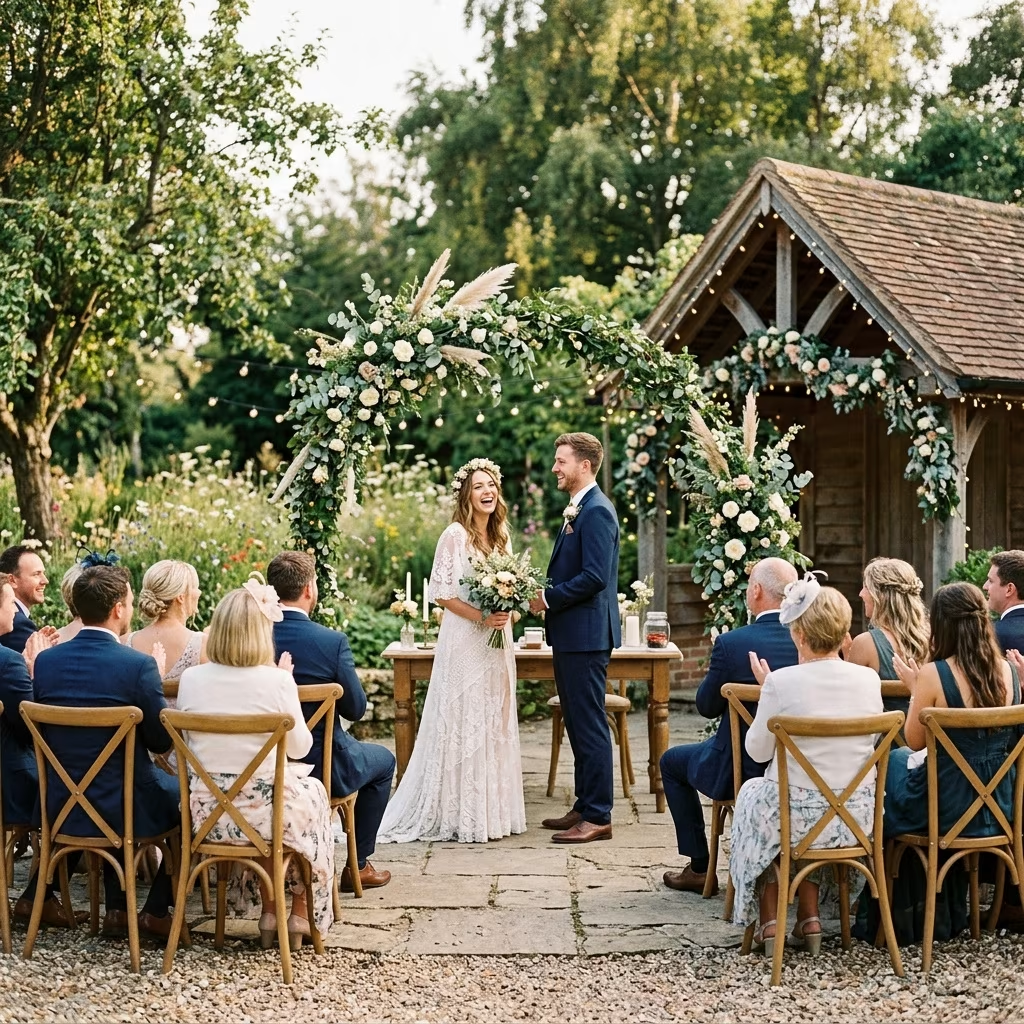
What Is a Micro Wedding?
A micro wedding is a wedding celebration characterized by a smaller guest list (commonly 10–50 people) and a more intimate atmosphere than traditional large-scale events. This wedding trend has gained popularity among couples who want their day to be deeply personal, cost-effective, and relaxed while still preserving essential wedding traditions.
Defining Features of a Micro Wedding
- Guest Count: Typically between 10 to 50 guests. Many couples keep the list to immediate family, closest friends, or both.
- Venue: More flexibility in venue choices (e.g., private homes, gardens, boutique spaces, destination venues).
- Budget: Generally budget-friendly due to fewer guests and less extravagant requirements.
- Formality: Can range from casual to formal, but tends to favor intimate and personalized touches.
Why Couples Choose Micro Weddings
Modern couples increasingly prioritize experiences that reflect their personalities and values. Micro weddings offer an opportunity for more authentic connections, meaningful celebration, and creative freedom in every detail. They are not merely budget alternatives—they are a conscious choice to focus on quality over quantity for one of life’s most significant milestones.
Pros of Having a Micro Wedding
- Greater Intimacy
With a smaller guest list, couples spend more meaningful time with loved ones. The event becomes a chance to genuinely connect, share laughter, and make lasting memories with those who matter most. - More Relaxed Atmosphere
Less social pressure and fewer people allow the couple and guests to be themselves, resulting in a casual, friendly vibe. Anxiety and stress related to entertaining distant relatives or acquaintances are significantly reduced. - Lower Stress and Logistics
Fewer guests mean less complicated planning, easier coordination, and faster decision-making. From seating arrangements to catering, all aspects are streamlined into a much simpler affair. - Cost-Effective
Smaller weddings naturally require a lower budget, allowing couples to allocate resources to things that matter most—premium photography, gourmet catering, or unique décor. The saved money can also go toward personal investments, honeymoons, or future plans. - Venue Options
Micro weddings open up a wider range of venue possibilities, including small restaurants, gardens, private homes, or exotic destinations that aren’t equipped for large crowds. - Flexibility & Creativity
With fewer constraints, couples can personalize every aspect—programs, food, decorations. Changes can be made swiftly, and unique ideas (interactive activities, custom menus) are easier to implement. - Enhanced Guest Experience
Guests feel honored and valued, knowing they are part of an exclusive group. Special touches (personalized favors, tailored activities) make the experience memorable.
Cons of Having a Micro Wedding
- Limited Guest List
Deciding who is invited—and who is not—can lead to difficult conversations. Friends or family not included may feel disappointed or hurt, and absentees are more noticeable. - Perceived Less Formality
Some guests may wrongly assume that a smaller event means it is informal or less significant. Be clear about dress codes and expectations to maintain the desired level of formality. - Departure from Tradition
Traditional wedding elements (large dance floors, bouquet toss) may not fit the micro format. Families expecting classic rituals may need to adjust, leading to discomfort or disagreements on the couple’s choices. - Potential for Less Support
Fewer guests and fewer staff can sometimes mean less help if unexpected issues arise. Carefully review vendor contracts to ensure adequate support on the wedding day. - Not the Classic Big Bash
Couples who have dreamt of a lavish, grand party may find micro weddings less exciting. The event won’t have the sweeping energy of hundreds of guests, which may be a deal-breaker for some.
Comparing Micro Weddings and Traditional Weddings
| Aspect | Micro Wedding | Traditional Wedding |
|---|---|---|
| Guest Count | 10–50 | 100–300+ |
| Budget | Lower, more flexible | Higher, often fixed |
| Atmosphere | Intimate, relaxed | Formal, festive |
| Guest Experience | Personal, tailored | Standard, less personal |
| Venue Options | Wide, unique choices | Large event spaces |
| Tradition | Flexible, often varies | Conventional rituals |
Planning a Micro Wedding: Key Considerations
A well-planned micro wedding can be just as meaningful and memorable as a classic celebration. Here are steps and tips to ensure a great experience.
- Define Your Vision
Decide what matters most: intimacy, creativity, or budget. Identify non-negotiables and personal touches you want to include. - Set Your Budget
Start with a realistic budget based on guest count, venue choices, and personal priorities. Allocate more to elements that matter most (e.g., cuisine, décor, photography). - Handpick Your Guest List
Discuss honestly whom you want to share your day with. Invite closest family and friends who celebrate your love and vision. - Choose Your Venue
Explore unique spaces that fit the scale—such as restaurants, gardens, small halls, or destination spots. Consider logistics like location, accessibility, and ambiance. - Personalize the Experience
Create custom elements—handwritten notes, personalized favors, bespoke décor, unique seating arrangements—to make guests feel special. - Communicate Clearly
Set expectations regarding formality, attire, and schedule. Address any conflicts or discomfort with sensitivity and transparency. - Hire the Right Vendors
Select vendors who specialize in intimate events. Review contracts carefully and ensure you have adequate support for service and emergencies. - Enjoy the Day
Focus on being present. With fewer guests, schedule time for personal reflection, couple moments, and guest interactions.
Common Myths About Micro Weddings
- Myth 1: “Micro weddings aren’t real weddings.”
Reality: A micro wedding is a fully-fledged event with ceremony, celebration, and traditions—only more intimate. - Myth 2: “Smaller weddings are always less formal.”
Reality: Couples can set any tone they prefer—from black-tie to casual garden party. - Myth 3: “Micro weddings leave out important people.”
Reality: While some guests may not attend, those most meaningful to the couple are prioritized. - Myth 4: “You can’t have wedding traditions in a micro wedding.”
Reality: Most traditions can be adapted, and new ones may emerge that feel more personal and meaningful.
How to Handle Guest List Sensitivities
One of the toughest aspects of micro wedding planning is guest selection. To minimize hurt feelings and misunderstandings, consider these tips:
- Set Clear Criteria
Define the reasoning behind your chosen number (e.g., immediate family only, lifelong friends). - Communicate Early
Let non-invitees know your plans up front to avoid surprise or disappointment. - Consider A Virtual Component
Offer live-streaming options or post-event gatherings for those not physically present. - Personalize Your Message
Convey care and consideration in communications—explain that the choice is about intimacy and meaning, not exclusion.
Micro Wedding Ideas and Inspirations
- Destination Micro Wedding: Host your wedding on a scenic beach or mountain spot with only close family and friends.
- Themed Celebrations: Personalize with your favorite colors, hobbies, or shared interests—such as a garden party or vintage soirée.
- Creative Catering: Opt for gourmet, personalized menus or intimate tasting flights rather than mass-prepared banquets.
- Unique Activities: Include interactive activities like wine tasting, trivia games, storytelling sessions, or personalized photo booths.
- Customized Favors: Give each guest something truly personal—a hand-lettered note, artisan chocolates, or custom artwork.
Frequently Asked Questions (FAQs) About Micro Weddings
Q: How many guests should be invited to a micro wedding?
A: Most micro weddings include 10–50 people, but the exact number depends on your preferences and venue limitations.
Q: Are micro weddings less expensive than traditional weddings?
A: Yes. Fewer guests typically mean lower costs for catering, venues, and décor, allowing you to prioritize quality over quantity.
Q: Can we still have traditional wedding elements in a micro wedding?
A: Absolutely. You can incorporate ceremony rituals, first dances, toasts, and more—just tailor them to fit your guest count and atmosphere.
Q: How do we limit our guest list without offending friends and family?
A: Communicate openly and honestly about your goals for intimacy. Consider hosting post-event celebrations or sharing your ceremony digitally.
Q: What are popular venues for micro weddings?
A: Small restaurants, private gardens, boutique hotels, and destination spots are all trendy options. Venue choice is more flexible due to smaller groups.
Final Thoughts
Micro weddings are more than a trend—they’re a reflection of shifting values in modern celebrations. Couples choosing this path are rewarded with intimacy, flexibility, and possibilities for creativity, but must also navigate the challenges of limited guest lists and family expectations. With thoughtful planning, clear communication, and heart, a micro wedding can be as joyful and memorable as any grand bash.
References
- https://www.wedding.film/wedding-planning/micro-wedding-vs-traditional/
- https://simplyeloped.com/blog/power-of-microwedding/
- https://hoopesevents.com/wedding-wisdom/micro-weddings-pros-and-cons
- https://amavievents.ca/the-pros-and-cons-of-having-a-micro-wedding/
- https://thewed.com/magazine/micro-weddings-pros-and-cons
- https://photographybyjameswhite.com.au/micro-weddings-why-would-you-do-one-pros-and-cons/
- https://northtahoeevents.com/pros-and-cons-of-having-a-small-wedding-lake-tahoe-micro-wedding-edition/
- https://www.microwedcollective.com/blog/what-is-a-micro-wedding


