


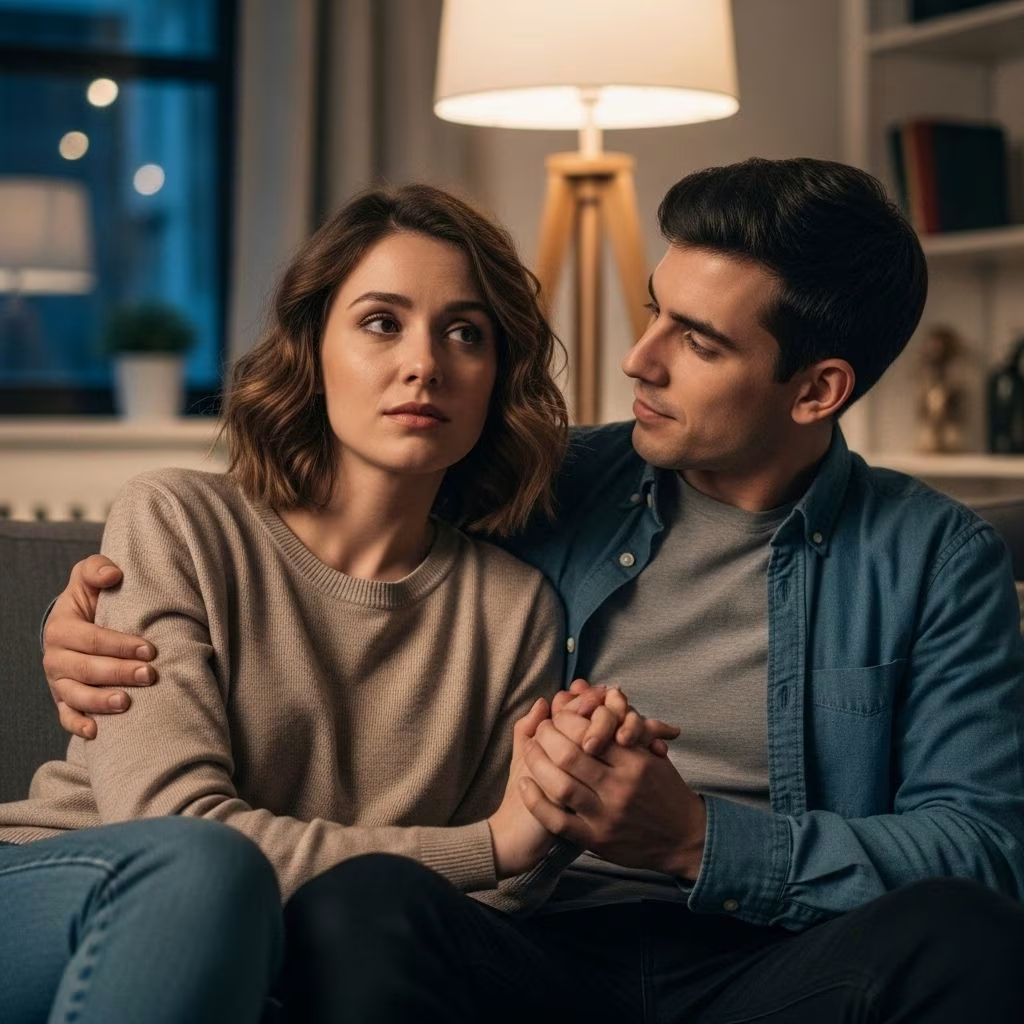
Introduction to the Delicate Art of Expressing Love
Expressing love for the first time can be a daunting experience, filled with vulnerability and anticipation. It’s a moment that often requires courage and openness. In many relationships, one partner may say “I love you” before the other, leading to a range of emotional responses and potential implications for the relationship dynamics.
1. The Vulnerability of Saying ‘I Love You’ First
Saying “I love you” first puts the speaker in a highly vulnerable position. This act requires trust and openness, as the speaker risks rejection or misunderstanding. Matchmaker Joann Cohen emphasizes this vulnerability, highlighting the courage it takes to be the first to express such profound emotions.
2. Fears That Prevent Expressing Love First
For some individuals, not being the first to say “I love you” may stem from deeper fears or insecurities. Florrie Barron, a staff therapist at the New York institute Blanton-Peale, notes that fear of rejection can be a significant barrier. This fear can lead to communication issues later in the relationship if not addressed.
3. Your Partner Was More Into You Than You Thought
When your partner says “I love you” first, it might indicate that they felt love more intensely or earlier in the relationship. This disparity in emotional intensity can lead to mismatches in expectations or emotional needs, suggests counselor David Bennett. It’s crucial to communicate openly about these differences to avoid misunderstandings.
4. Your Partner Is More Extroverted and Assertive
Expressing love first can also reflect a person’s extroverted and assertive nature. These individuals tend to be more open about their feelings and thoughts, which can be beneficial in relationships by reducing the need for mind-reading and promoting clear communication.
5. There’s Nothing to Worry About
Ultimately, who says “I love you” first may not hold significant long-term implications. What matters most is that both partners genuinely love each other and express it regularly. Many strong couples may not even recall who initiated this verbal expression of love.
6. Further Considerations: Building a Stronger Relationship
Beyond the initial expression of love, building a strong relationship involves mutual respect, trust, and open communication. Saying “I love you” is just the beginning; it’s the ongoing effort to nurture these feelings that truly matters.
7. How to Respond When You’re Not Ready
If your partner says “I love you” before you’re emotionally prepared, it’s essential to respond with kindness and honesty. Explain your feelings without feeling pressured to reciprocate immediately. Being clear about your emotions and acknowledging your partner’s expression of love can help maintain a positive dynamic in the relationship.
Frequently Asked Questions (FAQs)
Q: What if my partner says “I love you” first and I’m not ready to say it back?
A: Be honest and open about your feelings. Let your partner know you appreciate their expression of love and are working on understanding your emotions.
Q: Does being the second to say “I love you” affect relationship dynamics?
A: It can, but it largely depends on how the situation is handled. Open communication and mutual understanding are key to maintaining a healthy relationship.
Q: How can I express love if I’m not the first to say it?
A: You can express love in many ways beyond verbal affirmation. Actions, gestures, and quality time can all convey deep affection and care.
Conclusion: The Path Forward
While being the first or second to say “I love you” can carry significant emotional weight, it’s the ongoing effort to maintain a connection and communicate openly that truly matters in relationships. Embracing vulnerability and fostering a culture of honesty and mutual respect can lead to stronger, more resilient relationships.
References
- https://www.bustle.com/p/how-to-respond-when-your-partner-says-i-love-you-before-youre-ready-68591
- https://www.bustle.com/p/7-things-it-means-for-your-relationship-if-you-werent-the-first-one-to-say-i-love-you-15544026
- https://psychcentral.com/relationships/when-to-say-i-love-you
- https://www.cosmopolitan.com/sex-love/a14393851/how-guys-know-when-to-say-i-love-you/
- https://www.bustle.com/wellness/when-to-say-i-love-you
- https://www.bustle.com/articles/124987-6-things-couples-should-do-before-i-they-say-i-love-you
- https://thetouchpointsolution.com/blogs/press/7-signs-your-idea-of-romance-is-actually-sabotaging-your-love-life


