


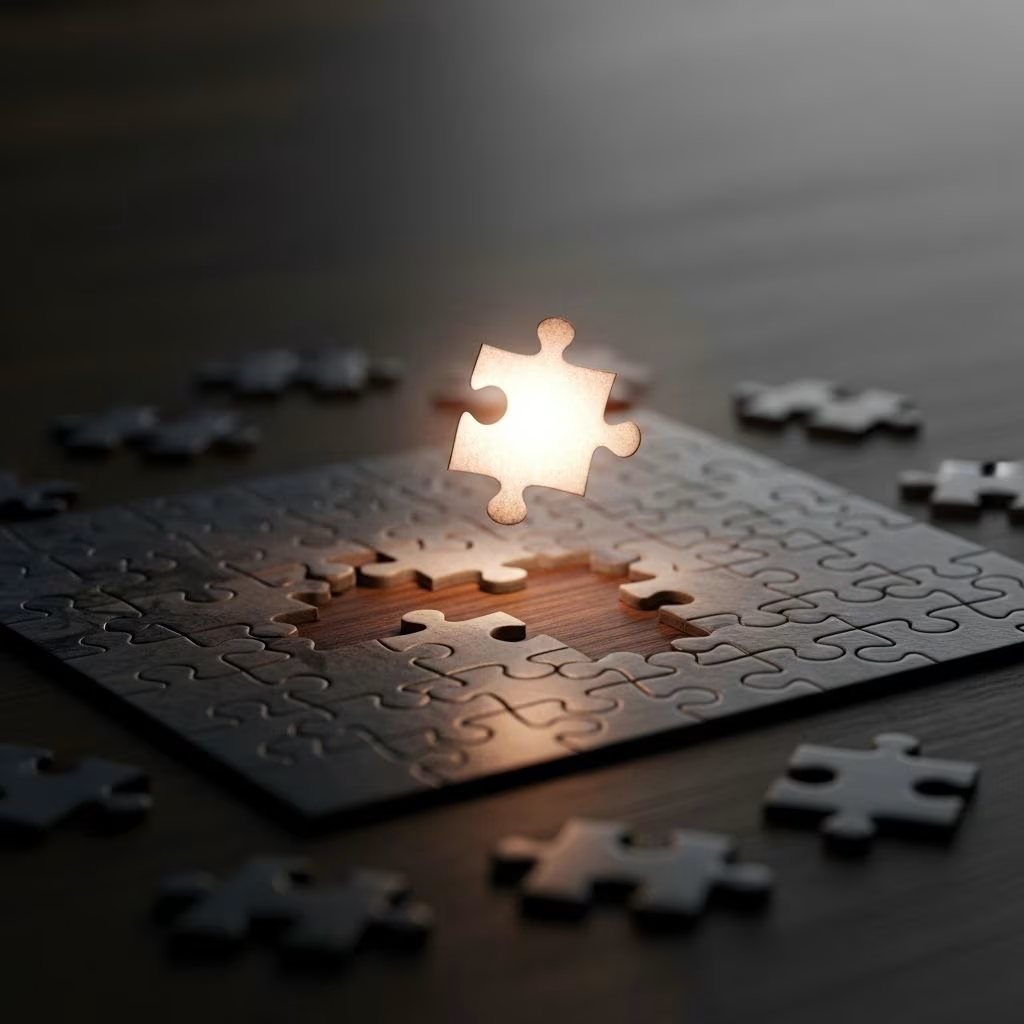
The Missing Piece in Relationships: Why Wholeness Matters More Than Romance
Many people spend years searching for the perfect relationship, only to find themselves stuck in cycles of disappointment or heartbreak. What if the most important ingredient for lasting connection was not a great partner, shared activities, or passionate chemistry—but something much deeper and often overlooked: wholeness within ourselves? This article explores why so many relationships feel like they’re missing something essential, and how finding self-completeness is the key to authentic connection and love.
Why We Keep Looking for a Missing Piece
It’s a familiar story: after a breakup, or in the quiet moments of an ongoing relationship, you sense that something isn’t right. There’s a nagging emptiness, a longing for more, or a recurring dissatisfaction that can’t be fixed by romantic gestures or even therapy. We search for partners who will complete us, expecting the right person will fill our internal voids. Yet, relationship after relationship, the same feeling returns.
The real issue often isn’t about the wrong partner or bad timing—it’s about seeking externally for something that only exists within.
- We want to be understood, but don’t always understand ourselves.
- We crave closeness, but often feel alone even while together.
- We look for someone to heal our wounds, when true healing requires self-acceptance.
This cycle repeats until we ask a pivotal question: What am I truly looking for in another person? And more importantly, why am I not enough for myself first?
The Myth of the Missing Piece
Western culture loves the idea of “finding your other half.” From romantic movies to popular songs, the message is: you are incomplete until you find ‘the one.’ This mentality sets us up for serial disappointment. Partner selection becomes a search not for a companion or an equal, but a desperate attempt to patch up our internal sense of lack.
The ‘missing piece’ myth distorts what relationships are really about. Instead of growing with another whole person, we look for someone to ‘save’ us, validate us, or make us feel whole. The result? The perpetuation of unbalanced, dependent, or unfulfilling relationships.
- Dependency: Seeking a partner to make us feel worthy or happy keeps us trapped in cycles of anxiety and dissatisfaction.
- Unrealistic Expectations: No individual can fix wounds or fill voids created long before they arrived.
- Lost Identity: We risk becoming an extension of our relationships, losing sight of who we truly are.
Personal Fulfillment Comes First
Before we can truly connect with someone else, we must first build a sense of fulfillment within ourselves. Being “whole” means:
- Accepting ourselves—flaws, wounds, strengths, and all.
- Pursuing passions, interests, and friendships that bring personal joy.
- Creating a life that feels rich and meaningful, regardless of relationship status.
Without self-fulfillment, each new romance becomes another attempt to escape loneliness, boredom, or low self-esteem. These patterns don’t change until we look inward, develop self-compassion, and learn to embrace solitude as an opportunity, not a punishment.
The Trap of Losing Yourself in Love
It’s common to hear about people who throw themselves completely into relationships—sometimes to the point of losing their sense of self.
- Revolving Your Identity Around a Partner: Some individuals start living for someone else, modeling every action and future plan around the other person, causing them to drift further from their own goals and desires.
- After Breakup Emptiness: When these relationships end, what’s left is not just heartbreak, but confusion—who am I without this relationship? This signals a lack of internal foundation that healthy partnerships require to thrive.
Recovering from such dynamics involves a process of self-rediscovery—figuring out likes, dislikes, values, and boundaries all over again. Building a fulfilling relationship with ourselves is the prerequisite to healthy, balanced love with someone else.
Why Relationships Should Enhance, Not Complete, Your Life
The healthiest relationships are not crutches or escape routes, but partnerships between two fulfilled, autonomous individuals. A relationship should not complete you; it should add to the life, happiness, and confidence you’ve already cultivated.
| Relationship Based on Wholeness | Relationship Based on Need |
|---|---|
| Mutual respect for individuality | Anxiety about losing the other |
| Shared growth and support | Using the relationship to escape loneliness |
| Two complete people coming together | Trying to fill an emotional void |
| Freedom to leave without losing your sense of self | Fear of being alone drives the connection |
When two people see each other as wants rather than needs, their connection deepens without dependency or fear. The relationship becomes a place for mutual growth, not a crutch.
Recognizing When the Problem Isn’t the Relationship
Many people blame their partner, circumstances, or bad luck when their love life feels unsatisfying. Sometimes, though, the true issue is internal. Signs you might be searching for the missing piece externally include:
- Persistent emptiness or dissatisfaction, even with a caring partner.
- Repetition of the same problems across multiple relationships.
- An inability to enjoy solitude; feeling “less than” unless attached.
- Expecting a partner to heal, rescue, or provide meaning to your life.
Recognizing these signs is the first step to changing course and investing in your own growth and healing.
Becoming Whole: How to Fill the Gap Within
So what does wholeness look like in practice? It doesn’t mean being perfect or never wanting connection. Instead, it’s about building a self-sustaining base of happiness, joy, and purpose that no external relationship can replace—or threaten.
- Invest in Your Passions: Pursue activities and goals that fulfill you outside of relationships.
- Cultivate Self-Compassion: Learn to be gentle and forgiving with yourself. Accept your imperfections; they do not diminish your worth.
- Practice Emotional Independence: Develop coping strategies and healthy outlets for stress, sadness, or loneliness, so you don’t rely on a partner for all your emotional needs.
- Embrace Solitude: Allow quiet moments alone to foster self-discovery. The ability to enjoy your own company is the foundation of relational health.
- Set Healthy Boundaries: Relationships should complement rather than consume your identity. Honoring limits preserves your sense of self.
What Authentic Love Looks Like Between Two Whole People
When both people come to a relationship as their own person, magic happens. The partnership amplifies, rather than creates, joy and meaning. The hallmarks of such authentic connection include:
- Healthy interdependence, where both partners support each other’s growth.
- A relationship that is additive, not compensatory—the cherry on top, not the whole cake.
- The freedom to pursue separate interests, with trust and respect for individual needs.
- Resilience in the face of challenges, because self-worth is not tied solely to the partnership.
This level of connection is only possible when neither person expects the other to fix, rescue, or “complete” them.
Overcoming Common Roadblocks to Self-Completeness
Becoming whole isn’t an overnight process. Along the way, most people face obstacles such as:
- Fear of Loneliness: Solitude can be uncomfortable at first, but learning to enjoy your own company is transformative.
- Cultural Conditioning: Messages that equate singlehood with lack or failure are pervasive. Recognize and challenge these beliefs.
- Old Emotional Wounds: Past trauma, rejection, or abandonment issues may lead us to seek external validation. Therapy, mindfulness, and supportive friendships can help with healing.
Wholeness in Practice: Simple Daily Habits
- Start each day with affirmations focused on your inherent worth.
- Engage in solo hobbies or activities you love—reading, cooking, art, fitness.
- Journal about what brings you joy, and track small wins in self-growth.
- Reach out to friends or family not just for support but for shared moments of connection that feed your soul.
- Regularly check in with yourself: What do I need today? What am I proud of?
The Bigger Truth: No One Can Be Your Missing Piece
If you’ve internalized the idea that a partner must complete you, it’s time to rewrite the script. The real missing piece isn’t a person—it’s the sense of wholeness and fulfillment only you can give yourself. Once you build that base, every relationship can be entered as a choice rather than a desperate need.
Frequently Asked Questions (FAQs)
What does it mean to be ‘whole’ before entering a relationship?
Being ‘whole’ means feeling fulfilled, worthy, and content in your own right—without needing someone else to validate or rescue you. It reflects emotional maturity, self-knowledge, and the ability to be happy alone or with others.
Is it normal to feel lonely when single?
Yes—occasional loneliness is a natural human experience, but chronic feelings of emptiness signal a need for deeper self-connection and self-care. The goal is to cultivate a life where solitude can be enjoyable, not just tolerable.
Can a relationship help me heal old emotional wounds?
Supportive relationships can provide comfort and stability, but true healing comes from facing and processing your own pain. Depending on someone else for healing can place unhealthy pressure on the partnership.
What should I do if I’ve lost myself in a relationship?
Take time to rediscover your interests, friendships, and goals. Therapy, journaling, and time alone can help you reconnect with your authentic self before re-engaging in romance.
Are there signs that I need to focus more on self-completeness?
Signs include repeated relationship dissatisfaction, difficulty being alone, or frequently seeking validation from others. These patterns suggest it’s time to invest in your own growth and self-love.
Final Thoughts: Rewriting the Love Story
The idea that another person is the ‘missing piece’ in your puzzle is one of the most persistent—and damaging—myths about relationships. True connection flourishes when two whole people come together by choice, not necessity. By cultivating wholeness, embracing solitude, and seeking fulfillment from within, you become the partner you always wanted—and attract deeper, more resilient love in return.
References
- https://www.elitesingles.co.uk/em/from-single-to-couple/ending-a-relationship
- https://www.youtube.com/watch?v=7DE-F3j-PVo
- https://www.elitedaily.com/p/i-spent-most-of-my-20s-in-a-relationship-that-didnt-work-out-heres-why-it-wasnt-a-waste-2906660
- https://www.elitedaily.com/dating/how-a-breakup-helped-me-find-who-i-am/1527364


