


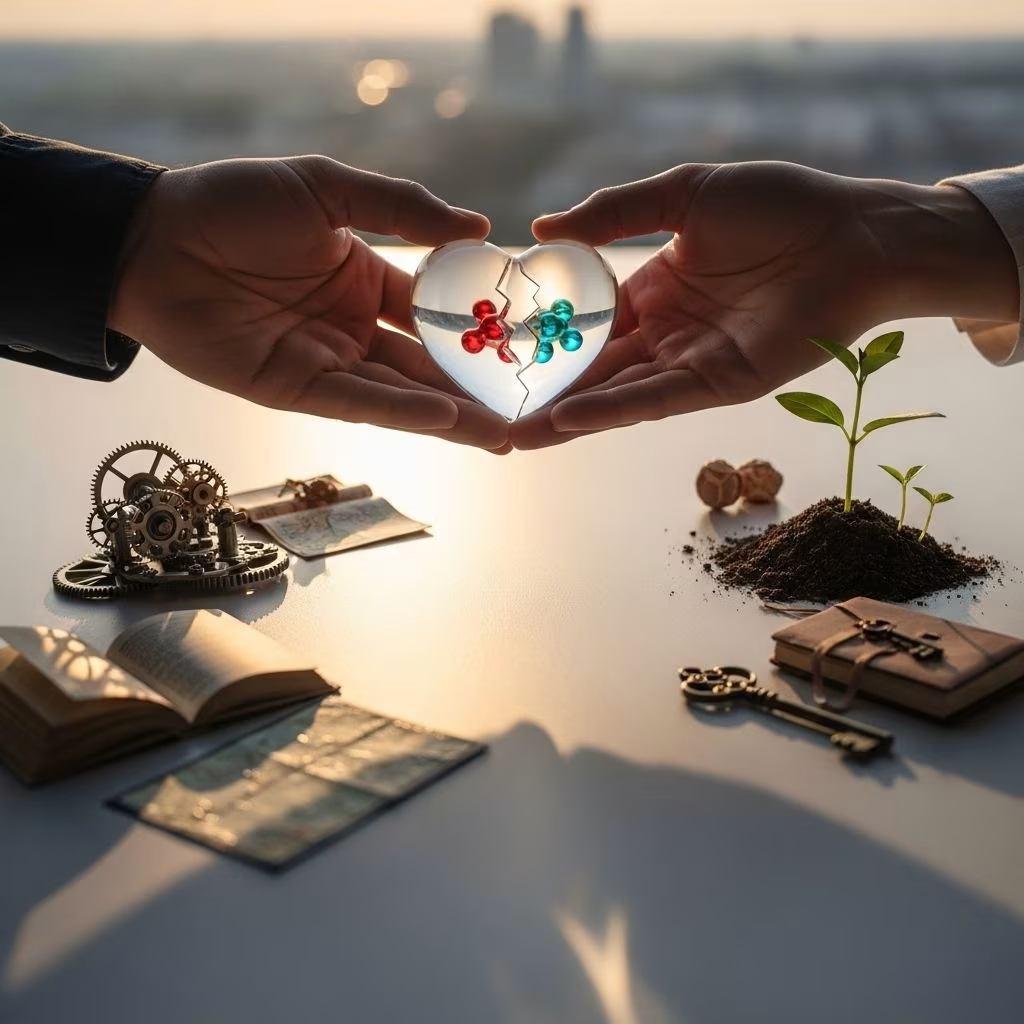
We’ve all experienced it—that magnetic pull toward someone that feels utterly irresistible. The racing heart, the constant thoughts, the desire to be near them at all costs. Chemistry is intoxicating, exciting, and often viewed as the golden ticket to relationship success. Yet despite its power, chemistry alone rarely translates into the healthy, lasting partnership we crave.
The uncomfortable truth many of us learn through painful experience is that the people we feel the strongest chemistry with are often the ones who hurt us most. They become the relationships we stay in far too long, ignoring red flags and sacrificing our own needs in pursuit of that addictive feeling. Understanding why this happens—and what to prioritize instead—can transform how we approach love entirely.
The Seductive Power of Chemistry
Chemistry feels like fate. When you meet someone and experience that instant connection, it’s easy to believe you’ve found “the one.” Your body responds before your mind can catch up, flooding you with feelings of excitement, desire, and possibility. This biological response is so powerful that it can override logic, intuition, and even our own self-preservation instincts.
Many people describe meeting someone with intense chemistry as a moment frozen in time. You might remember exactly what they were wearing, the way they smiled, or the instant knowing that this person would be significant in your life. That recognition feels profound and meaningful, as though the universe is speaking directly to you.
The problem arises when we mistake this feeling for a guarantee of compatibility. Chemistry tells us about attraction and biological connection, but it reveals nothing about whether someone will respect our boundaries, meet our emotional needs, or show up consistently in the relationship. Yet we often act as though chemistry is the ultimate litmus test for partnership potential.
The Science Behind the Attraction
According to anthropologist Helen Fischer, what we call chemistry is actually a complex mixture of hormones and neurotransmitters working together. Specifically, testosterone and estrogen combine with dopamine and serotonin to create the feelings we associate with attraction and infatuation. Fischer’s research identifies four distinct personality types, each characterized by different hormonal and neurochemical profiles.
The Explorer personality type is defined by high dopamine activity. These individuals tend to be adventurous, novelty-seeking, and highly creative. They thrive on new experiences and spontaneity.
The Builder operates with high serotonin activity, making them cautious, conventional, and often excellent at managing details and creating structure. They value tradition and stability.
The Director is characterized by elevated testosterone levels, resulting in aggressive, single-minded, and analytical tendencies. They’re driven by achievement and competence.
The Negotiator shows more estrogen influence, leading to empathetic, idealistic, and big-picture thinking patterns. They excel at seeing multiple perspectives and creating harmony.
These biological factors explain part of why we feel drawn to certain people. Our hormones and neurotransmitters are literally creating a chemical reaction when we encounter someone whose profile complements or mirrors our own.
The Deeper Psychology at Play
Beyond the biological chemistry lies something even more influential: psychological chemistry. This operates on a subconscious level and is rooted in our childhood experiences and attachment patterns. We unconsciously seek out partners who mirror aspects of our early caregivers, particularly in the ways they failed to meet our needs.
This pattern exists because our psyche is attempting to heal old wounds. If a parent was emotionally unavailable, we might find ourselves intensely attracted to emotionally distant partners. If a caregiver was unpredictable, we might feel chemistry with someone who keeps us guessing. The unconscious logic is that if we can get this person to love us properly, we can retroactively heal the original wound.
The cruel irony is that these partnerships rarely provide the healing we seek. Instead, they often recreate the original pain, leaving us frustrated and heartbroken while still feeling unable to walk away. The chemistry keeps us hooked, even as the relationship dynamics make us miserable.
Sometimes we recognize this pattern immediately. Our intuition sends clear warning signals that something isn’t right, that this person will hurt us. Yet we move forward anyway, overriding our better judgment because the attraction feels too powerful to resist. Other times, the pattern reveals itself gradually as the relationship unfolds and familiar dynamics begin to emerge.
When Chemistry Becomes a Trap
The danger of prioritizing chemistry above all else becomes clear when we examine what it causes us to overlook. When consumed by intense attraction, we often fail to observe crucial aspects of a potential partner’s character and behavior. We don’t take time to assess whether they treat us with respect, whether they’re genuinely interested in our needs and feelings, or whether their actions match their words.
Instead, we rush from single to coupled within days or weeks, driven by the urgency that chemistry creates. We mistake intensity for intimacy and confuse excitement with compatibility. The relationship becomes established before we’ve properly evaluated whether this person is actually good for us.
This pattern can repeat across multiple relationships. You might find yourself consistently attracted to the same type of person—kind and honest on the surface, but fundamentally more concerned with their own needs than yours. You settle for crumbs of affection because the chemistry convinces you that their love, even in limited quantities, is enough. It never is.
The most telling sign that chemistry has become a trap is when you find yourself lying next to someone, your body craving their physical presence, while simultaneously thinking, “I really don’t like you very much.” This disconnect between physical attraction and emotional compatibility creates profound internal conflict and keeps people stuck in relationships that don’t serve them.
The Cost of Chemistry-Driven Relationships
Staying in a relationship primarily because of chemistry exacts a significant toll. You sacrifice your sanity, your security, and your legitimate needs in service of maintaining that connection. You accept being treated as an option rather than a priority. You tolerate behaviors and dynamics that leave you feeling unfulfilled, frustrated, or actively unhappy.
The highs that chemistry provides are undeniably amazing. Those moments of connection, passion, and feeling utterly alive can be transcendent. But chemistry-driven relationships are characterized by dramatic swings between extreme highs and devastating lows. This emotional rollercoaster becomes exhausting and destabilizing over time.
Perhaps most damaging is the way chemistry can prevent us from advocating for ourselves. When we believe we’re lucky to have someone’s attention, we fail to voice our needs or set appropriate boundaries. We accept treatment we would never tolerate from a friend because the chemistry convinces us that this relationship is special, different, worth the sacrifice.
This dynamic isn’t entirely the other person’s fault. They may not even realize our needs aren’t being met if we never communicate them. We bear responsibility for settling, for staying silent, for accepting less than we deserve. But chemistry makes it nearly impossible to see the situation clearly or to take the necessary steps to protect ourselves.
Finding Balance Between Chemistry and Compatibility
None of this means chemistry should be completely dismissed or that you should choose partners you feel no attraction toward. Chemistry can be wonderful when it exists within the context of a fundamentally healthy relationship. The key is learning to view it as one factor among many rather than the determining factor.
A sustainable relationship requires more than just attraction. It needs mutual respect, aligned values, emotional availability, consistent behavior, and genuine care for each other’s wellbeing. These elements create the foundation that allows love to deepen and mature over time, long after the initial chemical rush has faded.
The challenge is learning to pause when you feel intense chemistry and give yourself time to observe. How does this person treat you when you’re not together? Do they follow through on commitments? Are they interested in your thoughts, feelings, and experiences? Can you be yourself around them, or do you feel pressure to be someone else?
These questions are difficult to answer honestly when chemistry is clouding your judgment. They require the willingness to potentially walk away from someone you’re intensely attracted to if they don’t demonstrate the qualities necessary for a healthy partnership. This takes tremendous courage and self-awareness.
Building Conscious Relationships
The alternative to chemistry-driven relationships is conscious partnership. This doesn’t mean settling for someone you feel no attraction toward, but rather choosing to build relationships on a foundation broader than physical and emotional chemistry alone.
Conscious relationships require both partners to recognize their individual patterns and wounds. When we understand that our childhood experiences influence who we’re attracted to and how we behave in relationships, we can begin to make different choices. We can notice when we’re repeating old patterns and consciously choose to respond differently.
This approach means being willing to feel uncomfortable. It might mean dating someone who doesn’t give you that instant chemical rush but who treats you with consistent respect and care. It might mean staying single longer while you work through your own patterns rather than jumping into the next intense but ultimately unhealthy connection.
Conscious relationships also don’t require perfection. You don’t need to have healed all your wounds or to find someone who has healed all of theirs. What matters is that both partners are committed to growth, willing to examine their behaviors and beliefs, and dedicated to building something healthy together.
Red Flags to Watch For
Learning to recognize warning signs early can prevent months or years of pain in chemistry-driven relationships. If someone is emotionally unavailable, inconsistent in their communication, unwilling to discuss the relationship’s direction, or treats you as an option rather than a priority, these are serious concerns regardless of how strong the chemistry feels.
Pay attention to your intuition. If you feel anxious, uncertain, or like you’re constantly working to earn someone’s affection, the relationship likely isn’t healthy. If you find yourself making excuses for someone’s behavior or explaining away treatment that bothers you, chemistry may be overriding your better judgment.
Notice whether you can be authentic in the relationship. Do you feel safe expressing your needs, feelings, and boundaries? Or do you constantly censor yourself for fear of pushing the person away? Healthy relationships create space for both partners to be fully themselves.
Moving Forward Differently
Breaking the cycle of chemistry-driven relationships requires conscious effort and often support from others. Therapy can help you understand your attachment patterns and identify the wounds driving your attractions. Friends and family can provide perspective when you’re too caught up in chemistry to see clearly.
Practice slowing down when you meet someone new. Resist the urge to immediately jump into a relationship, no matter how strong the chemistry. Give yourself weeks or months to observe how they behave, how they treat you, and whether they demonstrate the qualities you need in a partner.
Work on building your self-worth independent of romantic relationships. When you feel secure in your own value, you’re less likely to accept crumbs of affection or to stay in relationships that don’t serve you. You recognize that you deserve someone who actively chooses you and prioritizes your needs.
Remember that chemistry can develop over time. Sometimes the most lasting relationships start with moderate attraction that deepened as you get to know someone’s character, values, and way of being in the world. Don’t write someone off simply because you don’t feel immediate fireworks.
The Path to Lasting Love
Ultimately, the relationships that last are built on more than chemistry. They’re founded on mutual respect, shared values, emotional compatibility, and the conscious choice to show up for each other even when it’s difficult. Chemistry may be what brings two people together initially, but it’s never what keeps them together long-term.
Learning this lesson often requires painful experiences. Most people need to have their heart broken by someone they had intense chemistry with before they’re willing to prioritize different qualities in future partners. But each experience provides valuable information about your patterns and what you truly need to be happy.
The goal isn’t to eliminate chemistry from your relationship criteria, but to put it in proper perspective. View it as one ingredient in a much larger recipe for lasting love. When chemistry exists alongside compatibility, respect, and conscious commitment, it can enhance and deepen a partnership. But chemistry alone, no matter how powerful, will never be enough to sustain a healthy relationship over time.
Frequently Asked Questions
Q: Can chemistry develop over time if it’s not there initially?
A: Yes, chemistry can absolutely develop as you get to know someone better. Many lasting relationships report moderate initial attraction that deepened significantly as emotional intimacy grew. Physical attraction often increases when you respect, admire, and feel connected to someone on deeper levels.
Q: How do I know if I’m settling or if I’m being too picky about chemistry?
A: You’re settling if you feel no attraction whatsoever or if you’re choosing someone primarily for practical reasons while feeling repelled by them physically. You’re being too picky if you’re dismissing otherwise wonderful partners solely because they don’t create instant fireworks. Look for moderate attraction combined with strong compatibility.
Q: Why do I keep attracting the same type of emotionally unavailable person?
A: This pattern typically stems from childhood attachment experiences. You’re unconsciously drawn to people who mirror your early caregivers’ unavailability because your psyche is trying to heal old wounds. Therapy can help you identify and change these patterns so you can choose healthier partners.
Q: Should I stay in a relationship with strong chemistry but frequent conflict?
A: Strong chemistry paired with frequent conflict often indicates incompatibility or unhealed trauma being triggered. If both partners are willing to do conscious work on themselves and the relationship, it can improve. However, if the conflict is constant and either partner is unwilling to grow, chemistry alone isn’t sufficient reason to stay.
Q: How long should I wait before committing to someone I’m dating?
A: Give yourself at least several months to observe how someone behaves consistently across different situations. Notice how they treat you when things are difficult, how they handle conflict, whether they follow through on commitments, and whether they demonstrate genuine interest in your wellbeing. Don’t rush commitment based on initial chemistry alone.
References
- https://tinybuddha.com/blog/strong-chemistry-doesnt-always-lead-strong-relationship/
- https://tinybuddha.com/blog/how-to-create-a-healthy-and-lasting-romantic-relationship/
- https://www.instagram.com/p/DOo_aCpDGup/?hl=en
- https://tinybuddha.com/topic/totally-stuck-not-sure-what-to-do-in-relationship/
- https://www.instagram.com/reel/CqrBhyFgykX/
- https://tinybuddha.com/topic/what-are-you-tolerating-in-your-relationship/
- https://www.instagram.com/p/DB7eR6svzwE/


