


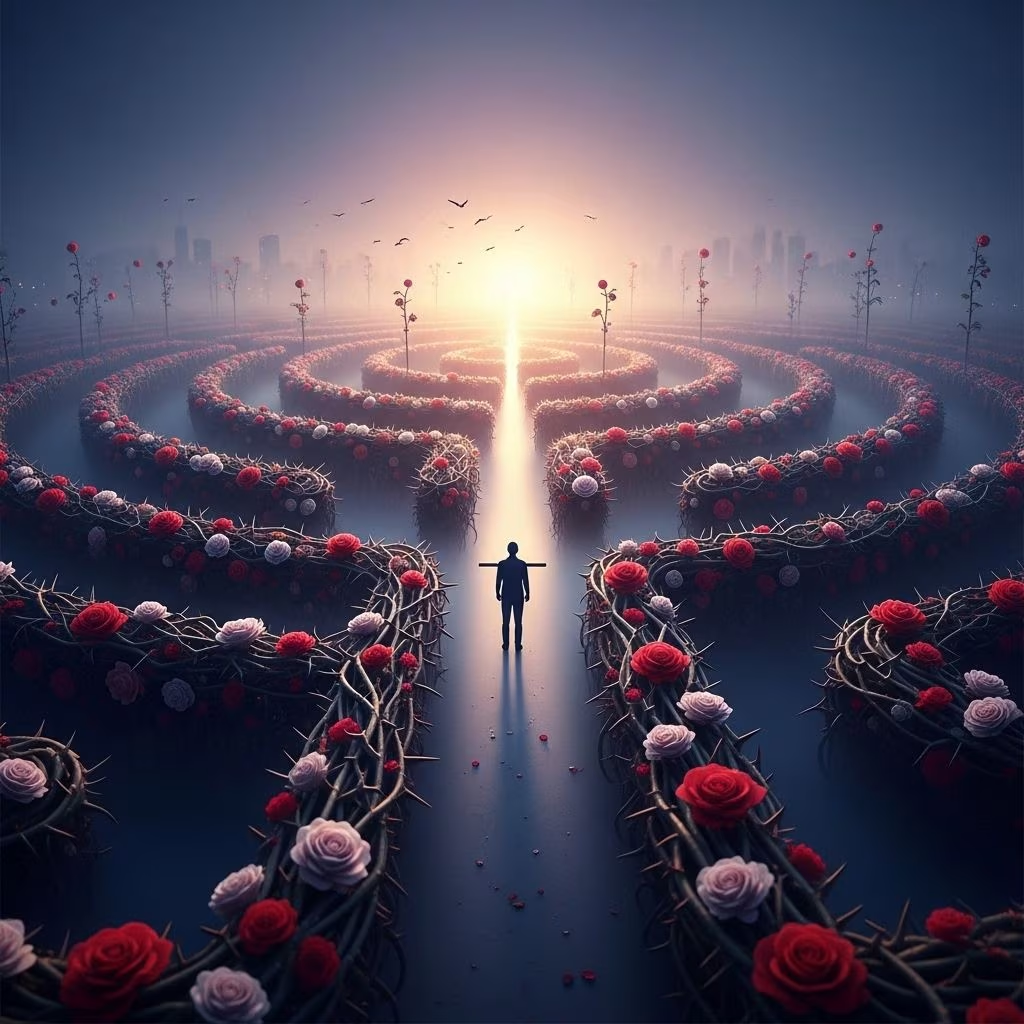
Why I Got Lost in the Drama of an On-and-Off Relationship
Most people dream of a relationship filled with warmth, trust, and joy. Yet, so many find themselves mired in the tumult of an on-and-off relationship, where each chapter feels more dramatic than the last. If you’ve ever felt both exhilarated and exhausted by the same partner, you’re not alone. In this article, I will walk you through my personal journey—why I got caught in the cycle, the emotional roots that fueled the drama, and how understanding myself became the key to breaking free.
Early Days: The Highs That Hooked Me
When my relationship with Dave began, it was nothing short of electric. We spent hours in deep conversation, explored new places around Los Angeles, exchanged gifts, and grew close fast. The chemistry was undeniable. But in all that passion, something crucial was missing—authentic trust. Instead of building a foundation, we were carried away by intensity. The ‘honeymoon’ phase, for us, was more like a flash fire: quick, powerful, ultimately unsustainable.
Within weeks, cracks appeared. Jealousy, suspicion, and controlling behavior started to eclipse the affection. I noticed Dave becoming accusatory and monitoring. Underneath all the grand gestures, I felt like he wanted to own me, not truly know me. Yet, I stayed—even as my sense of self began to erode.
Why Did I Get Stuck? Four Insights That Changed Everything
Only in reflection did I understand why I was so vulnerable to this cycle. Here are the four essential reasons:
1. Life Before Was Stagnant and Unfulfilling
I wasn’t happy with my career or my direction. I was bored and uncertain, at a crossroads emotionally and professionally. This made me exceptionally susceptible to the distraction and stimulation that relationship drama provided. The highs and lows made my days feel exciting and meaningful, even if the cost was my peace of mind.
- Drama as Stimulation: When life feels empty or directionless, intense relationships can fill the void and provide an artificial sense of purpose and energy.
- Distraction from Reality: Emotional turbulence becomes a way to avoid facing deeper personal dissatisfaction.
2. Pain Was Painfully Familiar
Despite the obvious red flags, I rationalized Dave’s behavior. It felt somehow normal, or even deserved. Looking back, this pattern echoed my childhood experiences—my parents frequently shamed or invalidated me. As an adult, I gravitated toward partners who provided a similar emotional environment, even though it hurt.
- Learned Patterns: If you grew up in an environment of criticism or conditional love, you might subconsciously seek partners who offer the same emotional climate.
- Comfort in the Painful: Pain can feel familiar—and thus, ironically—safe. Enduring and surviving it becomes part of your identity.
3. The Illusion of Redemption
Every time we broke up and reconciled, I believed that this time would be different. The hope that love (or my efforts) could transform him, or that the relationship would finally stabilize, kept me invested. Each cycle of makeup and breakup offered a new chance for the narrative to change, for the pain to pay off.
- Cycle of Hope: Each reunion felt like a ‘win’, reinforcing my investment.
- Redemptive Fantasy: The belief that the relationship’s struggles would one day lead to a triumphant, lasting partnership.
4. Addiction to the Highs and Lows
There’s a unique adrenaline rush that comes from reconciling after conflict. The emotional rollercoaster became my normal. I realized I had developed an addiction—not just to Dave, but to the drama itself.
- Emotional Addiction: The lows felt catastrophic, but they made the highs feel ecstatic. This chemical and psychological reinforcement kept me hooked.
- Substituting Relationship Drama for Growth: Instead of growing independently, I got my ‘fix’ from the relationship’s extremes.
Unpacking the Consequences: How Drama Warps Self-Perception
Living in a relationship fraught with unpredictability changes how you relate to yourself. I started feeling like I was always failing, always doing something wrong, unable to match up to impossible standards. The gestures that once felt like love began to seem manipulative—a means for him to claim me, rather than cherish me. Resentment grew, but so did a sense of duty. I believed I had to endure for things to improve or prove my worth as a partner.
| Relationship Pattern | Impact on Self | Long-Term Consequence |
|---|---|---|
| Constant Drama | Adrenaline highs/lows, emotional exhaustion | Brittle self-esteem, dependence on external validation |
| Jealousy & Control | Loss of autonomy, second-guessing yourself | Self-doubt, diminished self-trust |
| Conditional Affection | Walking on eggshells, fear of abandonment | Anxiety, fear-based attachment |
Why Do We Stay? Understanding the Emotional Cycle
It’s easy to judge yourself for not leaving earlier. But the cycle of dramatic relationships is powerful. Here’s why:
- Intermittent Reinforcement: Like a slot machine, the rare moments of joy reinforce the behavior, making you chase the ‘jackpot’ again and again.
- Cognitive Dissonance: Your mind tries to rationalize staying, minimizing red flags and amplifying fond memories to reduce the discomfort of contradiction.
- Fear of the Unknown: The devil you know can feel safer than the prospect of true uncertainty or loneliness.
How to Break the Cycle and Reclaim Yourself
Recovery starts with awareness. Once I recognized the patterns, I began to shift my focus from the relationship to myself. Here’s what helped me—and can help anyone trapped in a similar dynamic:
Step 1: Get Honest About Your Starting Point
Admit how unfulfilled you are—in life and in love. What are you using your relationship to avoid? Drama often fills a gap or masks deeper pain that needs addressing.
Step 2: Understand Your Emotional Blueprint
Evaluate how your childhood or past attachments shape your choices in love. If pain feels safer than peace, challenge the beliefs that make you stay. Therapy, journaling, and honest reflection can reveal patterns you didn’t know you were repeating.
Step 3: Rediscover Your Deal Breakers and Boundaries
Identify what’s truly essential for your emotional health. What are your non-negotiables? Stick to them—don’t allow hope or fear to let them slide. Write these down and revisit them often.
- Trust and Respect: Essential for emotional safety.
- Freedom from Control: No one has the right to monitor or restrict you.
- Mutual Growth: Both partners must support, not undermine, each other’s goals and growth.
Step 4: Work on Yourself—Not Your Partner
Self-growth isn’t about making yourself good enough for a dramatic relationship. It’s about healing so you can recognize and walk away from what hurts you. Pursue therapy, invest in hobbies, reconnect with friends, and set new personal goals. The more grounded you become, the less likely you are to accept chaos as love.
Step 5: Learn the Value of Non-Attachment
Non-attachment means you can enjoy intimacy without clinging or letting it dictate your self-worth. Embrace the possibility that you can feel whole alone. This relieves the invisible pressure that often suffocates relationships and helps you find partners who appreciate your independence.
Step 6: Stay Committed to Change
The urge to return to the familiar is powerful, especially when you feel lonely or nostalgic. Remember why you left. Revisit your boundaries, reach out to supportive friends, and ground yourself in your own growth journey. It’s a process—give yourself compassion and patience.
Healthier Love: What It Should Feel Like
True partnership isn’t built on drama. Healthy relationships are often quieter, built on mutual respect, open communication, and stability. Here’s what a nurturing relationship looks like by contrast:
- Consistency: Emotions are steady; you don’t have to guess where you stand.
- Emotional Safety: You can be vulnerable without fear of manipulation or punishment.
- Shared Growth: Disagreements are managed with care, not threats or ultimatums.
- Independence: Both partners retain their individuality and support each other’s purpose.
Frequently Asked Questions (FAQs)
Q: Are on-and-off relationships always unhealthy?
A: Not always—but frequent cycles of breaking up and getting back together often signal underlying emotional issues or incompatibility. Occasional turbulence can happen, but chronic instability usually indicates a deeper problem that needs to be addressed.
Q: How can I tell if I’m addicted to relationship drama?
A: If you crave intense reconciliation after fights, feel restless during peaceful times, or consistently forgive behaviors you’d advise others to avoid, you might be caught in a cycle of emotional addiction.
Q: What steps can I take to break the cycle for good?
A: Start by recognizing the patterns, establishing clear deal breakers, and investing in self-growth. Seek support from friends, therapy, or support groups, and commit to relationships built on trust, not temporary thrills.
Q: Why do people repeat familiar pains in love?
A: Often, early emotional wounds shape our adult relationships. We subconsciously seek familiarity, even if it’s painful, in hopes of healing or redeeming the past. True healing means creating new patterns and choosing partners who respect our boundaries.
Final Thoughts: From Drama to Peace
On-and-off relationships can be intoxicating but ultimately drain self-worth and joy. Recognizing your patterns, setting healthy boundaries, and learning to value inner calm can help you escape destructive cycles. Remember: you deserve a love built on trust, respect, and shared growth—not perpetual emotional chaos. The journey to peace often begins the moment you choose to put your well-being before the lure of drama.
References
- https://tinybuddha.com/blog/why-i-got-caught-up-in-the-drama-of-an-on-and-off-relationship/
- https://tinybuddha.com/blog/how-to-break-the-cycle-of-painful-dramatic-relationships/
- https://tinybuddha.com/blog/ive-upgraded-drama-free-relationship/
- https://tinybuddha.com/topic/potential-onoff-relationship-ending/
- https://tinybuddha.com/blog/how-non-attachment-can-benefit-your-relationship/
- https://tinybuddha.com/blog/knowing-when-to-let-go-of-relationships-3-signs-its-time-to-move-on/
- https://tinybuddha.com/blog/letting-go-of-unhealthy-relationships-and-rediscovering-yourself/
- https://tinybuddha.com/blog/healing-from-heartbreak-love-life-no-matter-your-status/


