


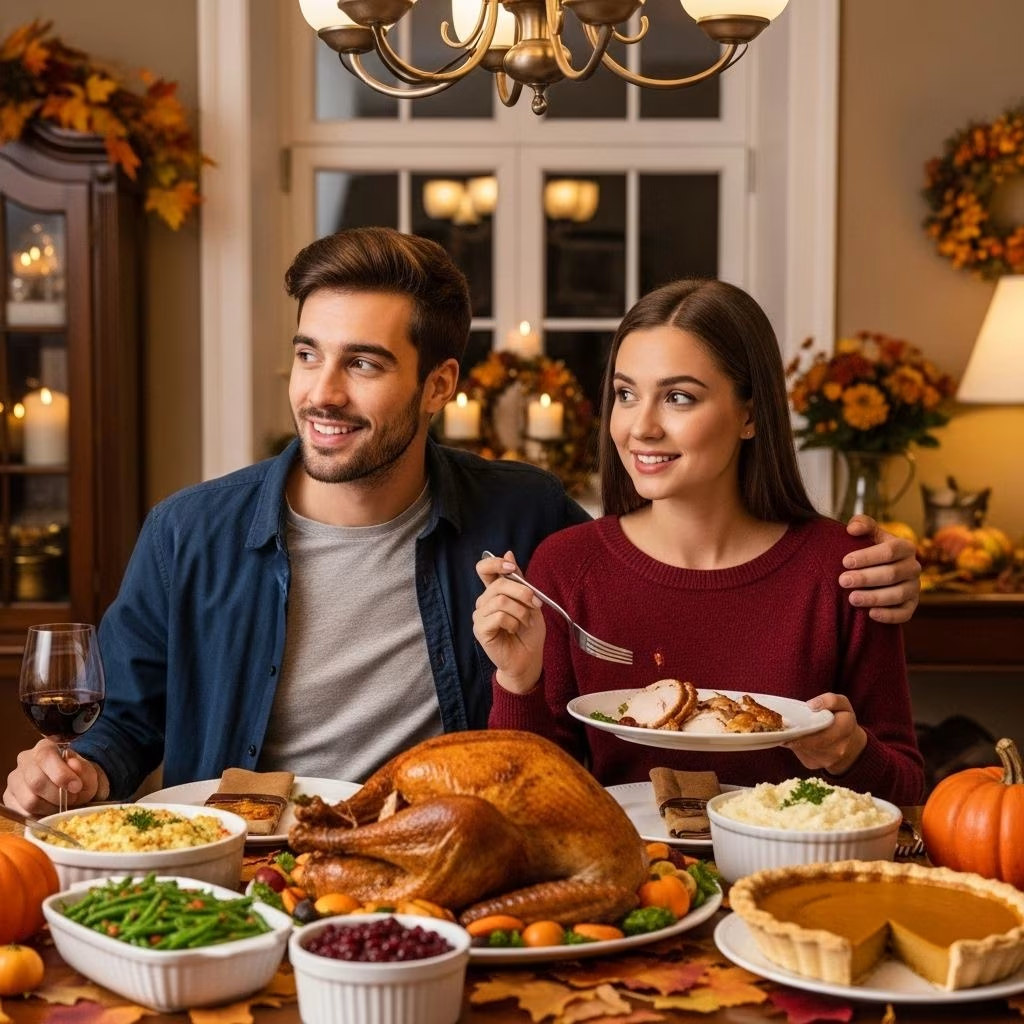
Faking Relationships on Thanksgiving: A Surprising Study
Thanksgiving brings more than just pumpkin pie and family reunions. For many, returning home sparks joy—decorations, off-work time, and nostalgic comfort. However, lingering beneath the festivities is an unexpectedly widespread phenomenon: faking a relationship to avoid family scrutiny. A recent study sheds light on why a substantial number of adults, especially millennials, resort to deceptive tactics during this holiday.
Why Do People Fake Relationships During the Holidays?
Most people look forward to spending time with family over Thanksgiving. Yet the holiday often brings probing questions about romantic lives. According to a Heineken study, about one in four American adults aged 21 and older have at some point faked being in a relationship just to sidestep pressure from family members demanding to know about their love life.
- Family members commonly ask about partners, marriage plans, and future children, which can trigger anxiety and unwanted attention.
- Questions about ex-partners are cited as particularly uncomfortable.
- Even those dating or in committed relationships report being pestered about the ‘next step’ in their love life.
This pervasive pressure is compounded by social expectations amplified during holiday gatherings, often making singles or newly-dating adults feel less-than.
Who Is Most Likely to Fake a Relationship?
The phenomenon isn’t evenly distributed across all demographics. The study identifies millennials as the most likely group to fabricate romantic involvement:
| Generation | % Considering Faking a Relationship |
|---|---|
| Millennials | 40% |
| Gen X | 29% |
| Boomers | 9% |
Millennials, often subject to higher expectations from family regarding relationship milestones, are far more likely to consider such deception.
Gender Differences: Men Lie More Than Women
Digging deeper, the study reveals a sharp difference in who chooses to fabricate a love life:
- 33% of men have considered faking a relationship at the holidays, which is more than twice the rate of women (16%).
- Men cite pressure to bring home a partner and avoid being the subject of gossip or questions.
- If both cousins are boasting about their new partners, statistically it’s more likely that the male cousin is stretching the truth.
This suggests that societal and family expectations around masculinity—particularly around independence and relationship progress—may influence men to lie at higher rates than women.
Work Status Matters: Employed Adults Are More Likely To Fake
The decision to fake a relationship is also tied to employment status. The study found:
- 34% of working adults have pretended to be in a relationship during the holidays.
- Only 11% of unemployed peers have done the same.
The pressure for working adults may stem from perceptions of being ‘established’ or progressing in all aspects of life—career, relationships, and family. With increased expectations comes increased stress to present themselves as successful, including romantically.
Where Does the Pressure Come From?
Family gatherings during Thanksgiving unleash a barrage of questions, not just about current relationships but also past romances and future plans. Key findings from the study:
- Nearly one in five adults have fielded awkward queries about an ex.
- One in five have experienced heavy ‘hinting’ from relatives about marriage or children, even if they’re not interested or ready for those milestones.
- For those currently partnered, pressure doesn’t dissipate—families expect progress and commitment, leading to stress for people not on the same timeline as their relatives.
This intense environment pushes some to create fictitious relationships—or embellish details—just to get through dinner with less scrutiny.
Examining the Motivation: Is It Just About Avoiding Judgment?
For most, fabricating a relationship is a defensive move. The core motivations include:
- Seeking a reprieve from prying questions.
- Avoiding being a topic of gossip or advice sessions.
- Preserving self-esteem and social standing within the family unit.
- Dodging pressure about life milestones—like marriage or children—that may not align with personal plans.
The pressure is heightened as the holidays amplify expectations of togetherness. People want to appear settled or ‘successful’ in front of relatives, even if reality doesn’t match up.
Pop Culture Reflects the Trend: Fake Romances in Media
It’s not just a real-life phenomenon—holiday romantic comedies and novels frequently portray characters pretending to be in a relationship to navigate family pressure.
- Films and books often center on singles hiring someone to pose as a significant other—a plot device that resonates because the scenario is so relatable.
- Stories like “Seven Day Fiancé” feature characters facing high family expectations and orchestrating elaborate fake romances to dodge uncomfortable conversations.
- These fictional accounts highlight and exaggerate the real anxiety and lengths people go to for temporary peace at family gatherings.
Is the Holiday Pressure Getting Worse?
Modern technologies and evolving social norms add fuel to the fire. Social media showcases picture-perfect couples and engagements, raising the bar for what families expect to see at holiday gatherings.
- Constant exposure to others’ curated holiday moments can make singles feel isolated or inadequately accomplished.
- Family discussions increasingly mirror the trends seen on Instagram and Facebook—including comparisons and judgments.
- Millennials, having grown up alongside social networks, may feel especially vulnerable to these pressures and thus more inclined to fabricate.
Coping With Family Pressure Over the Holidays
While some choose to fake a relationship, others seek alternative strategies to deal with family scrutiny. Tips for navigating the holiday minefield include:
- Setting boundaries: Gently redirecting conversations or refusing to answer intrusive questions.
- Preparing responses: Having practiced, light-hearted answers to relationship inquiries.
- Shifting focus: Bringing up career accomplishments, travel stories, or new hobbies to steer attention away from romantic status.
- Seeking support: Confiding in trusted family members or friends about the pressure, asking for backup in conversations.
- Being honest: Admitting to being single and comfortable with it, which can defuse some expectations.
Psychological Impacts: The Toll of Pretending
Faking a relationship might provide short-term relief, but it’s not without consequences:
- Long-term stress and anxiety due to maintaining fabrications.
- Potential damage to trust, particularly if family members discover the truth.
- Loss of authentic connection during holidays, which are meant for real bonding.
- Increased feelings of isolation when one’s reality diverges from the image presented.
Experts caution that while it’s understandable to want to dodge discomfort, honesty and healthy boundaries ultimately lead to better outcomes and stronger relationships with family.
Changing the Conversation: Promoting Acceptance
Family pressure around relationships is rooted in tradition, but shifting cultural norms mean more adults are embracing singlehood or less conventional timelines for marriage and family life.
- Families can foster more supportive environments by focusing on personal well-being instead of milestones.
- Each generation can educate others about the value of patience and life choices beyond romance.
- Cultural acceptance of various relationship statuses can reduce the perceived need for deception.
Frequently Asked Questions (FAQs)
Why do millennials fake relationships more than other generations?
Millennials face more societal and family pressure regarding romantic partners, marriage, and children, leading many to fake relationships to avoid uncomfortable family questions during Thanksgiving.
Is faking a relationship on Thanksgiving common?
Yes; around 25% of American adults aged 21 and older have admitted to faking a relationship at least once to avoid family scrutiny, with millennials and working adults leading the trend.
Do men fake relationships more than women?
Men are statistically more than twice as likely as women to fake being in a relationship at holiday gatherings (33% vs. 16%).
Are there emotional consequences to faking a relationship?
Pretending can lead to increased anxiety, stress, loss of trust, and feelings of inauthenticity, especially if the deception is revealed or maintained over time.
What are healthier ways to handle family pressure?
- Set clear boundaries with relatives.
- Prepare honest or deflecting responses to questions.
- Focus conversations on other accomplishments.
- Seek support from friends or understanding family members.
Conclusion: Navigating the Holidays Your Way
As family and social expectations escalate during the holidays, more people are taking unconventional routes to preserve their peace of mind—including faking relationships. While the trend highlights the challenges many face, it also signals a deeper cultural need for understanding and acceptance. Ultimately, honesty, healthy boundaries, and family support can make Thanksgiving less stressful—whether you’re single, taken, or somewhere in between.
References
- https://www.elitedaily.com/p/faking-a-relationship-on-thanksgiving-to-avoid-family-judgment-is-a-real-phenomenon-a-study-finds-13143185
- https://www.elitedaily.com/dating/10-ways-make-sure-relationship-survives-insane-pressures-holiday-season/856493
- https://litreactor.com/columns/six-festive-thanksgiving-romances
- https://incourage.me/2024/11/i-have-a-love-hate-relationship-with-the-holidays-you-too.html
- https://creators.spotify.com/pod/profile/excusemygrandma/episodes/Excuse-My-Grandmas-Gossip-Habits-and-Marriage-Advice-e36r3o1
- https://www.youtube.com/watch?v=ujOSDUNXS3g


