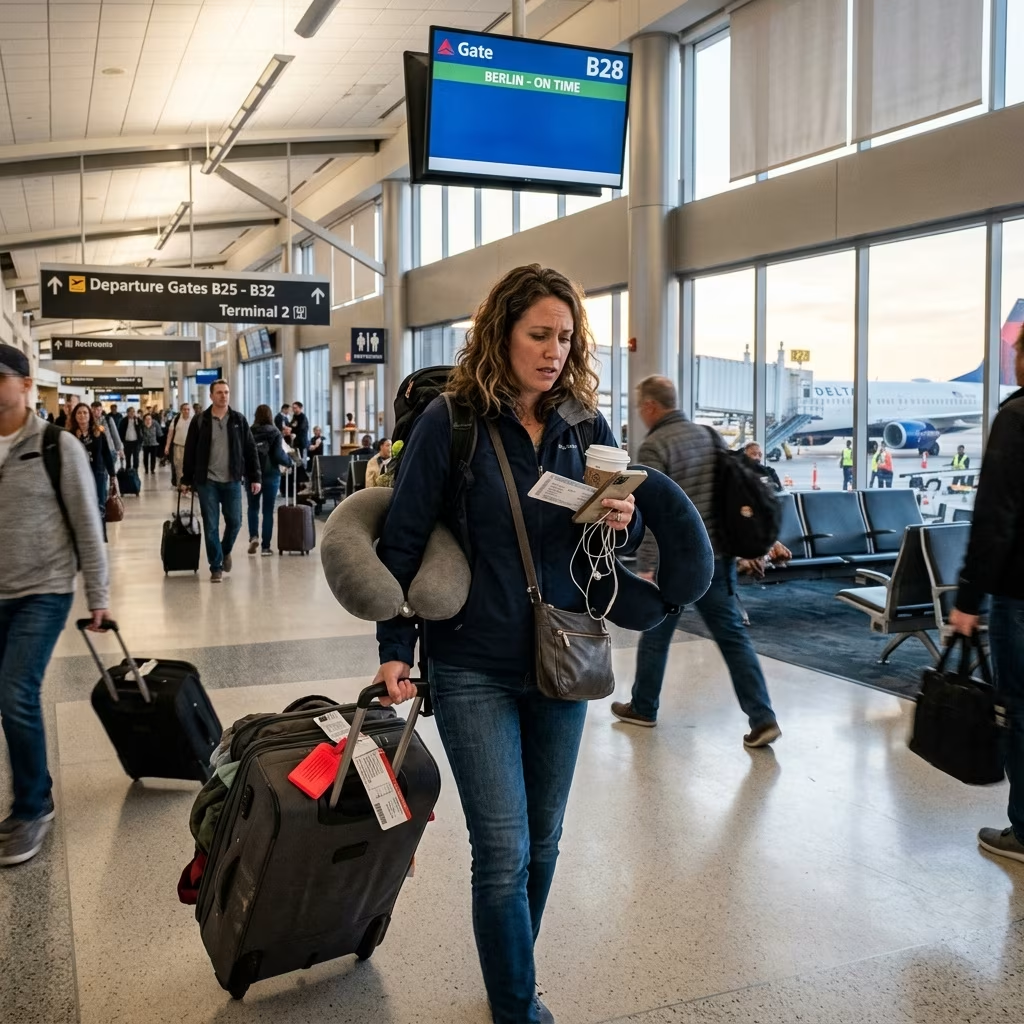
Air travel can be both exciting and overwhelming, especially if your trip starts off with unnecessary stress due to avoidable mistakes. With complex security procedures, changing regulations, and crowded airports, even the most seasoned travelers can make costly errors before ever boarding their flight. Whether you are a frequent flyer or planning your first big trip, understanding the most common air travel mistakes can make your next journey smoother, safer, and far less stressful. Below, we break down the 14 most frequent mistakes travelers make at the airport and on flights, with practical advice from travel pros on how to avoid them.
1. Not Managing Travel Expectations Ahead of Time
Many travelers forget that flying rarely follows a perfect script. Delays, cancellations, and long lines can and do happen—and getting upset won’t help. Setting realistic expectations can reduce disappointment and help you adapt to disruptions.
- Expect the unexpected: Airlines, weather, and airport traffic are all unpredictable—mentally preparing for changes ahead of time will keep you calm.
- Have a backup plan: Familiarize yourself with your airline’s rebooking policy and prepare alternatives for key connections or tight timelines.
- Pack your patience: Accept that you may need to wait in lines or deal with unexpected changes to your itinerary.
2. Not Checking Your Travel Document Requirements Early Enough
Airlines and airport security increasingly require REAL ID or equivalent documents for domestic flights. International travel brings its own challenges, with shifting visa and passport requirements that vary by destination.
- Know your documents: Check if your state-issued ID is REAL ID compliant if flying domestically in the US; for international travel, ensure your passport is valid for at least 6 months from your return date.
- Apply early: Renew or apply for travel documents months in advance; government processing times are unpredictable and can delay travel.
- Carry hard copies: Print travel confirmations, ID, and visas; digital devices can fail at the worst times.
3. Ignoring Airline Bag Size and Weight Limits
Travellers often assume any small suitcase counts as a carry-on or forget strict airline size and weight rules. Overstuffing or bringing oversized baggage can lead to last-minute fees, embarrassment at security, and delayed boarding.
- Measure and weigh bags at home: Check your airline’s rules—even major carriers differ.
- Pack light: Place heavier items in checked luggage, and avoid bulging carry-ons that might fail size checks at the gate.
- Allow space for souvenirs: Plan room in your bags to stay under weight limits for your return trip.
4. Packing Essentials in Checked Luggage—Not Your Carry-On
Flight delays, lost bags, or unexpected overnight stays can separate you from your checked suitcase. Many travelers mistakenly pack all toiletries, medications, chargers, or even valuables in their checked bag instead of a carry-on.
- Always keep essentials with you: This includes daily meds, chargers, a change of clothes, travel documents, and a small snack.
- Carry important prescriptions: Bring an extra dose in case of rerouted or cancelled flights.
- Never check valuables or electronics: Keep your laptop, camera, and other expensive devices on you.
5. Forgetting to Check In for Flights in Advance
Failing to check in early means you risk losing your preferred seat, missing out on upgrades, or even being bumped from an oversold flight. Some airlines close online check-in 24 hours before departure, and may charge for seat selection closer to your travel date.
- Set a reminder: Check in online as soon as your airline allows, usually 24 hours before departure.
- Use the airline app: Mobile check-in and mobile boarding passes speed up airport lines and reduce paper clutter.
- Monitor for upgrades: Occasionally, upgrades become available at a discount during online check-in.
6. Skipping the Airport Security Preparation
Avoidable delays often start at security—especially if you overlook critical prohibited items, wait until the last minute to empty your pockets, or forget to remove electronics and liquids.
- Pack smart: Place liquids, gels, and aerosols (in 3.4-ounce containers) in a single, see-through plastic bag for easy access.
- Wear slip-on shoes: This speeds up shoe removal at security checks.
- Prepare electronics: Have laptops and tablets at the top of your bag for quick removal.
7. Not Charging Devices Before Leaving Home
Waiting to charge your phone, tablet, or computer until you reach the airport is risky—outlets can be scarce, and you may need your device to show boarding passes or contact airlines in case of schedule changes.
- Charge fully overnight: Plug in all key gadgets before bed the night before your flight.
- Bring a portable charger: Invest in a power bank to stay charged on the go.
- Download entertainment in advance: Don’t rely on airport or airplane Wi-Fi for movies or books—offline media is always ready, even with spotty connections.
8. Assuming You’ll Always Have Wi-Fi or Cell Service
Many airports still lack reliable free Wi-Fi, and dead spots or international roaming issues can make it hard to look up crucial travel details like gate changes, rideshare pickups, or hotel bookings.
- Save key info offline: Take screenshots of boarding passes, directions, and confirmation numbers.
- Print backups: A hard copy is backup insurance against tech failures.
- Download airport maps: These can be a lifesaver in unfamiliar terminals.
9. Skipping Food and Hydration Before and During Your Flight
Travelers often misjudge how dehydrating and tiring flights can be. Not drinking enough water or assuming you’ll easily find food at the airport can leave you feeling drained, irritable, or even make you sick.
- Bring a refillable water bottle: Fill it up past security to avoid paying a premium for bottled water.
- Pack healthy snacks: Stash high-protein or fiber-rich snacks in your carry-on in case of limited or expensive airport food options.
- Eat light pre-flight: Heavy or unhealthy airport meals can make you feel worse in the air.
10. Boarding Too Early or Too Late
If you crowd the gate before your group is called, you’ll just add to airport congestion and your own stress. But waiting too long to board can mean lost overhead bin space or getting separated from your travel companions.
- Pay attention to group numbers: Board when your row or section is called—not before.
- Board promptly when called: Avoid being the last person on; this increases chances of checked bags due to full bins.
- Stay near the gate: Listen for updates or last-minute changes to your flight.
11. Not Understanding Airplane Etiquette
Poor etiquette contributes to tense flights. Travelers often forget to be courteous to seatmates and crew, fail to control their noise, or take up extra space.
- Mind your volume: Use headphones and speak quietly, especially during red-eyes.
- Respect shared overhead space: Don’t hog space with coats or non-essential items.
- Keep aisles clear: Stow bags quickly and avoid blocking the aisle during boarding and deplaning.
- Be mindful when reclining: Alert the person behind you or at least do so gently, especially during meal service.
12. Not Having a Transportation Plan for Arrival
After a long flight, standing in airport taxi queues or searching for transportation can be exhausting if you haven’t booked ahead. Many travelers leave this to chance, only to find high prices or long waits.
- Research ground transport: Know your options for trains, buses, taxis, or rideshare before landing.
- Pre-book when you can: For late-night arrivals or peak times, arrange airport pickup in advance.
- Save local apps: Download and set up local transit or ride-hailing apps before traveling.
13. Forgetting to Take Care of Health and Hygiene During Travel
Travelers might overlook basic hygiene, leading to illness or a miserable flight. Planes are dry, full of germs, and cabin air is recycled.
- Pack hand sanitizer and wipes: Wipe down tray tables and armrests before use.
- Moisturize: Airplane cabins are drying, especially on long flights; bring lip balm and lotion.
- Stretch and walk: On long flights, get up to reduce health risks and avoid stiff muscles.
14. Failing to Book Early or Monitor Flight Prices
Last-minute bookings rarely offer the best price or seat. Many travelers overpay by not tracking fares or waiting too long to book their flight, especially during peak periods.
- Book in advance: Fares are generally cheaper when booked several months ahead.
- Set alerts: Use price-tracking tools to monitor deals and drops.
- Join airline loyalty programs: Frequent flyers get early access to sales and discounts.
Pro Tips for Smoother Air Travel
- Make a checklist before every trip: reviewing this will help avoid most common mistakes.
- Consider enrolling in TSA PreCheck or Global Entry to speed up security.
- Read your airline and airport’s latest travel advisories before you depart.
- Stay calm and flexible—travel is unpredictable, but preparation helps.
Frequently Asked Questions (FAQs)
Q: What is the most common mistake people make when flying?
A: One of the most frequent mistakes is not checking travel documents and requirements ahead of time, leading to denied boarding or stressful airport delays.
Q: Is it worth joining airline reward programs?
A: Yes. Airline loyalty and reward programs can provide early access to deals, priority boarding, and benefits like free bags or seat selection, even for infrequent travelers.
Q: How early should I really arrive at the airport for my flight?
A: For domestic travel, arrive at least 2 hours before departure; for international flights, 3 hours is typically recommended. During peak times or with extra security requirements, plan for more buffer time.
Q: Can I bring snacks through security?
A: Yes. Solid food items can be carried through security in your carry-on, but liquids and gels must follow 3.4-ounce (100ml) TSA rules.
Q: What should I do if my flight is cancelled or delayed?
A: Immediately contact your airline (using their app, at the airport, or via phone) for rebooking options. Research alternate flights while waiting, and know your rights regarding compensation for delays and cancellations.
Summary Table: Top 10 Air Travel Mistakes and Solutions
| Mistake | How to Avoid |
|---|---|
| Not checking travel requirements | Confirm all necessary IDs, passports, and visas well in advance |
| Bringing oversized or overweight bags | Know airline-specific bag policies, measure and weigh your luggage |
| Packing meds and valuables in checked bags | Keep essentials in your carry-on at all times |
| Skipping online check-in | Check in online and download your boarding pass to your phone |
| Poor security preparation | Pack liquids and electronics for quick removal at checkpoints |
| Devices not charged before travel | Charge all devices overnight and carry a backup power bank |
| Forgetting printed travel details | Print copies of boarding pass and confirmation numbers as backup |
| Not bringing your own food and water | Pack snacks and a refillable bottle to stay hydrated and avoid high prices |
| Ignoring etiquette on board | Be courteous to fellow passengers and crew, and share space |
| Not researching arrival transport | Plan and book transfers to your destination in advance |
References
- https://www.goodhousekeeping.com/life/travel/g65079487/mistakes-you-make-when-flying/
- https://lilith.org/articles/fiction-good-housekeeping-british-edition-and-the-camel/
- https://pocketmags.com/us/good-housekeeping-magazine/apr-25/articles/good-housekeeping
- https://www.goodhousekeeping.com/life/travel/g65049647/things-you-should-do-before-going-on-vacation/
- https://digital.library.cornell.edu/catalog/hearth6417403_1331_001
- https://cervivor.org/tag/good-housekeeping/