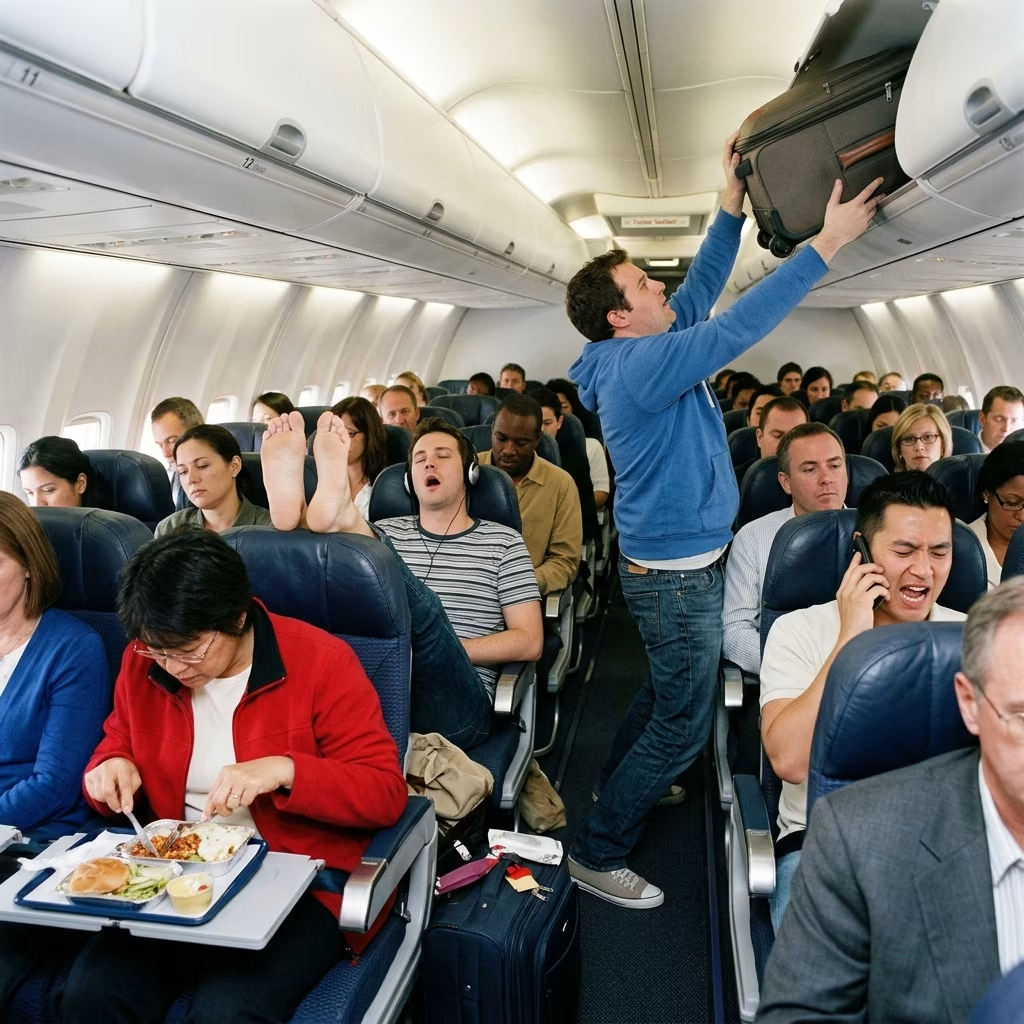
If you’ve ever traveled by air, you’ve likely encountered at least one passenger whose lack of etiquette almost ruined your trip. Air travel places people in tight quarters for hours, and simple courtesy goes a long way. From seat reclining to shoe removal, understanding what not to do can mean the difference between a relaxing flight and a stressful, awkward journey. Here are the 15 most common airplane etiquette mistakes—and effective strategies for avoiding them.
1. Boarding Before Your Group Is Called
Nothing slows the boarding process—and annoys fellow travelers—like passengers crowding the gate before their group is called. The boarding order is designed for efficiency and fairness, so wait comfortably until your group is invited. Trying to board early often leads to unnecessary congestion and delays for everyone.
- Tip: Stay seated until the announcement for your section. You’ll get to your seat just as quickly, and so will everyone else.
2. Ignoring Overhead Bin Etiquette
With limited overhead space, it’s essential to share the bins fairly. Boarding early to stow luggage is fine, but avoid rearranging other passengers’ items or sprawling your belongings across multiple spots. Place your bag in front of you, wheels or handles facing out, to maximize space for all.
- Only use the overhead bin for your allowed item. Any coats or smaller bags go under the seat in front of you.
- If a fellow passenger is struggling with their luggage, offer to help or alert a flight attendant.
3. Blocking the Aisle When Stowing Gear
Standing in the aisle to fix your carry-on or reorganize your suitcase can hold up hundreds of people. Step into your row or swiftly move out of the way after storing your luggage, especially during the initial rush of boarding.
- Tip: Prepare what you need from your bag before boarding so there’s less need to dig once you’re on board.
4. Fighting Over Armrests
The middle seat is the most uncomfortable spot on the plane, so etiquette experts agree: the person in the middle seat gets both armrests. If you’re in the aisle or window seat, lean away and be generous—psychological comfort matters too.
- A simple glance or smile can signal your willingness to share or yield the armrest. It’s a small gesture that prevents silent hostility.
5. Reclining Without Warning—or All the Way Back
Reclining your seat can transform your journey, but it impacts the person behind you. Abrupt or full recline can spill a drink or crush a laptop in a flash. Always check before reclining, and never ignore context: think about meal times, the person behind you, and overall legroom.
- Politely turn around to alert the person behind you before moving your seat back, and do so slowly.
- If possible, keep your seat upright during meals or short flights.
6. Removing Shoes and Socks
Going barefoot on an airplane is arguably the most common pet peeve among both passengers and crew. Airplane floors harbor germs, spilled drinks, and more. If you must remove your shoes, keep your socks on and feet to yourself.
- Consider bringing a clean pair of flight socks for comfort.
7. Bringing Strong-Smelling Foods Onboard
Fish, eggs, strong cheeses, and fragrant sauces can quickly fill the cabin with unwelcome aromas. As tempting as your favorite take-out may be, think twice about what you pack for a meal or snack.
- Choose neutral, non-odorous food options for in-flight meals.
8. Loud Talking (or Over-Communicating)
Airplanes amplify noise. Speaking loudly, using speakerphone, or laughing excessively can disturb people several rows away. For most passengers, the flight is a time to rest, read, or work quietly.
- Keep conversations and entertainment at a low volume, and always use headphones.
9. Ignoring the Seatbelt Sign
Remaining seated with your seatbelt fastened isn’t only courteous—it’s crucial for safety. Standing up during taxi, takeoff, landing, or turbulence puts you and others at risk of injury.
- Only get up when the seatbelt light is off, and listen for announcements about when it’s safe to move about the cabin.
10. Claiming Extra Space—Seatbacks, Window Shades, Tray Tables
Drapping your hair over the seatback, commandeering multiple tray tables, or lowering the window shade without consulting your neighbors are all sources of conflict. Remember that space is shared—be considerate.
- Ask before closing the shade or using a neighbor’s tray; keep your belongings out of common spaces.
11. Personal Hygiene Violations
Trimming nails, removing socks, or applying strong scents during flight can bother many. Even harmless-seeming acts, like brushing hair, can send bits flying.
- Take care of personal grooming before boarding, and avoid spraying any perfumes or air fresheners in the close quarters of an aircraft.
12. Inconsiderate Use of Technology
Watching movies or listening to music without headphones, using overly bright screens at night, or taking calls without headphones can be intrusive.
- Always use headphones and adjust brightness in dark cabins.
- Silence your devices and avoid making or taking phone calls onboard if possible.
13. Overindulgence in Alcohol
Drinking to excess is a quick route to poor behavior, arguments, and deplaning by authorities. Airlines can and do refuse to serve alcohol to visibly intoxicated passengers for safety.
- Limit your alcohol intake, stay hydrated, and remember that alcohol affects you differently at altitude.
14. Being Impolite or Rude to Flight Attendants
Flight attendants are there for your safety and comfort—not personal service alone. Speaking rudely, ignoring their instructions, or failing to acknowledge them diminishes the flying experience for everyone. A simple “thank you” goes a long way in brightening their day and ensuring you receive the best service possible.
- Show appreciation with eye contact, a smile, or a genuine word of thanks when served or assisted.
15. Abusing Seat-Switching Requests
While seat swaps are sometimes necessary (think families separated by booking systems), frequent or entitled requests to change seats inconvenience others. It is perfectly fine to decline a seat-swap request if you paid extra for a specific spot or have a strong preference.
- Make your swap request politely, and accept refusals graciously. If you’re asked, you may say no without guilt—especially if you booked or paid for your preferred seat.
Quick Tips for Flawless Airplane Etiquette
- Wait for your section to be called before boarding.
- Use carry-on space efficiently and respect others’ baggage.
- Yield both armrests to the middle-seat passenger.
- Keep shoes (and preferably socks) on at all times.
- Ask before adjusting seats, window shades, or tray tables.
- Keep noise to a minimum and media private with headphones.
- Thank flight attendants and support their efforts to keep the flight safe and comfortable.
Frequently Asked Questions (FAQs)
Q: If I’m in the middle seat, do I really get both armrests?
A: Yes. The etiquette consensus is clear: the middle seat passenger gets both armrests since they sacrifice both aisle and window access.
Q: If someone kicks my seat or is behaving badly, what should I do?
A: Politely address the issue first. If it continues, ask a flight attendant for assistance. Non-confrontational communication is usually effective.
Q: Can I swap seats if I want to sit with a friend or family?
A: You may ask politely, but fellow passengers are not obligated to grant your request. Respect others’ seating choices and booked preferences.
Q: Is it okay to recline my seat on short flights?
A: On shorter flights or during meal times, it’s best to keep your seat upright. On longer journeys, always check with the passenger behind you before reclining.
Q: What foods are best for air travel?
A: Opt for odorless, clean, and easily contained snacks like crackers, fruit, or granola bars—avoid anything with strong aromas like tuna or egg salad.
Armrest Rights: Who Gets What?
| Seat Location | Armrest Claim |
|---|---|
| Window Seat | Window-side armrest only |
| Middle Seat | Both armrests |
| Aisle Seat | Aisle-side armrest only |
Final Thoughts: Courtesy Makes the Skies Friendly
Airplane etiquette isn’t just about following rules—it’s about empathy. Treating others the way you’d like to be treated ensures not only your comfort, but also a smoother journey for everyone on board. The golden rule applies at 35,000 feet as much as anywhere else: a little respect, consideration, and kindness is the true mark of a savvy traveler. The next time you fly, use these guidelines to make the friendly skies even friendlier.