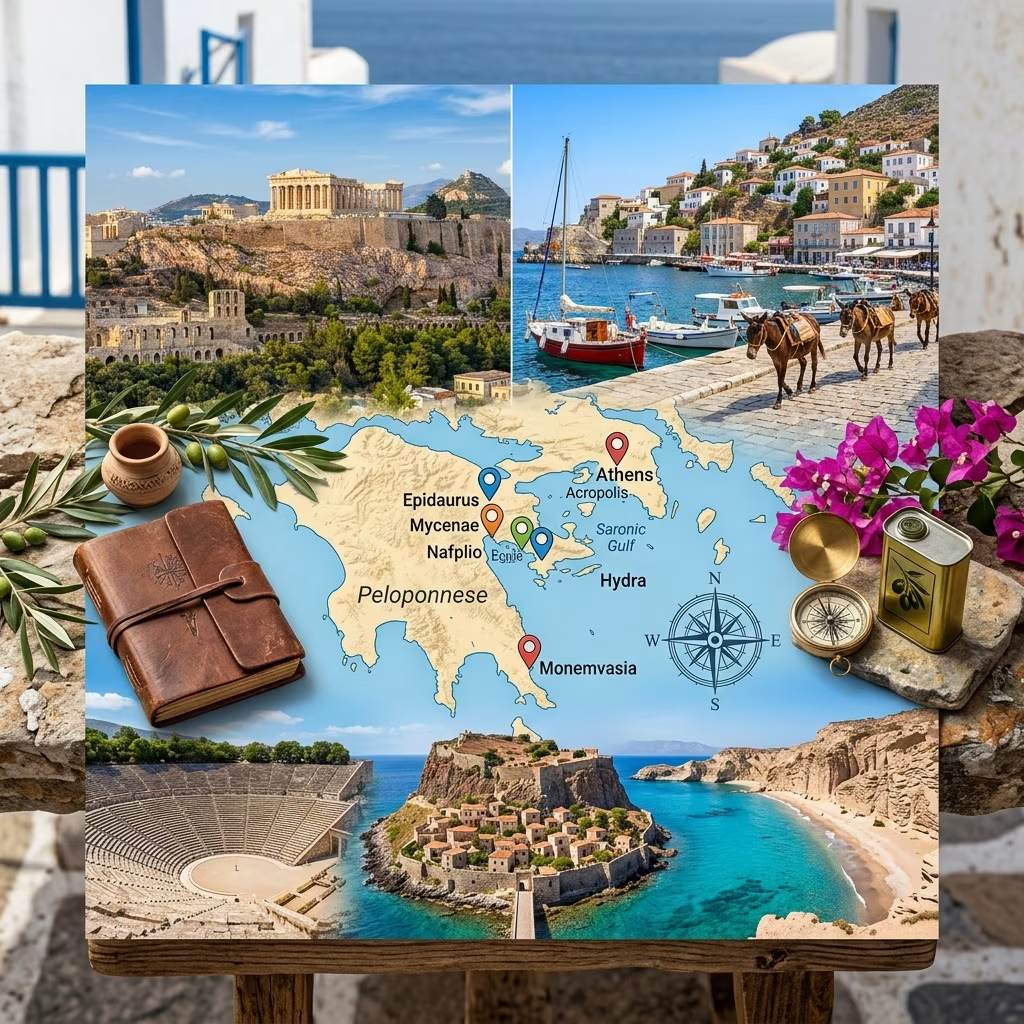
The Ultimate Two-Week Greece Itinerary: Athens, Peloponnese, and Hydra
If you’ve ever dreamed of exploring ancient ruins under Mediterranean skies, tasting olives at the source, and losing yourself in storybook villages, this dynamic two-week Greece itinerary encompasses the nation’s most iconic highlights and authentic local experiences. Starting and ending in Athens, you’ll venture to myth-steeped sites, the mountain heartland, and the shimmering shores of Hydra island. Carefully crafted for a blend of history, culture, and relaxation, it’s the ideal journey for first-timers and returning aficionados alike.
Overview: Why This Itinerary?
This two-week loop showcases the very best of Greece. You’ll traverse the pulse of ancient civilization in Athens, walk the paths of myth at Delphi and Olympia, pause in timeless mountain villages, and finish on the car-free paradise of Hydra. The itinerary minimizes backtracking for efficient travel while weaving in authentic encounters, family-run tastings, immersive local culture, and time to savor Greece at your own pace.
- Balanced approach: Ancient sites, scenic landscapes, local cuisine, and seaside relaxation.
- Efficient route: Start and end in Athens, minimizing transit time.
- Cultural immersion: Small-town experiences, olive oil tastings, and folk music evenings.
- Flexible options: Optional activities cater to varied interests and energy levels.
Day-by-Day Breakdown
Day 1: Welcome to Athens
Arrive in Athens, one of the world’s oldest cities and the bustling gateway to your Greek adventure. Spend your first afternoon getting acquainted with the city center—take a stroll through the Plaka neighborhood and enjoy your first taste of souvlaki or moussaka at a local taverna.
- Airport transfers available; check in to a centrally located hotel.
- Evening orientation walk and group dinner (if on a guided tour).
Day 2: Athens’ Ancient Marvels
Today is devoted to the highlights of ancient Athens. Begin early at the Acropolis, home to the iconic Parthenon, Erechtheion, and sweeping city views. Continue to the Acropolis Museum, where archaeological treasures provide insight into ancient Greek life and culture.
- Morning: Guided tour of the Acropolis and Parthenon.
- Afternoon: Visit the Acropolis Museum; explore Anafiotika district at leisure.
- Evening: Enjoy a traditional dinner in the historic center, perhaps with live music.
Day 3: Athens to Delphi
Depart Athens for Delphi, once considered the center of the world by ancient Greeks, and famed for its oracle. The journey takes you through scenic villages and rolling countryside.
- Visit the Temple of Apollo, Theater, and the Delphi Archaeological Museum.
- Stroll among hillside terraces and ancient ruins with mountain backdrops.
- Overnight in Delphi, with free time to explore the village.
Day 4: Into the Peloponnese Mountains
Continue your odyssey into the Peloponnese Mountains, heading for the Mani Peninsula or nearby mountain villages. En route, stop for an olive oil tasting at a family-run olive mill—learn about traditional harvesting and savor artisan products.
- Drive through dramatic mountain scenery and remote villages.
- Optional activities: hiking, scenic stops, or exploring local artisan shops.
- Dinner with panoramic views, sample hearty local dishes.
Day 5: Ancient Olympia
Venture to Olympia, birthplace of the Olympic Games. Walk the ancient athletic grounds, including the stadium and gymnasium, and try running on the original track. Don’t miss the impressive Archaeological Museum featuring statues, winning trophies, and relics from throughout Greek history.
- Guided tour through Olympia’s lush site and museum.
- Learn about the role of sports and festival life in ancient Greece.
- Evening free to relax or dine in a local taverna.
Day 6: Seaside Discoveries in the Peloponnese
Continue to the Mani Peninsula, famous for its rugged landscapes, stone villages, and crystal-clear waters. Discover small harbors, Byzantine chapels, and coastal walks. Enjoy time to swim in the Aegean or savor fresh seafood in a seafront restaurant.
- Optional sea kayaking or boat trip to seaside caves (seasonal).
- Evening folk music or dancing at a local venue.
Day 7: Monemvasia – The Gibraltar of Greece
Journey to Monemvasia, a fortified medieval town perched on a rocky island. Cross the causeway and wander narrow streets lined with stone mansions and blooming bougainvillea. Learn about the town’s Byzantine and Venetian history, and climb to the ruined fortress for unforgettable sunset views.
- Orientation walk through the old town.
- Visit the Church of Agia Sofia and medieval castle walls.
- Evening free to sample local wines or enjoy a leisurely meal in a cliffside restaurant.
Day 8: Mystras and Byzantine Wonders
Next, explore Mystras, a stunning World Heritage site famed for its medieval ruins and frescoed churches cascading down a steep hillside. Walk among monasteries, palaces, and cobblestone steps to experience one of Greece’s best-preserved Byzantine towns.
- Expert-led tour of Mystras.
- Optional short hike for panoramic views of the Sparta valley.
Day 9: Arrival in Nafplio
Arrive in Nafplio, the Peloponnese’s most romantic town, with pastel neoclassical buildings, lush gardens, and a beautiful waterfront promenade. Climb the 999 steps to the Palamidi Fortress, and stroll the picturesque harbor lined with cafés and boutiques. Enjoy the lively main square and take in an optional folk music evening.
- Orientation walk through the old town.
- Optional fortress climb for sweeping views.
- Tasting of regional delicacies—try baklava or loukoumades (Greek donuts).
Day 10: Mycenae and Epidaurus
Step back into the Bronze Age with a visit to Mycenae, legendary home of Agamemnon. Marvel at the Lion Gate, royal tombs, and Cyclopean walls. Then, travel to Epidaurus, site of the perfectly preserved ancient theater renowned for its acoustics.
- Guided visits to Mycenae and Epidaurus.
- Time for independent exploration within the archaeological parks.
Day 11: Culinary Delights and Cooking
Experience the flavors of Greece with a cooking demonstration or class. Learn to prepare classic dishes such as spanakopita (spinach pie), moussaka, and fresh Greek salads.
- Hands-on participation and tasting session.
- Evening free to enjoy the fruits of your labor or relax in the old town.
Day 12-13: To the Island of Hydra
Board a ferry to Hydra, one of Greece’s most charming islands, celebrated for its car-free tranquility, whitewashed mansions, and vibrant port. Settle in for two days of leisure: wander narrow lanes, sip Greek coffee at a harbor café, swim in turquoise coves, or hike scenic trails dotted with wildflowers and rocky chapels.
- Optional day hikes, donkey rides, or boat excursions.
- Enjoy an Aperol spritz or local ouzo while people-watching at sundown.
- Sample Hydra’s unique almond sweets (amygdalota).
Day 14: Return to Athens – Farewell to Greece
Return to Athens by ferry. Enjoy a final stroll or some last-minute shopping for local crafts and delicacies before your departure.
- Flexible departure depending on onward travel arrangements.
- Reflect on your journey through Greece’s past and present.
Key Highlights of the Itinerary
- Acropolis & Parthenon: Athens’ legendary ancient citadel and temple complex.
- Delphi: Atmospheric ruins where oracles once prophesied to kings.
- Olympia: Original site of the Olympic Games, with evocative stadium remains.
- Nafplio: Romantic old town blending Venetian, Ottoman, and Greek charm.
- Mycenae: Powerful Bronze Age city, steeped in myth and legend.
- Epidaurus: World-famous ancient theater with pristine acoustics.
- Monemvasia & Mystras: Medieval fortified towns showcasing Byzantine architecture and history.
- Hydra Island: Idyllic harbor, car-free atmosphere, inspiring light, and traditional Greek island life.
Practical Travel Tips
- Best Time to Visit: April to early June and September to early October for pleasant weather and lighter crowds.
- Group Size: Small group tours (24–28 people) ensure a more personable experience; independent travelers can use this itinerary for self-guided trips.
- Accommodations: Centrally located boutique hotels with easy access to sites and local eateries.
- Transport: Modern coaches between mainland stops; ferries between Athens and Hydra.
- Meals: Breakfasts included; savor lunches and dinners at local tavernas—try mezedes (small plates) and regional wines.
- Dress Code: Respectful attire for religious sites; comfortable footwear for walks and ruins.
- Packing Tips: Layered clothing, sun protection, sturdy walking shoes, and a money belt.
Frequently Asked Questions (FAQs)
Q: How physically demanding is this itinerary?
A: The itinerary involves considerable walking, often on uneven surfaces at archaeological sites, in towns with steep streets, and along island paths. Reasonable fitness and mobility are recommended.
Q: Is this trip suitable for kids or seniors?
A: While children and seniors with good mobility can enjoy the trip, some days involve longer travel and active sightseeing. Families may wish to customize the itinerary for extra rest or leisure days.
Q: What is the food like in the Peloponnese and Hydra?
A: Expect fresh local dishes—think grilled meats, fish, savory pies, salads, olives, cheeses, and seasonal vegetables. Hydra is known for seafood and almond-based desserts; the Peloponnese for olives, honey, and hearty lamb dishes.
Q: Can I swim or do water activities during the trip?
A: Yes, swimming is possible at several points, especially along the Mani Peninsula and on Hydra. Optional activities can include kayaking, boat trips, or snorkeling, depending on the season and weather.
Q: What currency is used, and are cards widely accepted?
A: Greece uses the euro (€). Credit and debit cards are accepted in most urban areas and hotels, though some small-town shops and tavernas may prefer cash, especially for small transactions.
Q: How can I further customize this route?
A: Add extra nights in Athens or Hydra, detour to other islands like Mykonos or Santorini, or extend your time in the Peloponnese to explore lesser-known mountain villages or beaches.
Recommendations & Final Thoughts
- Begin each major site — such as the Acropolis, Delphi, and Olympia — early in the morning to avoid crowds and heat.
- Book ferries and key accommodations well ahead, especially during peak months (June–September).
- Embrace local traditions: try an olive oil tasting, participate in a folk dance, and don’t rush — Greek hospitality shines most in lingering meals and spontaneous village encounters.
- Pack lightly, as Greek streets and island ferries often involve steps and limited storage.
With this two-week itinerary, you’ll weave through the mosaic of Greece’s classical wonders, untamed landscapes, and island escapes—an experience that’s sure to etch itself into your travel memory. Ready, set, καλή διασκέδαση (enjoy)!
References
- https://www.ricksteves.com/tours/greece-turkey/greece
- https://www.ricksteves.com/tours/greece-turkey
- https://www.ricksteves.com/tours/tour-news/june-2025/hi-from-rick
- https://store.ricksteves.com/shop/p/greece-guidebook
- https://www.ricksteves.com/europe/greece/itinerary
- https://community.ricksteves.com/travel-forum/greece/spring-2025-to-greece-first-time
- https://www.ricksteves.com/watch-read-listen/video/hydra-greece
- https://www.ricksteves.com/watch-read-listen/video/tv-show/greek-islands
- https://www.ricksteves.com/watch-read-listen/video/tv-show/athens-and-side-trips