The Ultimate Two-Week Switzerland Itinerary by Train
Famed for its spectacular landscapes, world-class railways, and seamless blend of German, French, and Italian cultures, Switzerland offers travelers an unparalleled European experience. Planning a trip here can be daunting—there’s so much to see and so little time! This detailed, two-week Switzerland itinerary is designed to maximize your experience, relying on Switzerland’s unbeatable train network and covering the absolute highlights, from the Bernese Alps to Ticino’s sunny south.
How to Use This Itinerary
- Start or Finish: The route works well in either direction. Most international flights arrive and depart from Zürich, but Geneva and Basel can also be good gateways.
- Flexibility: Adjust the length at each stop according to your own interests. Suggestions for shorter or longer trips are included below.
- Train Passes: Consider a Swiss Travel Pass, which covers all major trains, buses, boats, and even some mountain lifts.
Recommended Switzerland Itinerary by Duration
Depending on your available days, prioritize the following:
| Trip Length | Destinations/Coverage |
|---|---|
| 3 days | Lauterbrunnen Valley (Berner Oberland) |
| 5 days | Add Luzern and Central Switzerland |
| 7 days | Add Bern and Lake Geneva area, take the Golden Pass Scenic Rail |
| 10 days | Add Zermatt and Appenzell, include Glacier Express train |
| 14 days | Add Lugano and Upper Engadine, ride Bernina Express and Gotthard Panorama Express |
| 16-21 days | Include Zürich, Murten, day trips into the French Swiss countryside, and extra hikes or relaxation |
Rick Steves’ Best Two-Week Switzerland Trip (By Train)
This itinerary blends picture-perfect medieval towns, cutting-edge cities, iconic mountain villages, and some of the best train journeys in the world.
Day-by-Day Breakdown
- Day 1: Arrive Zürich Airport, take the train to Appenzell (overnight in Appenzell or on the Ebenalp)
- Day 2: Full day exploring Appenzell and the Ebenalp (overnight in Appenzell or on the Ebenalp)
- Day 3: Early train to Luzern (overnight in Luzern)
- Day 4: Explore Luzern’s old town, museums, and lakeshore (overnight in Luzern)
- Day 5: Take a boat and then train south on the Gotthard Panorama Express route to Lugano (overnight in Lugano)
- Day 6: Ride the Bernina Express up to the Engadine region (overnight in Pontresina)
- Day 7: Discover the Upper Engadine—Pontresina, St. Moritz, Samedan (overnight in Pontresina)
- Day 8: Take the Glacier Express through epic Alpine scenery. If weather permits, go to Zermatt (overnight in Zermatt)
- Day 9: Explore Zermatt, hike, take cable cars for Matterhorn views (overnight in Zermatt)
- Day 10: If weather’s good, stay longer in Zermatt and travel late to Lausanne; otherwise, head to Lausanne early (overnight in Lausanne)
- Day 11: Take the Golden Pass to Lauterbrunnen Valley. Go early for more time in the valley, or linger on Lake Geneva if the weather isn’t ideal (overnight in Gimmelwald or Mürren)
- Day 12: All day enjoying lifts and hikes around the Lauterbrunnen Valley (overnight in Gimmelwald or Mürren)
- Day 13: Extra time for Lauterbrunnen Valley (overnight in Gimmelwald or Mürren)
- Day 14: Early train to Bern, then on to Zürich (overnight in Zürich or fly home)
- Day 15: Additional time in Zürich if you have a late flight
Destination Highlights & Must-Sees
Appenzell & Ebenalp
The Appenzell region showcases traditional Swiss village life amidst rolling green hills. Don’t miss a visit to the Ebenalp, famous for its cliff-side Aescher hut and panoramic hiking trails. Enjoy hearty local cheese, rural culture, and friendly townsfolk.
Luzern
- Chapel Bridge (Kapellbrücke): Iconic covered wooden bridge adorned with painted panels.
- Old Town: Cobbled squares, medieval towers, waterfront promenades, and vibrant markets.
- Lake Luzern: Scenic boat cruises, and mountain excursions including Pilatus and Rigi.
- Swiss Museum of Transport: Switzerland’s most popular museum, great for all ages.
Gotthard Panorama Express to Lugano
This legendary route links German-speaking Central Switzerland with the Italian-flavored south, mixing a lake steamer cruise with a panoramic train ride through spiral tunnels and soaring bridges. Lugano itself feels Mediterranean—think palm trees, piazzas, lakeside promenades, and gelato cafes.
Bernina Express & the Engadine
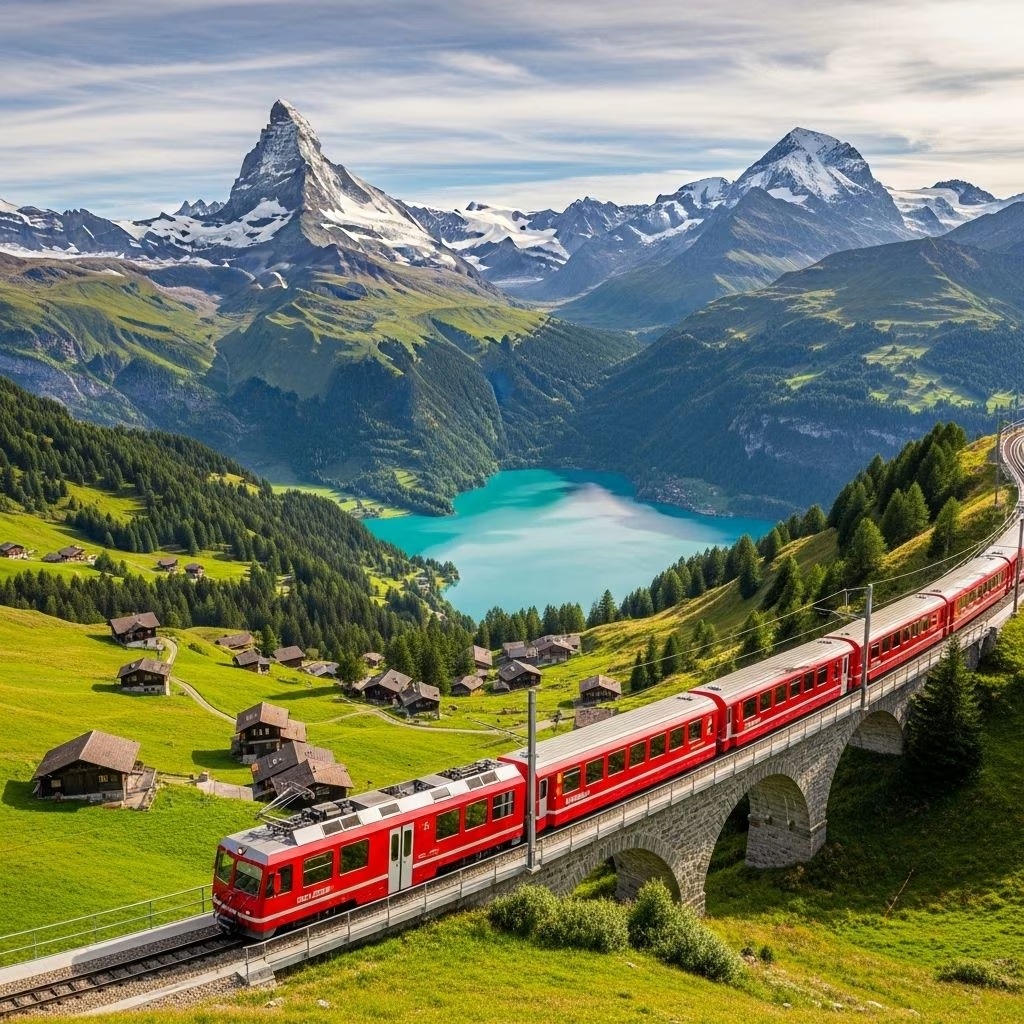
- Breathtaking Train Ride: From Lugano/Tirano up to glitzy St. Moritz through the Alps’ most dramatic passes, viaducts, and glaciers.
- Pontresina, St. Moritz & Samedan: Old-world spa towns and hiking bases in the wild, high-altitude Engadine Valley.
Glacier Express to Zermatt
- Alpine Wonders: The world’s slowest express train crawls through gorges, climbs past deep valleys, and offers constant mountain vistas.
- Zermatt: Base for the Matterhorn, car-free lanes, Alpine culture, and endless hiking and skiing.
Lake Geneva & Lausanne
- Lavaux Vineyards: UNESCO-listed terraced hillsides with some of Switzerland’s best wine and lake views.
- Lausanne: Lively university town, old city, and Olympic Museum.
Lauterbrunnen Valley, Gimmelwald & Mürren
- Waterfalls & Valley Beauty: Stunning valley floor ringed by cliffs, dotted with waterfalls like Staubbach and Trümmelbach.
- Mountain Villages: Gimmelwald and Mürren, traffic-free havens accessible only by cable car or funicular, with world-class hiking and heart-stopping Alpine views.
- Excursions: Schilthorn (James Bond 007 mountain), Jungfraujoch (Top of Europe), and endless trails above the clouds.
Bern
- UNESCO Old Town: Distinctive arcaded streets, the beautiful Aare river, rose gardens, clock towers, and lively markets.
- Swiss Federal Buildings: Insight into Swiss democracy and politics.
Zürich
- Cultural Hub: Excellent museums, shopping streets, and chocolate shops.
- Lake Zürich: A great place to unwind and enjoy one last walk before your departure.
Essential Swiss Experiences
- Taste sample cheeses in Emmental or Appenzell regions.
- Enjoy a lakeside fondue or raclette meal.
- Try world-famous Swiss chocolate—visit a chocolate workshop for a hands-on experience.
- Tour a vineyard and sip regional wines, especially near Lake Geneva.
- Take a funicular or cable car to a soaring Alpine summit.
- Stay at least one night in a car-free Alpine village.
Train Passes & Travel Tips
- Swiss Travel Pass: Unlimited travel on trains, buses, boats, and entry to many museums. Perfect for most visitors planning multi-region travel.
- Seat Reservations: Required on some scenic trains (e.g., Glacier Express, Bernina Express); book ahead in peak seasons.
- Mountain Excursions: Many are discounted or even free with a rail pass—check details when planning.
- Luggage: Swiss trains have ample luggage space; station lockers and luggage forwarding are widely available.
- Punctuality: Train timetables are strict. Plan to arrive at stations a few minutes early.
Customizing Your Switzerland Trip
This itinerary emphasizes scenic routes, car-free experiences, and authentic Swiss culture. To adapt for your interests or time:
- Short Trips: Focus on Luzern, Berner Oberland, and Zermatt.
- Longer Stays: Add day trips to Gruyères, Montreux (Château de Chillon), or explore the Italian-speaking south in depth.
- Adventure Seekers: Plan hiking, mountain biking, or climbing activities in the Bernese Alps or Engadine Valley.
- Relaxation: Spend more time in spa towns like St. Moritz or lake resorts like Lugano and Lausanne.
Frequently Asked Questions (FAQs)
Q: Can I use this itinerary with a car instead of the train?
A: It’s possible, but train travel is highly recommended. Trains are efficient, frequent, and reach many locations not readily accessible by car. Parking and traffic in cities and villages can also be challenging.
Q: What’s the best time of year to follow this itinerary?
A: The itinerary works year-round. Summer (June–September) offers the best hiking and weather, while winter transforms resorts like Zermatt and St. Moritz into world-class ski destinations. Spring and fall have fewer tourists and beautiful scenery.
Q: How should I plan for changing weather in the Alps?
A: Alpine weather changes rapidly—pack layers, rain gear, and sun protection. Adjust your travel schedule for key scenic trains and hikes based on weather forecasts; flexibility is a real asset.
Q: Is English widely spoken?
A: Yes, especially in cities, at major train stations, and tourist spots. However, basic knowledge of German, French, or Italian is appreciated and can enrich your experience.
Q: What are typical daily travel costs?
A: Switzerland is expensive. Beyond rail passes, budget for CHF 30–50 for a basic meal, CHF 100–200 per night for mid-range accommodation, and extra for excursions and regional experiences.
Q: Is this Switzerland itinerary suitable for families?
A: Absolutely. Swiss transportation is safe and child-friendly, and most destinations include parks, lakes, museums, and outdoor activities for all ages.
Final Switzerland Travel Tips
- Pack layers for sudden weather changes.
- Switzerland’s tap water is among the purest; bring a reusable bottle.
- Carry cash and credit cards; some places only accept one form or the other.
- Book scenic train seats in advance, particularly during summer and Swiss holidays.
- Swiss punctuality is renowned—keep an eye on departure times!
Why Switzerland?
From hiking with alpine cows and tasting fresh chocolate to marveling at snow-dusted peaks from historic trains, Switzerland is a feast for the eyes and the senses. There are few places where travel is so effortless and the experiences so consistently stunning—make the most of every moment aboard trains, cable cars, and mountain trails.
References
- https://www.ricksteves.com/tours/switzerland/best-switzerland-tour
- https://www.ricksteves.com/europe/switzerland/itinerary
- https://www.ricksteves.com/tours/switzerland
- https://www.ricksteves.com/watch-read-listen/video/tv-show/swiss-alps
- https://community.ricksteves.com/travel-forum/switzerland/switzerland-september-2025-itinerary-suggestions
- https://www.ricksteves.com/tours/2025-tours
- https://www.tripadvisor.com/ShowTopic-g188045-i336-k13831165-Do_you_concur_with_the_Rick_Steves_itinerary-Switzerland.html
- https://www.ricksteves.com/watch-read-listen/video/tv-show/great-swiss-cities