America’s landscape is dotted with remarkable historic homes, each imbued with the character of its era, region, and those who once lived within its walls. From stately manors in the South to rugged cabins in the West, historic homes offer a tangible link to the country’s diverse past. This guide steps inside 30 of the most captivating historic homes in America, highlighting their distinctive architecture, compelling stories, and enduring cultural significance. Whether you’re a lover of old houses, a history buff, or just seeking inspiration for your next road trip, these homes are sure to ignite your imagination.
Why Visit Historic Homes?
- Experience American history firsthand by touring centuries-old buildings and learning about those who lived there.
- Admire diverse architectural styles spanning Colonial, Victorian, Neoclassical, Prairie, and more.
- Gain inspiration for your own home with preservation projects, authentic furnishings, and landscaping ideas.
- Support heritage conservation and the stories that define towns and communities across the country.
Defining Historic Homes: What Makes a House Historic?
A home is considered historic when it embodies significant architectural, cultural, or historical values associated with its era. Some key features include:
- Age: Typically over 50 years old, though some properties are far older.
- Architectural integrity: The home retains its original design, materials, and detailing.
- Historical significance: Linked to important events, individuals, or movements in local, state, or national history.
- Recognition: May be listed on the National Register of Historic Places or protected by local preservation ordinances.
America’s Most Beautiful Historic Homes
Travel with us state by state as we introduce some of the most beloved, iconic, and architecturally significant homes in the United States.
The Northeast: Colonial Origins and Grand Estates
-
Mount Vernon – Virginia
Once the home of George Washington, Mount Vernon exemplifies Georgian architecture and overlooks the Potomac River. Visitors can explore impeccably preserved rooms, lush gardens, and working farms that bring the 18th century to life.
-
The Mark Twain House – Connecticut
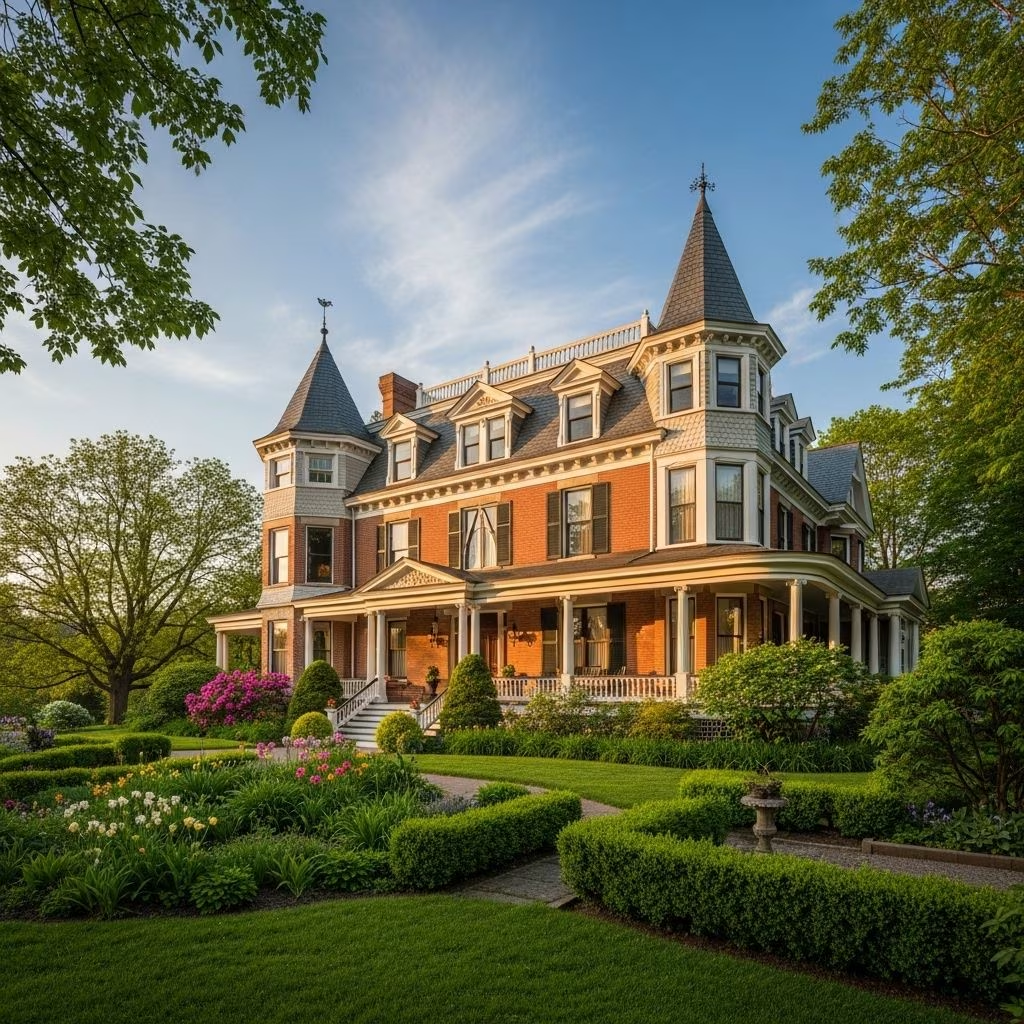
This Victorian Gothic masterpiece was home to author Samuel Clemens (Mark Twain). Its intricate brickwork, turreted roofline, and flamboyant interiors offer a window into the Gilded Age’s literary scene.
-
Strawbery Banke Museum – New Hampshire
An entire historic district in Portsmouth preserves homes from the 17th to the early 20th century. Tour colonial saltboxes, Federal mansions, and bustling storefronts that tell the city’s evolving story.
The South: Columns, Courtyards, and Plantation Legacies
-
Oak Alley Plantation – Louisiana
Famed for its graceful avenue of live oaks, this sugar cane plantation features soaring Doric columns and vast balconies. The site explores both the grandeur and the hardships of antebellum life.
-
Pink House – Charleston, South Carolina
One of Charleston’s oldest homes, the Pink House is named for its distinctive Bermuda stone facade. Today it hosts an art gallery, but you can still admire its Colonial-era charm from the cobblestone streets.
-
Graceland – Tennessee
The legendary Memphis home of Elvis Presley, Graceland blends Southern Colonial architecture with the vibrant pop culture of the 20th century. Each room reflects the King of Rock’s distinctive style.
The Midwest: Frontier Spirit and Victorian Grandeur
-
Taliesin – Wisconsin
The estate of Frank Lloyd Wright weaves Prairie School design with rolling hills, merging architecture and landscape. It serves as a pilgrimage site for modern architecture enthusiasts.
-
Rookwood House – Ohio
Nestled in Cincinnati, this home showcases Arts and Crafts details and ties to the famed Rookwood Pottery Company, reflecting the creative ferment of the era.
-
The Biltmore Estate – North Carolina
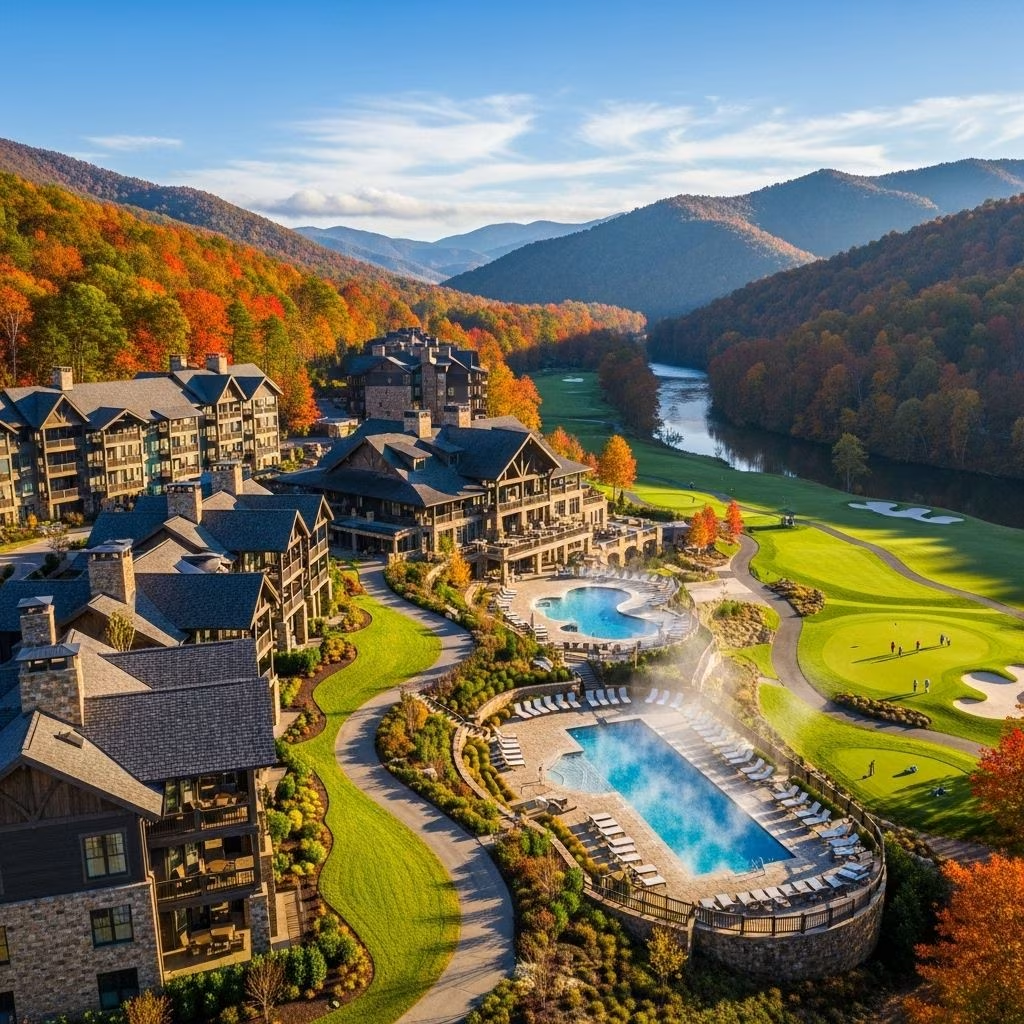
America’s largest privately owned home, Biltmore dazzles with French Renaissance flourishes, lush gardens, and opulent interiors worthy of European royalty. Built in the late 19th century, it’s a testament to the Gilded Age’s ambitions.
The West: Ranches, Pueblos, and Pioneer Cabins
-
Hearst Castle – California
Perched above San Simeon, William Randolph Hearst’s lavish estate blends Spanish Revival exteriors with ceilings and artifacts imported from Europe. Its gardens, pools, and dramatic vistas embody Hollywood glamour and extravagance.
-
Molokai Ranch – Hawaii
One of the largest ranches in the islands, the historic Molokai Ranch preserves the legacy of Hawaii’s paniolo (cowboys) and 19th-century agricultural life in tropical surroundings.
-
Governor’s Mansion – New Mexico
Santa Fe’s Governor’s Mansion is the oldest continuously occupied public building in the United States, dating to 1610. Its thick adobe walls evoke the blending of Indigenous, Spanish, and American cultures.
Distinctive Architectural Styles: What You’ll See
| Style | Key Features | Famous Example |
|---|---|---|
| Colonial | Symmetrical, center chimney, clapboard siding | Paul Revere House (MA) |
| Victorian | Ornate trim, turrets, steep gables | Mark Twain House (CT) |
| Neoclassical | Columns, porticos, grand entrances | Oak Alley Plantation (LA) |
| Craftsman | Low-pitched roofs, exposed beams, built-in cabinetry | Gamble House (CA) |
| Prairie School | Horizontal lines, flat roofs, integration with landscape | Taliesin (WI) |
| Spanish Revival | Stucco walls, red tile roofs, courtyards | Hearst Castle (CA) |
Tips for Touring Historic Homes
- Book in advance: Many homes require advance reservations, especially during busy seasons.
- Respect preservation efforts: Follow house rules to protect and honor historic materials and furnishings.
- Take guided tours: Expert docents provide rich stories, architectural insight, and little-known details.
- Check for special events: Many homes host living history days, holiday tours, and seasonal festivals.
- Bring a notebook or camera: Capture inspiration for home design, restoration, or historical research.
Fascinating Features to Look For
- Original hardwood floors and hand-carved woodwork.
- Period kitchens with vintage appliances or hearth fireplaces.
- Secret staircases, hidden rooms, or root cellars.
- Handmade quilts, ceramics, and folk art decor.
- Heirloom gardens and centuries-old trees framing the property.
Notable Historic Homes Open to the Public
- Paul Revere House (Boston, MA): This 17th-century Colonial home gives a glimpse into life during the American Revolution.
- The Hermitage (Nashville, TN): Andrew Jackson’s Greek Revival mansion, surrounded by battlefields and gardens.
- Winterthur Museum (Wilmington, DE): Henry Francis du Pont’s sprawling estate showcases American decorative arts.
- The Gamble House (Pasadena, CA): A Craftsman treasure built by Greene & Greene.
- Mount Vernon (Mount Vernon, VA): George Washington’s iconic home with panoramic views and authentic recreations.
Preserving America’s Treasures: How You Can Help
Historic homes depend on ongoing care and community support. Consider the following ways to contribute:
- Donate or volunteer with local and national historic preservation groups.
- Attend tours, lectures, and heritage festivals to boost awareness and funding.
- Respect property boundaries and preservation rules when visiting these irreplaceable sites.
- Host fundraisers or educational events in support of local heritage organizations.
Home Styles Through the Ages: A Timeline
- 1600s-1700s: Colonial and Saltbox homes, simple wood construction, inspired by English roots.
- 1800s: Federal and Greek Revival homes, notable for symmetry and columns.
- Mid-1800s: Gothic Revival and Italianate, with arched windows, turrets, and ornate detailing.
- Late 1800s-1900s: Victorian, Queen Anne, and Eastlake styles, featuring elaborate trim and expansive verandas.
- Early 1900s: Craftsman Bungalows, Prairie School, Foursquares, and Spanish Revival flourished nationwide.
- Modern era: Restoration, adaptive reuse, and preservation bring new life to historic homes.
Frequently Asked Questions (FAQs)
Q: What makes a historic home valuable?
A: Value comes from age, preservation, architectural uniqueness, historical associations, and location. Properties with original features and documented histories are especially prized.
Q: Can you live in a historic home today?
A: Yes, thousands of Americans reside in historic homes, though they require special care and sometimes adherence to preservation guidelines. Living in these homes allows for a unique blend of heritage living and modern comfort.
Q: Are tours and photography allowed in all historic homes?
A: Most homes open to the public offer guided tours, but photography rules vary. Always check in advance and respect house policies to ensure preservation integrity.
Q: How can I research a historic home’s background?
A: Local libraries, historic societies, deeds, census records, and online databases are invaluable resources for uncovering a home’s past and previous owners.
Q: What are challenges of owning a historic home?
A: Maintenance can be costly due to materials and restoration needs. Owners must also navigate limitations imposed by historic districts or preservation laws, but many find these challenges are outweighed by the joys of stewardship.
Plan Your Next Historic Home Adventure
Whether you’re drawn to the stately plantations of the South, pioneer cabins of the West, or the dignified saltboxes of the Northeast, historic homes offer something for every traveler and history enthusiast. Explore, marvel, and help preserve these living monuments to America’s collective past—they are waiting to share their stories with you.
References
- https://www.ninahendrick.com/new-england-style-homes/
- https://www.youtube.com/watch?v=YKs32sFqzGE
- https://www.youtube.com/watch?v=4jwRLJz1YWc
- https://www.countryliving.com/old-and-beautiful-houses/
- https://www.countryliving.com/home-design/house-tours/a65147958/salway-hudson-new-york-home-renovation/
- https://town-n-country-living.com/category/historic-homes
- https://town-n-country-living.com/when-you-see-these-historic-home-exteriors-youll-fall-in-love.html
- https://www.aam-us.org/2022/08/03/historic-houses-in-the-shifting-landscape-of-climate-change/