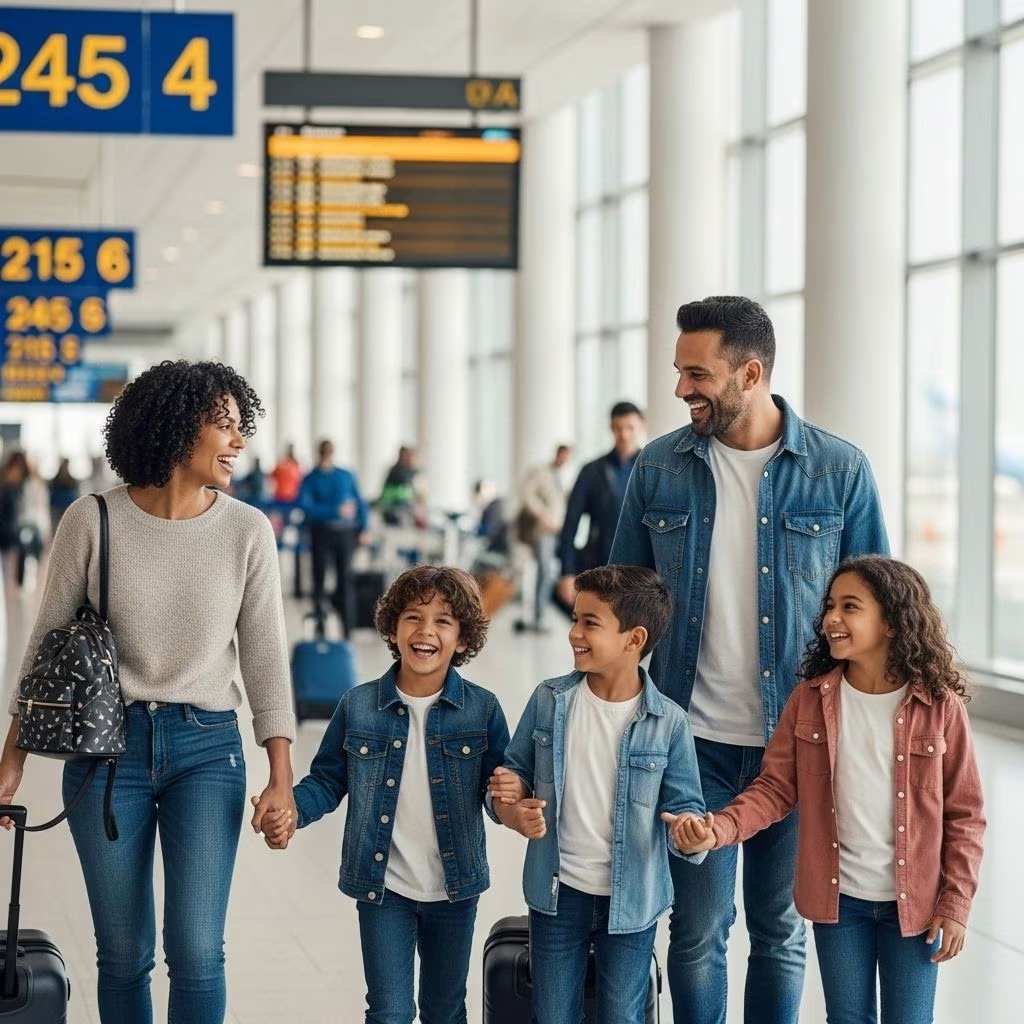
Family vacations create cherished memories, but traveling with kids often comes with unique challenges. Whether you’re headed on a road trip or flying across time zones, a little preparation and smart planning goes a long way towards enjoyable, hassle-free adventures. Drawing on travel experts, frequent-flyer parents, and product testers, this guide covers everything you need to know to make your next family trip a smooth success—from booking strategies to on-the-go entertainment and every snack in between.
1. Book Far, Far in Advance
Early planning is your best friend when traveling with children. Book flights, hotels, and car rentals as early as possible to take advantage of early-bird rates and greater availability. This is especially important during school holidays or peak travel seasons when demand is high. Not only will you secure the best prices, but you’ll also have more choices for seating arrangements on planes, room types at hotels, and car rental models that fit your family’s needs.
2. Research and Choose Kid-Friendly Destinations
All family travel adventures are easier when the destination does some of the heavy lifting. Look for resorts and locations that offer child-friendly amenities—like playgrounds, pools with lifeguards, kids’ clubs, and family suites. Do a deep dive online to find out about family discounts on activities, and check if restaurants nearby are welcoming to young diners. Some parents find it helpful to choose destinations famous for family travel, such as those that frequently win family travel awards or are recognized by expert organizations for kid-focused excellence.
3. Involve Your Kids in the Planning Process
Getting children excited about the trip helps things go smoothly. Depending on their age, involve your kids by letting them select a few activities, pack their own small bag, or read about the destination ahead of time. This sense of ownership often leads to better cooperation during the trip and gives them something to look forward to.
4. Make a Thorough Packing List—and Start Early
Traveling families swear by detailed, organized packing lists. Write out everything you’ll need—from travel documents and medicine to favorite comfort items. Many parents double-check and update these lists across several days. Pro tip: Save digital packing lists in a shared family document so everyone can contribute or double-check before you leave.
- Don’t forget items like portable chargers, child-safe headphones, and a change of clothes for each family member in your carry-on.
- Include must-haves such as passports, boarding passes, insurance cards, and any medication or allergy alert bands.
5. Prep Travel Documents and Emergency Info
In addition to passports and boarding passes, prepare backup copies of essential documents (both digital and hard copy). Make a “cheat sheet” including travel dates, emergency contacts, confirmation numbers, hotel addresses, and the names of everyone in your party. Share this with each family member and keep a copy accessible on your phone or in a family group folder online. This tip helps minimize stress in case of lost items or last-minute changes.
6. Pack Smart and Stay Organized
Use packing cubes, labeled Ziploc bags, or color-coded luggage tags for each family member. Stash a change of clothes or at least spare shirts for everyone in your carry-on, especially for long flights or layovers. Consider rolling clothes to maximize suitcase space and prevent wrinkles.
7. Opt for Nonstop Flights or Strategic Layovers
Whenever possible, book direct flights to avoid the hassles of changing planes with kids in tow. If you must take a connecting flight, allow plenty of buffer time for bathroom trips, meals, and unpredictable delays.
8. Align Travel Time to Nap or Bedtime
Plan departures during your child’s typical sleep window—if they’re good travel nappers. Sleeping through a long stretch of travel means fewer meltdowns and a calmer trip for all. If your child doesn’t nap easily away from home, do the opposite and choose a time when they’re well-rested before the journey begins.
9. Return to Familiar Destinations for Less Stress
There’s a reason so many experienced families return to the same favorite destinations or even the same resort year after year. Familiarity means you know the lay of the land, the routines, and what the kids like—minimizing surprises and unnecessary research. Plus, documenting your children growing up in the same spot each year makes for heartwarming family photos.
10. Embrace the Art of the Family Cheat Sheet
This is a quick-access sheet with all critical information for every leg of your trip: travel dates, booking confirmations, addresses, contact info, and emergency plans. Share copies with children old enough to understand, and anyone else traveling with you. It’s peace of mind in your pocket or phone.
11. Keep Routines (Sort Of)
As much as possible, stick to family routines—especially around sleep, snacks, and downtime. Bringing familiar objects, like a favorite stuffed animal or bedtime book, can help maintain a sense of normalcy. However, flexibility is key; new time zones and activities will inevitably disrupt schedules, so be kind to yourself and your little ones if things don’t stay perfectly on track.
12. Pack Smart Snacks—Healthy and Mess-Free
Avoiding “hangry” kids is a top priority. Stock your carry-on with a selection of high-fiber, high-protein snacks. Some ideas include:
- Whole-grain crackers
- String cheese or hard cheese blocks
- Unsweetened applesauce pouches
- Fruit (apples, seedless grapes)
- Split pea crisps, rice cakes
- Individually-wrapped snack bars with minimal ingredients
Avoid nut-based snacks on planes to prevent triggering severe allergies in fellow passengers. Use spill-proof snack containers for easy munching and cleanup.
13. Schedule Downtime—and Don’t Overplan
Leave open spaces in your itinerary for downtime, naps, unstructured play, and spontaneous discoveries. Alternatively, young children (and parents) often need some breathing room to avoid burnout. Embrace the unscheduled moments—they may become the highlight of your trip.
14. Rethink the Hotel Room
If possible, book suites, adjoining rooms, or rental accommodations that offer more space and a kitchen. This makes mealtimes, naptimes, and unwinding easier. Look for properties with laundry facilities, blackout curtains, and child-safe balconies or windows.
15. Plan for Play—On the Go
A few well-chosen travel toys can stave off boredom and squabbles. Choose items that are:
- Quiet (no beeping or electronic music)
- Small and lightweight (fit in a backpack or purse)
- Mess-free (think magnetic drawing boards, sticker books, or reusable coloring pads)
Don’t underestimate the power of old favorites: pipe cleaners, activity books, and a beloved stuffed animal can work wonders.
16. Download Entertainment in Advance
Load up devices with movies, audiobooks, educational games, and playlists before you leave home. Double-check that they’ll work in airplane mode, and bring child-safe headphones. Bonus: choose new shows or games as a travel treat for extra excitement.
17. Set Realistic Expectations
Travel isn’t perfect. Delays, tantrums, and lost luggage happen even on dream vacations. Remind yourself (and your kids) that part of the adventure is learning to adapt. Keep your sense of humor handy and celebrate flexibility as a family value.
18. Assign Responsibilities to Older Kids
Give older children manageable travel tasks: pulling a suitcase, checking off packing list items, or helping with navigation. This builds independence and lightens your load.
19. Bring a Comfort Item (or Two)
For young travelers, a favorite stuffed animal, blanket, or small pillow makes unfamiliar beds and airplane seats cozier. Never underestimate the power of a beloved object to soothe a weary child far from home.
20. Be Ready for Messes
Pack disposable wipes, hand sanitizer, extra zipper bags, and a small first aid kit. Travel inevitably brings spills or sticky hands; being prepared keeps stress at bay.
21. Use Travel Apps to Stay Organized
Keep all travel plans, itineraries, and must-bring checklists in one easily accessible place. Apps like Trello, Google Keep, or specialized travel organizers help everyone see what’s happening next and prevent missed connections or misplaced tickets.
22. Time Bathroom Breaks Strategically
Whether on road trips or waiting at the airport, never pass up a convenient bathroom stop. Give younger children a chance to go even if they say they don’t have to, to avoid emergencies later.
23. Dress in Layers and Pack for Comfort
Layering is key to handling fluctuating temperatures in airports, airplanes, and cars. Dressing children in comfortable, stretch fabrics minimizes complaints and maximizes rest potential.
24. Secure Adult and Child Essentials in Your Carry-On
Keep medications, comfort items, emergency snacks, and a first-day outfit change in your carry-on bag. Lost luggage shouldn’t mean a rough start to your family adventure.
25. Divide and Conquer on Transportation
If traveling with two parents or guardians, split up for strategic boarding: one goes ahead to get seats and settle in, the other boards later with the kids, minimizing wait times in crowded aisles.
26. Choose Seats Strategically
When booking flights, select seats together in advance. If possible, request to be seated near or in a designated family section—sometimes the airline will place families with children together by default, but it’s worth a special request to be positioned directly in front of or behind other families. This not only keeps you together but often results in more understanding neighbors.
27. Double-Check and Secure Car Seats
Confirm your destination’s regulations on car seats and boosters before departure. When renting a car, book the appropriate seat in advance—alternatively, consider bringing your own to ensure proper fit and cleanliness (many modern travel models are lightweight and foldable).
28. Always Allow Extra Time
Family travel takes longer than solo trips: security lines, snack stops, bathroom breaks, and loading up strollers all add minutes. Factor plenty of buffer time into every step of your journey for a stress-free experience.
29. Try Returning to the Same Destination Year After Year
Many experienced family travelers swear by the benefits of repeat visits to a beloved vacation spot or even the same hotel room. Familiarity breeds comfort—kids thrive when they know what to expect, and parents can plan with confidence (and pack lighter) each year.
30. Embrace One-on-One Travel for Sibling Harmony
Splitting up for occasional parent-child trips is a powerful way to build memories and reduce sibling competition. Tailor experiences to each child’s interests for a few days; this focused time together can provide unforgettable bonding and allow quieter kids to shine.
31. Encourage Flexibility and Open-Mindedness
Trips don’t always go according to plan, and flexibility is a virtue worth cultivating in travelers of all ages. Practice “going with the flow” as a family, and model adaptability for your kids. Some of your best moments may come from unexpected detours.
32. Don’t Forget About Travel Insurance
Accidents, cancellations, and illnesses do happen—be sure your family is covered with appropriate travel insurance. Check for policies that cover medical emergencies, lost luggage, and trip interruptions for peace of mind on the road or in the air.
33. Keep Copies of All Key Documents
Store backup copies of passports, travel documents, and vaccination records digitally (in a secure app or email) and on paper. Quick access in an emergency can be invaluable.
34. Use Luggage Tags and Labels
Bright or distinctive luggage tags on every bag help prevent mix-ups and speed up post-trip recovery if a bag gets lost. Kids find it fun to pick out their own colorful tags or stickers and help spot their bag on the carousel.
35. Prioritize Safety and Security
Talk through basic safety procedures with children: what to do if you get separated, how to identify an airport worker or police officer, and memorizing (or carrying) a parent’s cell number.
36. Capture the Memories—But Live in the Present
Take plenty of photos, but don’t miss out on shared experiences by documenting every moment. Encourage kids to draw, journal, or write postcards during downtime for personal mementos of their travels.
Frequently Asked Questions (FAQs)
Q: What are the best snacks for traveling with kids?
A: Opt for healthy, non-messy, protein- and fiber-rich snacks like cheese sticks, fruit, whole grain crackers, and snack bars with minimal sugar. Always avoid nuts on planes due to potential allergies.
Q: How do you handle jet lag or sleep transitions with children?
A: Try to align travel with sleep routines if possible, bring comfort items, and be flexible with schedules as kids adjust. Daytime naps, exposure to daylight, and lots of water help reset everyone.
Q: What’s the best way to keep kids entertained on long trips?
A: A mix of tech-free games (like activity books, magnetic games), downloaded movies or shows, and frequent breaks for movement are most effective.
Q: When should I start planning a family vacation?
A: For peak travel times or complicated itineraries, start researching and booking as far as possible in advance—often six months or more—to ensure best prices and availability.
Q: Is it better to travel with new or familiar routines?
A: Maintaining certain routines (like bedtime) helps, but flexibility is key. Carry some familiar objects for comfort while staying open to new experiences.
References
- https://www.goodhousekeeping.com/life/travel/a30317914/how-to-travel-with-kids/
- https://www.goodhousekeeping.com/life/parenting/a61487251/one-on-one-family-vacations/
- https://www.smuggs.com/views-from-the-notch/good-housekeeping/
- https://www.prnewswire.com/news-releases/majestic-princess-wins-good-housekeeping-2024-family-travel-award-reinforcing-princess-cruises-dominance-in-alaska-301994524.html