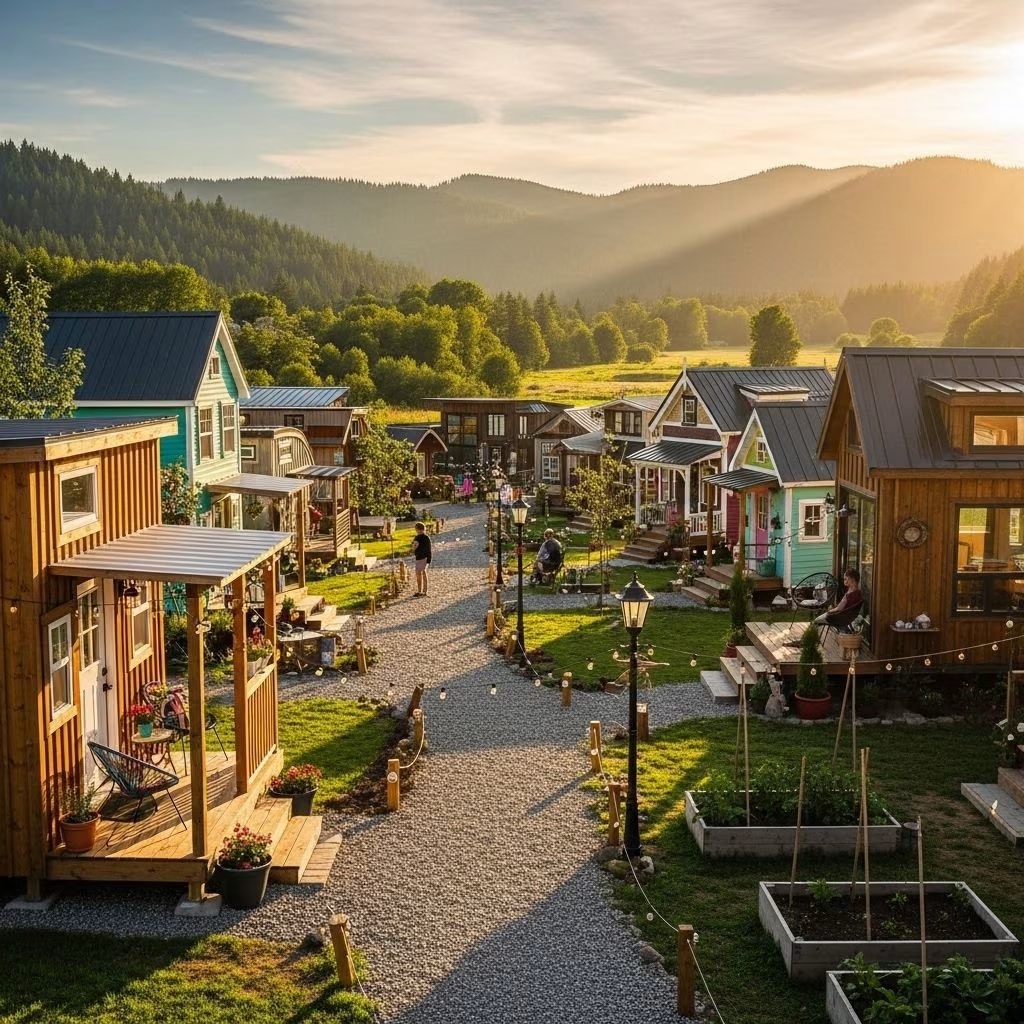
Across the United States, enthusiasm for tiny house living has given rise to a movement that’s as much about the communities formed as the cleverly designed homes themselves. Tiny house villages bring together people seeking sustainability, affordability, and deepened personal connections. Join us as we explore some of the most beguiling tiny house villages in America, each offering its own distinctive take on minimalist living and shared spaces.
What Makes a Tiny House Village?
A tiny house village is more than a cluster of small dwellings. It’s a vision of intentional living built around resourcefulness, shared facilities, and a strong sense of community. Residents often come together with common interests—such as environmental sustainability, financial independence, or creative collaboration—and benefit from both private spaces and vibrant communal amenities.
- Shared amenities might include gardens, kitchens, co-working spaces, or recreation areas.
- Varied house styles, including cottages, cabins, and homes on wheels.
- Community events like workshops, shared meals, and group activities are common.
The result is a lifestyle that prioritizes connection, stewardship of resources, and simplicity—without sacrificing comfort or style.
Across the Map: Standout Tiny House Villages
1. Orlando Lakefront at College Park, Florida
This inviting village was once a classic 1950s RV park transformed into a thriving tiny home community. With its picturesque lake views, Orlando Lakefront blends vacation-like tranquility with easy access to downtown Orlando and major attractions. Residents can lease a lot for their own custom tiny house or try living tiny by renting one of fourteen on-site homes.
- Located on the scenic shores of Lake Fairview.
- Features landscaped grounds, walking areas, and direct water access for kayaking or fishing.
- Mix of long-term residents and vacationers creates a dynamic, neighborly atmosphere.
2. Community First! Village, Austin, Texas
Spread over a sprawling 27 acres, Community First! Village stands out as both a beautiful showcase of alternative housing and a powerful force for good. Created by the Mobile Loaves and Fishes nonprofit, it offers housing to individuals transitioning out of homelessness, using a blend of custom-built tiny houses, RVs, and micro-homes.
- Village includes a market, amphitheater, organic farm, gardens, and even a movie theater.
- More than 250 residents call the community home, each with access to supportive resources and programs focused on dignity and reintegration.
- Architecturally diverse homes reflect the creativity and care at the project’s heart.
3. Cedar Springs Tiny Village, Ohio
Ohio’s first village dedicated to tiny homes, Cedar Springs Tiny Village sits near Natural Spring Resort. This bucolic community offers neatly landscaped lots in a peaceful rural setting. Residents enjoy walking trails, a community garden, fast cable and WiFi, and easy access to a nearby lake for swimming and scuba diving.
- 30 lots available for lease, with stays from short-term to 13 months or longer.
- Nature-lovers delight in the pristine lake and wildlife-rich environment.
- All lots are designed for maximum privacy and green views.
4. Escalante Village, Durango, Colorado
Snuggled at the base of Colorado’s La Plata Mountains at a majestic 6,500 feet elevation, Escalante Village appeals to adventurers and outdoor enthusiasts. Each tiny home sits on a private lot with space for cars and a patio, and residents enjoy easy access to river trails and fly fishing opportunities.
- Lots feature knotty wood pine-clad homes with rustic charm.
- On-site storage available for seasonal gear and supplies.
- Proximity to vibrant hiking, biking, rafting, and fishing experiences.
5. Canoe Bay Escape Village, Wisconsin
This picturesque tiny home retreat is nestled in the serene forests of northern Wisconsin. The Escape Village sits beside two private lakes and hundreds of acres of woodlands, providing luxe, peaceful escapes.
- Offers both vacation rentals and permanent lots for owners of Escape-brand tiny homes.
- Homes boast large windows, premium appliances, and open floor plans.
- Ideal for those craving a woodland getaway with the camaraderie of a close-knit community.
6. Tiny House Block, San Diego, California
Set in the mountains north of San Diego and right along the famed Pacific Crest Trail, Tiny House Block is perfect for outdoor lovers and digital nomads alike. Residents can bring their own tiny home or rent one and immerse themselves in the California wilderness.
- Regular workshops and communal events promote a collaborative atmosphere.
- Proximity to hiking trails and scenic vistas attracts a vibrant, adventurous crowd.
- Community infrastructure includes plenty of space for gathering, working, and relaxing under the sun.
7. Tiny Home Village, Bernalillo County, New Mexico
Dedicated to providing dignified housing for formerly unhoused individuals, Tiny Home Village comprises 30 small homes—each around 120 square feet. The layout emphasizes both privacy and connection, with homes surrounding a central community building equipped with shared amenities.
- Support services, counseling, and communal activities integrated on-site.
- Living room, kitchen, dining, and bathrooms in the main house, reducing the need for large private residences.
- Focused on restorative growth, empowerment, and personal agency.
Tiny House Village Life: Style, Community, and Creativity
If you ask residents what truly sets tiny house villages apart, the answer is almost always the community spirit. Life in these neighborhoods brings together people of every background: recent college graduates, retirees, digital nomads, artists, families, and advocates for environmental and social causes.
- Collaborative environment: Skills and passions are shared, with neighbors exchanging everything from gardening tips to carpentry help.
- Events and workshops: Many villages host regular gatherings—whether it’s shared dinners, sustainability seminars, or craft fairs—to encourage learning and camaraderie.
- Eco-friendly ethos: Tiny living often goes hand in hand with green practices, from solar panels and energy-efficient appliances to car shares and zero-waste initiatives.
Design Inspiration from Tiny Homes
The architecture and interior design in tiny house villages is as diverse as the people who live there. Space is maximized through clever design solutions that balance comfort with functionality.
- Convertible furniture (think Murphy beds, hidden desks, and benches with storage).
- High ceilings and ample windows for natural light and a sense of spaciousness.
- Innovative storage, such as under-stair drawers and built-ins.
- Eclectic, personalized décor reflecting the personality of each resident.
The Social and Environmental Impact of Tiny House Villages
Beyond their appealing aesthetic, tiny house villages are having significant social and environmental impacts across the country:
- Affordable Housing: With rent or mortgage far below traditional homes, these villages make home ownership or stable housing accessible to a broader population.
- Combatting Homelessness: Many communities have emerged as pioneering solutions for helping those experiencing housing insecurity find stability and support.
- Environmental Benefits: Smaller homes require fewer building materials and significantly less energy to heat and cool, reducing each resident’s carbon footprint.
- Revitalizing Neighborhoods: Adaptive reuse of RV parks and under-utilized land brings new life and purpose to towns and cities.
Getting Involved: How to Join a Tiny House Community
Thinking about becoming part of a tiny house village? Here are some tips to get started:
- Visit different villages on short-term stays to find the right fit for your lifestyle and values.
- Research local zoning and building regulations; some areas are much more tiny-home friendly than others.
- If you already own a tiny house on wheels, consider villages that offer pad rentals.
- Many communities are open to custom builds and will provide utility hookups, security, and amenities for your home.
- Participate in village life, including events, meetings, and community gardening, to make the most of shared resources and experiences.
Frequently Asked Questions (FAQs)
Q: What is a tiny house village?
A: A tiny house village is a planned neighborhood of small, often mobile homes, featuring shared facilities like gardens, kitchens, or communal spaces, designed to support sustainable, affordable, and community-oriented lifestyles.
Q: Who can live in these villages?
A: Villages welcome a wide array of residents—singles, couples, families, retirees, and sometimes individuals experiencing homelessness. Every village sets its own policies, but the focus is usually on inclusivity and building a supportive community.
Q: What are the benefits compared to traditional housing?
A: Benefits include significantly lower living costs, environmentally responsible building, deepened neighbor connections, flexibility (for homes on wheels), and vibrant lifestyles rooted in shared spaces and values.
Q: Are tiny house villages legal everywhere in the United States?
A: No. Zoning and building codes vary dramatically. Some cities promote tiny living, while others restrict it. Always check local ordinances before moving or building.
Q: How do I find or join a tiny house village?
A: Start by visiting villages for short-term stays, researching online forums, and networking with tiny house associations. Many communities have application processes and encourage prospective residents to participate in trials before making long-term commitments.
Conclusion
From lakeside retreats in Florida and mountain escapes in Colorado, to socially transformative projects in Texas and New Mexico, tiny house villages offer a vision of American life that’s imaginative, community-based, and deeply welcoming. These villages don’t just change the size of our homes—they reshape how we connect, consume, and care. As the movement grows, it’s clear: small homes can nurture big dreams, and tiny villages can foster truly grand communities.
References
- https://grist.org/living/how-tiny-house-communities-can-work-for-both-the-haves-and-the-have-nots/
- https://www.bobvila.com/articles/tiny-house-communities/
- https://www.countryliving.com/home-design/g1887/tiny-house/
- https://www.countryliving.com/tiny-homes/
- https://www.mycountrycabin.com/article/pros-and-cons-tiny-house-living
- https://quickcountry.com/minnesota-best-for-tiny-home-living/