Inside Amsterdam’s Red Light District: Culture, History, and Controversy
Amsterdam’s Red Light District, locally known as De Wallen, is an iconic part of the city renowned for its blend of centuries-old history, legal prostitution, lively nightlife, and candid approach to some of society’s most taboo topics. While often associated with neon-lit windows and adult entertainment, the district is also a living neighborhood with rich traditions, beautiful canals, and evolving social debates.
The Origins: A Neighborhood Shaped by Water and Commerce
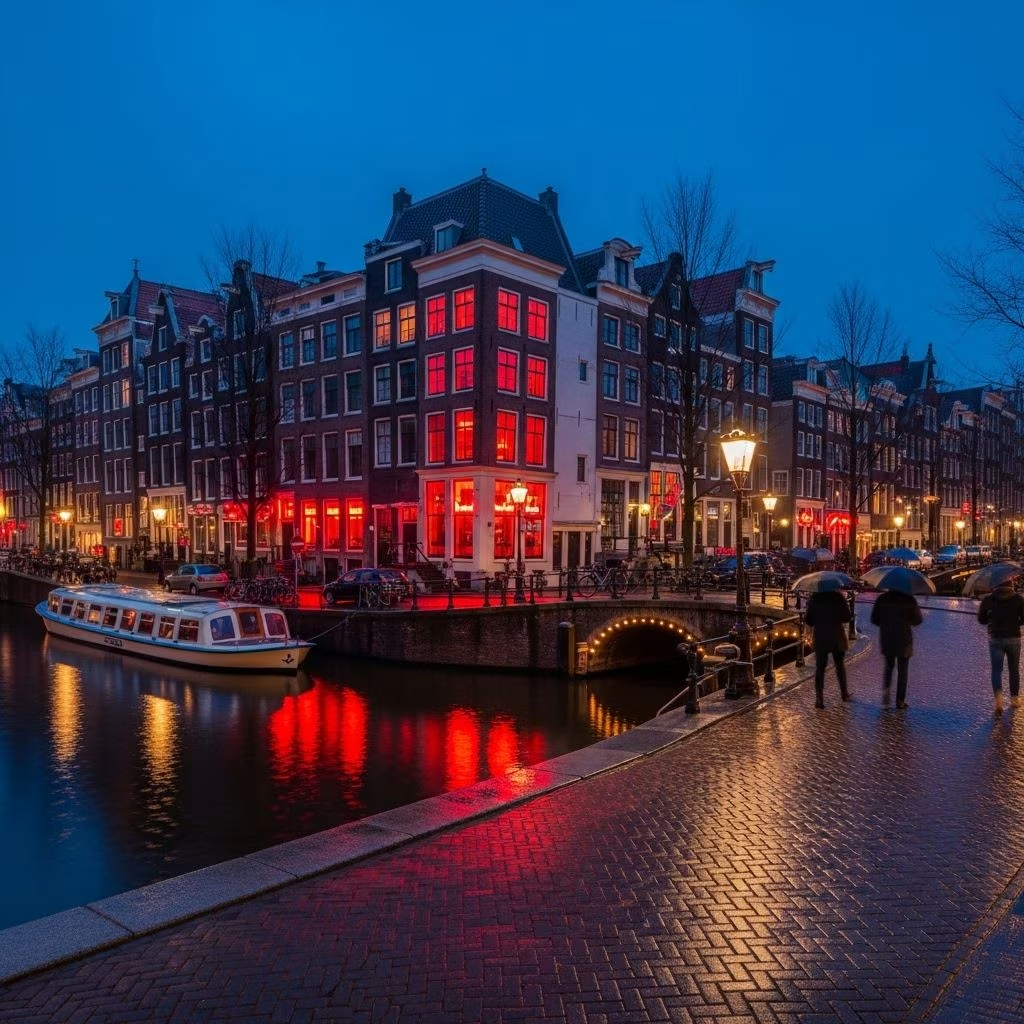
Located at Amsterdam’s medieval core, De Wallen traces its roots to the city’s 14th-century founding. Its maze of canals and narrow alleys once housed sailors, traders, and migrants, making it a melting pot where sex work naturally found a market. In the 17th century—the Dutch Golden Age—the area grew as Amsterdam became a center of global commerce, with bustling taverns and clandestine brothels serving a cosmopolitan clientele.
- Location: De Wallen is bordered by the Oudezijds Voorburgwal and Oudezijds Achterburgwal canals, right in the city’s historic heart.
- Architecture: Look up to find gabled canal houses, centuries-old churches, and some of the finest examples of old Amsterdam construction.
- Function: While prostitution was a feature from early days, the district has always mixed residential, religious, and commercial life.
The Atmosphere: Beyond the Red Lights
Step into the Red Light District and the stereotypes fade: here you’ll find cheerful locals, picturesque bridges, diverse restaurants—including Asian eateries and Argentine steakhouses—charming coffee shops, and families going about daily routines. The area even contains day care centers, reflecting Amsterdam’s tolerant approach to integration.
- Tourism: The district is one of Amsterdam’s top draws, welcoming millions of visitors annually. At night, its narrow streets teem with curiosity-seekers and party-goers, while daytime brings a calmer, almost local vibe.
- Eclectic mix: Historic gay bars and modern cocktail lounges exist alongside hidden churches and trendy boutiques.
- Cultural diversity: The street with Asian restaurants was, just a few decades ago, a haunt of heroin addicts; today, it offers dumplings and ramen in a family-friendly setting.
Prostitution and Legalization: The Dutch Approach
What sets De Wallen apart is Amsterdam’s pragmatic policy toward prostitution. Rather than drive sex work underground, Dutch authorities legalized and regulated the industry in 2000. Today, most window prostitutes operate as independent entrepreneurs, paying taxes and subject to health and safety rules.
- How the windows work: Sex workers rent glass-fronted rooms, illuminated by red lights after dusk. Potential clients pass by, negotiate brief transactions, and move along—no loitering inside is allowed for non-customers.
- Security measures: Rooms are equipped with panic buttons; police patrol the area regularly. Sex workers must be over 18, and efforts are ongoing to prevent trafficking.
- Worker rights: Many prostitutes belong to unions and advocacy groups, giving them a collective voice for improvement.
Common Questions About Window Prostitution
- Is photography allowed? No. Photographing sex workers is strictly forbidden and aggressively enforced.
- Are sex workers legal residents? Typically, yes. Residency requirements help prevent exploitation, though illegal trafficking is a persistent concern.
Beyond Sex: Local Life and Neighborhood Rhythm
While De Wallen’s erotic displays attract attention, the district pulses with normalcy. Residents shop at local groceries, children attend nearby schools, and traditional bakeries operate next to souvenir stores. The area is both lived-in and visited, balancing two worlds at once.
- Daily living: Some of Amsterdam’s prettiest canals cut through De Wallen, and locals are fiercely proud of their community’s resilience.
- Celebrations: Festivals and public events—like King’s Day—turn the neighborhood into a sea of orange and revelry, with families and tourists sharing the streets.
Coffee Shops and the spirit of Tolerance
Another feature of the Red Light District is Amsterdam’s world-famous coffee shops, which sell cannabis for recreational use. The Dutch believe it is better to tolerate and regulate marijuana use than criminalize it. Each coffee shop offers a menu of strains with various effects—from energizing sativas to relaxing indicas—and tourists can buy pre-rolled joints or loose flower.
- No hard drugs: Selling cannabis is tolerated within limits, but hard drugs remain strictly illegal.
- Atmosphere: These coffee shops are laid-back social spaces, often filled with people chatting, reading, or playing board games.
Challenges: Overtourism, Crowding, and Change
De Wallen’s fame has a downside. In the evenings, the area can become densely packed—sometimes uncomfortably so—with groups of revelers and tour groups. Overtourism brings noise, litter, and pressure on local services, leading the city to regulate guided tours, limit group sizes, and increase enforcement of public order rules.
| Issue | City Response |
|---|---|
| Excessive Tourism | Tour restrictions, crowd control, new routing of walking tours |
| Respect for Workers | Fines and escorting away visitors who violate the no-photo policy |
| Neighborhood Balance | Encouraging other attractions, promoting dignity and safety |
Recent measures seek to preserve quality of life for residents and workers alike, while ensuring tourists can appreciate the uniqueness of the neighborhood without overwhelming it.
Visitor Etiquette and Essential Tips
- Respect privacy: Never photograph sex workers, their windows, or entrances to brothels.
- Keep moving: Avoid crowding doorways or blocking sidewalks—this ensures privacy and the flow of local life.
- Be considerate at night: Noise levels rise quickly, but families and residents live just above the street.
- Stay aware: Like any busy urban district, pickpocketing can occur in crowds.
Historic Landmarks and Hidden Gems
- Oude Kerk (Old Church): Amsterdam’s oldest building, founded in 1213, now houses exhibitions and concerts in its majestic Gothic sanctuary. It stands at the literal heart of the Red Light District.
- Canal architecture: Wander the bridges and admire centuries-old gables lining cobbled lanes.
- Secret courtyards: Look for tiny alleys opening into quiet courtyards—remnants of convents and almshouses that once peppered the area.
Stories From the Community: Life, Work, and Change
Notable residents have shaped the Red Light District’s history. For instance, the Fokken Twins—retired sex workers who spent 50 years in the business—have become local legends, sharing stories of camaraderie, challenge, and transformation. Today, former workers can be found running bars, managing museums, or conducting tours, offering invaluable insider perspectives.
- Union presence: Sex worker unions advocate for better conditions and public respect.
- Safety initiatives: Local authorities collaborate with NGOs to offer support to those who wish to exit the profession or who face exploitation.
The Debate on the District’s Future
As Amsterdam modernizes, the Red Light District faces existential questions:
- Should sex work be pushed out of central Amsterdam? Some advocate moving window brothels to less prominent areas in the name of public order and dignity; others warn this could push sex work underground and increase risk.
- How to ensure safety and freedom of choice? Many call for greater resources for those wishing to leave prostitution, while preserving autonomy for workers who choose to stay.
- How to balance tourism, commerce, and authentic local life? The district’s vibrancy relies on a delicate harmony between visitors and those who call the area home.
Frequently Asked Questions (FAQs)
Q: Is the Red Light District safe for tourists?
A: Yes, it is generally very safe. It’s among the most heavily policed parts of Amsterdam and pickpocketing is the main risk. Simply follow standard urban precautions and respect local rules.
Q: Can you visit the district during daytime?
A: Absolutely. Daytime visits offer a different perspective—fewer crowds, open shops and cafes, and a more relaxed atmosphere. The architecture is more visible and locals are out and about.
Q: Are there age restrictions for entering the Red Light District?
A: While walking the public streets is not age-restricted, minors are not permitted in adult entertainment venues or coffee shops.
Q: Is prostitution legal across the Netherlands?
A: Yes, under regulated conditions. The Dutch government enforces strict licensing, tax, and health requirements for sex work. Illegal trafficking and underage prostitution are prosecuted vigorously.
Q: Are guided tours available?
A: Yes, though groups are strictly limited in size and tours are restricted during peak hours to minimize disruption. Many tours offer a blend of history, culture, and perspective from local guides and former sex workers.
Final Reflections: Visiting with Openness and Respect
The Red Light District remains an emblem of Amsterdam’s radical openness—its willingness to confront complex issues with candor, creativity, and community spirit. Whether you’re drawn by curiosity, controversy, or culture, walking these storied streets offers lessons in tolerance, resilience, and the ever-shifting boundaries of tradition and change.
- Embrace the contrasts: The juxtaposition of churches and brothels, business and pleasure, history and novelty, defines this neighborhood.
- Engage thoughtfully: Listen to local voices—from residents and workers to historians and activists—to gain a deeper appreciation for what makes De Wallen unique.
- Leave a positive mark: Be a responsible traveler: support local businesses, follow etiquette, and respect the community you’re visiting.
References
- https://www.ricksteves.com/travel-tips/travel-classes/monday-night-travel/amsterdam-red-light-district
- https://community.ricksteves.com/travel-forum/netherlands/red-light-district-tour-in-amsterdam
- https://www.ricksteves.com/watch-read-listen/video/tv-show/season-8/amsterdam
- https://www.youtube.com/watch?v=pz7Yi4v0cuo
- https://community.ricksteves.com/travel-forum/netherlands-reviews/amsterdam-red-light-district-496c1199-f65a-4005-956a-2e584d22d6c1
- https://community.ricksteves.com/travel-forum/netherlands/red-light-district-tour-in-amsterdam-4c8eeb59-d0db-464a-a11e-15f20db2a624
- https://community.ricksteves.com/travel-forum/netherlands/red-light-distrct-with-a-room-with-character
- https://www.wgbh.org/tv-shows/rick-steves-europe/clip/rick-steves-europe-amsterdam-netherlands-coffeeshops-and-red-light-district