The Basque Country of Spain & France: A Legendary Cross-Border Experience
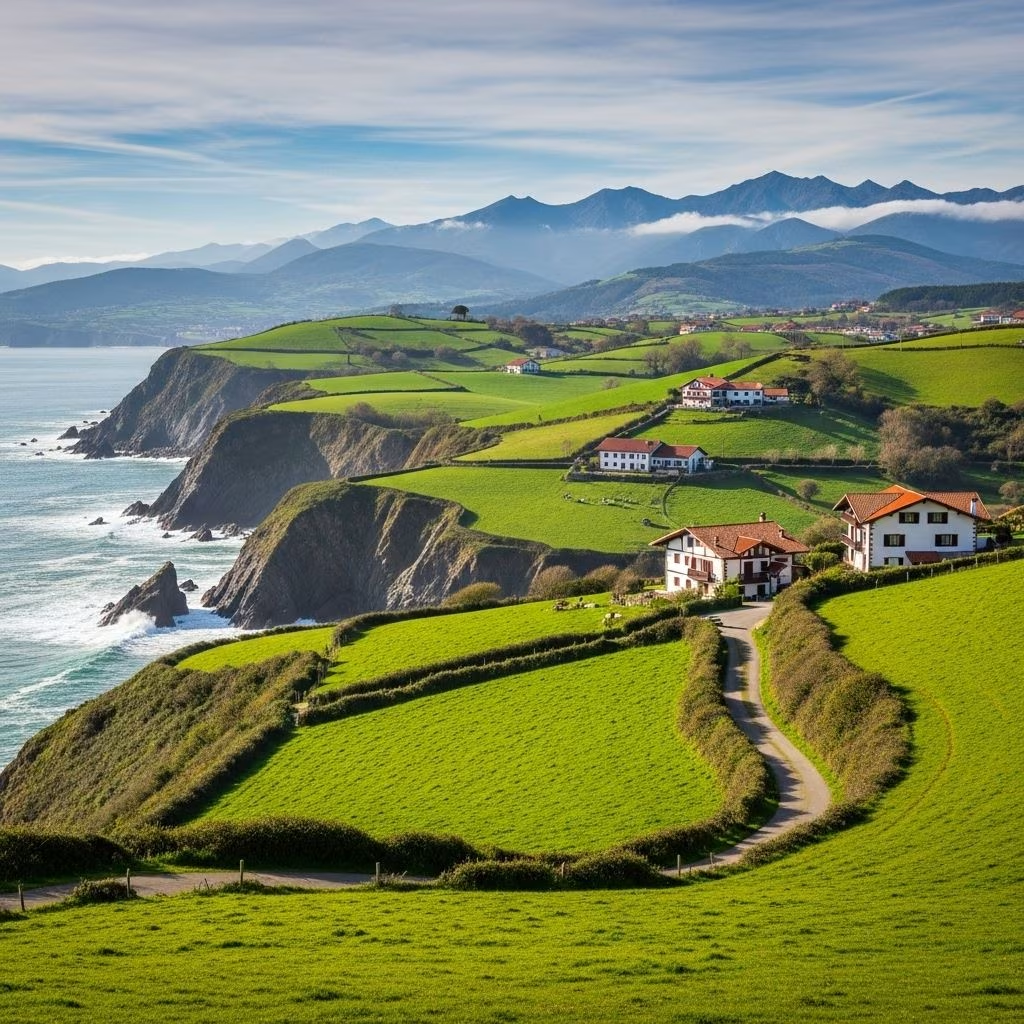
The Basque Country is a remarkable region, straddling northern Spain and southwestern France, renowned for its distinct culture, language, world-famous gastronomy, and dramatic landscapes. Shaped by the rolling Pyrenees and the wild Atlantic coast, it’s a land proud of its identity, offering travelers a tapestry of vibrant towns, historic villages, legendary cuisine, and warm hospitality. This immersive nine-day journey, inspired by leading expert itineraries, lets you embrace the essence of the Basque world—old and new—through unforgettable moments in Bayonne, the pilgrimage mecca of St-Jean-Pied-de-Port, Pamplona, scenic highlands, San Sebastián, Guernica, and Bilbao’s modern wonders.
What’s Included in a Basque Country Tour
- Guided walking tours of historic Bayonne, Pamplona, San Sebastián, Guernica, and Bilbao
- Museum admissions, including the celebrated Guggenheim Museum in Bilbao and the Museum of Basque Culture in Bayonne
- Exclusive Basque culinary experiences, such as a private Pamplona Sociedad lunch and regional wine tastings
- A pilgrimage walk along part of the Camino de Santiago
- Immersive visits to a working Basque sheep farm
- Scenic drives through the French and Spanish Basque countryside and the Pyrenees
- Evenings for relaxing or savoring local pintxos (Basque tapas) at your own pace
- Eight nights in centrally located, characterful hotels
- Group transportation by private coach, breakfasts daily, and select lunches and dinners
- Small group size (typically 24–28 people) for a relaxed, authentic travel experience
Itinerary Highlights: 9 Days in the Basque Country
This cross-border adventure unfolds as more than a sightseeing tour—it’s an invitation to experience the pulse of Basque society. Each day balances curated group activities with opportunities for personal exploration and sampling local flavors. Here’s what awaits:
Bayonne and the French Basque Coast
Begin your journey in Bayonne, a city where classic riverside charm meets robust Basque traditions. Embark on a guided walking tour through its inviting old town: admire half-timbered houses, stroll the lively riverfront, and browse boutiques displaying famed Bayonne ham and chocolate. The Museum of Basque Culture provides rich, interactive insights into local customs, language, and folk art. Bayonne’s strategic location also allows easy side trips to glitzy Biarritz or coastal villages like St-Jean-de-Luz, known for their unique blend of French elegance and Basque bravado.
St-Jean-Pied-de-Port and the Pyrenees
Venture inland to St-Jean-Pied-de-Port, the historic French gateway to the legendary Camino de Santiago pilgrimage. Walk centuries-old cobblestone streets once traversed by pilgrims, discover artisan boutiques beneath reddish stone arches, and take in sweeping mountainous views framing the town. The drive over the Pyrenees—a natural, rugged border—offers panoramic vistas that symbolize the frontier spirit of the Basque people. This region reveals a rural Basque lifestyle still centered on local farming, sheepherding, and timeless hospitality.
Pamplona: Beyond the Running of the Bulls
Arrive in the Spanish Basque city of Pamplona, best known for its exhilarating, centuries-old San Fermín festival and the famous “Running of the Bulls.” Yet Pamplona’s identity is richer than its annual spectacle. On a walking tour, discover medieval city walls, grand squares, and vibrant local markets. Gain rare access to a private dining society (sociedad), an institution at the heart of social life, where locals gather to cook, eat, and celebrate together. Here, you’ll savor authentic dishes in a convivial setting rarely open to outsiders.
Camino de Santiago: Experience the Pilgrims’ Path
Step for a morning onto the fabled Camino de Santiago trail. Walk a scenic stretch of this ancient pilgrimage route, absorbing the landscape and camaraderie that have inspired spiritual travelers for centuries. Experience the quiet reflection and sense of purpose that the Camino imparts, whether you’re a seasoned hiker or a casual walker.
Basque Wine Country: Tasting and Terroir
No visit to the Basque Country is complete without a journey into its acclaimed wine regions. Enjoy a hosted wine tasting and lunch at a local vineyard, sampling crisp, slightly sparkling Txakoli and robust reds paired with tapas. The Basque approach to viticulture is deeply rooted in tradition, emphasizing harmony between land, grape, and community.
San Sebastián: Seaside Sophistication
Arrive in San Sebastián (Donostia), a jewel on the Cantabrian coast celebrated for its sun-drenched beaches, Belle Époque architecture, and world-class gastronomy. A guided walking tour explores the stunning La Concha bay, vibrant Parte Vieja (Old Town), and local markets teeming with fresh seafood. The city is a paradise for pintxos lovers: small, creative tapas best enjoyed hopping from bar to bar in the evening. Enjoy free time to swim, sample more cuisine, or simply soak in the city’s vibrant energy.
Basque Rural Traditions: A Sheep Farm Immersion
Visit a working Basque sheep farm, where you’ll witness age-old methods of cheese making, sheep herding, and rural life. Engage with hosts eager to share their family stories and the essentials of self-sufficiency in the Basque hills. Enjoy a farm-fresh meal and experience the authenticity of Basque hospitality.
Guernica: History, Memory, and Resilience
On your way to Bilbao, pause in Guernica (Gernika), a town etched into history by Picasso’s famous painting depicting the 1937 bombing during the Spanish Civil War. Visit the moving Guernica Peace Museum, the revered Oak of Guernica (symbol of Basque freedom), and see the city’s poignant mural tribute. This stop evokes solemn reflection on the themes of tragedy, endurance, and ongoing cultural identity.
Bilbao: Old Town Meets Modern Marvels
Conclude the journey in Bilbao, where the city’s gritty industrial past meets futuristic architectural icons. A guided tour reveals the maze of the Casco Viejo (Old Town) with its bustling mercado, lively plazas, and ornate 19th-century buildings. The standout is Frank Gehry’s shimmering Guggenheim Museum: both an artistic pilgrimage and a symbol of Bilbao’s creative rebirth. Unwind as you wish—by delving deeper into the city’s art scene, discovering new eateries, or enjoying the riverside promenades. A festive farewell dinner brings together newfound friends and memories, toasting the spirit of “Topa!”
End of Tour and Departure
The formal tour concludes after a farewell breakfast in Bilbao, with easy connections to Madrid and major European gateways via the city’s well-linked airport. Your guide will provide tips for extending your travels or returning home, ensuring a seamless next chapter to your European adventures.
Physical Demands & Travel Practicalities
The Basque Country rewards active exploration. Expect brisk walking tours (2–6 miles per day), cobblestone streets, occasional stairs, and the unpredictability of Atlantic weather. Pack light, sturdy shoes and prepare for some late dinners—Basque culture is renowned for its leisurely, joyful approach to meals and evenings out. Hotels are typically centrally located, sometimes in lively areas where street noise is part of urban charm. Many accommodations may lack full air conditioning, reflecting authentic local styles.
- Carry luggage over uneven terrain and possibly up narrow stairways
- Stand and walk for up to three hours at a time
- Adapt to local customs, including later mealtimes
- Navigate new towns independently following group orientation
Flexible tour logistics allow plenty of freedom for personal discovery while benefiting from expert guidance and insider access to local experiences.
Memorable Moments: Travelers’ Impressions
Past guests consistently rave about immersing in Basque culture—through food, community, and history. An authentic meal in a Pamplona private society stands out as a highlight, as does witnessing the mural tribute to Picasso’s Guernica. Others cherish feeling completely welcomed in local homes, or the emotional impact of standing in places marked by endurance and tradition. The blend of guided experiences and independent time is praised for offering both structure and spontaneity.
Sample Traveler Feedback
- “I loved learning about Basque culture and then experiencing it through food, art, and the people. The guides made it feel personal by sharing their own experiences.”
- “The French side is more ‘French’ while Spain’s side feels more ‘Basque’. Enjoyed the Camino in St-Jean-Pied-de-Port, riding through the Pyrenees, and wandering in Pamplona.”
- “The replica of Picasso’s ‘Guernica’ mural in the town—so impactful, a powerful reminder of recent history.”
Basque Country Essentials: Food, Language, and Culture
What defines the Basque Country? Start with its ancient language, Euskara, which is unrelated to any other in Europe. Pride in unique identity runs deep, evident in sports, music, and everyday customs. Basque cuisine is justly legendary—centering on fresh, local ingredients and communal dining experiences such as pintxos in bars or slow feasts at sociedades. Culinary innovation thrives alongside tradition: in San Sebastián alone, dozens of Michelin stars blaze next to neighborhood taverns. The region’s vineyards, markets, and coastal fisheries ensure every meal is a celebration.
- Try Txakoli (white wine), Idiazabal cheese, and Basque cider
- Sample a range of pintxos such as grilled seafood, local cured meats, and creative vegetarian bites
- Experience traditional festivals, folk music, and rural sporting events
Frequently Asked Questions (FAQs)
Q: Is the Basque Country safe and easy to travel?
A: Yes, the Basque Country is widely regarded as safe, with welcoming locals and efficient transportation. Major towns have walkable centers and are linked by trains and buses. English is spoken in tourist areas, though learning a few Spanish or Basque phrases is helpful.
Q: When is the best time to visit?
A: Late spring through early fall offers the best weather, with pleasant temperatures for sightseeing and hiking. High summer can be lively in beach towns but still comfortable thanks to the coastal climate.
Q: What should I pack?
A: Bring lightweight layers, a rain jacket, sturdy walking shoes, and a daypack. Evenings can be cool, and sudden showers are not uncommon along the coast.
Q: Are meals and entrance fees included?
A: Premium tours typically include all breakfasts, select lunches and dinners, and entry to major museums and attractions. However, you cover the cost of personal snacks, drinks, and some meals to allow for flexibility and independent discoveries.
Q: Is the tour physically demanding?
A: The trip includes moderate walking (up to 6 miles per day), uneven streets, and occasional hill climbs. While not strenuous, a baseline level of fitness will maximize enjoyment.
Basque Country at a Glance: Key Destinations Table
| Destination | Highlights | Signature Experience |
|---|---|---|
| Bayonne | Historic Old Town, Museum of Basque Culture, riverside life | Tasting Bayonne ham and chocolate |
| St-Jean-Pied-de-Port | Camino de Santiago starting point, Pyrenees scenery | Pilgrims’ trail walk |
| Pamplona | Historic walls, Running of the Bulls route, private society meal | Dining at a sociedad |
| San Sebastián | Bay beaches, Old Town, pintxos culture | Pintxos bar crawl |
| Guernica | Peace Museum, Oak of Guernica, wartime mural | Historical reflection and resilience |
| Bilbao | Guggenheim Museum, Casco Viejo, vibrant gastronomy | Modern art and farewell dinner |
Plan Your Basque Country Adventure
The Basque Country offers a stunning array of experiences for culturally curious travelers. Whether you’re drawn by world-class cuisine, scenic coastlines, living traditions, or simply the thrill of discovery, this region delivers. Every itinerary can be tailored, blending structured exploration with time for your own adventures—because in the Basque Country, the true joy is in the balance between old and new, city and coast, and always, shared celebration at the table.
References
- https://www.ricksteves.com/tours/spain/basque
- https://store.ricksteves.com/shop/p/basque-country-guidebook
- https://www.ricksteves.com/watch-read-listen/video/tv-show/basque-country
- https://www.ricksteves.com/europe/spain/basque-country
- https://www.ricksteves.com/watch-read-listen/read/articles/the-best-of-the-basque-country
- https://www.ricksteves.com/watch-read-listen/video/basque-country-san-sebastian
- https://community.ricksteves.com/travel-forum/tours/tour-report-basque-country-of-spain-and-france-september-22-30-2023
- https://www.youtube.com/watch?v=5-mZF3YcjB4
- https://www.youtube.com/playlist?list=PL6F0745B2AA278600