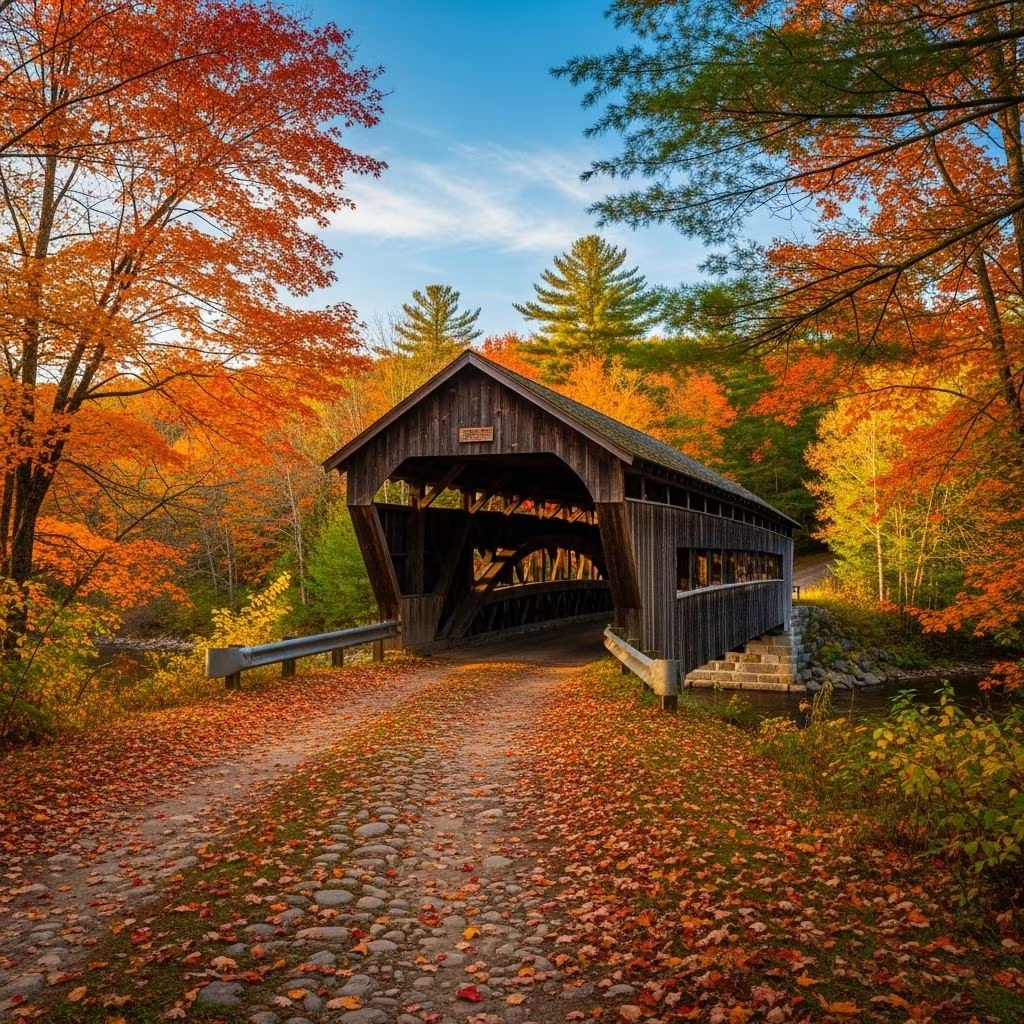
As autumn transforms the American landscape into a tapestry of gold, crimson, and orange, there is no better way to take in the seasonal beauty than by visiting some of the country’s most charming covered bridges. These iconic wooden structures, dotted across rural roads and over peaceful rivers, evoke nostalgia and offer the perfect backdrop for leaf-peeping, photography, and memorable fall road trips. Whether you’re seeking history, romance, or natural splendor, discover our country’s finest fall covered bridges and tips for exploring them.
Why Covered Bridges Are Iconic in Autumn
Covered bridges hold a unique place in American folklore and engineering. Built mainly in the 19th and early 20th centuries, their charming timber roofs protected delicate trusses from harsh weather, helping the bridges last decades longer.
Loved for their:
- Architectural beauty and variety—each bridge is one-of-a-kind in its design and history
- Atmospheric charm—perfect for fall photos, wedding proposals, and scenic drives
- Historic romance—often nicknamed “kissing bridges” for their private, secluded passageways
- Practicality—keeping roadways passable across rivers before modern infrastructure
Today, these landmarks are celebrated as treasured pieces of Americana, drawing visitors from far and wide—especially during peak fall foliage season.
Must-See Covered Bridges Across America
From New England to the Midwest, and through the Appalachian heartland, here are some of the best U.S. covered bridges to visit as the leaves turn:
1. Stowe, Vermont: Gold Brook (Emily’s) Covered Bridge
This quaint, red-roofed bridge—built in 1844 and lovingly preserved—spans Gold Brook near picturesque Stowe. Legend holds it haunted by a jilted bride named Emily, lending an air of mystery. Surrounded by vibrant maples, it’s a classic New England photo stop in autumn.
2. Madison County, Iowa: Roseman Covered Bridge
Thanks to the novel and movie The Bridges of Madison County, this region’s poetic bridges have won hearts nationwide. Roseman, built in 1883, is among the most recognizable, set amid rolling farmland and brilliant foliage each fall.
3. Parke County, Indiana: Bridgeton Covered Bridge
Boasting the title “Covered Bridge Capital of the World,” Parke County is home to 31 historic covered bridges, each celebrated during an annual October festival. The Bridgeton bridge, with its dramatic waterfall backdrop, is a festival highlight and an iconic spot for autumn color.
4. Blair Covered Bridge, Campton, New Hampshire
This tranquil white bridge—built in 1870—spans the Pemigewasset River, framed in gold and scarlet leaves by mid-October. It’s a beloved stop on New Hampshire’s fall foliage tours, with easy access and peaceful riverside views.
5. Sackets Harbor, New York: Burrville Covered Bridge
With origins dating to 1879, the Burrville Bridge stretches beside a woodland waterfall just outside Sackets Harbor. Its weathered wood and rust-red roof look spectacular against a backdrop of turning maple and birch leaves.
6. The Cornish–Windsor Covered Bridge, New Hampshire-Vermont Border
At 449 feet, this bridge claims status as the longest wooden covered bridge in the U.S. Enjoy panoramic views of the Connecticut River valley ablaze with autumn leaves, plus the charm of two historic small towns.
7. Red Covered Bridge, Illinois
Located in Princeton, this 1863 bridge is the oldest in Illinois and offers timeless rural views—especially in October, when surrounding woods erupt in orange and gold. It’s a hidden gem for Midwest travelers and history buffs alike.
8. Richland Creek, Arkansas: War Eagle Covered Bridge
This photogenic bridge stands at the edge of the Ozarks, admired for its stark white trusses and hardwood forests that flame with fall color well into November. The nearby War Eagle Mill adds to the area’s nostalgic appeal.
9. Sinking Creek Covered Bridge, Virginia
One of only a handful of remaining public covered bridges in Virginia, Sinking Creek’s 1916 wooden span is nestled in the rolling highlands, offering a window into Appalachian history amid beautiful oak forests blazing with autumn colors.
10. Swann Covered Bridge, Alabama
The longest covered bridge in Alabama, Swann Bridge (built in 1933) arches gracefully over the Locust Fork River and is surrounded by oak, hickory, and sweetgum in full fall glory, making it a top destination in the Southeast.
Planning Your Covered Bridge Road Trip
Make the most of your autumn adventure with these expert planning tips:
- Choose your region: New England offers density and flamboyant colors (late Sept–early Oct), while the Appalachians and Midwest feature bridges amid gently rolling countryside and vibrant late-October leaves.
- Time your visit: Foliage peaks vary—use fall foliage prediction maps for each region.
- Pack your camera: Bridges make gorgeous subjects, especially with the soft lighting of morning or late afternoon.
- Check local festivals: Many towns host seasonal celebrations (e.g., Parke County’s Covered Bridge Festival in Indiana).
- Practice safety and respect: Park legally, heed traffic signs, and never climb on structural elements. Most bridges are still in use or located on narrow country roads.
Covered Bridges by Region
The variety and architectural character of America’s covered bridges are influenced by region. Here’s a snapshot:
| Region | Notable States | No. of Bridges (approx.) | Foliage Peak |
|---|---|---|---|
| New England | Vermont, New Hampshire, Massachusetts | 200+ | Late Sept – Mid Oct |
| Midwest | Indiana, Iowa, Illinois, Ohio | 350+ | Mid Oct |
| Appalachia/South | Virginia, North Carolina, Alabama | 150+ | Mid–Late Oct |
| West | Oregon, California | 50+ | Mid–Late Oct |
Regional Highlights and Hidden Gems
Some bridges are icons, drawing thousands every autumn, while others are best-kept secrets. Don’t miss:
- Vermont’s Village Bridges: Small towns like Woodstock and Johnson feature delightful bridges at every turn on scenic byways.
- Covered Bridge Festivals: Parke County (IN), Ashtabula County (OH), and Madison County (IA) offer driving tours and events.
- Photographer’s Favorites: Jack O’Lantern Resort Covered Bridge in New Hampshire for early morning mist and dramatic light.
- Historic Sites: The rebuilt Foster Covered Bridge in Rhode Island stands as a tribute, despite its troubled past.
The Romance and Legend of Covered Bridges
Covered bridges are woven into cultural memory as places of shelter, courtship, and community:
- Known as “kissing bridges” where couples could steal a private moment
- Linked to ghost stories and local legends (e.g., Emily’s Bridge in Vermont)
- Thought to protect travelers—horses would cross more calmly on covered bridges, less fearful of rushing water below
This aura of romance and folklore makes each bridge more than just a feat of engineering—it is a storybook setting brought to life, especially beneath a colorful autumn canopy.
Preservation Challenges and Success Stories
Many of America’s covered bridges have survived against considerable odds. Some face threats from:
- Floods and hurricanes—often washing bridges off their supports, yet many are reconstructed
- Fires, frequently due to arson, have necessitated full rebuilds of several treasures
- Neglect and age, as modern roads bypass or replace old crossings
Communities passionate about heritage often rally to restore and celebrate bridges. Notable examples include:
- The rebuilt covered bridge in Foster, Rhode Island—reborn after arson thanks to volunteer efforts
- Vermont’s Taftsville Bridge, restored following Hurricane Irene’s devastation
Tips for Visiting Fall’s Best Covered Bridges
- Arrive early for tranquil, lightly trafficked visits and soft golden light
- Respect private property—some beautiful bridges can be viewed from the road
- Dress for the weather and for walking gravel or wooded paths
- Combine bridge stops with local attractions—waterfalls, towns, and parks
- Plan extra time for seasonal events, as popular bridges draw crowds
Frequently Asked Questions About Fall Covered Bridges
Q: When is the best time to visit covered bridges for peak fall foliage?
A: Prime viewing times vary by region—late September to mid-October in New England, mid-October in the Midwest, and late October in the South. Always check local foliage reports.
Q: Are all covered bridges open to vehicle traffic?
A: No. Some bridges are open to vehicles, while others are pedestrian-only or closed for preservation. Respect posted signs and guidance at each location.
Q: Are covered bridges only found in New England?
A: While New England has a high concentration, covered bridges are found throughout the U.S.—from Alabama and Virginia in the South, to Indiana and Ohio in the Midwest, and even in the Pacific Northwest.
Q: Can I photograph covered bridges?
A: Yes! Fall is the ideal time for photography, but please respect private land and any posted restrictions. Drones may be limited, so check local regulations.
Q: Are there any etiquette guidelines for visiting covered bridges?
A: Yes—drive or walk carefully, do not climb on or deface bridges, and yield to other visitors and local traffic. Leave no trace to preserve these treasures for future generations.
Start Your Own Covered Bridge Journey This Fall
Crossing a covered bridge in autumn is an American rite of passage—one that combines scenic grandeur, history, romance, and a sense of bygone community. Whether you plan a leaf-peeping drive through rural Vermont or seek a quiet photo moment in Indiana, you’ll find these bridges offer more than safe crossing: they provide a portal into America’s heart and heritage. Don’t miss the chance to make your own memories beneath the turning leaves this fall.
References
- https://www.pattyj.com/full-blog/2024/10/1/35htrs126yjjrp9fb27hd3mnzz
- https://jeff-foliage.com/2020/04/02/our-fascination-with-covered-bridges/
- https://town-n-country-living.com/fall-leaf-peeping-and-covered-bridges-in-southern-indiana.html
- https://lynchburgliving.com/virginias-covered-bridges/
- https://www.countryliving.com/life/travel/g3652/fall-covered-bridges/
- https://theweek.com/culture-life/travel/road-trips-autumn-covered-bridges-virginia-south-dakota-indiana
- https://rethinkrural.raydientrural.com/blog/the-covered-bridges-of-alabama
- https://jeff-foliage.com/2024/04/06/montgomerys-covered-bridges-icons-of-vermonts-rustic-beauty/