Planning a trip to Germany involves more than picking destinations and booking hotels. With varied weather, vibrant festivals, and regional events, the timing of your visit profoundly shapes your experience. This in-depth guide explores seasonal highlights, climate patterns, crowds, and travel tips, so you can choose the best time to visit Germany for history, culture, relaxation, or adventure.
Germany’s Climate and Weather Patterns
Germany’s climate is considered temperate seasonal, with warm summers, cold winters, and moderate rainfall spread throughout the year. However, local conditions vary due to the country’s diverse landscapes, from the North Sea coast to the Bavarian Alps.
- North and Northwest: Influenced by the North Sea and Atlantic, expect milder winters, cooler summers, and more frequent rain.
- Central Germany: Inland regions experience wider temperature swings, warmer summers, and colder winters.
- South and Bavaria: Winters can bring snow and crisp air; summers are warm, but not excessively hot.
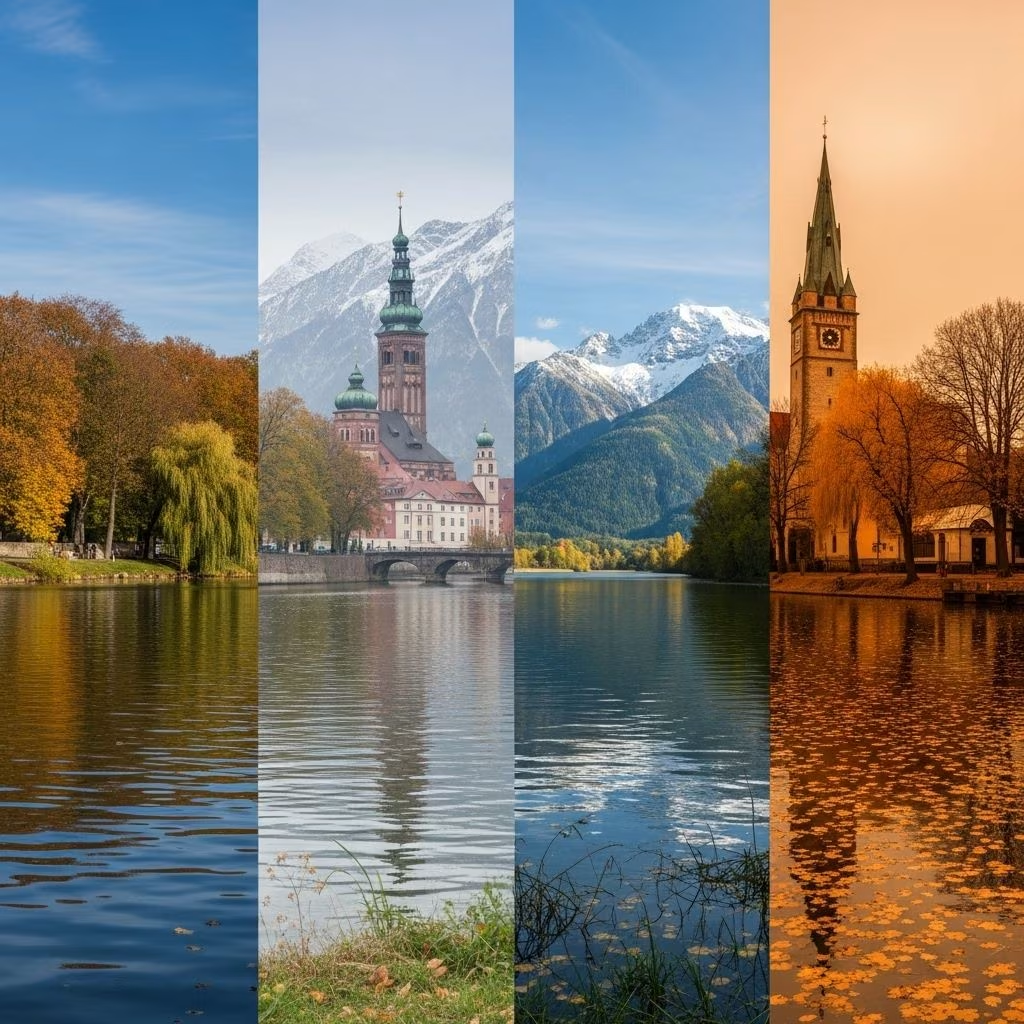
| Season | Typical Temps (°C) | Weather Highlights |
|---|---|---|
| Spring (March–May) | 5–15 | Cool to mild, longer days, flowering parks |
| Summer (June–August) | 15–25 | Warm, lively cities, occasional storms |
| Autumn (September–November) | 8–16 | Mild to chilly, colorful foliage, wine harvests |
| Winter (December–February) | -2–5 | Cold, snow in the South, festive markets |
Tip: Weather can shift rapidly, especially in the mountains. Always check forecasts and pack a mix of layers, waterproof items, and comfortable walking shoes.
High, Shoulder, and Low Seasons in Germany
Like much of Europe, Germany’s travel year is split into distinct travel seasons, each with its own pros and cons:
- High Season (June to August): Warm summer weather, extended daylight, full event calendars, bustling cities, and most expensive prices. Tourist sights and accommodations are busiest.
- Shoulder Season (April–May, September–October): Milder temperatures, fewer crowds, moderate pricing, and still lively festivals. This is often recommended as the optimal time for most travelers.
- Low Season (November–March except holidays): Cold and short days, but museums and indoor attractions can be less crowded. Some rural or small-town accommodations reduce operations.
Special note: December brings a bright, albeit brief, tourist surge due to Germany’s beloved Christmas markets. Hotel prices in major cities can spike.
Best Times to Go: Month-by-Month Guide
Spring (March to May)
Germany awakens as parks and countryside bloom. Early March can still be chilly and gray, but by late April and May, trees burst into leaf and temperatures climb. Crowds are low, making spring a peaceful time for sightseeing.
- Flower shows and gardens begin to open.
- Mild weather is ideal for city strolls and river cruises.
- Notable events: Osterfest (Easter festivals, late March or April), Frühlingsfest (spring beer festivals in Munich and Stuttgart).
- Shoulder-season hotel rates apply.
Summer (June to August)
Germany’s peak tourist season. The weather is reliably warm—sometimes even hot—with daytime temperatures ranging between 20°C-30°C (68°F–86°F) depending on the region. Lively outdoor events, festivals, and extended daylight hours make for full itineraries.
- Experience classic beer gardens across Bavaria and beyond.
- Major festivities: Bachfest Leipzig, Berlin International Film Festival, and open-air concerts nation-wide.
- Families vacation during school holidays—expect big crowds at attractions like Neuschwanstein Castle and along the Rhine.
- Hotel prices and wait times are at their peak.
Autumn (September to October)
The shoulder season returns with pleasant weather, lighter crowds, and vibrant fall colors, especially along the Rhine, Mosel, and in southern forests.
- Wine harvest festivals enliven villages along the Rhine and Mosel rivers.
- Munich’s legendary Oktoberfest draws millions—book accommodations early if visiting in late September or early October.
- Daylight shortens gradually and evenings grow cooler.
- Prime time for hiking, vineyard tours, and leisurely sightseeing.
Winter (November to February)
Germany’s off-season is cold, quiet, and atmospheric, particularly in small towns and mountain regions. The exception is December when Christmas markets (Weihnachtsmärkte) transform squares into magical winter wonderlands, with twinkling lights, mulled wine, and festive wares.
- Best time for winter sports: Visit the Bavarian Alps, Garmisch-Partenkirchen for skiing, sledding, and snowshoeing.
- Major cities offer excellent museums and cozy cafés for escaping the chill.
- Many historic sites and castles may reduce hours or close entirely outside big cities.
- Pack for near-freezing temperatures—even colder in mountain areas.
Crowds, Prices, and Sightseeing: What to Expect
Summer: Expect bustling squares, long lines at major tourist sights (especially in Munich, Berlin, and along the Romantic Road), and higher accommodation costs. Reservations are strongly advised for transportation and hotels.
Spring and Fall: Fewer tourists mean quieter sites and more attentive service at shops and restaurants. Museums, city tours, and public transit are all comfortable and easily accessible at this time.
Winter: Outside the Christmas season and ski resorts, crowds are sparse and prices for flights and hotels dip considerably. Some rural guesthouses and attractions may close for winter or operate on limited schedules.
Regional Variations and Seasonal Planning
Germany’s diverse geography and local traditions mean that timing your trip can influence your route:
- Bavarian Alps: Visit in summer or winter; hiking in warmer months, skiing in winter. Castles like Neuschwanstein are best enjoyed with pre-booked tours to avoid summer queues.
- Rhine and Mosel Valleys: Late spring through autumn brings vine-covered slopes, wine festivals, and scenic boat rides.
- Berlin and Major Cities: Spring and early autumn offer ideal weather for exploring museums, neighborhoods, and nightlife, with outdoor markets and open-air installations in abundance.
- Black Forest: Summer is perfect for hiking and forest walks; autumn brings striking foliage and harvest fairs.
Germany’s Not-to-Miss Events and Festivals
- Oktoberfest (Munich): Late September to early October, world-renowned beer celebration, parades, and folk shows. Book well in advance for accommodations.
- Karneval (Carnival): February, especially lively in Cologne, with costume parades and raucous parties before Lent.
- Christmas Markets: From late November through December, nearly every city and town hosts Weihnachtsmärkte—Nuremberg, Dresden, and Munich are among the most atmospheric.
- Wine Festivals: Fall weekends along the Rhine and Mosel feature tastings, music, and food.
- Bachfest Leipzig & Berlin Film Festival: Summer brings world-class music and cinema.
Tips for Booking and Beating the Crowds
- Book ahead during high season and festival times to secure the best accommodations and avoid disappointment.
- Travel in shoulder seasons (May, early June, September, October) for a mix of pleasant weather, open attractions, and moderate prices.
- Consider day trips to smaller towns or off-the-beaten-path destinations when big cities are busy.
- Pack versatile layers and waterproof outerwear to adapt to changing weather.
- If visiting for a festival (Oktoberfest, Karneval, Christmas markets), reserve your stay months in advance and plan for higher costs.
Suggested Itineraries by Season
- Spring/Summer: Combine vibrant cities (Berlin, Munich), riverside castles (Rhine, Mosel), and mountain adventures (Bavarian Alps).
- Autumn: Focus on wine country, harvest events, and foreshadowed forests in the Black Forest or Saxon Switzerland.
- Winter: Center your visit around magical Christmas markets and, if interested, include a weekend in the Alpine ski resorts.
Sample Three-Week Route
| Day | Destination | Highlight |
|---|---|---|
| 1-2 | Frankfurt / Rhine Valley | Castles, river cruises |
| 3 | Mosel Valley | Wine, half-timbered villages |
| 4-5 | Baden-Baden/Black Forest | Spa, nature walks |
| 6-8 | Bavarian Alps & Salzburg | Alpine scenery, castles |
| 9-11 | Munich & Dachau | Beer gardens, WWII history |
| 12-14 | Rothenburg/Nürnberg | Medieval towns |
| 15-17 | Dresden | Baroque art, Elbe River |
| 18-21 | Berlin | History, museums, vibrant neighborhoods |
Frequently Asked Questions (FAQs)
Q: When is the absolute best month to visit Germany?
A: Late May, June, September, and early October are often considered the best months, offering mild weather, outdoor festivals, and manageable crowds.
Q: Are German cities busy in summer?
A: Yes, expect crowded cities, major sights with lines, and highest prices—especially in Munich, Berlin, and at tourist hotspots on the Rhine.
Q: Is Germany fun to visit in winter?
A: Absolutely—Christmas markets are enchanting, and winter sports options abound in the Alps. Major cities offer cultural escapes regardless of the weather.
Q: When should I book for Oktoberfest or Christmas market visits?
A: Reserve hotels several months in advance, as these events draw international travelers and local attendees alike, pushing up demand and prices.
Q: Will shops and sights be open on public holidays and Sundays?
A: Many shops close on Sundays and holidays, though restaurants and museums in tourist areas tend to stay open, especially in peak cities. Always check in advance if you plan to visit smaller towns.
Conclusion: Tailor Your Timing to Your Travel Style
With its blend of culture, history, outdoor adventure, and year-round festivities, Germany is compelling in every season. Plan your trip according to your interests—whether you seek quiet exploration, festival frenzy, or natural splendor—and let Germany’s rhythms guide your adventure.
References
- https://www.ricksteves.com/europe/germany/itinerary
- https://www.ricksteves.com/europe/germany/best-time-to-go-to-berlin
- https://www.ricksteves.com/watch-read-listen/video/tv-show/germany-black-forest-and-cologne
- https://community.ricksteves.com/travel-forum/germany/best-months-for-germany
- https://www.ricksteves.com/travel-tips/trip-planning/timing-your-trip