The Best Time to Visit Scandinavia: Comprehensive Guide
Scandinavia—comprised of Denmark, Norway, Sweden, and often Finland and Iceland—is renowned for its pristine landscapes, vibrant cities, and unique cultural traditions. Whether you’re captivated by the midnight sun, the northern lights, or the region’s rich history, planning your visit at the right time can dramatically enhance your experience.
Overview of Scandinavian Climate and Tourism Seasons
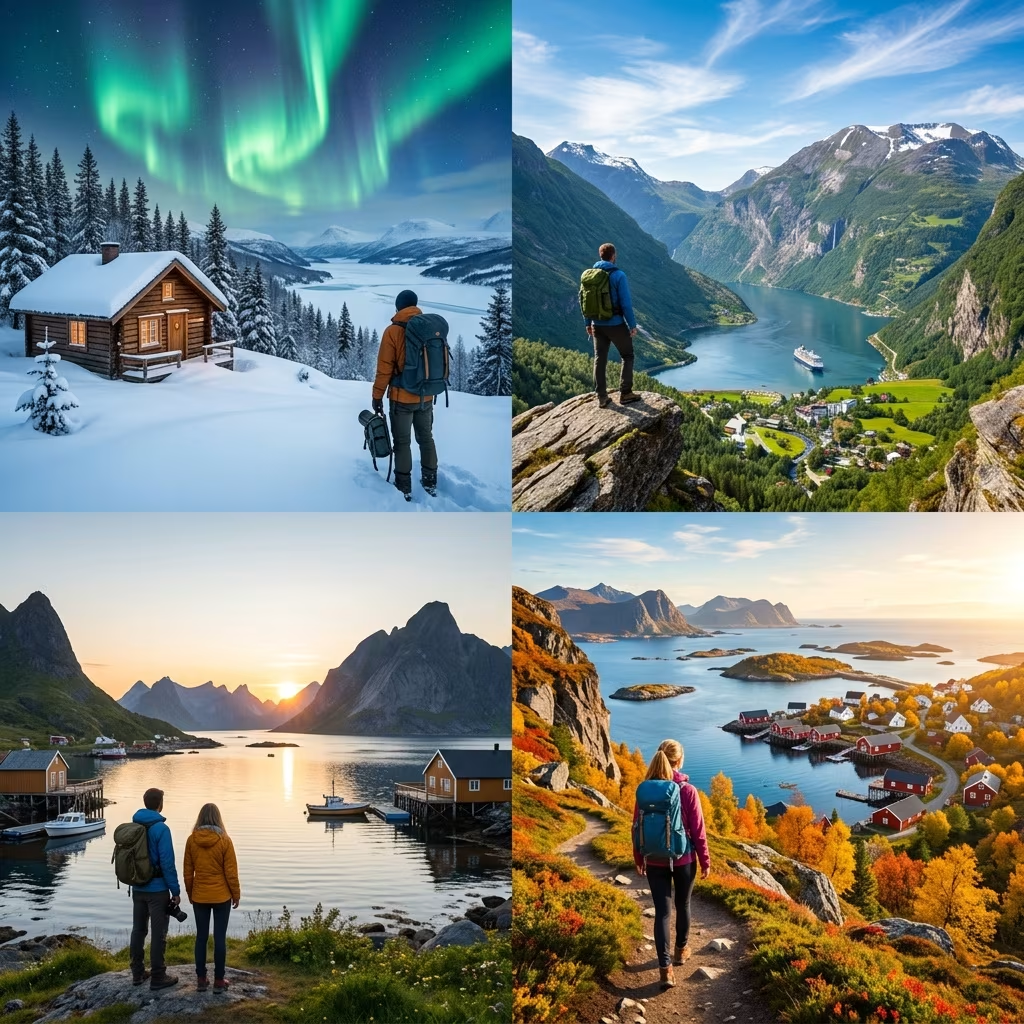
Choosing the best time to visit Scandinavia depends on your interests, willingness to handle weather variances, and tolerance for crowds. Each season unveils different facets of the Nordic world:
- Summer (June–August): Long days, lively cities, festivals, and idyllic fjords.
- Shoulder Seasons (May & September): Mild weather, fewer tourists, blooming or turning landscapes.
- Winter (October–April): Snow, northern lights, Christmas markets, winter sports, and quiet sightseeing.
Scandinavia in Summer: Midnight Sun and Festival Spirit
The peak travel season in Scandinavia is summer—especially from mid-June to August. Here’s why it’s so popular:
- Daylight: Experience up to 20+ hours of sunshine in northern regions.
- Weather: Temperatures are pleasant (16–25°C/60–77°F), with the warmest days typically found in southern Scandinavia.
- Events: Cities buzz with life: outdoor dining, festivals, music events, and national holidays. Locals embrace the outdoor lifestyle, often heading to summer cottages or celebrating ‘Midsummer’.
- Natural Beauty: Fjords, archipelagos, and forests are lush and accessible—ideal for hiking, cycling, and boat trips.
- Tourist Crowds: This is the busiest time; major sites and accommodations might be crowded and expensive.
Tip: Book transportation and lodging early. Consider visiting lesser-known areas or islands to experience tranquility even in peak season.
Highlights of Scandinavian Summer
- Norway: Midnight sun in Tromsø and Lofoten, cruise the fjords near Bergen.
- Sweden: Stockholm’s archipelago, Midsummer festivities, lakes and forests.
- Denmark: Beaches, Tivoli Gardens in Copenhagen, Roskilde Festival.
- Finland: Sauna by the lake, wild berry picking, Helsinki’s vibrant outdoor life.
May and September: The Secret Sweet Spots
If you prefer moderate weather and lighter crowds, aim for late spring (May) or early autumn (September).
- Fewer Tourists: Popular sites and towns see fewer visitors, making for relaxed exploration.
- Lower Prices: Airfares and accommodations are generally cheaper than in summer.
- Scenic Beauty: May offers blooming parks and gardens; September is perfect for autumn foliage, especially in Norway’s valleys and Sweden’s forests.
- Weather: Still mild, but unpredictable—bring layers and rainproof gear.
- Limited Hours: Some attractions may operate on reduced schedules; ferries and island sites might close or cut hours outside summer.
Winter in Scandinavia: Northern Lights and Cozy Culture
Winter (October–April) transforms Scandinavia into a wonderland, perfect for:
- Northern Lights: Best seen in northern Norway, Sweden, and Finland’s Lapland from October to March.
- Christmas Markets: Charming stalls pop up in Copenhagen, Stockholm, Oslo, and Helsinki.
- Winter Sports: Skiing, dog sledding, ice fishing, and snowshoeing are popular across the region.
- Quiet Sightseeing: Fewer tourists mean less crowded museums, castles, and historic neighborhoods.
- Camaraderie & Hygge: Locals embrace the season with candlelit cafes, saunas, and plenty of comfort food.
| Season | Daylight Hours | Weather | Top Attractions | Tourist Volume |
|---|---|---|---|---|
| Summer (Jun-Aug) | 16–24 hours (north) | Pleasant, 16–25°C | Midnight Sun, fjords, festivals, outdoor activities | High |
| Shoulder (May, Sep) | 12–16 hours | Mild, 10–18°C | Blooms, autumn colors, city sites | Moderate |
| Winter (Oct–Apr) | 2–8 hours | Cold, -10–5°C | Northern Lights, winter sports, Christmas markets | Low |
Major Festivals and Holidays
Scandinavia’s unique celebrations offer the chance to glimpse local traditions. Here are some highlights:
- Midsummer (June): Especially big in Sweden (late June), with folk dances, flower crowns, and all-night outdoor parties. Norwegian and Finnish midsummer is quieter but often marked with bonfires and family gatherings.
- Roskilde Festival (Denmark, June-July): One of Europe’s biggest music festivals—plan well in advance.
- National Days: Norway (May 17), Sweden (June 6), Denmark (June 5)—expect parades, costumes, and celebrations.
- Christmas Markets (Nov–Dec): Find cozy handicrafts, treats, and mulled wine in city squares.
- Winter Sports Events: Major ski competitions and ice skating festivals throughout the region.
Pro tip: National holidays can close many businesses and museums. Plan accordingly and check local calendars.
Public Holidays and Price Hikes
Scandinavia’s most popular holidays bring festivities but can complicate travel logistics:
- Easter, Midsummer, Christmas, and school holidays: Hotels, transport, and rentals book out early. Prices rise for flights and accommodations.
- Cultural Closures: Museums, shops, and even restaurants may close or operate shorter hours during major holidays.
- Transportation: Trains and flights may be crowded; ferries to islands sometimes pause service on public holidays.
Plan ahead: Reserve accommodations months in advance if traveling during these peak periods.
Regional Differences in Timing
The best time to visit can vary depending on which country (or part) of Scandinavia you intend to explore.
- Denmark: Summer offers beach trips and Copenhagen festivals; autumn is pleasant for city strolls.
- Norway: For fjords, June–August is ideal; northern lights arrive October–March in Tromsø.
- Sweden: Summer for lakeside cabins, autumn for mushroom foraging; Stockholm is lively year-round.
- Finland: Summer for lake country and saunas, winter for Lapland’s northern lights.
- Iceland (& Greenland): Not strictly Scandinavian but often included; summer is best for full accessibility.
Sample Seasonal Itinerary for First-Time Visitors
Here’s a flexible itinerary based on seasonal highlights. Adjust the timing by your interests:
- Days 1-3: Copenhagen – Explore parks, cycle the city, visit Viking history sites
- Days 4-6: Stockholm – Island-hopping, museums, Midsummer revelry
- Days 7-10: Oslo & Bergen – Fjords, outdoor hiking, summer cruises or winter ski trips
- Days 11-14: Lofoten/Tromsø (Norway) or Finnish Lapland – See the midnight sun (summer) or northern lights (winter)
Essential Travel Tips for Scandinavia by Season
- Book Early: Especially for summer and around major holidays.
- Pack Layers: Weather is changeable—light jackets in summer, thermal gear in winter.
- Embrace Local Customs: Try sauna (Finland), fika (Sweden), or hygge (Denmark).
- Budget Carefully: Scandinavia is expensive, especially in peak seasons. Look for city passes, picnic options, and off-peak deals.
- Use Public Transportation: Trains and ferries connect major destinations efficiently; avoid expensive taxis.
Frequently Asked Questions (FAQs)
Q: What’s the cheapest time to visit Scandinavia?
A: Winter (October-March), excluding Christmas, tends to be the most affordable with fewer tourists and lower accommodation costs.
Q: When can I see the northern lights?
A: The best time is October-March, especially in northern Norway, Sweden, and Finland’s Lapland.
Q: Is summer too crowded in Scandinavian cities?
A: Major cities and attractions can be busy, especially in July and early August. Visit smaller towns or islands for a quieter experience, or travel in May or September for fewer crowds.
Q: Are there any major closures during holidays?
A: Yes. During Easter, Midsummer, Christmas, and several public holidays, many museums, shops, and restaurants may close, and public transit can run reduced schedules.
Q: What should I pack for Scandinavian summer?
A: Layers (t-shirt, light sweater, rain jacket), comfortable walking shoes, sunscreen, and a swimsuit for traditional lake or ocean swimming.
Quick Comparison Table: Scandinavia by Month
| Month | Daylight | Crowds | Weather | Suggested Experiences |
|---|---|---|---|---|
| May | 15–18 hrs | Low–Moderate | Mild, unpredictable | Cherry blossoms, uncrowded cities, hiking |
| June-July | 18–24 hrs | High | Warmest, sunny | Midsummer festivals, fjord cruises, island hopping |
| August | 15–17 hrs | High | Mild, less rain | Outdoor sports, beach trips |
| September | 12–14 hrs | Moderate | Cool, autumn colors | Foraging, scenic drives |
| October–March | 2–8 hrs | Low | Cold, snow | Snow sports, northern lights, Christmas |
Summary and Final Advice
Scandinavia’s magic is available year-round, but your best time to visit depends on your travel style and what you hope to experience:
- For endless daylight and cultural festivals: Go in summer (June-August).
- For quieter journeys and distinct scenery: Travel in May or September.
- For northern lights and winter wonderland: Opt for October-March.
Plan ahead—Scandinavia rewards the prepared traveler. With stunning natural beauty, rich traditions, and modern conveniences, it remains one of Europe’s most accessible and rewarding destinations.
References
- https://store.ricksteves.com/shop/p/scandinavia-guidebook
- https://www.barnesandnoble.com/w/rick-steves-scandinavia-rick-steves/1100230688
- https://www.ricksteves.com/tours/scandinavia/best-scandinavia-tour
- https://www.ricksteves.com/europe/scandinavia-itinerary
- https://www.ricksteves.com/watch-read-listen/video/travel-talks/scandinavia-with-rick-steves
- https://www.ricksteves.com/tours/scandinavia
- https://www.youtube.com/playlist?list=PL6FE56A38D48D99DE
- https://www.goodreads.com/en/book/show/13235668-rick-steves-scandinavia
- https://www.youtube.com/watch?v=JRrRcjUeUkM