Bosnia-Herzegovina: A Land of Contrasts and Heritage
Nestled in the heart of the Balkans, Bosnia-Herzegovina welcomes travelers with a tapestry of history, cultural layers, and striking landscapes. Once a crossroads of empire and faith, today’s Bosnia-Herzegovina is a country defined equally by its resilience and its charm. From the lively streets of Sarajevo to Mostar’s iconic bridge, visitors are greeted by reminders of both tragedy and everyday joy, making it one of Europe’s most moving destinations.
The Historical Mosaic: Understanding Bosnia-Herzegovina
Few countries in Europe have experienced such dramatic political and cultural shifts as Bosnia-Herzegovina. An overview of its history helps inform your travels:
- Ottoman & Austro-Hungarian Legacy: Centuries of foreign rule brought Islamic, Catholic, and Orthodox influences, visible in its mosques, churches, cuisine, and customs.
- Yugoslav Era: Bosnia-Herzegovina was part of Yugoslavia until its break-up in the 1990s, a period marked by multiethnic coexistence but ended with war and division.
- Modern Rebirth: Following the devastating Bosnian War, the country has rebuilt infrastructure and rekindled its tradition of hospitality.
Planning Your Trip: Essential Travel Information
Bosnia-Herzegovina is still relatively undiscovered by mainstream tourism, meaning travelers benefit from:
- Affordable Prices: Food, accommodations, and attractions are notably less expensive than Western Europe.
- Friendly Locals: Hospitality is a cherished custom; guides and residents often go out of their way to help visitors.
- Easy Access: Many travelers start in Croatia or Montenegro, then cross into Bosnia-Herzegovina by road or rail.
An up-to-date guidebook or local guide can greatly enhance your experience, especially for historical or less-visited sites.
Sarajevo: Where Cultures Meet
No city better represents Bosnia-Herzegovina’s layered identity than Sarajevo, the capital. Known as the Jerusalem of Europe, Sarajevo is a mosaic of mosques, synagogues, and churches clustered together, with bustling bazaars and echoes of its Ottoman past apparent in every street.
- Bascarsija: The old bazaar and heart of Sarajevo’s historical district, filled with artisan shops and local eateries.
- Gazi Husrev-beg Mosque: A masterpiece of Ottoman architecture and one of the most prominent landmarks.
- Latin Bridge: The site of the 1914 assassination that ignited World War I, offering insight into Sarajevo’s global significance.
- War Reminders: Museums and memorials recount the siege of Sarajevo (1992-1996), one of the longest in modern history. Visiting these sites is essential for understanding the city’s indomitable spirit.
Travel tip: Amir Telibećirović is a recommended local guide for personalized tours and deep historical context.
Mostar: Symbol of Reconciliation
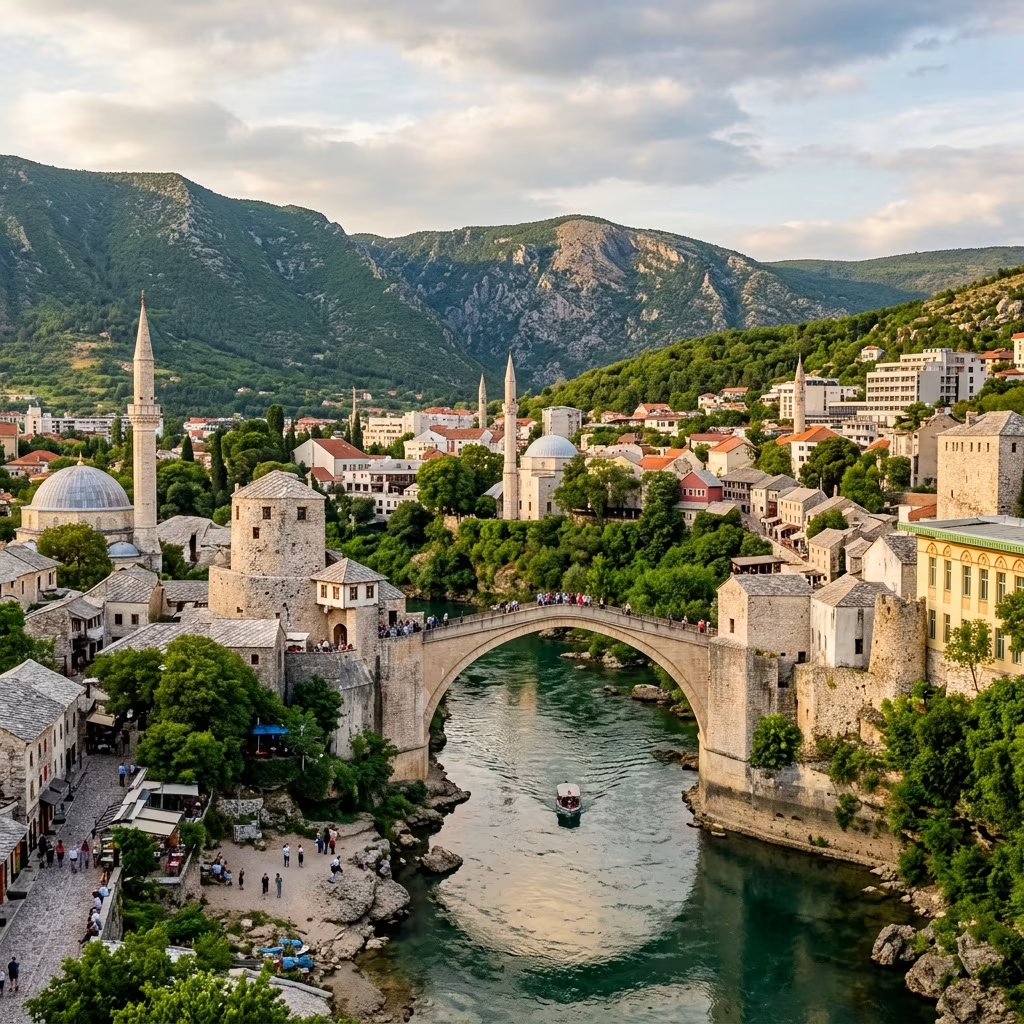
Few places capture the essence of recovery like Mostar. Its legendary stone bridge, Stari Most, has stood for centuries as a symbol of connection—between cultures, religions, and eras.
- Stari Most (Old Bridge): Originally built in the 16th century, destroyed during the war, and painstakingly reconstructed. The bridge now hosts daring high divers, a local tradition reflecting courage and unity.
- Old Town: Meandering lanes filled with Ottoman-era architecture, vibrant markets, and riverside cafés.
- War Exhibit: Museums and preserved ruins educate visitors about Mostar’s recent struggles and recovery.
For deeper exploration, Alma Elezović is a respected guide in the area, while local drivers offer excursions to nearby villages and scenic landscapes.
Other Noteworthy Destinations
- Banja Luka: The leading city in the Serb region, Banja Luka charms with broad boulevards, Orthodox churches, and leafy parks.
- Jajce: Famous for its dramatic waterfall and hilltop citadel, Jajce encapsulates Bosnia’s mix of natural beauty and medieval history.
- Srebrenica: A sobering site of remembrance, Srebrenica’s memorial honors the victims of one of Europe’s darkest chapters. Guided visits and films, such as the Oscar-winning “Quo Vadis, Aida?”, provide powerful context for this history.
Experiencing Bosnia-Herzegovina: Traditions and Daily Life
Beyond its cities, Bosnia-Herzegovina shines through everyday experiences and traditions:
- Café Culture: Sipping strong Bosnian coffee in a centuries-old café is a rite of passage.
- Markets & Bazaars: Bascarsija in Sarajevo and Mostar’s Old Bazaar overflow with spices, handmade crafts, textiles, and sweets.
- Religious Diversity: Walking from a mosque to a synagogue and then a Catholic church within a few blocks is commonplace.
- Local Cuisine: Try cevapi (grilled meat sausages), burek (savory pastries), and baklava, all echoing ties to Ottoman heritage.
Connecting with Local Guides
Enhancing your journey can be as simple as connecting with passionate, knowledgeable local guides. Notable guides include:
| City | Guide | Contact | Specialty |
|---|---|---|---|
| Sarajevo | Amir Telibećirović | teleamir@gmail.com | Urban history, war tours |
| Mostar | Alma Elezović | aelezovic@gmail.com | Local sights, cultural experiences |
| Mostar (driving) | Ermin Elezović | elezovicermin@gmail.com | Regional tours, transfers |
Practical Travel Tips for Bosnia-Herzegovina
- Currency: The Convertible Mark (KM) is used; euros are accepted in tourist areas.
- Language: Bosnian, Croatian, and Serbian are spoken; English is common in tourist sectors.
- Safety: The country is safe for tourists, with crime levels on par with Western Europe. Exercise standard precautions.
- Transport: Intercity buses are reliable; car rentals offer flexibility for rural and mountainous areas.
- Weather: Summers are warm, winters can be snowy, especially outside the cities.
Frequently Asked Questions (FAQs)
Q: Is Bosnia-Herzegovina safe for travelers?
Yes, Bosnia-Herzegovina is considered safe for visitors. Major cities maintain low crime rates, though travelers should remain vigilant as in any destination.
Q: What are the must-see attractions?
Sarajevo’s historic district, Mostar’s Old Bridge, the waterfalls at Jajce, and the Srebrenica Memorial are all highlights.
Q: Are local tours and guides recommended?
Absolutely. Engaging a local guide—especially in Sarajevo or Mostar—offers invaluable context and access to hidden gems.
Q: What is the best time of year to visit?
Spring and early fall provide comfortable temperatures and fewer crowds, though summer festivals can be lively and rewarding.
Q: How can I learn more about Bosnia’s recent history?
Visiting museums, war memorials, and sites like Srebrenica—and watching films like “Quo Vadis, Aida?”—are highly informative.
Conclusion: Why Bosnia-Herzegovina Should Be Your Next Destination
Bosnia-Herzegovina is a country that moves visitors: its breathtaking scenery, living history, religious diversity, and vibrant daily life make it ideal for inquisitive travelers. Whether wandering ancient alleys, enjoying riverside coffee, or reflecting at historical memorials, every experience here resonates with both pain and hope—a testament to the enduring spirit of its people.
Prepare for a trip rich in discovery, connection, and transformation, where Europe’s crossroads beckon you to explore deeper. Your journey to Bosnia-Herzegovina promises memories and insights you’ll carry for a lifetime.
References
- https://blog.ricksteves.com/cameron/category/bosnia-herzegovina
- https://blog.ricksteves.com/cameron/category/bosnia-herzegovina/sarajevo
- https://www.ricksteves.com/watch-read-listen/video/tv-show/dubrovnik-and-balkan-sidetrips
- https://www.youtube.com/watch?v=AvzgrgWqNH8
- https://www.ricksteves.com/europe/bosnia-herzegovina
- https://www.youtube.com/watch?v=lFZmF5xyX0s
- https://community.ricksteves.com/travel-forum/trip-reports/13-nights-in-bosnia-herzegovina-sept-2023
- https://www.ricksteves.com/europe/bosnia-herzegovina/sarajevo