Bratislava: Slovakia’s Capital Makes a Remarkable Comeback
Bratislava, the capital of Slovakia, stands as a testament to urban transformation in post-Communist Eastern Europe. Once dismissed as a drab, nearly deserted ghost town, Bratislava has rapidly evolved into a dynamic, youthful city that perfectly merges its rich history with modern vibrancy. The journey of Bratislava’s resurgence fascinates both seasoned travelers and newcomers alike, making it an essential destination for anyone wishing to explore the heart of Central Europe.
The Transformation: From Ghost Town to Vibrant Capital
After the fall of communism, Bratislava emerged from decades of neglect. During the communist era, historic facades were left to decay, public squares emptied out, and economic activity slowed to a trickle. The aftermath of Slovakia’s “Velvet Divorce” from the Czech Republic in 1993 left Bratislava overshadowed by neighboring cities such as Prague and Vienna. But the last three decades have seen remarkable changes:
- Colorful Old Town: Bratislava’s compact Old Town now bursts with restored, pastel facades, lively outdoor cafes, enchanting boutiques, and whimsical public art installations.
- Economic Development: The industrial quarter east of the city center has seen a wave of investment, rapidly redeveloped into a skyline forest of new office towers and residential buildings.
- Upgraded Infrastructure: The once-gloomy, communist suburb of Petržalka, located just across the Danube River, has undergone its own technicolor rejuvenation, dotted with modern high-rises and enlivened public spaces.
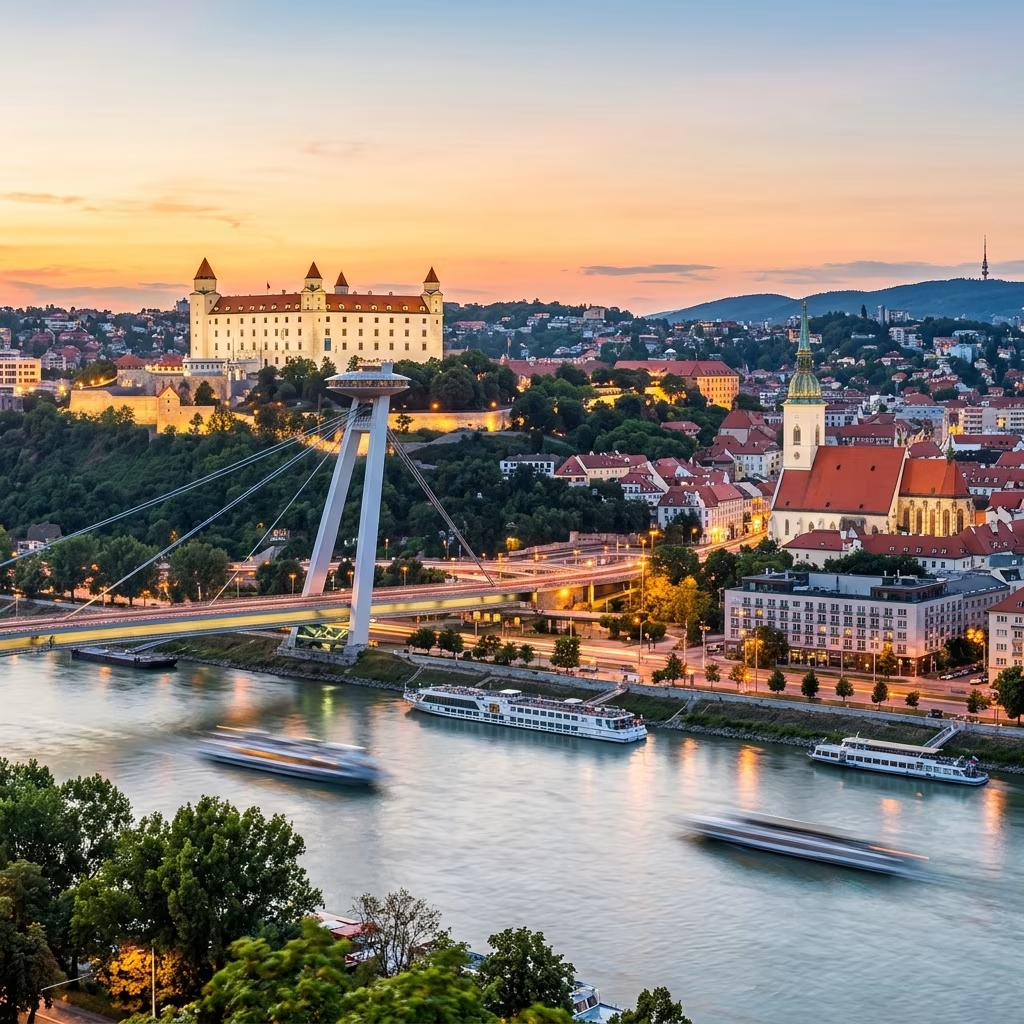
- Hilltop Castle Restoration: Bratislava Castle, with its storied legacy, gleams after extensive renovations, anchoring the city’s silhouette and offering sweeping views over the Danube and beyond.
Urban Success Story: Rick Steves’ Perspective
Renowned travel writer Rick Steves didn’t always hold Bratislava in high regard. In the 1990s, he saw it as “dangerous” and lifeless. By the 2010s, however, Steves experienced the city’s youthful energy, describing Bratislava as “one of Europe’s great urban success stories.” He found its transformation not only ambitious but also deeply respectful of history—a quality not always present in the city’s communist past.
- Student Culture: Thousands of university students inhabit the Old Town, infusing cafés, bars, and public spaces with creative energy and a lively atmosphere, especially after dark.
- Café Kormúth: Steves was captivated by Café Kormúth, a historic café decorated with exquisite wood carvings and dazzling ceiling frescoes, reflecting both Slovakian and Austro-Hungarian heritage. Dining here is both a culinary and cultural experience.
A Young, Fun Old Town
Bratislava’s Old Town is celebrated for its youthful ambience and vibrant communal spirit. Similar in temperament to cities like Portland, Oregon, it attracts a young, creative crowd championing a dynamic café and bar scene. The most notable streets include:
- Michalská Street: Serving as both a commercial and social artery, the street buzzes with thriving cafés, boutiques, and street performers—a living symbol of Bratislava’s transformation.
- Laurinská Street: Brimming with characterful boutique shops and playful statues such as Čumil—a bronze man peeking from a manhole cover—Laurinská blends whimsy with tradition.
Visitors revel in affordable drinks, an abundance of bars, and a social nightlife. Notable establishments include:
- Koliba Kamzik Zelena: Traditional Slovak cuisine, especially pork and dumplings, can be sampled here.
- Manifest: A modern cocktail bar splashed with neon lights and graffiti.
- KGB: A cellar pub with tongue-in-cheek Soviet memorabilia.
- Antique American Bar: Blending a prohibition-era aesthetic with contemporary flair.
Charming Café Culture and Culinary Scene
One of Bratislava’s crowning achievements is its revival of café culture. Outdoor terraces fill public squares, while interiors range from modern minimalism to ornate historic elegance. Popular locations include:
- Main Square (Hlavné Námestie): The social heart of the city, dotted with coffee shops, bars, and lively crowds.
- Café Verne, Antik, Mondieu: Each offers distinctive atmospheres and locally roasted coffee—staples for Bratislava’s morning routine.
- Old Market Hall: A foodie haven with stalls serving wine, craft beers, trendy street food, and gelato.
- Restaurant Albrecht: Sophisticated fine dining near the castle, offering tasting menus and an à la carte selection.
- Konditorei Kormuth: A faux-Renaissance masterpiece, this café dazzles with murals, antiques, and delectable pastries.
- UFO Restaurant: Perched atop the Novy Most Bridge, it promises sunset panoramas and a diverse international menu.
Nightlife and Social Life
Bratislava shines brightly after sundown, with a nightlife scene that spans traditional Slovak beer halls, inventive cocktail lounges, and energetic dance clubs. Options include:
- Bratislavský Meštiansky Pivovar: Sample classic Slovak brews in a bustling setting.
- Stupavar & Slovak Pub: Enjoy regional beers and hearty dishes in friendly local haunts.
- Urban House & Casa del Havana: Known for creative cocktails and eclectic interiors.
- Aligator Crystal: A nightclub featuring a boxing ring dance floor for an unforgettable party atmosphere.
- Fuga: For those seeking dark, fast techno and an underground vibe.
Historic and Cultural Charms
Beyond its energetic nightlife and café culture, Bratislava boasts a deep historical legacy. The city showcases centuries of architectural styles and societal change:
- Historic Architecture: Walk through the Old Town’s winding lanes to spot Gothic, Baroque, and Renaissance buildings artfully restored to their former glory.
- Sculptures and Public Art: Find whimsical statues dotted throughout the city, offering playful moments—like the iconic Čumil and Napoleonic soldier leaning on a bench.
- Bratislava Castle: Explore the city’s most recognizable monument on the hill, with its panoramic views, museum exhibitions, and historical significance.
Contrasts: Bratislava and Its Neighbors
| City | Atmosphere | Size | Key Features |
|---|---|---|---|
| Vienna | Historic, refined, cosmopolitan | Large metropolis | Imperial palaces, classical music, elegant cafes |
| Prague | Picturesque, tourist-heavy, legendary nightscape | Very large | Sprawling Old Town, Charles Bridge, gothic spires |
| Bratislava | Young, energetic, compact | Small but growing | Café culture, quirky art, riverfront beauty |
Practical Traveler Information
- Location: Bratislava sits on the banks of the Danube, close to Austria and Hungary, making it ideal for multi-country trips.
- Accessibility: The city’s international airport is just six miles from the city center, with easy public transport connections. Vienna is only an hour away by car or 50 minutes by train.
- Best Time to Visit: Spring and summer bring outdoor events, bustling squares, and pleasant weather, while winter has a magical Christmas market.
- Budget-Friendly: Bratislava remains affordable compared to Western European capitals, offering excellent value in dining, accommodations, and nightlife.
Why Bratislava Is Worth Visiting
- Witness a city’s rebirth firsthand, from post-Communist stasis to buzzing modernity.
- Enjoy authentic Slovak cuisine at great prices and experience thriving street food culture.
- Wander picturesque squares and alleys filled with restored buildings and charming sculptures.
- Socialize with a youthful crowd in lively cafés, bars, and nightclubs.
- Explore both historical sites and cutting-edge new developments, side by side.
Frequently Asked Questions (FAQs)
Q: How hard is it to get to Bratislava from Vienna?
A: Extremely easy. Vienna is about 50 minutes away by train or just over an hour by car. Bratislava’s airport is also nearby, just six miles from the city center.
Q: What is unique about Bratislava compared to Prague and Budapest?
A: Bratislava is much more compact, vibrant, and youthful. Its restored Old Town and active café scene offer a fresh, quirky vibe distinct from the grandiosity of Prague and Budapest.
Q: Is Bratislava safe for tourists?
A: Yes, the city center is lively and safe, with bustling squares, pedestrian zones, and active nightlife. It’s much improved from its past reputation.
Q: What are must-try experiences for first-time visitors?
A: Strolling through the Old Town, sampling Slovak cuisine, relaxing in historic cafés, viewing the city from the UFO restaurant, and enjoying local nightlife.
Q: How affordable is Bratislava?
A: Bratislava provides excellent value for travelers, with affordable food, accommodations, attractions, and transport—especially when compared to neighboring capitals.
Summary: Bratislava’s Ongoing Boom
Slovakia’s capital has evolved from a forgotten outpost to one of Europe’s fastest-changing cities. Bratislava’s surge of youthful spirit, creative energy, and economic revitalization set it apart as a must-see destination in Central Europe. Whether you’re seeking history, nightlife, culinary adventures, or simply a welcoming, modern atmosphere, Bratislava promises an unforgettable urban experience.
References
- https://www.islands.com/1658092/why-rick-steves-loves-bratislava-slovakia-less-touristy/
- https://www.explore.com/1905617/bratislava-slovakia-rick-steves-fastest-changing-city-europe/
- https://www.usatoday.com/story/travel/destinations/2019/07/02/bratislava-slovakia-fastest-changing-european-city-rick-steves-says/1632883001/
- https://www.ricksteves.com/watch-read-listen/read/articles/booming-bratislava
- https://www.youtube.com/watch?v=zFYlF6tsJZs
- https://community.ricksteves.com/travel-forum/slovakia/bratislava-trip-report
- https://blog.ricksteves.com/blog/blooming-bratislava-an-hour-downstream-from-vienna/
- https://blog.ricksteves.com/blog/bratislava/