Budapest: An Essential Guide to Hungary’s Capital
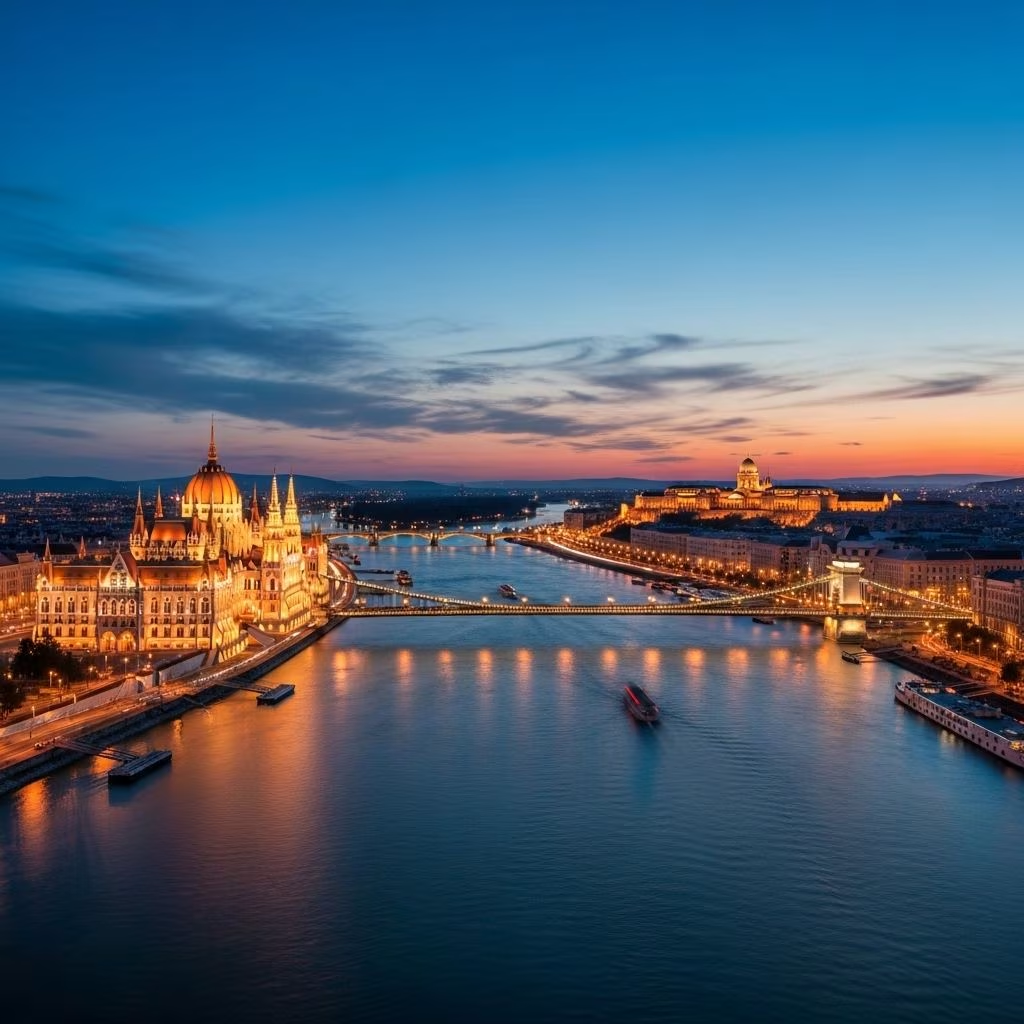
Rising along the banks of the Danube, Budapest is a city where imperial grandeur seamlessly meets a creative modern edge. From its dramatic skyline—studded with domes, bridges, and historic facades—to vibrant markets, world-famous spas, and lively ruin pubs, Budapest charms travelers with its history, architecture, and unique continental spirit. This guide offers expert advice on planning your visit: what to see, how to spend your time, key neighborhoods, and how to immerse yourself in local life for the most enriching experience.
The Allure of Budapest
Budapest’s appeal lies in its contrasts: baroque Buda perched above the river, story-filled Pest bustling with shops and cafes, and the legendary thermal baths drawing locals and visitors alike. The city’s turbulent yet fascinating history—from Roman times, through Ottoman and Habsburg rule, to the dramatic events of the 20th century—shapes nearly every street and monument. Whether you love art, music, history, architecture, or food, Budapest’s rich offerings won’t disappoint.
- Dramatic river setting with panoramic bridges and sweeping public spaces
- Architectural treasures spanning over a thousand years
- Dynamic culinary scene with traditional markets and creative restaurants
- Famous thermal baths for relaxation and socializing
- Buzzing nightlife in atmospheric ruin pubs and music venues
Essential Sights: What Not to Miss
History, beauty, and vibrant modern culture abound at every turn. Prioritize these top attractions for a well-rounded Budapest itinerary:
- Parliament Building: A riverside neo-Gothic masterpiece—take a guided tour for insight into Hungarian history and politics.
- Castle Hill: Wander cobbled streets past Matthias Church, Fisherman’s Bastion, and the former royal palace for breathtaking city views.
- Chain Bridge: The most graceful of the Danube bridges, elegantly connecting Buda and Pest since the 19th century.
- Great Synagogue and Jewish Quarter: Vibrant with tales of resilience, this area features Europe’s largest synagogue, evocative courtyards, and lively eateries.
- Andrássy Avenue: Boulevards lined with stately mansions, theaters, and the famed Opera House – a UNESCO World Heritage Site.
- Heroes’ Square and City Park: Imposing statues recount Hungary’s founding figures, with green space and quirky museums beyond.
- Széchenyi Thermal Bath: Indulge in a centuries-old bathing ritual beneath loopy domes—one of Budapest’s most iconic experiences.
- Great Market Hall: Explore local flavors: paprika, salamis, cheese, pastries and souvenirs await under soaring steel beams.
- Memento Park: A unique outdoor museum of Communist-era statues—insightful and surreal.
- Ruin Pubs: Eccentric bars in abandoned buildings—Budapest’s legendary nightlife in its rawest, most colorful form.
The Best Neighborhoods to Explore
Budapest is a city of diverse quarters, each with a distinct mood and treasures to offer.
- Castle Hill (Várhegy): Perched above the Buda bank, home to historic churches, museums, and stunning panoramic walks.
- Belváros (Inner Pest): The bustling commercial heart—boutiques, the Great Market Hall, embankment strolls, and lively squares.
- Jewish Quarter (Erzsébetváros): Former ghetto turned hotspot, mixing poignant Holocaust memorials with eclectic cafes and nightlife.
- Andrássy Avenue & Opera District: Grand boulevards, stately homes, and the cultural riches of the Opera House, theaters, and art nouveau coffeehouses.
- City Park (Városliget): Green escape full of attractions: Széchenyi Baths, Vajdahunyad Castle, the zoo, and museums.
How to Spend Your Time: Sample Itineraries
Each day in Budapest can reveal new layers of the city. Based on your interests and the time you have, select the itinerary that suits you best:
Budapest in Two Days
- Day 1: Pest and the Danube Embankment
- Morning: Explore Belváros, stroll the Parliament, and take in Kossuth Square.
- Early afternoon: Walk Andrássy Avenue, tour the Opera House, and grab a coffee at a classic café.
- Late afternoon: Browse Great Market Hall; enjoy local specialties.
- Evening: Discover lively ruin pubs or relax in a thermal bath.
- Day 2: Buda’s Castle Hill and Heroes’ Square
- Morning: Take bus #16 to Castle Hill. Explore Matthias Church, Fisherman’s Bastion, and the Royal Palace.
- Early afternoon: Return to Pest, visit the Great Synagogue.
- Late afternoon: City Park, Heroes’ Square, and Széchenyi Baths.
- Evening: Dinner by the riverside or an atmospheric river cruise.
Budapest in Three or More Days
- Dedicate time for museums, in-depth neighborhood strolls, and leisurely meals.
- Take a day trip—popular options include:
- Szentendre: A riverside artists’ town, colorful and full of charming galleries.
- Visegrád & Esztergom: Majestic castles and a grand basilica in the scenic Danube Bend.
- Gödöllő Palace: An opulent Baroque retreat, once favored by Empress Sisi.
- Hollókő: A preserved UNESCO-listed village, perfect for folk culture immersion.
- Consider longer excursions: Eger, Pécs, Sopron, or even nearby Bratislava (Slovakia).
Baths and Spas: Authentic Budapest Experiences
Few traditions are as beloved in Budapest as its thermal baths. Fed by mineral-rich springs, these baths offer not only healing but also a window into Hungarian everyday life. Whether you crave classic grandeur or retro-chic funk, there’s a bath for you:
- Széchenyi Baths: Iconic yellow facades, vast outdoor pools, and a party-like atmosphere.
- Gellért Baths: Stunning Art Nouveau tiled halls, stained glass, and tranquil pools.
- Király & Rudas Baths: Historic Ottoman domes, atmospheric and intimate—some feature special night hours for a unique soak.
Insider tip: Don’t forget to bring flip-flops and consider renting a private changing cabin for added convenience.
Cultural Highlights: Music, Art, and Festivals
Budapest boasts a thriving cultural calendar, ensuring there’s always something spectacular happening.
- Hungarian State Opera House: Attend a performance or take a guided tour to see one of Europe’s most beautiful opera venues.
- Museum of Fine Arts: Renowned for its European Masters and Hungarian works.
- Contemporary Art and Design: Galleries pepper old warehouses and modernist spaces throughout the city.
- Annual events:
- Spring Festival (arts and music extravaganza, March-April)
- Budapest Wine Festival (September, at Buda Castle)
- Sziget Festival (one of Europe’s biggest music gatherings, August)
- Christmas markets (end of November through December)
Food, Drink, and Nightlife
Budapest’s culinary scene delivers everything from hearty local classics to inventive fusion cuisine and internationally acclaimed restaurants.
- Don’t miss:
- Gulyás (Goulash): Chunky beef stew with paprika and vegetables.
- Lángos: Fried flatbread, sold at markets and street stalls, best topped with garlic, sour cream, and cheese.
- Paprikash, sausages, and Danube fish dishes.
- Kürtőskalács: Sweet chimney cakes spun and caramelized over coals.
- Tokaji wines and pálinka: Experience Hungary’s famous sweet wines and potent fruit brandy.
- Nightlife: Don’t skip a night out in Budapest’s ruin bars—quirky, atmospheric, and always lively.
Practical Travel Tips
- Language: Hungarian is unique, unrelated to most European languages. Learn a few friendly phrases or rely on English, which is widely spoken in tourist areas.
- Money: Hungary uses the forint (HUF). Credit cards are accepted widely, but keep cash for small purchases.
- Public Transportation: Budapest has an efficient metro, bus, and tram network. The M1 metro is one of Europe’s oldest and especially handy for major sights.
- Safety: Budapest is generally safe and welcoming. Still, stay vigilant on public transport and around tourist spots for petty theft.
- Communication: Free Wi-Fi is common, and SIM cards are affordable if you need mobile data.
- Best Time to Visit: Spring and autumn offer mild weather and vibrant local events. Summer is lively but can be hot and busy. Winter brings enchanting Christmas markets and bath culture.
Day Trips Beyond Budapest
Make the most of Budapest’s central location by adding nearby excursions:
- Szentendre: Artists’ village with riverside charm and quirky museums.
- Visegrád: Dramatic hilltop castle and panoramic Danube views.
- Esztergom: Grand basilica and riverside setting at Hungary’s spiritual heart.
- Gödöllő Palace: Elegant baroque palace, one-time royal retreat.
- Hollókő: A preserved village showcasing rural folk traditions.
- Bratislava (Slovakia): The Slovak capital—just a short hop away for a cross-border adventure.
Getting Around Budapest
- Walking: The best way to appreciate Budapest’s details—well signed and scenic, but be prepared for cobbles on Castle Hill.
- Metro and Tram: Convenient for covering ground quickly; the #2 tram is especially scenic along the Danube.
- Buses and Trolleybuses: Reach further neighborhoods and hills.
- River Ferries: Operate as part of public transit—offering affordable Danube tours.
- Taxis and Rideshares: Use registered taxis or trusted apps for safety.
Where to Stay
- Central Pest: Close to major sights and dining.
- Buda: Boutique hotels offer panoramic views and tranquility.
- Jewish Quarter: Best for nightlife, budget options, and vibrant street life.
- Book accommodation well in advance during festivals and high season.
Frequently Asked Questions (FAQs)
Q: How many days should I spend in Budapest?
A: Two to three full days cover the core highlights, but add a fourth or fifth day for day trips and deeper exploration.
Q: Are Budapest’s thermal baths family-friendly?
A: Yes, most baths welcome families, though some have age restrictions or quieter hours for adults. Always check ahead.
Q: What is the best way to exchange money?
A: ATMs offer the best rates. Avoid exchange offices at airports or train stations, which often charge higher fees.
Q: Is the city safe for solo travelers?
A: Budapest is considered very safe for solo tourists, with a lively public atmosphere even into the night.
Q: Can I get by with English?
A: Yes—English is widely spoken in cafes, hotels, and tourist sights, though it is polite to learn a few basic Hungarian words.
Final Travel Tips
- Book key attractions (Parliament, Synagogue, Opera House) in advance to avoid queues.
- Sample a bathhouse, even if just for a short soak—it’s central to Budapest culture.
- Join a guided walk or food tour to uncover hidden gems and local stories.
- Budget for small splurges—Hungary remains great value for accommodation, meals, and entertainment compared to many European capitals.
- Keep some cash handy for markets and public toilets.
Budapest is a city of discovery—one that rewards slow wandering, curiosity, and a taste for both tradition and the unexpected. Whether you come for the stories, the views, or the thermal waters, you’ll find new reasons to fall in love with Hungary’s capital at every turn.
References
- https://store.ricksteves.com/shop/p/budapest-guidebook
- https://www.ricksteves.com/tours/czech-republic/prague-budapest-tour
- https://www.ricksteves.com/europe/hungary/budapest-itinerary
- https://www.ricksteves.com/europe/hungary/budapest
- https://community.ricksteves.com/travel-forum/trip-reports/trip-report-6-nights-in-budapest-may-2025
- https://www.ricksteves.com/watch-read-listen/video/tv-show/budapest-the-best-of-hungary
- https://www.tripadvisor.com/Attraction_Review-g274887-d6351881-Reviews-or30-Personal_Budapest_Guide_Andrea_Makkay-Budapest_Central_Hungary.html
- https://www.ricksteves.com/tours/hungary