Fado: The Lisbon Blues
Fado is more than just the soundtrack of Lisbon; it is the evocative, soulful expression of Portuguese culture—music shaped by longing, love, and the inexorable pull of fate. For over a century and a half, this poignant genre has drifted through the backstreets and taverns of Portugal’s capital, weaving together stories of sorrow, resilience, and wistful hope. Rooted in the historic neighborhoods of Alfama and Bairro Alto, fado offers an intimate glimpse into the heart of Lisbon and the people who call it home.
What Is Fado?
The word fado means “fate.” It aptly encapsulates a worldview that embraces the unpredictable tides of life—particularly the bittersweet longing for what could have been, for loved ones far from home, and for dreams both cherished and lost. With origins tracing back to the mid-1800s, fado is Lisbon’s answer to the blues: a music genre that gives voice to mournful ballads about broken hearts, lost sailors, and the everyday melancholy of existence. Yet, even its sadness is laced with beauty and the promise of resilience.
- Fado lyrics frequently dwell on lost love, missed chances, and sorrowful longing.
- These songs often reflect on Portugal’s maritime history, recalling sailors gone to sea and the loved ones left awaiting their return.
- Some fado is imbued with a nostalgic joy—celebrating what once was and might be again.
Fado is typically performed in a minor key, enhancing the music’s melancholic tones. Yet, there’s often a subtle optimism beneath the surface—as if the act of singing sorrow is itself a source of comfort and healing.
The Fadista and Instruments
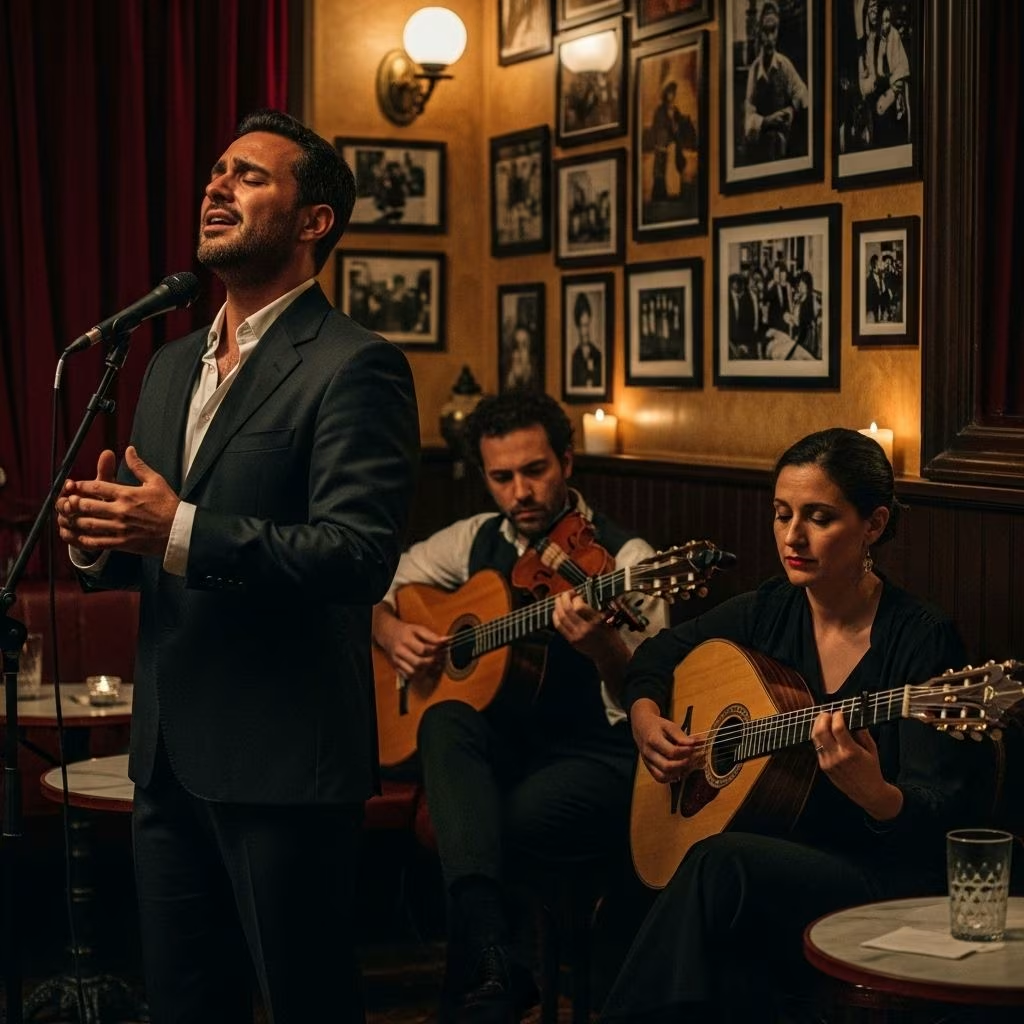
The fado singer, or fadista, brings the lyrics to life with a style characterized by deep emotional restraint. Rather than melodrama, the fadista plants themselves with stoic dignity, delivering each note as a profound and genuine response to the whims of fate. Their voice typically crescendos into the opening words, resembling a mournful wail that rises from deep within the soul.
A classic fado performance features the Portuguese guitarra—a 12-string instrument with a distinctive round body resembling a mandolin, lauded for its expressive sound. The guitarra is joined by acoustic guitars (viola) and sometimes a bass, enveloping the voice of the fadista in a tapestry of bittersweet harmonies.
Origins and Historical Context
Fado’s roots lie deep in Lisbon’s working-class neighborhoods. Steeped in a mix of cultural influences—Visigothic, Arabic, and seafaring—these districts birthed a style that reflects the city’s diverse past. Fado grew in taverns and small eateries, where locals would gather at night to share stories and music, often with simple food and strong drink close at hand.
- First emerged in the mid-19th century in Lisbon.
- Tied to sailors, dockworkers, and street vendors in Alfama and Mouraria.
- Quickly adapted as a national symbol, eventually finding a home in formal music venues and abroad.
Though now a UNESCO-recognized tradition, fado remains closely connected to its humble origins—best experienced in the small, intimate venues of Lisbon’s oldest quarters.
Experiencing Fado in Lisbon
The fado tradition thrives after dark in the labyrinthine neighborhoods of Alfama and Bairro Alto. Centuries-old restaurants and bars come alive with the strumming of guitars and the powerful, haunting voices of fadistas. Finding authentic fado is a rite of passage for any visitor seeking to uncover Lisbon’s true spirit.
Popular Fado Neighborhoods
- Alfama: Characterized by steep, narrow streets, Alfama is the heart of traditional fado. Walk its cobblestone alleys and you’ll encounter cozy eateries and bars with handwritten “fado esta noite” (fado tonight) signs promising impromptu performances.
- Bairro Alto: Known for its vibrant nightlife, Bairro Alto mixes rowdy energy with the intimate atmosphere required for fado. Here, you’ll find classic fado houses as well as trendy new venues experimenting with the genre.
Memorable Fado Houses
- Senhor Vinho: In the Lapa neighborhood, this acclaimed venue has featured top fadistas such as Aldina Duarte, pairing fine fado with classic Portuguese cuisine.
- Mesa de Frades: Set in a historic chapel and adorned with traditional tilework, Mesa de Frades is intimate and atmospheric, attracting top-class singers and enthusiasts alike.
- Clube de Fado: Once a stable and olive oil warehouse, this venue in Alfama now offers famous singers and a menu filled with Lusitanian delicacies.
- Clube Lisboa Amigos do Fado: Part music school, part fado house, this establishment is deeply tied to the development of the genre and has nurtured numerous stars of the Portuguese stage.
- O Faia: Known for its upmarket setting and consistent roster of legendary and up-and-coming fadistas.
Tips for Enjoying Fado Like a Local
- Seek out spots with few tourists and late-night hours—often, the best performances begin after midnight.
- Look for “fado tonight” signs rather than relying solely on the tourist guides. Spontaneity and informality are essential to the genre’s appeal.
- Order traditional fare like grilled sardines or salted cod as an accompaniment to the music, embracing the full Portuguese dining experience.
Atmosphere and Rituals of a Fado Night
Stepping into a genuine Lisbon fado bar is an immersion into another world. Flickering candlelight casts shadows on stone walls. Diners settle around small tables, plates piled high with fresh sardines or octopus stew, as musicians tune their instruments. The room hums with anticipation—everyone senses that music here is not mere entertainment but a communal catharsis.
As the fadista begins, conversation falls away. The music commands silent reverence. The depth of feeling is extraordinary: sometimes, the singer will stand just inches away, the raw emotion of their voice mingling with the sizzle of food and the aroma of aged port. Occasionally, the audience joins the chorus, amplifying the mood of solidarity and shared experience.
| Element | Description |
|---|---|
| Setting | Dim lighting, simple decor, intimate tables, often in historic buildings. |
| Food & Drink | Traditional Portuguese fare: grilled sardines, salted cod, green broth, plenty of wine and port. |
| Audience | Locals and travelers alike, all silent in respectful appreciation of the music. |
| Music | Vocalist (fadista) supported by guitarra portuguesa, classical guitars, and sometimes bass. |
Lyrics: Tales of Longing and Fate
Fado lyrics are unmistakable for their poetic melancholy. A classic theme is the sorrow of women waiting on Portuguese shores, mourning their sailors lost to the Atlantic. Yet, every deeply sorrowful verse hints at endurance and the hope of reunion, embodying the Portuguese concept of saudade: an emotional state of nostalgic or profound melancholic longing for something or someone that may never return.
Typical fado motifs include:
- Describing tears and the salt of the sea, connecting human suffering with the wider world.
- Pining for reunions with absent lovers or family members.
- Reflections on the heartbreak of fate, from personal loss to dreams left unfulfilled.
One iconic lyric, loosely translated, captures the fado essence: “O waves of the salty sea, where do you get your salt? From the tears shed by the women in black on the sad shores of Portugal.” In the hands of a great fadista, these images are transformed into a universal experience of hope, loss, and acceptance.
Evolving Traditions: From Folk Roots to National Symbol
Though once regarded as the lament of the poor and marginalized, fado has grown to represent the soul of Lisbon and, by extension, of Portugal itself. Fadistas past and present have shaped the music’s evolution:
- Amália Rodrigues: Known as the “Queen of Fado,” she popularized the genre globally in the 20th century.
- Modern Stars: Singers like Mariza, Ana Moura, and Camané have carried fado forward, blending classic themes with new influences and global appeal.
Today, fado blends tradition with innovation—classic tunes still dominate alfresco bars, but young singers and musicians are continually experimenting, ensuring that fado remains vital and relevant to Portugal’s contemporary identity.
Frequently Asked Questions (FAQs)
Q: What does ‘fado’ mean?
A: The word “fado” translates to “fate” in Portuguese, encapsulating central themes of destiny, longing, and acceptance in the music’s lyrics and melodies.
Q: How is fado different from other folk music?
A: Fado emphasizes emotional depth and melancholy, with poetic lyrics and stoic, heartfelt performances. It typically features the unique Portuguese guitarra, and its roots lie specifically in Lisbon’s historic districts.
Q: Where is the best place to listen to fado in Lisbon?
A: The neighborhoods of Alfama and Bairro Alto are renowned for authentic fado experiences, with many small venues hosting local and internationally known fadistas.
Q: Can tourists experience genuine fado, or is it mainly for locals?
A: While some venues cater to tourists, many remain deeply local. Look for modest, late-night places with “fado tonight” signs, or venture to iconic fado houses noted for their authenticity and local audiences.
Q: Is fado always sad?
A: While the tone is often sorrowful, fado can be upbeat or nostalgic. It’s ultimately an honest expression of the human experience—including hope in the face of loss.
Fado’s Enduring Legacy
To spend an evening wrapped in the music of fado is to experience Lisbon at its most authentic and stirring. It’s a reminder that even as sadness and longing shape us, they also bring communities together—binding strangers through shared melodies, whispered words, and a mutual embrace of fate. Whether in a backstreet tavern or an elegant club, fado invites every listener to face life’s uncertainties, mourn what is lost, and celebrate what endures.
Lisbon’s fado remains as vital today as ever—haunting, unapologetic, and heartbreakingly beautiful: the Lisbon blues that echoes through every winding alley and lamplit night.
References
- https://www.ricksteves.com/watch-read-listen/video/portugal-fado-music
- https://community.ricksteves.com/travel-forum/portugal/authentic-fado-in-lisbon
- https://blog.ricksteves.com/blog/the-lisbon-blues/
- https://www.youtube.com/watch?v=ZUJrUwCNb3E
- https://blog.ricksteves.com/blog/surround-sound-lisbon-style-in-a-fado-restaurant/
- https://www.sfgate.com/travel/article/Rick-Steves-Europe-Lisbon-Singing-the-blues-2577832.php
- https://community.ricksteves.com/travel-forum/portugal/where-to-see-fado-in-lisbon