First-Time Traveler’s Guide: Experiencing the Best of France
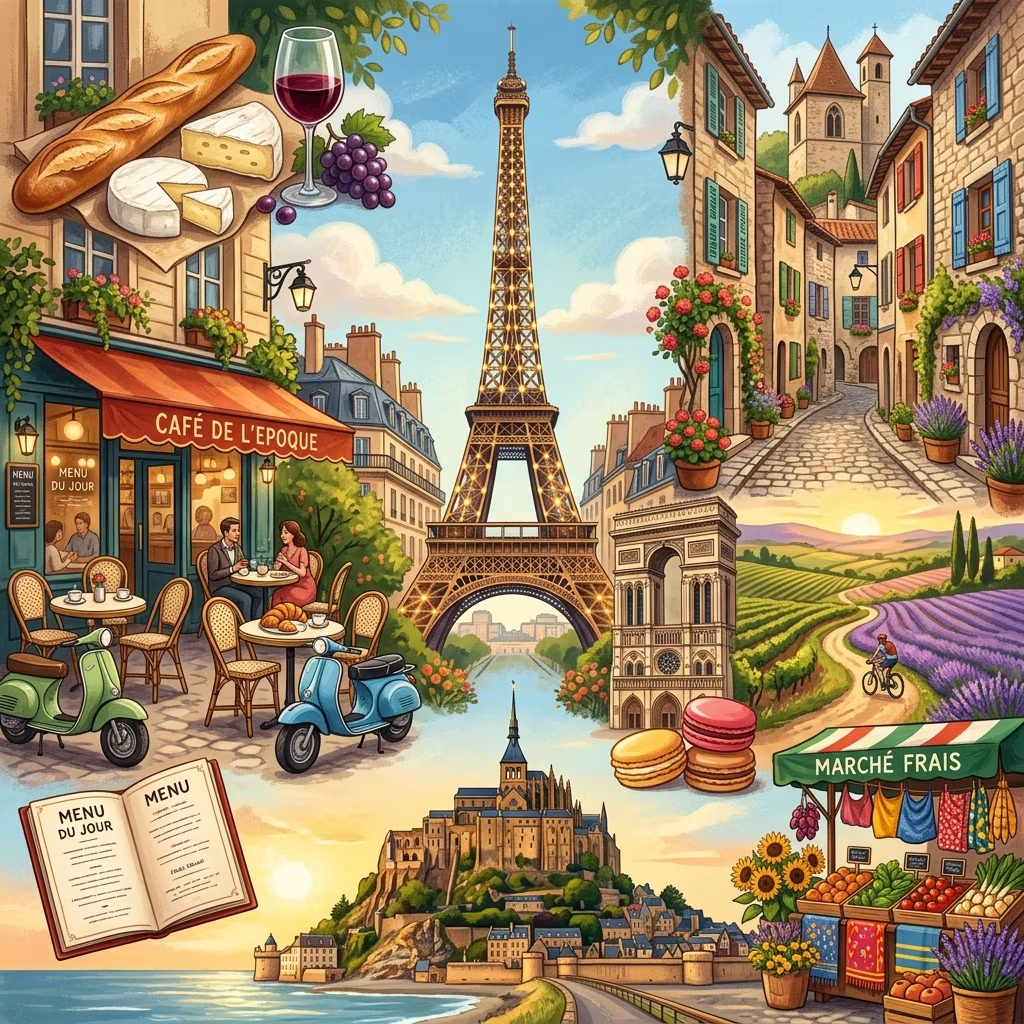
France is celebrated the world over for its historic landmarks, art treasures, pastoral landscapes, world-class cuisine, and vibrant culture. For first-time visitors, the country’s richness can feel overwhelming, but with smart planning and well-chosen destinations, your trip to France can be an unforgettable adventure. Here, we break down how to make the most out of your first journey to France, including essential regions, practical tips, and cultural insights for a seamless, rewarding experience.
Why France Is a Must-Visit Destination
With its blend of iconic sights and everyday pleasures, France offers something for everyone. Whether you’re a lover of art, history, food, natural beauty, or simply looking to experience Europe at its most romantic and refined, France delivers in abundance.
- Paris: The epitome of culture and style, home to world-renowned museums, architecture, shopping, and cuisine.
- Normandy: Dramatic coastlines, remarkable history including the D-Day beaches, and charming harbor towns.
- Loire Valley: Fairytale castles and rolling vineyards along one of Europe’s most beautiful rivers.
- Provence: Sun-drenched scenery, lavender fields, and charming market towns in the historic south.
- French Riviera: The glamorous Côte d’Azur—with sparkling blue waters, hilltop villages, and a Mediterranean vibe.
Planning Your First Trip: Where to Go and For How Long
France rewards both explorers and those who linger. For first-time travelers, striking a balance between the highlights and authentic local experiences is key. While each region is worthy of a standalone vacation, most first visits focus on a blend of Paris and one or two other regions for the richest experience. The ideal trip length varies:
- 1 week: Paris plus a side trip (Normandy or the Loire Valley).
- 10–14 days: Paris, Normandy, Loire Valley, and a taste of the south (Provence or the Riviera).
- 3 weeks: The grand sweep—Paris, Normandy, Loire, Dordogne, Provence, French Riviera, Alps, and perhaps Alsace.
France’s Top Regions for First-Timers
Each region of France offers a unique flavor. Here are the essential destinations and why they belong on your first-timer’s itinerary:
Paris: The Essential Starting Point
Paris is deservedly France’s top attraction. Plan for at least three to four full days to see its greatest sights and soak up the atmosphere:
- The Eiffel Tower—the city’s most iconic symbol, especially dazzling at night.
- The Louvre Museum—home to the Mona Lisa, Winged Victory, and Venus de Milo.
- Notre-Dame Cathedral (currently under restoration), admired for its Gothic architecture and riverside setting.
- The artistic Montmartre district, crowned by the Sacré-Cœur basilica.
- The lush Jardin du Luxembourg, bustling marchés (markets), cozy cafés, and elegant boulevards.
Normandy: Dramatic Coasts and WWII History
Travel west to Normandy for striking contrasts and centuries of history. Highlights include:
- Mont St-Michel: The wondrous island abbey rising from tidal sands.
- D-Day Beaches: Omaha Beach, Utah Beach, and poignant WWII sites including the American Cemetery and Pointe du Hoc.
- Honfleur: A picturesque port town, beloved by Impressionist painters.
- Bayeux: Home to the remarkable 11th-century Bayeux Tapestry.
The Loire Valley: Châteaux Country
Known as the Garden of France, the Loire Valley is ribboned with graceful rivers, vineyards, and fairy-tale castles. Key stops:
- Château de Chambord: Renaissance splendor surrounded by vast parks.
- Château de Chenonceau: An elegant chateau spanning the river Cher, renowned for its romantic setting and gardens.
- Amboise: Da Vinci’s final home, royal connections, and a lovely old town.
- Taste local wines and fresh produce at lively markets.
Provence: Sun-Drenched Living
Provence offers quintessential southern French charm, with a relaxed pace and iconic landscapes:
- Avignon: Medieval papal city with imposing ramparts and the legendary Pont d’Avignon.
- Arles: Home to Roman ruins and Van Gogh’s inspiration.
- Les Baux-de-Provence: Dramatic hilltop village and Carrières de Lumières art shows.
- Lavender fields (June–July) and endless markets brimming with fresh produce.
The French Riviera (Côte d’Azur): Mediterranean Glamour
The Riviera stuns with crystal blue seas, glamorous beach towns, and medieval villages:
- Nice: Elegant promenade, bustling old town, and excellent museums.
- Monaco: Tiny principality with glitz, casinos, and royal history.
- Villefranche-sur-Mer and Antibes: Charming harbors, relaxing beaches, and markets.
- Consider day-trips into the hills for perched villages like Eze or St-Paul-de-Vence.
How to Get Around France
France boasts a world-class transport infrastructure, making travel both convenient and enjoyable. Choose the best mode for your route and style:
| Mode | Best For | Advantages |
|---|---|---|
| Train (TGV & regional) | Cities & major routes | Fast, frequent, avoids city traffic |
| Car | Rural regions, castles, vineyards | Maximum flexibility, scenic drives |
| Bus / Metro | In cities | Affordable, efficient for local travel |
| Domestic flights | Long distances (e.g., Paris to Nice) | Very fast, but best for time-crunched trips |
Tips for Efficient Travel
- Train tickets are best booked in advance (especially for TGV high-speed trains). Check rail passes for longer itineraries.
- Rent a car for exploring the countryside or visiting several small towns in a region—especially in Normandy, the Loire, and Provence.
- Within Paris and other cities, make the most of public transit, which is reliable and cost-effective.
When to Visit France
The best time to visit France depends on your activities and tolerance for crowds. Generally:
- Spring (April–June): Mild weather, blooming gardens, fewer tourists.
- Summer (July–August): Festivals, lively atmosphere, but also crowds and higher prices, especially in major destinations.
- Fall (September–October): Harvest season in wine country, beautiful light, pleasant temperatures.
- Winter (November–March): Quiet in the countryside and many small towns; festive ambiance in cities like Paris; ski season in the Alps.
Practical Tips for First-Time Visitors
- Learn a few French basics. Even simple greetings—bonjour, merci—open doors and win smiles.
- Pack light. Cobblestone streets, trains, and stairs favor small rolling bags or backpacks.
- Embrace market culture. France’s open-air markets offer the finest glimpses of local flavors and daily life.
- Book major attractions ahead. For the Louvre, Eiffel Tower, Château de Versailles, and popular sites, timed tickets save hours of waiting.
- Stay central in cities. It’s worth paying a bit more for a hotel or rental within easy walking distance of sights.
- Allow for spontaneity. Leave blocks of free time to wander, sit at cafés, and stumble on unexpected delights.
French Food: Savor Every Bite
Dining in France is not just a necessity—it’s a celebration. Relish the regional specialties, from buttery croissants in Parisian cafés to fresh seafood along the Atlantic and Mediterranean.
- Menus & Mealtimes: Lunch typically 12–2 pm; dinner from 7 pm. Prix fixe menus offer good value. Reservations are smart for popular spots.
- Regional dishes:
- Paris: Crêpes, steak-frites, pâtisserie delights
- Normandy: Moules-frites, Camembert cheese, apple-based ciders
- Loire: Freshwater fish, goat cheese, crisp Sauvignon Blanc
- Provence: Ratatouille, bouillabaisse, rosé wines
- Riviera: Salade Niçoise, fresh Mediterranean seafood
- Café Culture: Don’t rush—savor your coffee and people-watching.
French Etiquette: Making the Right Impression
Politeness is prized in France. Being courteous and respectful leads to warm interactions:
- Always greet shopkeepers with Bonjour, Madame/Monsieur upon entering.
- Say au revoir as you leave.
- Dress neatly—appearance matters, especially in restaurants.
- Expect leisurely service—meals are relaxed. Ask for the bill (l’addition) when you’re ready to pay.
Sample 10-Day Itinerary for First-Timers
- Days 1–4: Paris—Main sights, day trip to Versailles.
- Days 5–6: Normandy—Bay of Mont St-Michel, D-Day beaches, Honfleur.
- Days 7–8: Loire Valley—Châteaux tours (Chambord, Chenonceau), Amboise.
- Days 9–10: Provence or Riviera—Avignon, Arles, or Nice and coastal villages.
Adding more time? Consider detours to Dordogne’s prehistoric caves, Chamonix in the Alps, or Alsace wine villages.
FAQ: Frequently Asked Questions for First-Timers
Do I need to speak French?
No, but a few polite phrases are very helpful. In tourist zones and cities, many people speak English, but showing an effort is always appreciated.
Is France safe for travelers?
Yes, France is generally safe. As in any destination, watch your belongings from pickpockets in crowded areas and train stations.
How much should I budget?
France can suit a range of budgets. Expect to spend a bit more in Paris and the Riviera. Save by enjoying picnics, bakeries, and set menus.
Should I rent a car?
Not in Paris, but in rural regions like Normandy, the Loire, Provence, and Dordogne, a car offers flexibility and access to hidden gems.
Do I need to tip?
Service is included in restaurant bills, but rounding up or leaving a small extra amount (5–10%) is a kind gesture if service was good.
Pro Tips for a Memorable First Visit
- Start in Paris, finish elsewhere. See the capital first, then slow the pace in the countryside or south.
- Stay at least two nights per stop. This allows you to settle in and discover hidden corners.
- Prioritize experiences, not just sights. Take a cooking class, cycle through vineyards, or join a local food tour.
- Keep Sunday in mind. Many shops and restaurants outside central Paris close or reduce hours on Sundays.
Packing Essentials for France
- Comfortable walking shoes (many cobblestones and stairs)
- Reusable water bottle
- Light layers or scarves for changeable weather
- Adapters for European plugs (type C or E/F for France)
- Compact umbrella
- Photocopies (or digital scans) of important documents
Useful French Phrases
| English | French |
|---|---|
| Hello | Bonjour |
| Goodbye | Au revoir |
| Please | S’il vous plaît |
| Thank you | Merci |
| Do you speak English? | Parlez-vous anglais? |
| How much is this? | Combien ça coûte? |
| Where is…? | Où est…? |
Inspiration for Future Visits
France’s allure is inexhaustible. After your first trip, you may be inspired to return for:
- Wine routes in Burgundy or Alsace
- Alpine adventures in Chamonix and Annecy
- Prehistoric wonders in the Dordogne
- Pilgrimages in Lourdes or along the Camino
- Cycling the Canal du Midi
Frequently Asked Questions (FAQs)
Q: What is the best way to see both cities and countryside in one trip?
A: Combine train travel for major cities and rent a car for rural discoveries to enjoy the best of both worlds.
Q: Is France suitable for family travel?
A: Absolutely—France welcomes children with open arms, and most museums and attractions offer family-friendly options.
Q: How far in advance should accommodations be booked?
A: In high season (summer, holidays), reserve several months ahead, especially for charming inns in the Loire, Normandy, or Provence.
Q: What should I do in case of a medical emergency?
A: Call 112 (the European emergency number); pharmacies (green cross signs) can address minor issues and provide guidance.
With smart planning, an open mind, and a willingness to embrace French culture, your first trip to France will become one of your most cherished travel memories.
References
- https://www.ricksteves.com/tours/france/paris-france
- https://www.ricksteves.com/europe/france/itinerary
- https://www.ricksteves.com/watch-read-listen/video/travel-talks/france
- https://www.ricksteves.com/watch-read-listen/read/articles/paris-itinerary
- https://www.ricksteves.com/watch-read-listen/read/articles/first-time-france-trip
- https://www.ricksteves.com/europe/france
- https://community.ricksteves.com/travel-forum/france/first-time-to-france-does-this-itinerary-seem-feasible
- https://www.youtube.com/playlist?list=PLAF8618AFFCFBCF3E