Gimmelwald: The Story of an Alpine Village with a Big Name
\n
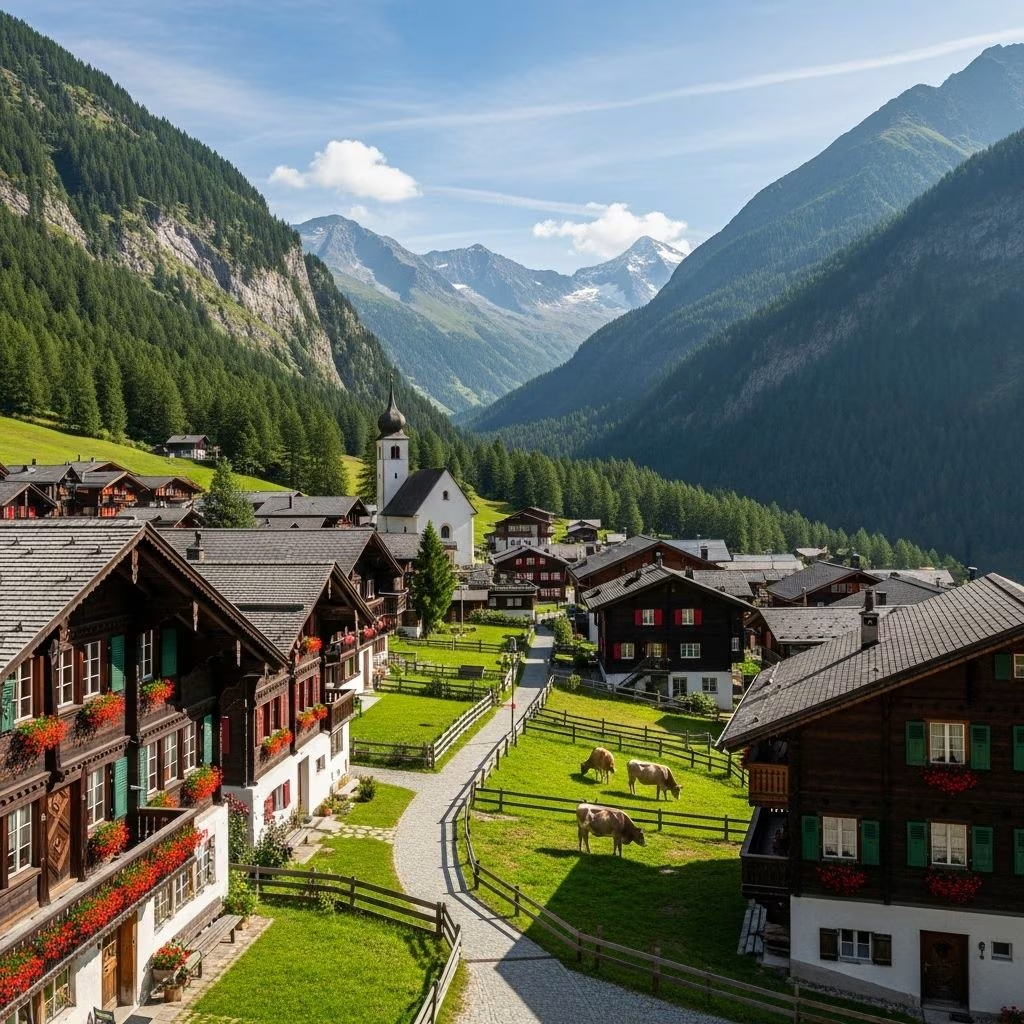
Gimmelwald is more than just a name on a map—it’s a living example of the enduring strength and character of Switzerland’s mountain communities. Perched high in the Bernese Oberland and nestled among awe-inspiring alpine peaks, this village has become an emblem of Swiss tradition, resistance to modern pressures, and the power of a closely knit community to preserve its unique way of life. Exploring Gimmelwald unveils not just spectacular scenery but also stories of resilience, hospitality, and everyday Alpine life.
\n\n
The Allure of the Alps: Beyond Tourist Hotspots
\n
For travelers seeking authentic Alpine experience, Gimmelwald stands in stark contrast to Switzerland’s famously commercialized resorts. While nearby towns evolved into bustling ski destinations with luxury hotels and high-end shopping, Gimmelwald made a conscious decision to resist these changes—and in doing so, it gained a reputation that far outpaces its size.
\n
- \n
- Location: Situated in the Jungfrau region, accessible only by cable car or by hiking the winding mountain trails.
- Population: Home to around 120 residents, most sharing the last name "von Allmen"—one of countless testaments to longstanding local roots.
- Atmosphere: A car-free, peaceful environment where life moves at a gentle, deliberate pace, offering scenery and serenity in equal measure.
\n
\n
\n
\n\n
Stopping Progress: The Fight to Stay Small
\n
In the late 20th century, as demand for mountain resorts boomed, developers set their sights on Gimmelwald. Proposals arrived for hotels, apartment blocks, and the kind of infrastructure that dwarfed neighboring villages. The response from Gimmelwald was united and swift: local families applied pressure to local authorities and succeeded in having the entire village declared an avalanche zone. This legal designation effectively froze expansion, with strict regulations preventing the construction of anything larger than a family house or a barn.
\n
The outcome was a remarkable communal achievement—one that protected the simplicity and scale of village life, even as the world changed around it. While tourists can visit, the heart of Gimmelwald remains fiercely local and is defined by:
\n
- \n
- Traditional chalets, many standing for centuries with their log-cabin construction techniques—often put together without a single nail.
- Only a handful of accommodations: rustic pensions, B&Bs, a renowned hostel, and, in summer, a barn for hikers when the cows graze in high mountain pastures.
- Strict building codes, dictating everything from shutter colors (natural, green, or white only) to the placement of stones atop chalet roofs—a vital feature to keep shingles in place during fierce winter storms.
\n
\n
\n
\n\n
Life in the Village: Daily Rhythms and Old Traditions
\n
Despite its worldwide fame among discerning travelers, Gimmelwald remains, at its core, an agricultural settlement. Its green terraces and meadows are grazed by cows that produce the milk for the area’s renowned “Alpkäse” (alp cheese). Many households still farm and harvest hay, embracing labor-intensive methods pre-dating mechanization by centuries.
\n
The importance of community is visible everywhere:
\n
- \n
- Shared chalets: Most houses accommodate two families, split vertically down the middle, reinforcing bonds between neighbors.
- Schoolhouse: The largest building is the village school, where a single teacher and their spouse educate all ages together—from the youngest pupils to teens.
- Ceremonial cowbells: Hung beneath eaves, awaiting the festive spring day when the cows return to the high meadows.
- Village Blessings: The post office and homes are adorned with folksy sayings and blessings that reflect a deep respect for nature and tradition: "Summer brings green, winter brings snow… May God give us His blessings."
\n
\n
\n
\n
\n\n
From Past to Present: Gimmelwald Through the Ages
\n
Gimmelwald’s origins can be traced back centuries. The oldest standing building, dating to 1658, showcases construction techniques tested by time and weather, and embodies the value the village places on continuity and adaptation. Every feature of the village, from stone walls to wooden shingles held in place by stones, expresses a narrative of survival and ingenuity in a demanding alpine environment.
\n
Historically, the village’s fortunes rose and fell with the seasons. Spring and summer brought work and bounty to the pastures, while winter meant insulation, resourcefulness, and close communal ties to weather the snow. Unlike many Alpine settlements, Gimmelwald’s character wasn’t eroded by waves of modernization—instead, its people wrote a different story of protection and self-determination.
\n\n
Gimmelwald in the Modern Age: Tourist Encounters and Sustainable Hospitality
\n
Today, Gimmelwald draws visitors from around the globe, attracted not by glamour or luxury but by the promise of a truly Swiss experience. Local families sell produce—cheese, jerky, sausages—directly from their farms. The hospitality here is simple, sincere, and embedded in everyday life.
\n
- \n
- Boutique Accommodation: Small pensions, an iconic hostel beloved by travelers, and the rare chance to spend a night in an Alpine barn.
- Local Food: Alpine cheeses, homemade sausages, and farm-fresh products—it is customary to chat with the farmer who produced your snack.
- Slow Living: The absence of vehicles, chain stores, or tourist traps creates a space where walking, conversation, and immersion in nature become the highlights of a visit.
\n
\n
\n
\n
| Aspect | Gimmelwald | Typical Swiss Resort |
|---|---|---|
| Population | ~120 residents | Thousands, often seasonal |
| Atmosphere | Quiet, authentic, car-free | Busy, commercial, modern |
| Accommodations | Basic pensions, hostel, barn stays | Luxury hotels, apartment blocks |
| Development | Restricted by avalanche law | Extensive, often expanding |
| Local Economy | Farming, small-scale tourism | Tourism, retail, real estate |
\n\n
Village Voices: Tradition, Language, and Community
\n
Village life relies on more than rules and laws; it thrives on the stories and voices of its people. Most Gimmelwalders know each other by family lineage, and diaspora descendants from Switzerland visit in search of ancestral roots. Local dialects are spoken, and customs cherished. Watchful eyes ensure that even the smallest changes conform to community values, preserving a way of life that is rare in the modern world. Generations pass their wisdom down through farming, hospitality, and shared ritual, and new arrivals—often hikers and curious travelers—become witnesses to these living traditions.
\n\n
Seasons on the Mountain: Natural Beauty and Daily Wonder
\n
Gimmelwald’s scenic majesty is ever-changing. In spring and summer, carpets of green spread across the meadows as wildflowers blossom, and villagers herd their cows to high summer pastures. Autumn brings a gold-and-red mosaic to the larch forests, and a brisk edge to the air. In winter, deep snow isolates the village, accentuating the quiet and the necessity for neighborliness and preparedness.
\n
For those who visit throughout the year, the highlights include:
\n
- \n
- Alpine flower hikes with views of the Jungfrau, Eiger, and Mönch peaks.
- Participating in the "Almabtrieb"—the ceremonial return of cows from mountain pastures.
- Long evenings spent in communal kitchens, sharing stories over locally sourced meals.
\n
\n
\n
\n\n
Preservation Against All Odds: Lessons From Gimmelwald
\n
Gimmelwald offers a striking lesson in grassroots determination. By prioritizing community, natural landscapes, and traditional ways of life, the village not only survived but thrived in an age when homogenization threatened many such places. Its story is not one of nostalgia, but of innovation—finding legal and communal means to shield itself from pressures of modernity while welcoming respectful travelers to experience its way of life.
\n
This balance of preservation and openness is part of what makes Gimmelwald’s story one that resonates far beyond the Alps. It is a testament to the idea that small places, when united by common cause, can leave a big name—and a lasting impression—on the map.
\n\n
Frequently Asked Questions (FAQs)
\n
Q: How can I get to Gimmelwald?
\n
A: Gimmelwald is reachable by cable car from Stechelberg or Mürren, or via hiking trails that traverse the stunning Lauterbrunnen and Stechelberg valleys. No cars are allowed in the village.
\n\n
Q: Are there accommodations for travelers?
\n
A: Yes, options include simple pensions, an acclaimed hostel, and during summer months, overnight stays in a converted barn. Booking in advance during peak seasons is advised.
\n\n
Q: What activities can visitors enjoy?
\n
A: Hiking, strolling the village, sampling local foods, and experiencing traditional Alpine culture are highlights. Nearby areas offer additional excursions and mountain sports.
\n\n
Q: When is the best time to visit Gimmelwald?
\n
A: Each season brings its unique charm. Summer offers wildflowers and hiking; autumn provides colorful foliage; winter appeals to those seeking solitude and snow-capped scenery.
\n\n
Q: Can I buy local products?
\n
A: Absolutely. Many families sell cheese, dried meats, and other Alpine specialties directly to visitors. It’s common—and encouraged—to chat with the producer about the origin of each product.
\n
References
- https://www.ricksteves.com/watch-read-listen/video/tv-show/best-of-west-ireland
- https://www.ricksteves.com/watch-read-listen/video/tv-show/best-of-the-alps
- https://blog.ricksteves.com/cameron/2022/01/italy-best-destination-anywhere
- https://www.ricksteves.com/watch-read-listen/read/articles/small-town-with-big-name
- https://www.ricksteves.com/watch-read-listen/read/articles/aarhus-denmarks-second-city
- https://blog.ricksteves.com/cameron/2015/06/sensational-sarlat-my-favorite-town-in-france
- https://www.ricksteves.com/watch-read-listen/read/articles
- https://www.ricksteves.com/watch-read-listen/video/tv-show/england-bath-and-york