Granada: A Journey Through History, Culture, and Moorish Splendor
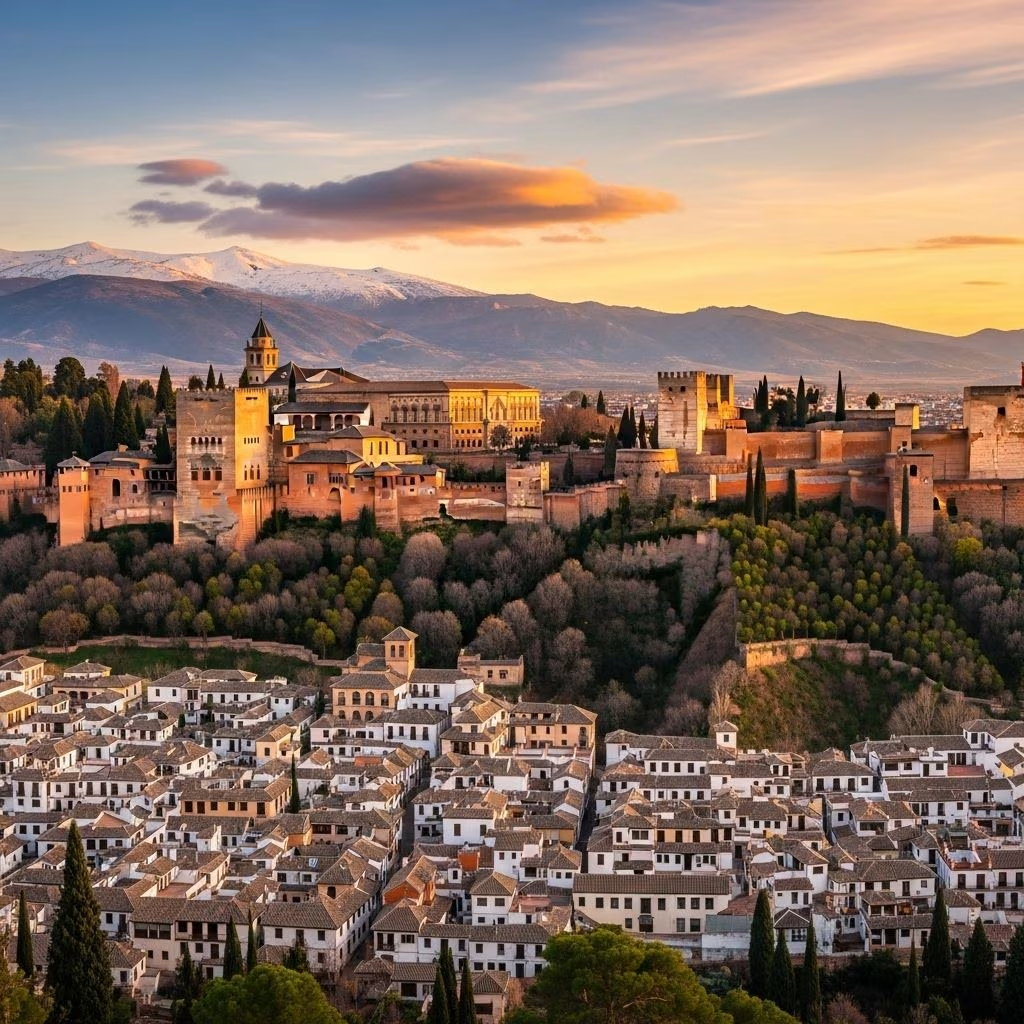
Granada, nestled at the foothills of the Sierra Nevada in southern Spain, stands as one of Europe’s most evocative cities. Known for its rich layers of Moorish and Catholic heritage, dazzling monuments, and vibrant street life, Granada invites travelers to experience the crossroads of civilizations. Whether you’ve come for the legendary Alhambra or the winding alleys of the Albayzín, Granada rewards all who open their senses to its unique ambiance.
At a Glance: Granada’s Top Sights
- The Alhambra: The crown jewel of Moorish architecture, a sprawling palace-fortress overlooking Granada.
- Royal Chapel: The ornate resting place of Spain’s Catholic Monarchs, Queen Isabel and King Ferdinand.
- San Nicolás Viewpoint: An iconic lookout offering panoramic views over the Alhambra and Albayzín.
- Granada Cathedral: Renaissance interior, a Spanish landmark and architectural marvel.
- Albayzín Quarter: The city’s best-preserved Moorish neighborhood, with labyrinthine alleys and hidden courtyards.
The Alhambra: Moorish Majesty Unveiled
The Alhambra is the highlight of any visit to Granada—often called the last and brightest flame of medieval Moorish civilization in Spain. The palace complex, built in the 13th and 14th centuries, boasts exquisite stucco details, scalloped windows, lush gardens, and the constant whisper of water fountains. Every corner is awash with history, from the fortress of the Alcazaba to the delicate artistry of the Palacios Nazaríes and the tranquility of the Generalife gardens.
- Palacios Nazaríes: The intricate heart of the Alhambra—reservations required and highly recommended to book months in advance due to high demand.
- Generalife: Picturesque gardens, where Moorish rulers sought respite amidst fountains, hedges, and panoramic city views.
- Alcazaba: The ancient fortress offering dramatic city and mountain vistas.
Visitors drawn to the Alhambra should secure tickets from the official source and plan their route carefully. Entry slots are strictly controlled; missing the Palacios Nazaríes is to miss the soul of the Alhambra experience.
Royal Chapel: Where Monarchs Rest, History Resonates
Just steps away from the cathedral stands the Royal Chapel, a lavish monument built for Spain’s most famous Catholic monarchs, Queen Isabel and King Ferdinand. Its shimmering Plateresque Gothic style, inspired by Moorish silverwork, sets a lacy counterpoint to the solemnity within. While more modest in scale than the cathedral, the Royal Chapel’s significance as the dynastic heart of Spain cannot be overstated.
Granada Cathedral: Renaissance Grandeur
The Granada Cathedral is renowned as Spain’s second largest, striking for its luminous Renaissance interior. Unlike most Spanish cathedrals, its white columns and soaring dome infuse the space with light—a deliberate departure from medieval gloom. The cathedral was constructed atop the remains of a mosque, reflecting Europe’s evolving architectural and spiritual landscape across centuries.
The Albayzín: Moorish Memories Alive
Granada’s Albayzín quarter is an enchanting tangle of whitewashed buildings, winding lanes, and secret patios—a living evocation of medieval Islamic Granada. Exploring its twisting streets reveals atmospheric plazas, serene gardens, and glimpses of the past at every corner. The Albayzín is best enjoyed on foot, allowing you to wander from bustling market squares to secluded Moorish courtyards.
- San Nicolás Viewpoint: Famous for breathtaking views, especially at sunset when the Alhambra glows crimson against the backdrop of the snow-capped Sierra Nevada.
- Great Mosque of Granada: Welcoming visitors to its peaceful courtyard, the mosque offers serene vistas of the Alhambra without the crowds.
- Alcaicería: Once the city’s silk market, now rebuilt as a network of lively shopping lanes filled with souvenirs, crafts, and local wares. It is an ‘authentic fake,’ reconstructed after a fire to preserve its romantic image.
Sacromonte and Roma Traditions
Beyond the Albayzín lies Sacromonte, famed for its cave dwellings and lively Roma (Gypsy) heritage. Here, you’ll find the Cave Museum—a window into traditional Roma customs—as well as vibrant flamenco performances, known locally as Zambra. The area’s museum and outdoor exhibits illustrate Sacromonte’s unique blend of Spanish and North African cultures.
- Cave Museum of Sacromonte: Explore caves where Roma families once lived, with displays on traditional crafts, music, and social rituals.
- Zambra Dance: Experience flamenco-like performances unique to Sacromonte; the dance’s roots reflect both Spanish and Roma influences.
Other Essential Sights and Experiences
- Corral del Carbón: Once an inn for traveling merchants, its Moorish architecture endures as Granada’s only surviving caravanserai; the ornate gateway is a distinctive relic of Islamic Granada.
- Paseo de los Tristes: A lively strip above the Darro River lined with traditional eateries, offering a scenic stroll amid Moorish history and panoramic views.
- Hammam El Bañuelo: Ruins of an 11th-century Moorish bathhouse, a testament to Granada’s sophisticated Islamic society and legacy of relaxation.
- Hammam al Andalus: Today’s tranquil Arab baths where visitors can soak and unwind in centuries-old tradition.
- Carthusian Monastery: Located on the city’s outskirts, this lavish Baroque monument contrasts with the austerity of Moorish design, highlighting Granada’s artistic transformations.
The Pulse of Daily Life: Sights, Sounds, and Flavors
Strolling through Granada rewards you with sensory delights at every turn. Listen for fountains burbling in the Generalife gardens, flutes trilling in cathedral alleys, and the lively chatter of locals in public squares. Granada’s cuisine marries Spanish staples with North African flavors—try local pastries, regional wines, and classic tapas at a bustling bodega.
Practical Travel Tips for Visiting Granada
- Book Early: Alhambra tickets are in high demand; secure your spot months ahead via the official website.
- Stay Central: Base yourself in the old center to easily access top monuments and lively plazas.
- Get Lost: The Albayzín and Sacromonte quarters are best explored by wandering, so embrace detours and discover hidden corners.
- Enjoy Free Tapas: Many bars in Granada serve complimentary tapas with drinks—a beloved local tradition.
- Respect Quiet Hours: Granada’s plazas and cafes buzz late into the evening, but residential areas cherish their peace.
Discovering Local Culture: Music, Dance, and Art
Granada’s cultural calendar bursts with energy. Flamenco and zambra performances pulse through the night in Sacromonte, while the city’s streets host impromptu concerts, processions, and neighborhood celebrations. Markets like the Alcaicería invite travelers to hunt for local crafts, ceramics, and textiles—echoes of the city’s historic role as a trade hub.
Granada for the Senses: Why Every Traveler Should Visit
Granada is a city that must be experienced through all senses. From the intricate Moorish windows framing the mountains, to the embrace of perfumed gardens, and the taste of cinnamon and almond in local sweets, Granada blends the best of Spain and North Africa in a dazzling, unforgettable tapestry. Don’t just observe—immerse yourself.
Frequently Asked Questions (FAQs)
Q: What is the best time to visit Granada?
A: Spring and early autumn offer pleasant temperatures and fewer crowds, making them ideal for exploring the Alhambra and old quarters.
Q: How can I get tickets for the Alhambra?
A: Visit the official Alhambra ticketing website and book as early as possible—tickets are released a year ahead and sell out quickly.
Q: What is unique about Granada’s tapas culture?
A: Many bars in Granada serve free tapas with your drink, a tradition not commonly found in other Spanish cities.
Q: Is Granada walkable?
A: Yes, most of the historic center, Albayzín, and other major sights are within walking distance; prepare for hilly terrain in some neighborhoods.
Q: Are there family-friendly activities in Granada?
A: Absolutely—explore the gardens of the Alhambra, caves of Sacromonte, and lively plazas, all perfect for visitors of every age.
Recommended Itinerary Table
| Day | Morning | Afternoon | Evening |
|---|---|---|---|
| Day 1 | Alhambra Tour | Explore Generalife Gardens | Tapas in city center |
| Day 2 | Royal Chapel & Cathedral | Albayzín stroll | Sunset at San Nicolás Viewpoint |
| Day 3 | Sacromonte caves | Corral del Carbón | Flamenco show |
Must-Try Granada Foods
- Tortilla Sacromonte: A hearty omelette with regional ingredients.
- Piononos: Sweet pastries with creamy fillings, unique to Granada.
- Churros con Chocolate: Classic Spanish treat, often enjoyed in local cafés.
Travel Resources and Further Reading
For more details on Granada, top sights, and cultural tips, refer to respected travel guidebooks or explore video guides highlighting Andalusia’s vibrant character.
References
- https://www.ricksteves.com/europe/spain/granada
- https://www.youtube.com/watch?v=aHWRCQ2FGYo
- https://www.ricksteves.com/watch-read-listen/video/tv-show/granada-cordoba-and-spains-costa-del-sol
- https://www.ricksteves.com/watch-read-listen/read/articles/granada-moor-than-the-sum-of-its-parts
- https://community.ricksteves.com/travel-forum/trip-reports/granada-spain-trip-report
- https://www.youtube.com/watch?v=hIFBN4Bw0L4
- https://blog.ricksteves.com/blog/tag/granada/
- https://www.ricksteves.com/watch-read-listen/video/alhambra