Hole N” The Rock: Utah’s Unforgettable Roadside Marvel
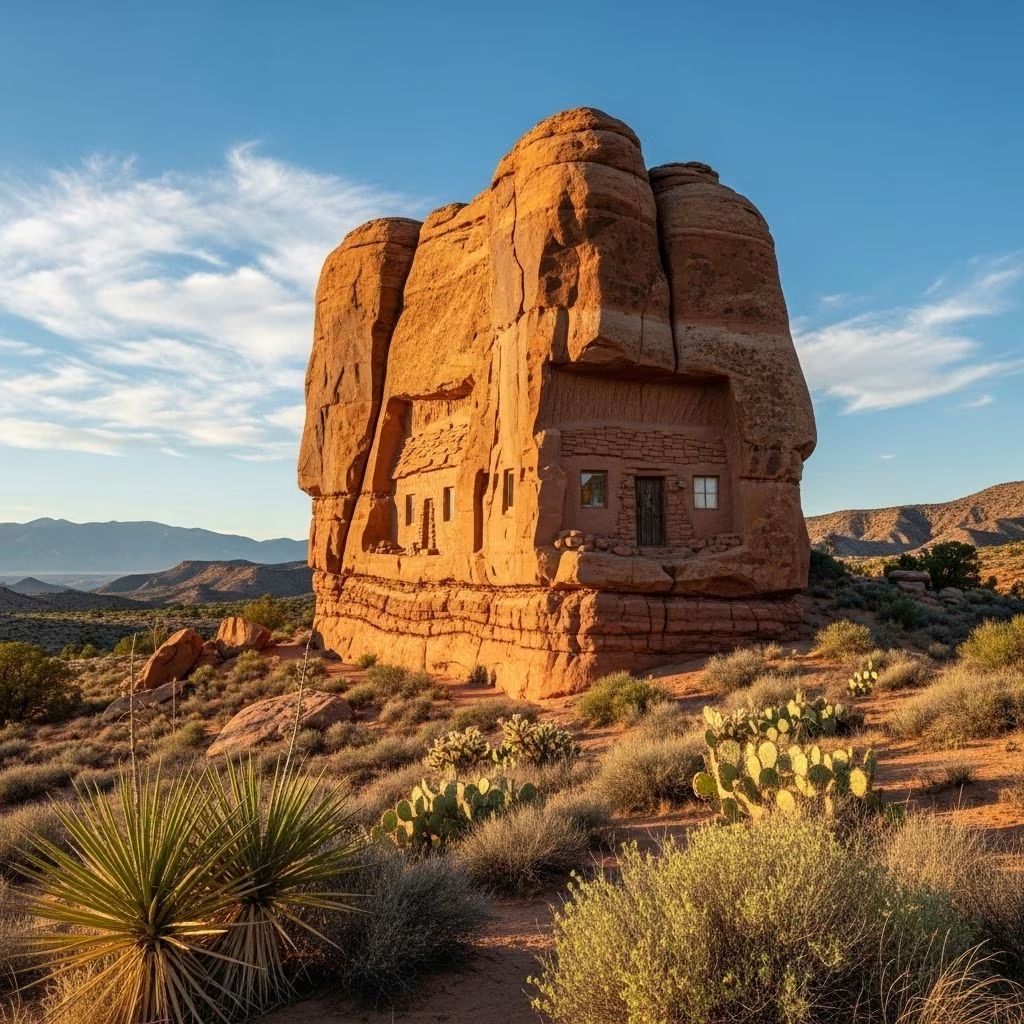
Set against the backdrop of southeastern Utah’s dramatic red rock scenery, Hole N” The Rock is more than just a clever name—it’s an iconic destination and story-rich monument to American ingenuity, eccentricity, and community spirit. Located just 12 miles south of Moab along Highway 191, this extraordinary landmark attracts travelers seeking something truly out of the ordinary: a sprawling, cave-carved house packed with quirky artifacts and local lore.
A Rich History: From Cowboy Camp to Roadside Legend
The remarkable journey of Hole N” The Rock begins in the early twentieth century, when the location was little more than a natural cave where regional cowboys would camp and seek shelter . Its transformation into a marvel of do-it-yourself architecture started in 1945, when brothers Albert and Leo Christensen expanded the cave and founded the original Hole N” The Rock Diner . As Moab faded from its mining and ranching heyday, a uranium boom drew fortune-seekers to the region—many of whom found solace, sustenance, and camaraderie at the diner.
During this period, Albert Christensen exemplified the pioneer ethos, sharing meals and cold beer with struggling visitors and inviting many to join in chiseling away at the sandstone in the spirit of communal effort . Over twelve painstaking years, Albert excavated 50,000 cubic feet of ancient Navajo sandstone, laboriously carving out a unique 14-room home deep inside the rock . Albert’s vision stretched beyond mere shelter; he adorned the entrance with a sculpted visage of Franklin D. Roosevelt and painted murals such as the iconic “Sermon on the Mount”—melding reverence for American history, faith, and personal artistry. The house boasted features like a giant fireplace and 65-foot chimney jutting above the stone, plus a massive concrete bathtub literally carved into the rock .
Key Historical Milestones
- The cave’s earliest use as a cowboy camp in the early 1900s
- The 1945 expansion by Albert and Leo Christensen, creation of the diner
- Albert’s community-centric generosity during the uranium boom of the 1950s
- The 12-year excavation resulting in over 5,000 square feet of living space
- Albert’s death in 1957, after which his wife Gladys continued to nurture and expand the landmark
A Home Etched in Stone: Inside Albert and Gladys Christensen’s Cave House
The true spectacle of Hole N” The Rock lies within its elaborately carved sandstone interior—a testament to determination and creative energy. The home comprises 14 rooms, including bedrooms, a kitchen, living spaces, and even the original diner area, all arranged around sturdy pillars and uniquely furnished . The décor is a genuine time capsule, merging mid-century kitsch with heartfelt tributes to both religious faith and American history. Visitors can spot Christian artifacts alongside the sculpture of FDR and original paintings; every nook bursts with personality and nostalgia.
| Feature | Description |
|---|---|
| Number of rooms | 14 |
| Square footage | 5,000 sq ft |
| Chimney height | 65 feet |
| Bathtub | Concrete, built into sandstone |
| Notable art | Franklin D. Roosevelt sculpture, Sermon on the Mount mural |
| Interior furnishings | Original mid-century furniture, paintings, doll collection |
After Albert’s death, Gladys Christensen took center stage, turning the home into a welcoming curiosity. She commissioned the iconic white-letter signage still seen on the exterior, sold handmade jewelry from a gift shop nestled inside the rock, and hosted visitors personally—often inviting them in for tea, or napping on the couch as tours passed by . Her warmth and business acumen cemented Hole N” The Rock’s place as not just a home, but a living museum and social hub for travelers.
The Roadside Attraction Experience
Today, Hole N” The Rock stands out as one of Utah’s most distinctive roadside attractions. Located at 11037 South Highway 191 (about 12 miles south of Moab), the site is open year-round, seven days a week, typically from 9 am to 5 pm—though winter hours are slightly reduced . Guided house tours are available daily, running approximately 10–12 minutes; the cost is $6 for adults and $3.50 for children ages 5–10, with group discounts and free admission for children under five .
- Tour fees: $6.00 per adult; $3.50 per child (ages 5–10); children under 5 free
- Tour length: 10–12 minutes, guided
- Operating hours: 9 am–5 pm (winter: 9 am–4 pm)
- Location: 11037 South Hwy 191, Moab, Utah 84532
- Phone: (435) 686-2250
Visitors marvel at the engineering and the preserved mid-century atmosphere, but there’s even more to discover, making it an essential pit stop for adventurous travelers.
Beyond the House: Eclectic Attractions and Activities
- Trading Post & General Store: Offers snacks, drinks, ice cream, souvenirs, and authentic Native American gifts.
- Gift Shop: Features one-of-a-kind locally crafted jewelry and memorabilia.
- Lyle Nichols Metal Sculpture Collection: The largest display of Nichols’ imaginative metal art in the Moab region.
- Exotic Petting Zoo: Home to zebras, two-humped camels, bison, and other unusual animals .
- Original Art Installations: Throughout the property, visitors find quirky installations, upcycled sculptures, and photogenic curiosities.
Do-It-Yourself Architectural Ingenuity
Hole N” The Rock is widely recognized in Utah lore for its do-it-yourself spirit—a genuinely unique feat of architecture born from sweat, vision, and a willingness to experiment. The Christensens, with little formal engineering training, carved a modern family home from stone, integrating liveable space with elements of mid-century restaurant, bar, and dance hall . Finished plumbing, electricity, and unusual amenities like the giant stone bathtub all reflect Albert’s ceaseless creativity and problem-solving.
From the exterior signage—hand-painted and impossible to miss—to the dramatic scale and personal touches indoors, visitors encounter a vivid physical record of one family’s dreams, labor, and legend.
Legacy and Current Ownership
After Gladys passed away, the landmark has remained a privately-owned attraction, lovingly preserved by successive owners. Today, the site belongs to the Hansen family, who have maintained its welcoming, folksy atmosphere and continue to invest in new curiosities and amenities for visitors . The property is featured in travel guides, local histories, and countless social media posts, consistently surprising new arrivals with its scale, charm, and irreverent humor.
Visiting Hole N” The Rock: Practical Tips
- Arrive early to avoid seasonal crowds and ensure full access to all amenities.
- Be prepared for brisk indoor temperatures—the cave system stays cool, even in mid-summer.
- Don’t miss the chance to browse unique souvenirs and handcrafted jewelry in the gift shop.
- Plan extra time to tour both the house and the petting zoo.
- Look for local art installations and photo ops scattered throughout the property.
- Check for seasonal or special event hours before your visit.
Quirky Features & Cultural Impact
Hole N” The Rock’s blend of Americana, folk religion, and offbeat creativity has inspired artists, historians, and travelers—helping define Moab’s reputation as a haven for oddities and independent spirit. Its unusual punctuation (the double apostrophe is not a typo but local character) further distinguishes it from other attractions, while the sheer ambition of excavating a house-sized cave serves as a symbol of possibility for all who pass through the region .
Popular with families, RV travelers, and Instagrammers alike, Hole N” The Rock has become a fixture in the minds and stories of locals, frequently featured in travel magazines, internet lists, and state tourism campaigns. The attraction endures as both a living tribute to community, generosity, and the indomitable will of its creators.
Frequently Asked Questions (FAQs)
How long does the guided tour of Hole N” The Rock take?
The guided house tour usually lasts about 10–12 minutes, providing a fascinating glimpse into the interior architecture, art, and family history .
How much does it cost to visit?
Admission for adults is $6, children ages 5–10 pay $3.50, and children under five are free. Group rates are available for larger parties .
What are the operating hours?
Hole N” The Rock is open seven days a week, generally 9 am–5 pm; in winter, the hours are 9 am–4 pm. It is open year-round .
What can visitors do besides tour the house?
- Browse the extensive metal art sculpture collection.
- Visit the petting zoo featuring exotic animals.
- Shop for Native American gifts and local jewelry.
- Enjoy snacks, ice cream, and drinks at the general store.
Who built Hole N” The Rock?
Albert and Gladys Christensen excavated and constructed the home over 12 years, beginning in the mid-1940s .
Is photography allowed during tours?
Photography is encouraged outdoors and at art installations, but indoor photography during tours may be restricted to preserve the authentic atmosphere and privacy of the collections. Check with tour guides for specific policies.
Is Hole N” The Rock accessible for visitors with limited mobility?
The house and grounds are partially accessible, but some areas may be challenging due to uneven stone floors or narrow passageways. Contact in advance for details or accommodations.
Nearby Landmarks & Activities for Travelers
- Delicate Arch: Utah’s famous natural sandstone arch is located roughly 30 miles north, within Arches National Park.
- Canyonlands National Park: Major park access points lie within easy driving distance for hiking, sightseeing, and photography.
- Moab’s vibrant downtown: Enjoy local eateries, art galleries, river rafting, and more.
- Historic Uranium Boom Sites: Explore regional history through museums and guided tours.
Further Reading & Resources
- Property website and contact info for updated hours and group bookings
- Guidebooks and travel blogs featuring Hole N” The Rock and other roadside attractions
- Moab visitor centers for regional maps and cultural information
Conclusion: A Monument to Quirk, Generosity, and American Frontier
Hole N” The Rock endures as a monument to what is possible when creativity, generosity, and sheer persistence fuse against the backdrop of nature’s grandeur. For visitors and historians alike, it remains a must-see—a legendary, living memory echoing the pioneer spirit, community warmth, and eccentric charm that define both Moab and traveling America’s byways.
References
- https://www.countryliving.com/life/travel/a43809/hole-in-the-rock-moab-utah/
- https://historytogo.utah.gov/hole-rock-trek/
- https://southwestcontemporary.com/moabs-mid-century-cave-dwelling-is-an-ode-to-bad-taxidermy-and-jesus-christ/
- https://www.allmoab.com/history_museums/the_hole_in_the_rock.php
- https://moabmuseum.org/the-arrival-of-mormons-at-bluff-hole-in-the-rock-expedition/
- https://www.visitutah.com/articles/hole-n-the-rock
- https://visitfourcorners.com/the-fascinating-history-of-the-hole-in-the-rock-expedition/
- https://milliverstravels.com/2018/06/hole-in-the-rock-utah/
- https://www.theholeintherock.com/the-house/