How Sleep-Optimized Hotels Are Redefining Rest for Travelers
The pursuit of perfect sleep has moved out of the home and into hotels worldwide. As health and wellness become increasingly central to the travel experience, hotels are competing to offer not just comfort, but scientifically optimized sleep. The evolving trend of sleep tourism is transforming guest rooms into sanctuaries, complete with personalized amenities, smart technology, and expert-backed interventions designed to foster deep, restorative rest. Here’s how the hospitality industry is reimagining what it means to get a good night’s sleep while on the road.
My Experience in a Certified Sleep-Focused Hotel
During a recent stay at the Longfellow—a boutique property designed from the ground up for sleep optimization—I experienced firsthand the difference a truly sleep-focused approach can make. From double-thick walls to mitigate sound to rubber-wrapped electrical outlets and blackout curtains, every detail was meticulously chosen to eliminate disruptions.
As a self-proclaimed sensitive sleeper who often struggles in unfamiliar hotel environments, I was eager to see if these features would make a tangible difference. The result: an uninterrupted night’s rest and a rejuvenating morning, reinforcing how thoughtful design and technology can redefine hotel sleep experiences.
Why Sleep Matters More Than Ever in Hospitality
Modern travelers expect more than luxury linens and pillow menus. They’re searching for restorative sleep—and for good reason. Sleep quality affects everything from cognitive performance and mood to immune health. In a world where travel often means jet lag, noisy corridors, and unfamiliar spaces, hotels are uniquely positioned to address longstanding complaints about restless nights on the road.
- Sleep tourism is now a recognized travel trend, with guests actively seeking hotels that prioritize deep rest.
- Science shows that optimizing sleep settings—like temperature, lighting, and noise—can dramatically improve both comfort and health outcomes.
- Investing in sleep wellness isn’t just about guest satisfaction; it’s a powerful differentiator in an increasingly competitive industry.
Creating the Gold Standard for Restorative Sleep
Key Elements in Guest Room Design
Leading hotels are implementing a holistic strategy to ensure guests can sleep deeply and wake refreshed. Key considerations include:
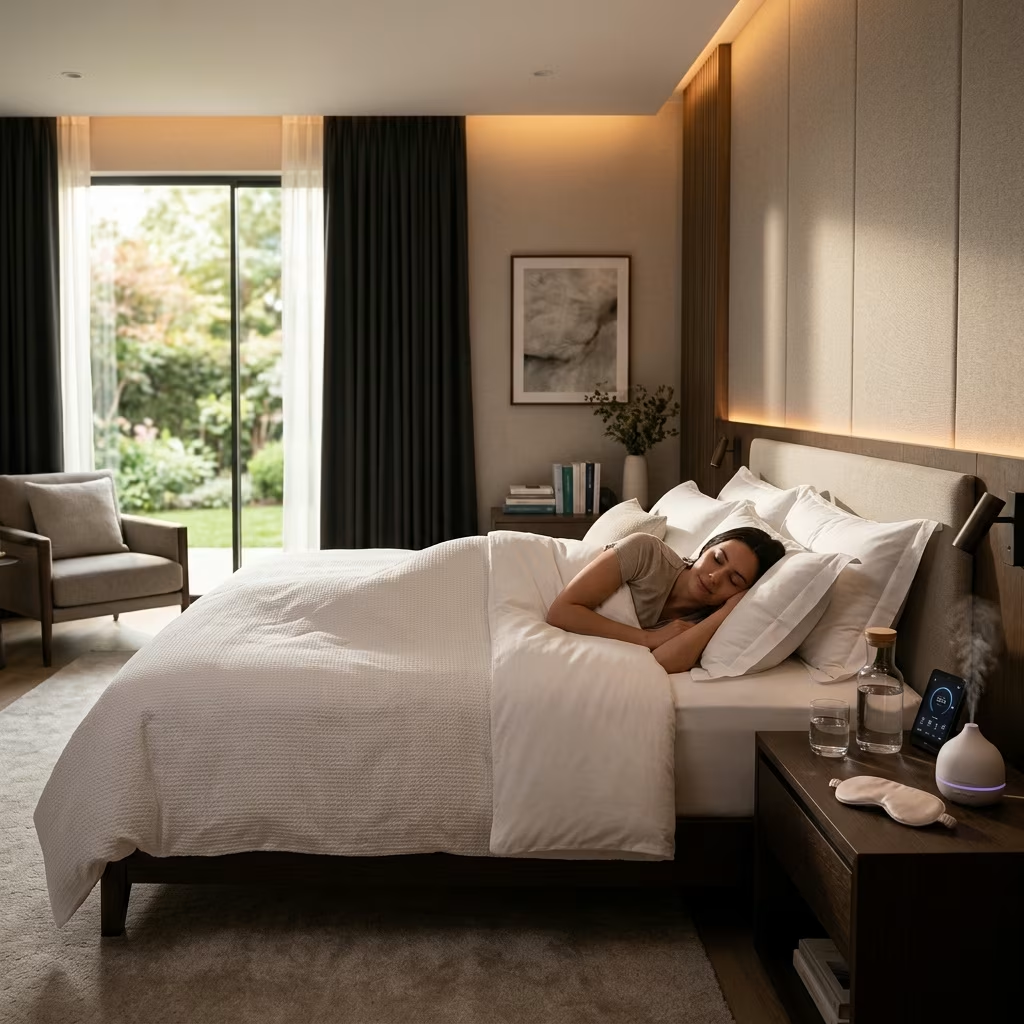
- Soundproofing: Double-thick walls, insulated doors, rubber-wrapped outlets, and thoughtful placement away from noisy common areas prevent unwanted disruptions.
- Blackout Curtains: Heavy-duty or motorized blackout shades are standard, offering total darkness to minimize the impact of outside light or early sunrises.
- Temperature & Humidity Control: Rooms feature adjustable temperature controls (ideally between 60–67°F) and maintain relative humidity below 50% to foster optimal sleep conditions.
- Lighting: Dimmable, circadian-friendly lighting helps cue the body for sleep, while reading lights and sunrise-mimicking lamps gently transition guests from rest to wakefulness.
- Air Quality: Integrated air purifiers filter out allergens and pollutants, ensuring a breathable, clean environment day and night.
Furnishings and Amenities
- Mattress Innovation: Customizable mattresses with smart sensors, variable firmness, and cooling technology cater to individual preferences.
- Pillow Menus: Menus feature a selection of materials and firmness levels, allowing each guest to tailor their sleep setup.
- High-Quality Bedding: Breathable, temperature-regulating sheets and hypoallergenic protectors support an undisturbed night.
- Sleep Accessories: Hotels often provide earplugs, eye masks, aromatherapy kits, and even weighted blankets for added comfort.
The Science Powering Sleep-Focused Stays
Hotel developers are increasingly consulting with sleep researchers, neuroscientists, and certified sleep coaches to validate their sleep-enhancing strategies. This collaborative approach yields guest experiences that go far beyond intuitive design:
- Circadian Rhythm Regulation: Light and temperature cycles are synced to support healthy sleep-wake patterns.
- Noise Minimization: Sound-absorbent construction and white-noise technology reduce interruptions from neighbors or city life.
- Technology Integration: Smart devices monitor sleep patterns, adjust temperature, and provide gentle dawn simulations instead of jarring alarms.
Case Studies: Notable Sleep-Optimized Hotels and Suites
| Hotel / Brand | Key Sleep Features | Notable Details |
|---|---|---|
| The Longfellow | – Double-thick soundproofed walls – Circadian lighting – White noise machines – Blackout shades | Sound-blocking outlets, hypoallergenic bedding, snack menu for sleep support |
| Hotel Fig (Los Angeles) | – R&R Suite with sleep survey – Custom Pluto pillow – Smart Eight Sleep mattress – Molekule air purifiers – Happy Ears eco earplugs | Complimentary Headspace app access for all guests; female-founded product curation |
| Carillon Miami Wellness Resort | – Sleep-focused spa treatments – Advanced mattress technology – Guided meditation experiences | Consultations with sleep doctors and wellness coaches offered onsite |
| Bryte Suite Hotels | – AI-powered smart beds – Personalized sleep coaching – Air quality monitors | In-room data collection for optimizing personal sleep patterns |
Behind the Design: The Role of Sleep Coaches and Scientists
Hotels like The Longfellow are increasingly bringing on sleep consultants and scientists to help shape policies, product selection, and even room configurations. These expertsinfluence everything from:
- Choosing noise-absorbing materials for construction
- Designing food and beverage menus with ingredients that promote melatonin and serotonin
- Recommending in-room rituals such as guided meditations, bedtime stretches, or educational sleep content
“We offered a 360° plan to touch on all parts of the guests’ experience, from the buildings and messaging to the products, food, and bedtime snacks,” shared one sleep consultant. The aim is to deliver science-backed, repeatable routines that can improve sleep hygiene during and after the stay.
Top Tips Hotels Use to Optimize Sleep
- Customize Environments: Offer temperature controls and allow guests to request hypoallergenic or specific pillows and bedding.
- Prioritize Silence: Invest in construction upgrades that minimize hallway and neighbor noise. Offer white noise or sound masking devices on request.
- Block Out Light: Install blackout curtains and automated dimming lights.
- Encourage Downtime: Provide access to meditation, sleep music, or relaxation apps.
- Educate Guests: Place guides on in-room sleep tips and wellness suggestions tailored to jet lag recovery or local time resets.
Rising Sleep Tech Trends in Hotels
- Smart Mattresses: Variable firmness, sleep tracking, and individualized microclimate zoning are becoming standard in high-end rooms.
- Biometric Monitoring: In-room wearables or sensors offer feedback on guests’ sleep quality and suggest adjustments.
- Personal Sunrise/Sunset Lamps: Artificial dawn and dusk simulations align with guest circadian rhythms.
- Curated Scent and Sound Programs: Aromatherapy diffusers and customizable sound environments (white noise, nature sounds) help induce sleep.
The Holistic Approach: Beyond the Bedroom
Sleep optimization isn’t confined to the guest room. Progressive properties address sleep through:
- Spa Therapies: Offer massages, facials, and therapies scientifically proven to reduce cortisol and boost melatonin (like acupressure, aromatherapy, or infrared saunas).
- Rest Rituals: Schedule evening wind-down activities—guided yoga, deep breathing classes, or reading lounges with calming teas.
- Sleep-Focused Restaurants: Curate menus with sleep-promoting ingredients such as cherries, almonds, oats, and warm milk.
- Wellness Programming: Integrate seminars and expert talks on sleep hygiene, stress management, and lifestyle optimization.
What Guests Can Do to Maximize Hotel Sleep
- Request a quiet room away from elevators and common spaces.
- Make use of available sleep kits: eye masks, ear plugs, and calming teas.
- Set your ideal room temperature upon arrival.
- Adopt an evening wind-down ritual, avoiding screens an hour before sleep.
- Engage with hotel wellness offerings, such as guided meditations or evening yoga.
Frequently Asked Questions (FAQs) About Sleep-Optimized Hotels
Q: What makes a hotel ‘sleep-optimized’?
A: Sleep-optimized hotels go beyond standard comfort by using science-backed design, advanced mattresses, blackout curtains, air filtration, temperature and light controls, and curated sleep amenities to foster deep, restorative rest.
Q: Are sleep-focused hotel amenities only for luxury travelers?
A: While many high-end hotels are leading the charge, mid-range and budget hotels are increasingly adopting elements such as better soundproofing, pillow menus, and blackout curtains, making sleep wellness accessible to more guests.
Q: Can these hotels actually help with jet lag?
A: Yes. Many sleep-optimized hotels offer resources to acclimate to new time zones, such as tailored lighting, circadian rhythm programming, and wellness treatments aimed at resetting the body’s natural clock.
Q: How are staff trained to support sleep wellness?
A: Staff often participate in sleep awareness programs, are trained to maintain quiet in guest spaces, offer sleep kits, and guide guests toward sleep-enhancing amenities and services.
Final Thoughts: The Future of Hotel Sleep Experiences
The rise of sleep-optimized hotels reflects a broader cultural shift: quality rest is now recognized as foundational to health and happiness. As the science of sleep continues to advance, expect hotels to push innovation further—with technology, design, and wellness-paired services that make every travel night a good one. For travelers everywhere, this means restless nights on the road could soon be a thing of the past.
References
- https://globalwellnessinstitute.org/wp-content/uploads/2024/01/The-Ultimate-Guide-for-Optimizing-Restorative-Sleep-in-Hotels.pdf
- https://www.goodmorningamerica.com/travel/story/sleep-tourism-hotels-sleep-travel-trends-107921698
- https://www.goodhousekeeping.com/life/travel/a63351610/sleep-optimized-hotels/
- https://www.hoteldive.com/news/hotels-embrace-sleep-tourism/653676/
- https://www.goodhousekeeping.com/sleeping-tips/