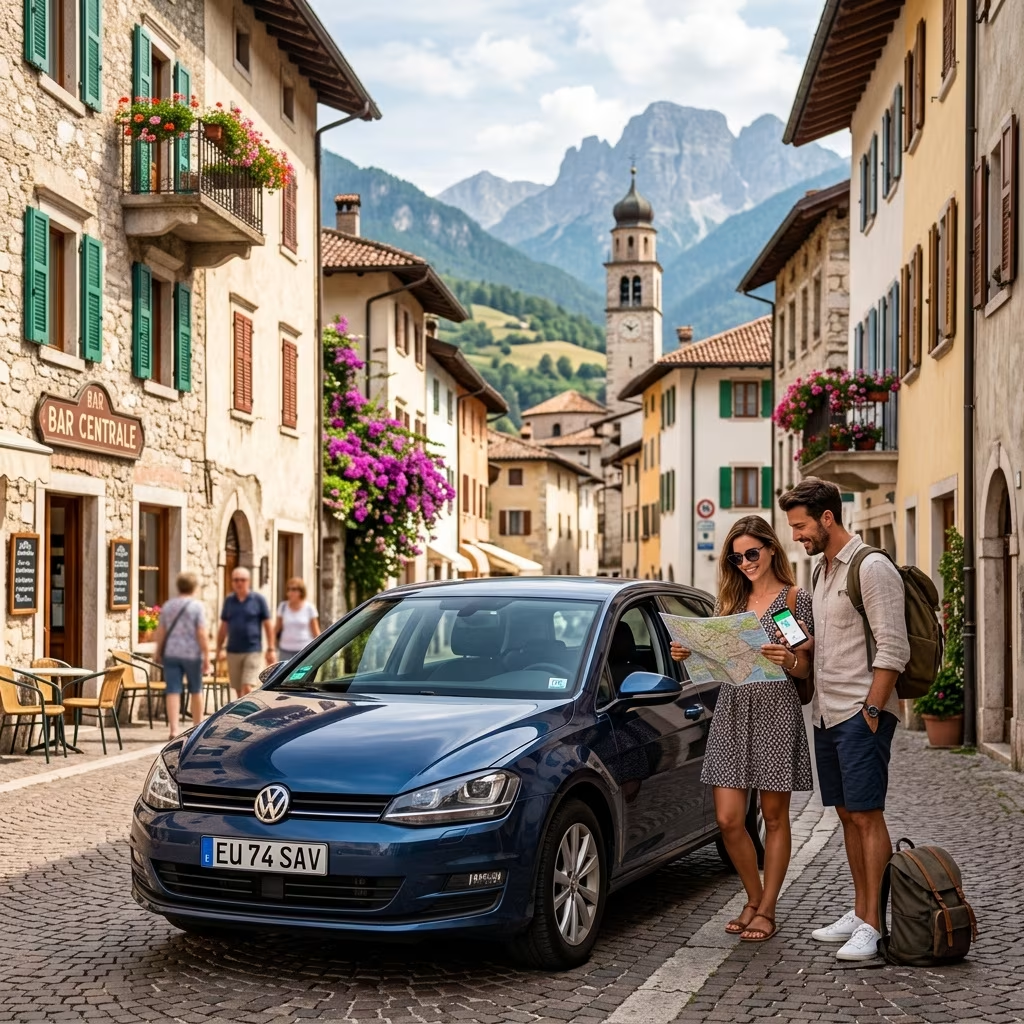
Tips for Booking a Rental Car in Europe
Exploring Europe by car offers unmatched flexibility and the freedom to discover regions and villages at your own pace. However, navigating the process of booking a rental car can be daunting, given the plethora of options, unfamiliar insurance nuances, and unique European rental quirks. This comprehensive guide equips you with everything you need to confidently select and book a rental car for your European adventure.
Which Rental Company Should You Choose?
Finding the right rental car provider in Europe starts with comparing both prices and service. Many travelers begin their search with popular booking platforms such as Kayak, Expedia, or AAA. Alternatively, if you have a preferred rental agency at home (like Hertz, Avis, Europcar), consider staying loyal, as familiar companies often have branches across Europe and may offer additional perks for returning customers.
- Large companies (e.g., Europcar, Sixt, Hertz): Tend to offer wider networks of pick-up and drop-off points, more reliable service, and easier car replacement if you encounter problems.
- Consolidators (e.g., Auto Europe): Act as wholesalers, comparing multiple rental agencies to secure you the best rate. You pay the consolidator directly and receive a voucher for pickup in Europe. It’s wise to check both US and European websites for consolidators, as deals and selection can vary.
- If working with a consolidator, always clarify fees, restrictions, and policies before booking, as these may not be apparent until pickup. Should disputes arise at the counter, contact the consolidator before accepting terms or leaving the premises.
Where and When to Reserve Your Car
Securing the best deal often means booking in advance from home. Early reservations offer broader selection, particularly for special requirements like automatic transmissions, which tend to be rare and book up quickly on the continent.
- For long-term rentals: Home booking usually provides better rates and support options.
- On-the-spot rentals: If booking while in Europe, visit or call local agencies, or seek help from a nearby travel office.
- Compare the cost and convenience of online advance payment versus paying at the agency. Booking and paying in advance typically secures you a lower rate, avoids potential credit card international transaction fees, locks in the exchange rate, and may include better collision damage terms. However, always understand the cancellation policy to avoid surprise fees if plans change.
Manual or Automatic & Vehicle Selection
European roads are filled with manual transmission cars, and automatics are less common — often costing more and sometimes only available in larger vehicles.
- If you require an automatic, book as early as possible and prepare for a higher daily rate.
- Be prepared for European cars to generally be smaller, especially the most affordable models. Assess your luggage capacity needs when booking.
Comparing Prices: What to Look For
Don’t stop at the headline quote. Look closer at:
- Base rental rate: Varies by company, season, and car class.
- Included mileage: Most rentals include unlimited mileage, but some budget options may cap daily kilometers. Check limits to avoid overage fees.
- Fuel policy: Full-to-full (you return the car with a full tank) usually offers the best transparency.
- Taxes and fees: Verify all mandatory fees (VAT, airport surcharges, road taxes, etc.) are included in your quote.
- Insurance coverage: Basic insurance may be included, but review details on deductibles and what you are responsible for in the event of damage or theft. Some countries, such as Italy, require specific coverage like theft protection. Check if your credit card offers adequate coverage; otherwise, consider additional insurance.
- Optional extras: GPS, extra driver fees, child seats, etc., can add substantially to the quoted price.
Pick-Up and Drop-Off: Location Strategies
The city and office you choose to pick up and drop off your rental can significantly impact your travel budget and level of stress. Consider these key points:
- Airport vs. city: Rentals from major airports are convenient but often subject to extra charges. Picking up from in-town agencies may cost less but could have more restricted hours and smaller fleets.
- City center premiums: Major cities typically command higher rental rates. To save money and simplify driving, consider beginning your rental from a smaller town or a city’s outskirts—reachable by train or bus. For example, tour a large city car-free, then pick up your rental for countryside or regional travel.
- One-way rentals: Dropping off at a different location (especially if crossing borders) often incurs extra fees. Factor these into your plans and seek quotes for both same-location and one-way returns.
- Office hours: Many smaller towns and branches keep limited hours, especially weekends and holidays. Never plan to collect or return your car outside confirmed business hours.
Understanding the Rental Contract
Before you sign anything or get behind the wheel, meticulously review the rental agreement. Pay particular attention to:
- Damage and theft responsibility: Know the deductible and your liability for damage, loss, or theft.
- Fuel policy: Note the tank policy and refueling charges.
- Additional fees: These may include road taxes, young driver surcharges, location surcharges, GPS rental, or winter tire fees.
- Payment methods and deposit: Most agencies require a credit card for the deposit; some debit cards may not be accepted.
- Cross-border travel: Disclose if you plan to visit additional countries; insurance and permission may be affected.
Insurance: What You Need to Know
Insurance requirements and norms differ considerably in Europe compared to North America. Typically, your base rental covers only basic liability and might not provide comprehensive coverage for theft, damage, or third-party injury. Understand the options:
- Collision Damage Waiver (CDW): Limits your financial liability for vehicle damage. Generally, you’ll still be responsible for a non-trivial deductible.
- Theft Protection (TP): Often a required policy (mandatory in some countries, such as Italy) that covers the loss of the vehicle but may not cover personal effects inside.
- Personal Accident Insurance (PAI): Provides medical coverage for driver and passengers; generally optional. Many travelers rely on separate travel insurance for these needs.
- Credit card coverage: Some premium credit cards provide secondary or primary coverage for rental cars, but read the terms closely to confirm what is and isn’t covered in your destination country and to ensure you decline the rental agency’s coverage if necessary.
- Third-party insurance: (Required by law and usually included, but verify to avoid liability surprises.)
Booking and Driving Suggestions for a Smooth Experience
- Book early if you want an automatic, larger vehicle, or pickup during peak seasons.
- Double-check office hours at pickup and drop-off locations, especially in smaller towns.
- Bring your driver’s license; an International Driving Permit (IDP) may be required or strongly recommended in many European countries.
- Check local rules, such as vignettes (road-use permits), tolls, and environmental zones—ask the agency about any country-specific requirements.
- Inspect the car thoroughly before leaving the agency. Photograph the exterior and interior, noting prior damages on the rental agreement.
- Familiarize yourself with European road signs and driving behaviors specific to your destinations.
Frequently Asked Questions (FAQs)
Q: Should I pay for my rental car in advance or at pickup?
A: Paying in advance when booking is usually less expensive and locks in your rate, helps avoid international credit card fees, and often secures better insurance terms. However, review the cancellation policy carefully, as changes or cancellations may incur fees if your itinerary isn’t set.
Q: Is it cheaper to rent from airports or city locations?
A: Airport and city-center pick-up points often have higher rental rates and added fees. Picking up at a local agency outside main tourist hubs or in smaller towns typically saves money, though opening hours may be more restricted, and fleets might be limited.
Q: What about picking up and dropping off in different cities or countries?
A: One-way rentals within the same country often incur a surcharge. Cross-border returns usually carry hefty extra fees or may not be allowed at all by some agencies. Always ask about these charges in advance and plan accordingly.
Q: Will my US driver’s license work in Europe?
A: Many countries accept US and Canadian driver’s licenses, but several require an International Driving Permit (IDP) along with your domestic license. Check requirements for each country on your itinerary before departure.
Q: Do I need special insurance for driving in Europe?
A: Basic liability is usually included, but additional coverage (CDW, theft protection) may be necessary or advisable. Credit card coverage may help but doesn’t always comply with local requirements—read your credit card benefits terms closely.
Q: What should I do if I have a disagreement at the rental counter?
A: If you booked through a consolidator or online broker, contact their customer service immediately using the toll-free number before accepting new terms or leaving with the car. Keep all documentation and confirm all agreements are in writing.
Quick Comparison Table: Rental Agency Types
| Rental Agency Type | Pros | Cons |
|---|---|---|
| Major Global Brand | More locations, easier replacements, reliable service | Often higher base rates, may charge extra for regional offices |
| European Agency | Large selection in Europe, competitive prices | Fewer offices outside Europe, policies may differ |
| Consolidator/Broker | Compares rates, often lower prices, easy booking online | Middleman can complicate dispute resolution, hidden fees possible |
Final Advice
- Book early—especially in summer and for automatics.
- Shop and compare quotes, including all fees, mileages, and insurance.
- Consider consolidators, but inquire about all add-on fees and restrictions.
- Carefully read the rental contract and insurance terms before signing.
- Plan your pick-up and drop-off to maximize savings and convenience—avoid airports and city centers if possible!
Your European road trip can be both exhilarating and economical if you understand the details before setting out. A little preparation goes a long way to ensuring the rental car supports, not hinders, your journey across the continent.
References
- https://www.explore.com/1889298/best-time-pay-car-rental-budget-friendly-price-europe-rick-steves/
- https://www.explore.com/1673984/car-rental-pick-up-tip-rick-steves-says-keep-mind-booking-avoid-city-europe/
- https://www.ricksteves.com/travel-tips/transportation/booking-a-car
- https://www.ricksteves.com/travel-tips/transportation/car-rental-costs
- https://www.ricksteves.com/travel-tips/transportation/rental-car-pick-up-return
- https://www.ricksteves.com/travel-tips/transportation/rental-car-requirements
- https://community.ricksteves.com/travel-forum/iceland/car-rental-guidance-needed
- https://www.ricksteves.com/travel-tips/transportation/car-or-train