Ljubljana, Slovenia: Discovering Europe’s Underrated Gem
At the crossroads of Slavic, Germanic, and Italian cultures, Ljubljana emerges as one of Europe’s most beguiling yet underestimated capitals. Slovenia may be best known for its dramatic Alps, emerald lakes, and tiny Adriatic coast, but its true heart beats in the laidback, leafy capital. Compact, eco-minded, welcoming, and undeniably beautiful, Ljubljana offers a rich blend of old-world charm and youthful vibrancy that leaves visitors enchanted.
A Compact Capital with Global Influences
With a population just over a quarter of a million, Ljubljana is Slovenia’s largest city, yet it feels remarkably intimate. Wandering its pedestrian core reveals a city infused with both medieval roots and forward-thinking innovation. The cozy size means everything is within walking or cycling distance, making exploration straightforward and endlessly rewarding.
- A city influenced by Slavic, Germanic, and Italian cultures
- Welcoming atmosphere with residents who exude a southern-European warmth
- Leafy parks and riverside promenades invite visitors to slow down and soak in the ambience
Old Town: The Heartbeat of Ljubljana
Ljubljana’s Old Town is the city’s soul. Here, cobbled streets wind through pastel-hued facades, Baroque churches, and bustling open-air markets, centering around the playful curves of the Ljubljanica River. At its heart stands Prešeren Square, dominated by the iconic salmon-pink Franciscan Church and encircled by lively cafes, boutiques, and street musicians.
- Prešeren Square: The central meeting point, framed by grand architecture and the city’s most picturesque views.
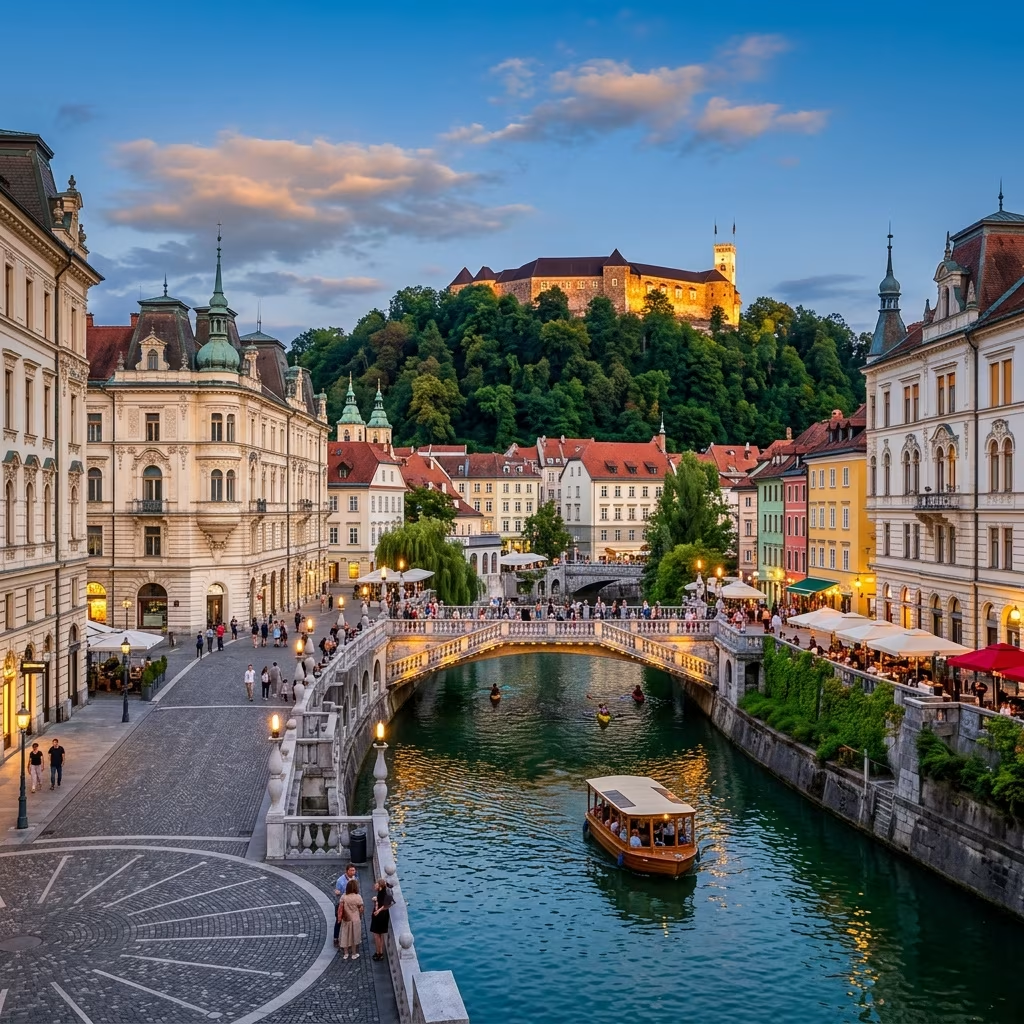
- The Triple Bridge (Tromostovje): Designed by Slovenian visionary Jože Plečnik, this trio of footbridges elegantly joins the medieval Old Town with modern Ljubljana.
- Central Market: A vibrant hub for local produce, flowers, and Slovenian delicacies, bubbling with daily life and tradition.
Jože Plečnik: The Mastermind Behind Modern Ljubljana
Much of Ljubljana’s distinctive character is owed to the creative genius of Architect Jože Plečnik. Inspired by classical grandeur yet deeply rooted in Slovenian identity, Plečnik envisioned Ljubljana as an urban utopia. His touch can be felt in every corner of the city, from riverside promenades to elegant colonnades and inspired bridges.
- Plečnik’s Triple Bridge: A harmonization of function and beauty, turning a simple crossing into a sculpted public space.
- Riverside Embankments: Wide, graceful walkways lined with trees and stone balustrades create urban oases for conversation, people-watching, or a gentle stroll.
- Market Hall: Blending Italian Renaissance markets with Central European efficiency, it is one of the city’s liveliest culinary crossroads.
- Plečnik’s Parliament Vision: Though never realized, his dream of a cone-shaped parliament is commemorated on the Slovenian €0.10 coin, as a tribute to creativity and ambition.
Life Along the River: Ljubljana’s Living Room
The Ljubljanica River is more than a scenic waterway; it’s the city’s living room. Tree-lined terraces and bustling riverbanks frame open-air cafes, market stalls, and spontaneous musical performances. Locals and visitors alike gather here to enjoy the sunny atmosphere, savor coffee by the water’s edge, or meander across a series of striking bridges that act as both conduits and meeting places.
- Cafés spill onto riverside promenades, transforming the bank into a social hub day and night
- Street performers and musicians add a jovial soundtrack to afternoon strolls
- Cruises in small boats offer tranquil river views, showcasing the city’s varied architectural styles
Market Culture: A Symphony of Senses
Ljubljana’s city market is a sensory delight, particularly in the early morning hours. Beneath picturesque arcades, vendors sell everything from hearty cheeses and fresh berries to baked goods influenced by neighboring Italy, Austria, and the Balkans. Some stalls are even old-fashioned carts, pushed in from family plots on the city’s edge.
- Rustic stands offer local fruits, vegetables, honey, cheeses, and flowers
- Atmosphere combines old-world commerce with contemporary urban flair
- Perfect for sampling Slovenian specialties like potica cake or artisan charcuterie
Ljubljana Castle: Guardianship Above the City
Perched high on a wooded hill, Ljubljana Castle watches over the city. Its ancient ramparts and restored interiors provide panoramic vistas and a deeper sense of the capital’s layered history. A leisurely climb or a short funicular ride brings you to the castle’s gates, where temptations include a walk along the old walls, exhibitions of Slovenian history, and sweeping views extending to the distant mountains.
- Free trails and parkland for wandering, or opt for the efficient funicular
- Medieval towers and historical displays tell the city’s story
- Seasonal events and open-air performances bring contemporary life to ancient battlements
Café Culture and Nightlife: Ljubljana by Day and Night
Ljubljana’s café scene sparkles, especially in the warmer months. Terraces along the riverfront fill with students, artists, professionals, and families, creating a convivial, community-driven atmosphere. When evening falls, the city’s relaxed charm gives way to a subtle, creative nightlife, ranging from jazz clubs and dance venues to sophisticated wine bars celebrating Slovenia’s exceptional vintages.
- Daytime: Atmosphere is dominated by coffee, conversation, and people-watching along the riverfront
- Nighttime: Gentle buzz from music bars, street festivals, and open-air gatherings
- Year-round events: Ljubljana’s calendar includes everything from film festivals and street theatre to open-air music concerts
The Slovenian Soul: Welcoming, Artistic, and Green
Despite its small size, Ljubljana bursts with personality and innovative spirit. The city consistently ranks as one of Europe’s greenest capitals, with a strong emphasis on sustainable urban living. Pedestrians and cyclists are prioritized, while traffic is kept to the periphery, giving the center a restful, breathable quality that’s rare in most capitals.
| Feature | Description |
|---|---|
| Population | ~280,000 |
| Pedestrian Core | Large, car-free Old Town |
| Green City Accolades | Multiple international awards for sustainability |
| Architectural Flair | Plečnik’s visionary legacy, Baroque and modernist touches |
| Atmosphere | Relaxed, friendly, vibrant |
Seasonal Joys and Festivities
Ljubljana is a city of festivals. From jazz and film to street theatre and culinary celebrations, each season offers something fresh. The balmy evenings of summer see open-air performances and riverside fairs, while wintry markets glitter with holiday lights, spiced wine, and festive cheer.
- Summer: Extensive outdoor concerts, lively festivals, street music
- Autumn: Harvest fairs, wine tastings, and cozy riverside cafes
- Winter: Festive Christmas markets, ice skating, and illuminated bridges
Beyond the City: Gateway to a Green Wonderland
Ljubljana’s location makes it the perfect starting point for discovering Slovenia’s diverse landscapes. The tourist-favorite Lake Bled, the dramatic Julian Alps, the mysterious Karst caves, and even the Mediterranean coast are all within easy reach—often on comfortable day trips.
- Lake Bled: A postcard-perfect destination with a picturesque island church and medieval clifftop castle
- Julian Alps: Hiking, skiing, and exploration in pristine alpine surroundings
- Slovenian Coast: Charming towns like Piran offer a taste of the Adriatic
Slovenian Cuisine: Local Flavors on every Corner
Food in Ljubljana is as diverse as its culture. Influenced by its Italian, Austrian, Hungarian, and Balkan neighbors, Slovenian cuisine offers hearty stews, delicate pastries, fresh river fish, and excellent wines. The city’s markets, bakeries, and restaurants are an invitation to taste unique regional specialties in a lively, modern setting.
- Potica: Traditional rolled pastry with walnut, poppyseed, or tarragon fillings
- Kranjska klobasa: The famous Carniolan sausage, a national delicacy
- Fresh river fish and artisan cheeses
- Local wines and craft beers from nearby vineyards
Practical Travel Tips for Ljubljana
- Getting Around: Best explored on foot or by bike; public buses serve outlying districts
- Language: Slovenian, but most locals—especially younger generations—speak excellent English
- Best Time to Visit: Spring through early autumn for outdoor festivals, but winter’s festive markets also charm
- Accommodation: Options range from boutique hotels and riverside hostels to cozy apartments for independent travelers
Frequently Asked Questions (FAQs)
Q: What makes Ljubljana unique among European capitals?
A: Ljubljana’s size, walkability, and blend of Central European and Mediterranean influences give it a distinctly relaxed, unhurried feel, making it stand out among larger, busier capitals.
Q: Is Ljubljana a good base for exploring the rest of Slovenia?
A: Absolutely. Its central location, excellent transport links, and range of day trip destinations (including Lake Bled and Piran) make it an ideal gateway to Slovenia’s varied landscapes.
Q: How much English is spoken in Ljubljana?
A: Most young people, hospitality staff, and guides speak very good English, making travel easy for international visitors.
Q: What’s the best way to experience Ljubljana’s food scene?
A: Visit the central market for snacks, try a riverside café for coffee or lunch, and sample traditional Slovenian dishes at locally-owned family restaurants. Don’t miss a glass of Slovenian wine!
Q: Is Ljubljana safe for tourists?
A: Ljubljana is considered one of the safest capitals in Europe, with low crime rates and a friendly, welcoming vibe throughout the city.
Conclusion: Ljubljana’s Lasting Allure
Charming but never boastful, beautiful yet delightfully unpretentious, Ljubljana is a city that rewards exploration and lingers in the memory. Whether you come for the architecture and history, the inviting café terraces, street festivals, or simply a relaxed stroll by the river, this Slovenian capital embodies the very best of small-city Europe. As more travelers discover its magic, Ljubljana’s title as “Europe’s most underrated gem” becomes not just praise, but fact.
References
- https://www.youtube.com/watch?v=pCrII1LiS7M
- https://blog.ricksteves.com/cameron/2016/03/my-favorite-city-ljubljana
- https://www.ricksteves.com/watch-read-listen/video/tv-show/slovenia
- https://www.ricksteves.com/europe/slovenia/ljubljana
- https://www.ricksteves.com/watch-read-listen/read/articles/ljubljana-slovenia-underrated-gem
- https://community.ricksteves.com/travel-forum/slovenia/ljubljana-day-tripping
- https://community.ricksteves.com/travel-forum/slovenia/slovenia-itinerary-advice-15-night-in-may-2025
- https://community.ricksteves.com/travel-forum/slovenia/ljubljana-how-many-days