Slowing Down in the Mosel Valley
For those seeking a haven from the crowds and noise of mainstream European travel, Germany’s Mosel Valley provides a gentle answer. Nestled between steep vineyards and the winding Mosel River, this region is a tapestry of storybook villages, tranquil castle ruins, friendly bed-and-breakfasts, and a slower, more authentic rhythm of life. Unlike the bustling Rhine, the Mosel Valley invites travelers to savor quiet moments, local wine, and old-world hospitality.
The Mosel: Rhine’s Peaceful Sister
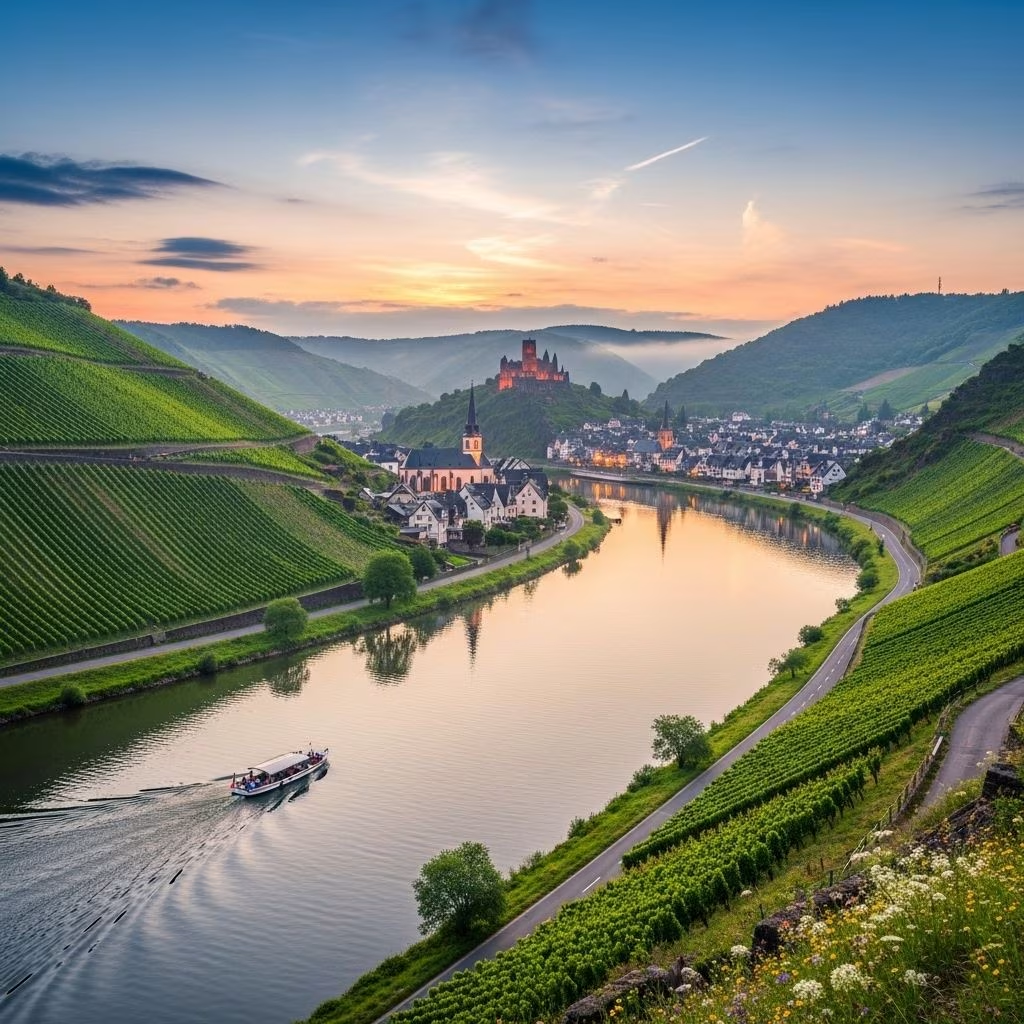
The Mosel River, stretching from France to western Germany, is often described as the Rhine’s ‘peaceful little sister.’ While the Rhine commands attention with its grand castles and heavy river traffic, the Mosel charms visitors with its mellow pace, misty landscapes, and romantic villages tucked between the vineyard-clad hills and the gentle river bends. Train, car, and boat traffic here are mere trickles compared to the Rhine’s roar, making for the perfect escape.
Why Choose the Mosel Valley?
- Authenticity: The region feels untouched by mass tourism. There are no noisy highways or crowded boat tours, just peaceful lanes and friendly locals.
- Scenic Beauty: Steep green slopes lined with vines and charming timber-framed houses reflect in the river’s calm waters.
- Wines and Cuisine: The area is famed for its crisp white Riesling wines, produced from grapes grown on near-vertical hillsides.
- Historic Castles & Ruins: From fairytale fortresses to Roman remnants, history comes alive.
- Easy Access: Located less than two hours from major cities like Frankfurt and Cologne, yet worlds apart in atmosphere.
Getting There and Around
Start your Mosel adventure with convenient rail connections from Frankfurt or Cologne to Koblenz, the gateway to the valley. From there, regional trains and slow boats follow the river deeper into the heartland. Driving along the valley roads is a delight, but the true joy lies in taking things slow, whether by bike, boat, or a leisurely stroll through riverside towns.
Romantic Villages and River Life
The Mosel is dotted with picturesque towns where time seems to stand still. Half-timbered houses, quiet market squares, and riverside promenades are the hallmarks of this region.
- Löf: A serene base ideal for exploring historic castles, with the Mosel’s beauty on full display.
- Treis-Karden: Home to the elegant St. Castor’s Church, the town’s towers reflected in tranquil river waters.
- Cochem: The tourist hub, featuring cobbled streets, a bustling old square, and the breathtaking Reichsburg Castle perched high above.
- Beilstein: Rick Steves’ personal favorite; a magical retreat for sipping valley wines while admiring distant vineyards.
- Trier: The valley’s largest city with UNESCO-listed Roman ruins and some of the oldest churches in Western Europe.
| Town | Key Attractions | Atmosphere |
|---|---|---|
| Löf | Thürant & Ehrenburg Castles | Quiet, scenic, historic |
| Treis-Karden | St. Castor’s Church | Picturesque, riverside |
| Cochem | Reichsburg Castle, promenades | Lively, tourist-friendly |
| Beilstein | Valley views, local wineries | Sleepy, romantic |
| Trier | Roman ruins, Cathedral of St. Peter | Historic, vibrant |
Castles, Ruins, and Timeless Stories
The Mosel Valley is a treasure trove of castles and ancient fortresses, each offering its own legend and charm.
- Burg Eltz: Nestled in forested hills, this 800-year-old castle is noted for its stunning preservation. With turrets, drawbridges, and authentic medieval rooms, it’s Rick Steves’ favorite European castle.
- Reichsburg Castle: Cochem’s iconic citadel, renowned for its imperial architecture and breathtaking valley views.
- Ehrenburg & Thürant Castles: Not far from Löf, these atmospheric ruins recall the region’s turbulent past.
- Roman Relics: Trier stands out with its ancient Roman gate, amphitheater, and baths, testifying to centuries of settlement.
Burg Eltz: Living History Above the Mosel
Once the domain of knights and nobles, Burg Eltz today transports visitors back to medieval times. With its fairy-tale silhouette, intricate woodwork, and family-run museum, the castle gives a window into feudal life. Guided tours reveal hidden passageways, armories, and impressive collections of art and weaponry. Its setting, deep in a wooded valley, guarantees one of Germany’s most magical castle experiences.
Trier: Rome of the North
At the western end of the valley, Trier boasts a legacy stretching back to the Roman Empire. The Porta Nigra gate, Imperial Baths, and ornate amphitheater attract history buffs and casual travelers alike. Trier’s Cathedral of St. Peter is among the oldest churches in Europe, marking the city as a spiritual and cultural crossroads for centuries.
The Vineyards: Wine and Tradition
Famed for its Riesling, the Mosel Valley’s vineyards paint the hillsides in shades of green and gold. The steep slopes, rich slate soils, and mild climate create wines loved worldwide for their freshness and minerality.
- Wine Tasting: Countless family-run wineries open their doors for tastings and tours. Sample Mosel’s signature crisp Rieslings and rare dessert wines.
- Wine Festivals: Spring through autumn brings lively celebrations in village squares, with music, food, and plenty of local wine.
- Vintner Guesthouses: Stay in homes attached to vineyards, where hosts offer firsthand knowledge of winemaking and regional culinary specialties.
The art of winemaking is woven into village life: grape harvests, festive dinners, and community events rhythm the year. A walk among the vines with a local guide is the best introduction to the region’s traditions and flavors.
Where to Stay: Living Like a Local
Simplicity and warmth define Mosel hospitality. Skip the chain hotels for friendly B&Bs, cozy guesthouses, and farm stays. Many family-run accommodations overlook vineyards or the river, offering peaceful views and home-cooked meals.
- Vintner’s Guesthouses: Perfect for aficionados of wine and rural life.
- Historic Inns: Timber-framed buildings with modern comforts yet timeless charm.
- Vacation Apartments: Ideal for longer stays or travelers seeking independence.
Booking ahead during festival seasons is wise, though outside peak times rooms can often be found on arrival. Hosts are delighted to share regional stories, wine samples, and trip recommendations.
Experiences That Slow You Down
- Boat Trips: Cruises between Koblenz and Trier drift past vineyards, villages, and castles, offering the dreamiest views.
- Hiking and Cycling: Trail networks wind through forests, riverbanks, and sun-drenched vineyards.
- Village Wandering: Each town comes alive through local markets, riverside walks, and historic squares.
- Castle Tours: Step inside centuries-old fortresses for tales of medieval intrigue.
- Wine Tasting: Sample world-class Riesling at valley wineries — often poured by the vintner themselves.
Tips for Mosel Valley Travel
- Seasonality: Spring and fall offer mild weather, fewer crowds, and vibrant vineyard colors.
- Transportation: Regional trains, bikes, car rentals, and riverboats are all excellent options.
- Itinerary Planning: Don’t rush; visit fewer places, but linger longer to savor the valley’s slow rhythm.
- Local Dining: Seek out small taverns for hearty German meals, fresh river fish, and homemade cakes.
- Language: A few German phrases go far in small towns, and locals are welcoming.
Frequently Asked Questions (FAQs)
Q: How do I get to the Mosel Valley from Frankfurt or Cologne?
A: Both cities offer direct train routes to Koblenz, the gateway to the Mosel. From Koblenz, regional trains or boats make getting around easy and scenic.
Q: What is the best time to visit the Mosel Valley?
A: Late spring or early fall combine pleasant temperatures, vineyard colors, and fewer crowds. Wine festivals abound during harvest season.
Q: Is the Mosel Valley good for wine lovers?
A: Absolutely. The region produces world-class Rieslings, and most villages have wineries that welcome guests for tastings and tours.
Q: Which castle should I not miss?
A: Burg Eltz is a must — Rick Steves’ favorite castle in Europe, famed for its preservation and enchanting setting.
Q: Are the towns suitable for families and slow travel?
A: Yes. The towns are safe, welcoming, and perfect for leisurely exploration, with plenty of outdoor activities for all ages.
Embracing Europe’s Slow Lane
In a world of frantic sightseeing and crowded tourist traps, the Mosel Valley stands out as a refuge for slow travelers. Take time to linger over local wine with new friends, wander quiet roads, and lose yourself in timeless landscapes. When you slow down in the Mosel Valley, the region rewards you with authentic German hospitality and the kind of memories that last a lifetime.
SEO Optimized Takeaways
- Mosel Valley travel offers scenic alternatives to crowded Rhine itineraries.
- Castles and Roman ruins enrich the valley’s cultural landscape.
- Riesling wines are a regional specialty not to be missed.
- Picturesque villages and B&Bs provide warm local hospitality.
- Slow travel is the key to unlock the Mosel’s gentle wonders.
References
- https://www.youtube.com/watch?v=mnaTBf2Izaw
- https://www.islands.com/1859000/rick-steves-germany-under-tourists-radar-mosel-river-scenic-rhine-without-crowds/
- https://www.ricksteves.com/watch-read-listen/video/tv-show/germanys-romantic-rhine-and-rothenburg
- https://www.ricksteves.com/watch-read-listen/read/articles/slowing-down-in-mosel-valley
- https://www.ricksteves.com/europe/germany/mosel-valley
- https://community.ricksteves.com/travel-forum/germany/mosel-valley-germany-cf63270d-33a5-446d-bdbc-adec52647b41
- https://blog.ricksteves.com/blog/tag/mosel-river-valley/
- https://www.ricksteves.com/watch-read-listen/read/articles/historic-trier
- https://www.ricksteves.com/watch-read-listen/read/articles/magic-moments-in-europe