Norway: Where Urban Splendor Meets Untamed Nature
Norway is a land defined by dramatic contrasts: modern urban centers give way to vast wilderness, while deep-rooted history stands alongside cutting-edge design. From the Viking origins that echo along its coasts to awe-inspiring fjords and bustling cities like Oslo and Bergen, Norway offers both intrepid adventure and serene contemplation. This guide covers the country’s finest highlights, from its vibrant cities to the world-famous natural wonders, providing essential travel tips for discovering the best of Norway.
Why Visit Norway?
- Breathtaking Fjord Landscapes: Explore Sognefjord, Geirangerfjord, and dramatic coastal scenery where mountains plunge into crystal waters.
- Rich Viking History: Walk among ancient ships, stave churches, and medieval villages that narrate Norway’s storied past.
- Urban Culture and Innovation: Oslo and Bergen fuse historic charm with bold, contemporary architecture and a thriving culinary scene.
- Outdoor Adventure: Opportunities abound for hiking, glacier walks, cycling, and winter sports.
- Efficient Transportation: Norway’s extensive network—train, bus, ferry, and car—makes getting around rewarding and scenic.
Essential Destinations in Norway
Norway’s length rivals America’s West Coast, and its geography—carved by glaciers and the sea—offers more than a lifetime of discovery. Here are the most recommended highlights:
Oslo: Norway’s Cultural Capital
Oslo blends history, arts, and green spaces with Scandinavian efficiency. The city boasts world-class museums, lively neighborhoods, and easy access to natural beauty.
- Opera House: Marvel at the modern architecture and join locals for events atop its roof, overlooking the Oslofjord.
- Viking Ship Museum: Inspect millennia-old ships, vessels once feared across Europe.
- National Gallery: Feel the soul of Norway in Edvard Munch’s iconic “The Scream” and other masterpieces.
- Akershus Fortress: Wander medieval ramparts with panoramic views of the harbor.
- Sculpture Parks: Vigeland Park features over 200 whimsical sculptures, making it Europe’s ultimate city garden.
- Fjord Cruises and Island Hopping: Take a scenic cruise or bike ride along the Oslo Harbor Promenade to soak in urban and natural beauty.
Bergen: The Hanseatic Port
Bergen is Norway’s second-largest city and cultural hub of the west, framed by seven mountains. Its Hanseatic wharf, Bryggen, is a UNESCO World Heritage site packed with colorful wooden buildings.
- Self-Guided Town Walk: Stroll historic Bryggen, explore craft shops, and take in unique architecture.
- Ulriken 643 Cable Car: Ascend for panoramic views of city, fjord, and mountains.
- Edvard Grieg’s Home: Discover the legacy of Norway’s national composer at Troldhaugen.
- Fantoft Stave Church: A reconstructed medieval wooden church that exemplifies Norway’s enduring spirit.
- Seafood Markets: Savor fresh catches and soak up maritime atmosphere at the bustling fish market.
Sognefjord and the Norway in a Nutshell Route
Sognefjord—the King of Fjords—is Norway’s longest and deepest. The “Norway in a Nutshell” route packs many iconic landscapes into one journey.
- Flåm: A picturesque village and launching point for fjord cruises and the celebrated Flåm Railway, one of the steepest and most beautiful train rides in the world.
- Aurland and Undredal: Small fjord-side communities with authentic charm, famed for goat cheese and medieval churches.
- Balestrand: Norway’s artist hub, surrounded by dramatic waters and mountains.
- Lustrafjord: Access to glacier hikes and peaceful waterside stays.
Jotunheimen Mountains and the Gudbrandsdal Valley
The heart of “Giant’s Country,” Jotunheimen National Park, is home to Norway’s tallest peaks and Europe’s largest glacier.
- Hiking: Trails range from family walks to strenuous glacier treks on Jostedal.
- Lillehammer: Olympic history and outdoor museums bring Norwegian traditions to life.
- Lom: Visit the outstanding stave church and gateway to remote natural wonders.
Ålesund and Geirangerfjord
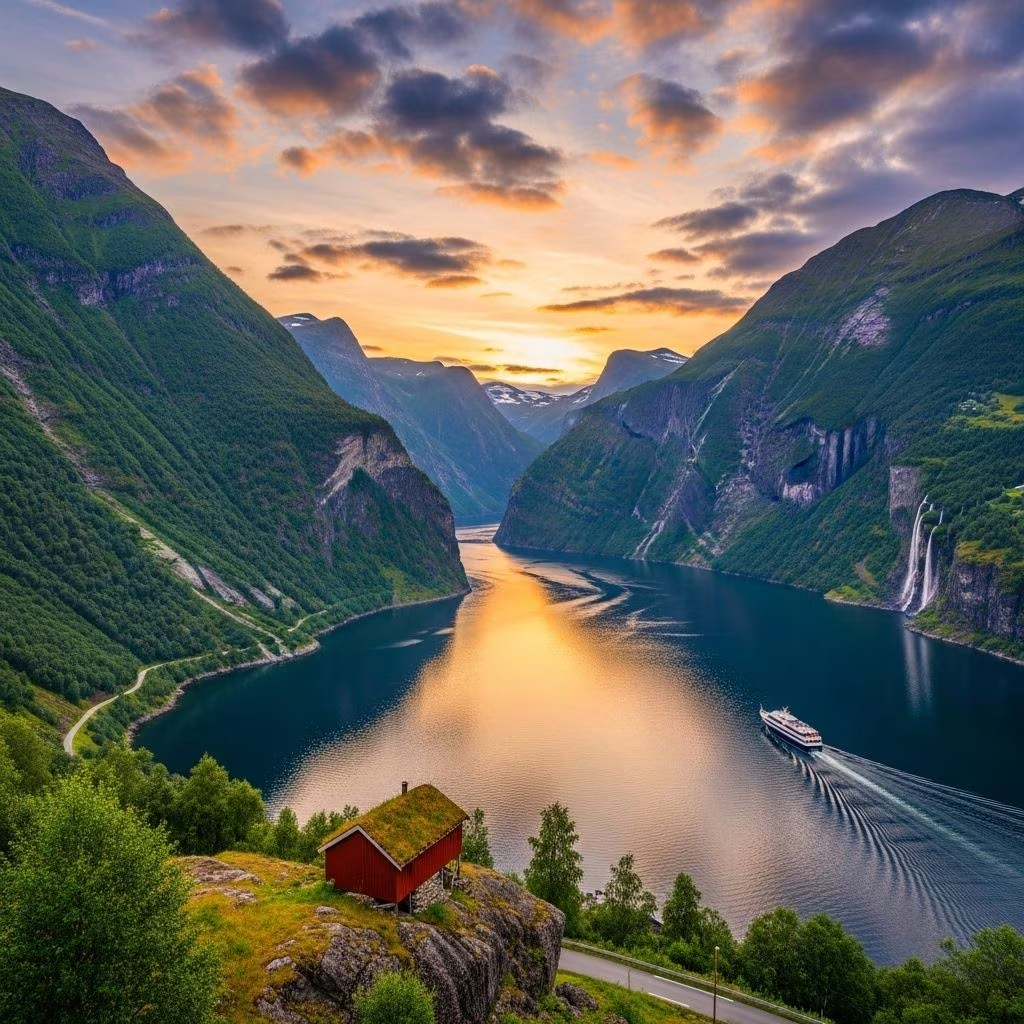
Ålesund is renowned for its graceful Art Nouveau buildings, rebuilt after a 1904 fire. Close by is Geirangerfjord, perhaps Norway’s most photogenic fjord, with steep waterfalls and lush hills.
- Cruise the Geirangerfjord: Waterfalls, farms, and green cliffs compose a world-class adventure.
- Art Nouveau Town Center: Explore Ålesund’s unique design and sea vistas.
South Norway: Stavanger, Setesdal Valley & Kristiansand
- Stavanger: Oil city with charming old town and gateway to dramatic cliffs such as Preikestolen (The Pulpit Rock).
- Setesdal Valley: Traditional farms and folklore, ideal for rural immersion.
- Kristiansand: Southern hub with beaches and a lively old town.
Norway Travel Tips
Norway’s travel infrastructure is designed for ease and adventure. Here are essential tips for planning your journey:
- Transportation: Use the country’s efficient train, bus, ferry, and car networks to connect towns and cities. Schedules are reliable but often require advance planning, especially in western fjord regions.
- Maps: Clear and easy-to-follow maps make navigation stress-free. Digital or printed guides are highly recommended for multi-modal journeys.
- Budget: Norway is expensive, but careful planning—using self-catering options, public transit, and strategic accommodation—can keep costs in check.
- Seasonality: Summers offer midnight sun and vibrant festivals, while winters promise epic skiing and northern lights.
- Accommodation: Range from luxury hotels to cozy guesthouses, historic farm stays, and mountain cabins.
Norwegian History, Culture, and Cuisine
Norwegian identity is woven from centuries of resilience, creativity, and connection to the land.
- Vikings: Once formidable raiders, they shaped Norway’s geography, culture, and language.
- Independence: For hundreds of years, Norway was ruled by Denmark and Sweden. The capital, Oslo, reclaimed its Norse name in 1924 to mark independence.
- Art and Literature: Edvard Munch and composer Edvard Grieg are icons of Norwegian artistic pride.
- Norwegian Cuisine: Arctic seafood, wild berries, traditional reindeer and game, hearty bread and cheeses. Don’t miss vafler (waffles) and brown cheese.
Handy Norwegian Survival Phrases
| English | Norwegian |
|---|---|
| Hello | Hei |
| Thank you | Takk |
| Goodbye | Ha det |
| Yes | Ja |
| No | Nei |
| Excuse me | Unnskyld |
| How much is this? | Hvor mye koster dette? |
| Where is…? | Hvor er…? |
Money, Communication, and Safety Tips
- Currency: Norway uses the Norwegian krone (NOK).
- Cards: Credit and debit cards are widely accepted, even in rural areas.
- ATMs: Easy to find; cash is needed only for markets or minor transactions.
- Language: English is commonly spoken, but Norwegian courtesy is appreciated.
- Reservations: Book accommodation in advance, especially in summer or during festivals.
- Emergencies: Dial 112 for police, ambulance, or fire.
Planning Your Norwegian Adventure
Making the most of Norway requires balancing time in cities, fjords, and rural areas. Consider these approaches:
- Norway In A Nutshell Itinerary: Combine train, bus, and ferry through fjord country for quintessential vistas in as little as 2–3 days.
- Western Fjord Road Trips: Rent a car to explore remote valleys, hidden villages, and hiking trails. Note limited car rental options in smaller towns.
- Hiking and Outdoor Activities: Glacier hikes, cycling, and kayaking provide unmatched ways to immerse in nature.
- Cultural Detours: Add museums, stave churches, and cities for historic depth and urban convenience.
Sample Western Norway Itinerary
- Bergen (3 Nights): Hanseatic port, walk Bryggen, seafood market.
- Flåm (1 Night): Board the Flåm Railway, cruise Naeroyfjord.
- Balestrand (4 Nights): Hiking, fjord views, day trip to glacier hikes in Solvorn.
- Lillehammer (1 Night): Visit open-air museum and Olympic village.
- Oslo (3 Nights): Museums, art, cruises, historic walks.
Must-See Norwegian Experiences
- Witness the Midnight Sun: Arctic Norway’s endless daylight is unforgettable in summer.
- Chase the Northern Lights: Visit Tromsø or far north locales in winter for nature’s dazzling spectacle.
- Ski or Hike in the Mountains: Jotunheimen and other national parks offer world-class terrain year-round.
- Explore Stave Churches: Medieval marvels in Lom, Urnes, and Fantoft offer unique insight into Norwegian history.
- Connect with Locals: Sharing a coffee, enjoying town events, or tasting homemade vafler will reveal Norwegian hospitality at its best.
Frequently Asked Questions (FAQs)
Q: What is the best time to visit Norway?
A: Summer (June–August) offers mild weather, long days, and accessible outdoor activities. Winter (December–March) is ideal for skiing and northern lights.
Q: How can I travel between major sights?
A: Norway’s trains, buses, ferries, and short flights efficiently connect cities and fjord regions. Advance booking is recommended for popular scenic routes.
Q: Are English speakers widely understood?
A: Yes. Most Norwegians speak good English, especially in tourist centers, but learning basic Norwegian phrases is appreciated.
Q: What should I pack?
A: Dress in layers. Weather can change quickly, especially in the mountains and fjords. Waterproof jackets and comfortable walking shoes are essential.
Q: Is Norway expensive?
A: Norway is known for high prices; budget travelers should consider hostels, self-catering, and public transit. Many museums offer free entrances or discounts.
Final Thoughts: Norway Awaits
Whether you seek raw natural wonders or sophisticated city life, Norway delivers a range of unforgettable experiences. Plan your trip to mix urban art and dining with immersive encounters in wild landscapes, Viking lore, and the quiet charms of the countryside. With clear travel tips and Norway’s generous spirit, your Scandinavian journey is certain to exceed expectations.
References
- https://store.ricksteves.com/shop/p/norway-guidebook
- https://www.youtube.com/watch?v=3MTS7WXCAUU
- https://community.ricksteves.com/travel-forum/norway/need-itinerary-for-w-norway-5-27-24-to-6-8-24
- https://www.ricksteves.com/watch-read-listen/video/tv-show/norways-west-fjords-mountains-and-bergen
- https://www.ricksteves.com/watch-read-listen/video/tv-show/oslo
- https://www.ricksteves.com/europe/norway
- https://www.ricksteves.com/watch-read-listen/read/articles/norways-ultimate-natural-thrill
- https://www.youtube.com/watch?v=DtX-voYgZRY