Orvieto: The Quintessential Italian Hill Town
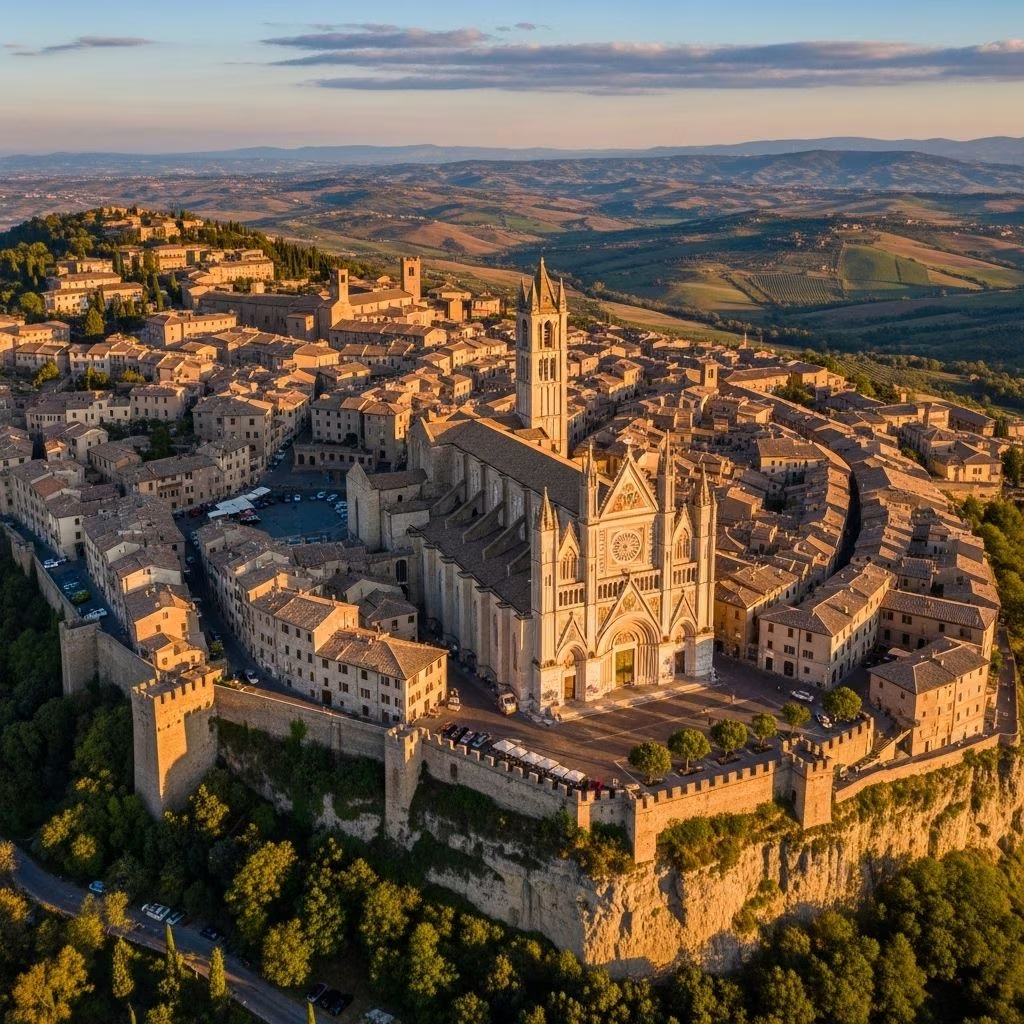
Nestled atop a crest of volcanic stone in Umbria, Orvieto is celebrated as the model hill town—striking, memorable, and thoroughly enjoyable. Less than 90 minutes from Rome, it perches high above cypress-lined plains, offering an experience that encapsulates the timeless mystique and leisurely joys that define Italy’s best-loved villages. Its blend of history, romance, iconic architecture, and minimal traffic draws travelers seeking authenticity and tranquility away from the more touristic throngs of Tuscany.
Arriving in Orvieto: Gateway to Umbrian Enchantment
Orvieto’s allure is matched by its convenience. Whether by train, car, or bus, visitors are welcomed at Orvieto’s new town area—set at the hill’s base and furnished with ample parking for day trippers. The funicular, a charming cable railway, ferries travelers from the bustling lower town to the heart of the medieval community above. With panoramic vistas unfolding during the ascent, it’s the preferred local mode for experiencing Orvieto’s natural fortress in comfort while saving your energy for exploring its winding lanes.
- Train: Direct connections make Orvieto a favorite day trip from Rome.
- Funicular: Offers sweeping views, connecting the new town with the historic center.
- Car: Ample parking is available for those driving in; vehicles stay below to preserve the tranquility above.
Old Town vs. New Town: Two Faces of Orvieto
Orvieto divides into two distinct communities:
- The Medieval Hilltop: The soul of Orvieto, this area radiates centuries-old charm—traffic-free, architecturally rich, and lively with local traditions and culture spanning piazzas and cobblestone streets.
- The New Town: Situated below, this modern section mostly serves as a hub for transport and parking, quickly forgotten once you ascend toward the historic precincts.
The Duomo di Orvieto: A Masterpiece of Italian Gothic
Dominating the town’s skyline, the Duomo di Orvieto is widely considered one of Italy’s most magnificent cathedrals. Begun in 1290, its elaborate mosaic facade shimmers with color, while striped walls and grand frescoes inside capture the zenith of medieval religious artistry. The cathedral’s architectural drama—set boldly against the open piazza—makes it a focal point for locals and visitors alike.
- Facade: Vibrant mosaics and sculptures tell biblical stories with expressive Italian flourish.
- Interior: The striped nave and chapels boast ethereal fresco cycles, notably Luca Signorelli’s ‘Last Judgment’, a masterpiece that influenced Michelangelo.
- Piazza del Duomo: The cathedral square is the beating heart of Orvieto’s high town, perfect for lingering and people-watching.
Piazzas and Streets: Living History in Every Step
The medieval streets and squares of Orvieto evoke the rhythms of a world long past. Cobblestones wind through lanes lined with centuries-old dwellings, leading to open piazzas that host local events and daily life. Traffic is rare; the gentle flow of locals and curious travelers sets the scene for fresh discoveries or peaceful strolls after dark.
- Piazza della Repubblica: A lively hub surrounded by cafes, shops, and administrative buildings.
- Lamplit evenings: The town glows with romance in the quiet hours, its medieval mysteries deepened when the day’s crowds fade.
- After-dinner strolls: As Rick Steves notes, “the magic of a hill town after dark” is found in these quiet, evocative lanes.
Underground Wonders: Orvieto’s Secret World
One of Orvieto’s most unique features is its extensive underground tunnel system, carved by Etruscans and later inhabitants into the soft tufo stone. These subterranean spaces—cellars, cisterns, wells, dovecotes—tell stories of resilience and innovation.
- Orvieto Underground Tours: Guided explorations offer glimpses into daily life from ancient times through the Middle Ages, including pigeon coops that sustained locals for generations.
- St. Patrick’s Well: An engineering marvel, built in the 16th century with a double-helix stairway for efficient water haulage. Descending its 248 steps is a physical—and historical—adventure; the well plunges 175 feet deep and remains a symbol of endurance in Italian culture.
The Funicular: Uphill Adventure and Scenic Views
Orvieto’s funicular is more than mere transportation; it is your ticket to breathtaking views and effortless arrival into the medieval heart. Locals and visitors alike favor the cable railway, which glides up the volcanic plateau, offering glimpses of Umbrian valleys and the town’s awe-inspiring fortifications below.
- Short walk: The funicular brings guests within a 10-minute walk of the town’s center, making even brief visits rewarding and accessible.
- Sustainable travel: The system preserves the upper town’s calm by keeping congestion far from its historic lanes.
Local Flavors: Wine and Cuisine
An “ideal Italian hill town” must offer authentic culinary delights, and Orvieto excels with both its winemaking tradition and regional cuisine. Known as “the new Tuscany” for its wine culture, it is famed for fresh, floral Orvieto Classico white wine—an excellent companion to local cheeses.
- Orvieto Classico: Crisp, fruit-driven white wines with delicate aromas; quintessential pairing with ricotta and antipasti.
- Red Wines: Local varieties complement richer dishes, including Orvieto’s signature ‘piccione’ (pigeon), a time-honored delicacy.
- Vin Santo: Sweet dessert wine often enjoyed at the meal’s end.
- Dining: Quaint family-run trattorias serve rustic Umbrian fare; savor meals on a piazza or, in true local fashion, with a glass carried outside for the evening stroll.
Day Trippers and Night Owls: Orvieto’s Changing Moods
Despite its fame, Orvieto reveals its most intimate charm to those who linger after sunset. While crowds abound during daylight—especially for tourists seeking a quick escape from Rome—the town feels almost yours alone once evening falls. Peace settles over stone streets and lantern-lit piazzas; the medieval setting comes to life as locals savor the tranquility.
- Stay overnight: For a more personal experience, book a hotel room (with options starting around $85), and witness Orvieto’s magical transformation from bustling to serene.
- Evening pleasures: Rick Steves recommends an after-dinner stroll, letting sights and sounds—church bells, laughter, aromatic cuisine—linger as you find a perfect spot to enjoy the hill town’s quiet thrill.
| Feature | Description | Why It Matters |
|---|---|---|
| Duomo di Orvieto | Gothic cathedral with colorful facade and famous frescoes | Defining icon of the hill town, architectural masterpiece |
| Funicular | Cable railway connecting new town to medieval center | Convenient, scenic way to ascend Orvieto’s hill |
| St. Patrick’s Well | 16th-century double-helix staircase, engineering marvel | Historical innovation, still a local cultural reference |
| Underground Caves | Etruscan and medieval tunnels, pigeon coops, cellars | Unique insight into daily life and survival |
| Local Wine | Orvieto Classico white, regional reds, Vin Santo | Authentic taste of Umbria; key to local tradition |
Practical Tips for Visiting Orvieto
- Best Time to Visit: Spring and fall offer mild weather and fewer crowds; evenings reveal Orvieto’s true peaceful beauty.
- Transportation: Take the train from Rome, enjoy the funicular ride up the hill, and walk or bike through the traffic-restricted old town.
- Accommodation: Booking a night unlocks the town’s quieter charms; prices vary by season but start around $85.
- Tours and Sightseeing: Reservations recommended for Duomo entry and underground tours, especially in peak seasons.
- Dining: Taste local specialties in family-run restaurants and enjoy wine with views from open-air terraces.
Frequently Asked Questions (FAQs)
Q: Why is Orvieto considered the archetype of an Italian hill town?
A: Orvieto combines stunning hilltop location, a world-class cathedral, traffic-free medieval streets, and vibrant local traditions, making it the ideal example of a classic Italian hill town.
Q: How do I reach Orvieto from Rome?
A: Orvieto is less than 90 minutes by direct train from Rome. From the train station, take the funicular to the old town center for easy access.
Q: What foods should I try in Orvieto?
A: Sample Orvieto Classico wine with local cheese, try the signature dish ‘piccione’ (pigeon), and finish with Vin Santo for dessert.
Q: What’s the best way to experience Orvieto’s underground?
A: Book a guided underground tour to see the caves, cellars, and St. Patrick’s Well, gaining insight into the town’s ancient past and architectural ingenuity.
Q: Is Orvieto worth visiting overnight?
A: Absolutely. Staying overnight allows you to enjoy quiet evenings, empty piazzas, and the authentic spirit of Orvieto after day trippers depart.
Orvieto’s Lasting Appeal: More Than a Destination
To walk Orvieto’s ancient streets, gaze at its art-filled Duomo, or descend into its hidden tunnels is to experience the very soul of Italy’s hill towns. Whether you savor the bustling daytime energy or linger into peaceful night, Orvieto’s enduring magic is found in its perfect combination of history, beauty, community, and a sense of discovery that never fades. For those seeking the heart of Italy, Orvieto is, as Rick Steves affirms, truly “what an Italian hill town should be.”
References
- https://www.islands.com/1778041/breathtaking-destination-orvieto-italy-exactly-what-italy-italian-hill-town-should-rick-steves/
- https://www.usatoday.com/story/travel/destinations/2014/01/04/rick-steves-orvieto-italy-hill-town/4307943/
- https://www.ricksteves.com/watch-read-listen/video/tv-show/italy-hill-towns
- https://thehistorymom.com/2021/02/10/orvieto-italy/
- https://www.ricksteves.com/europe/italy/orvieto
- https://www.youtube.com/watch?v=LntYoDVji3k
- https://community.ricksteves.com/travel-forum/italy/one-day-enough-in-orvieto
- https://community.ricksteves.com/travel-forum/italy/orvieto-as-a-base-for-tuscany