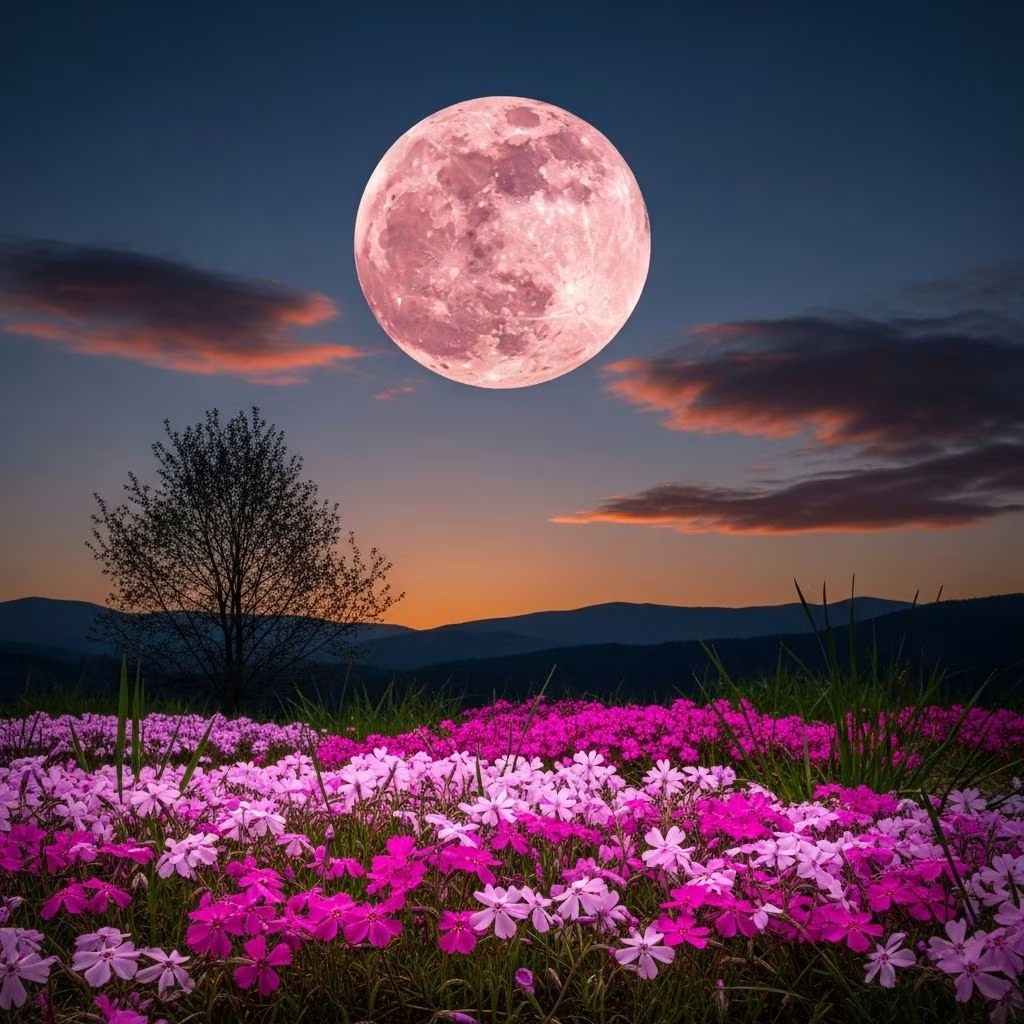
April’s Pink Moon: History, Meaning, and Springtime Significance
Every spring, sky-watchers across the Northern Hemisphere look forward to the April full moon, colorfully nicknamed the Pink Moon. Despite its name, the Pink Moon doesn’t actually appear pink, but its annual appearance holds a special place in astronomy, various cultural traditions, and spiritual practices. From its poetic origins to its impact on modern celebrations, the Pink Moon is much more than a lunar spectacle—it’s a symbol of renewal and hope as the world emerges from winter slumber.
What Is the Pink Moon?
The Pink Moon refers to the full moon that rises in April each year. Unlike red or blue moons, the Pink Moon’s name is not derived from its color. Instead, it’s inspired by the bloom of one of spring’s earliest flowers: the moss pink, or wild ground phlox, which blankets the landscape with vibrant color as winter fades away. Native American tribes, colonists, and later farmers used this and other descriptive names to track seasonal changes and agricultural events, integrating lunar rhythms into daily life.
- Origin of the name: Derived from the North American wildflower Phlox subulata (moss pink), which blooms in April.
- Other names: Sprouting Grass Moon, Egg Moon, Fish Moon, and Sprouting Grass Moon, reflecting springtime growth and abundance.
- Astronomical definition: The Pink Moon is the first or second full moon of spring, occurring when the Moon is fully illuminated by the Sun from Earth’s perspective, roughly once every 29 days.
When Can You See the Pink Moon?
The Pink Moon typically occurs in mid-to-late April each year, coinciding with the rebirth of flora in the Northern Hemisphere. While the exact date varies slightly due to the lunar calendar, sky-watchers can count on seeing a brilliant, round moon rise in April, often shortly after sunset. Weather permitting, it is visible all night and offers one of the best opportunities for amateur stargazers and night photographers to enjoy an unobstructed view of the lunar surface.
- Check local moonrise and moonset times for your area for the precise viewing window.
- The moon appears full for about three days, so if you miss the peak, you can usually catch it the night before or after.
- Best viewed after sunset when it ‘rises’ in the eastern sky.
Why Is the April Full Moon Called ‘Pink Moon’?
Contrary to popular belief, the Pink Moon doesn’t actually appear pink. The name is rooted in seasonal tradition instead of visual reality:
- Moss Pink Phlox: The moon borrows its name from the pink ground phlox flowers, which begin blooming across North America in early spring. Their appearance marks the awakening of nature after winter and brings vivid color to the landscape.
- Native American Influence: Native tribes, such as the Algonquin, named each full moon after prominent natural events that occurred during that month. The Pink Moon signifies new growth, renewal, and transformation.
- Astronomical Clarity: The moon’s color doesn’t change; it usually glows with the same pale gold or silver as any other full moon.
Cultural and Historical Significance
The Pink Moon has played a role in various cultures, both as a natural calendar marker and as a symbol of spiritual significance:
- Lunar Calendars: Many cultures, including Native American and colonial farming societies, used the lunar cycle to organize planting, hunting, and ceremonies.
- Passover and Easter: In the Hebrew calendar, the Pink Moon often falls during Nisan, aligning with Passover. In Christianity, Easter is celebrated on the first Sunday after the first full moon following the vernal equinox, making the Pink Moon critical in determining the holiday’s date.
- Astrological Meaning: Many astrologers assign special spiritual properties to the Pink Moon, seeing it as a time for self-reflection, growth, and healing. Depending on the year, the Pink Moon falls under different zodiac signs— in 2024, for example, it was associated with Scorpio, which brings emotional depth and transformation.
- Spiritual Renewal: Across traditions, the Pink Moon symbolizes opportunity, renewal, and the shedding of old patterns—themes that mirror the vibrant changes seen in nature each April.
Spiritual and Astrological Meaning of the Pink Moon
Beyond its botanical roots, the Pink Moon resonates deeply in the world of spirituality and astrology. Many believe that the April full moon:
- Signals a time of renewal: As flowers bloom, people are encouraged to reflect on personal growth, healing, and ‘blossoming’ into new stages of life.
- Enriches relationships: Astrologically, the Pink Moon is linked to qualities such as compassion, harmony, and love—especially when it appears in zodiac signs like Libra, which is associated with partnership and balance.
- Supports letting go: The full moon’s energy invites individuals to release old grudges or patterns, mend relationships, and forgive both themselves and others.
- Strengthens spiritual practices: The Pink Moon is seen as an ideal time for visualization, meditation, outdoor rituals, and connecting with nature’s energy.
- Earth Day Connection: Often, Earth Day falls close to the April full moon, reinforcing a seasonal reminder to honor and protect the planet.
How to Celebrate and Harness the Energy of the Pink Moon
Whether you are drawn to the Pink Moon for its visual beauty, its symbolism, or its astrological promise, there are many ways to honor its arrival and channel its energy productively:
- Spend time outdoors: Go for a walk, picnic under the moonlight, or simply admire the lunar glow to reconnect with nature.
- Participate in spring cleaning: Use this time to clear clutter—physically, emotionally, or spiritually—and make space for new growth.
- Try moon rituals or meditation: Visualize goals, practice gratitude, or engage in mindfulness exercises, letting the moon’s presence inspire positive change.
- Gardening and planting: Embrace the spirit of renewal by planting flowers or herbs. Traditionally, some use the lunar calendar to dictate the best time to sow seeds.
- Connect with loved ones: Repair old friendships, appreciate special relationships, or show kindness to others, channeling the harmonious energy often connected to the Pink Moon in astrology.
Other Traditional Names for the April Full Moon
The Pink Moon is only one of several evocative names used for the April full moon throughout history, many of which reflect themes of life, fertility, and seasonal change:
- Sprouting Grass Moon: Marks the rapid greening of fields and lawns.
- Egg Moon: Associated with the abundance of eggs as birds lay their clutches in spring.
- Fish Moon: Signals spawning fish, especially in rivers favored by indigenous peoples.
- Seed Moon: Highlighting the ideal conditions for planting crops.
Astronomy Spotlight: Is the Pink Moon Pink?
Despite its whimsical name, the Pink Moon doesn’t appear rosy-hued to the naked eye. Astronomers clarify:
- No color change: The moon’s pale golden or silver appearance remains unchanged – it is only labeled ‘pink’ after the seasonal flower. Rarely, atmospheric conditions at moonrise or moonset can tint it with shades of orange or red, but not pink.
- Micromoon effect: If the Pink Moon coincides with the moon’s farthest point from Earth (apogee), it appears slightly smaller and dimmer than a ‘supermoon,’ which occurs when the moon is at its closest point.
| Name | Origin | Meaning |
|---|---|---|
| Pink Moon | Phlox subulata (moss pink) | Blooming spring flowers, new beginnings |
| Sprouting Grass Moon | Native American tradition | Emergence of new grass and plant life |
| Egg Moon | Colonial/Native American | Seasonal abundance of bird eggs |
| Fish Moon | Fishing cultures | Spawning of fish, food abundance |
Tips for Viewing the Pink Moon
April’s full moon is often bright and beautiful, with a few easy steps ensuring a memorable viewing experience:
- Find a clear view of the eastern sky as the moon rises just after sunset.
- Use binoculars or a small telescope for detailed lunar features, such as craters and maria.
- Capture photos with a tripod for best results.
- Avoid areas with heavy light pollution for optimal brightness.
- If the night is cloudy, check the following night when the moon will still appear nearly full.
Pink Moon Traditions and Folklore
The Pink Moon inspires a range of cultural observances, folklore, and seasonal customs:
- In many regions, it’s considered good luck to spot the Pink Moon, particularly if you make a wish.
- Some gardeners use the full moon to select planting dates, trusting in lunar rhythms for bountiful crops.
- In Japan, cherry blossom festivals coincide with lunar cycles and share the Pink Moon’s theme of fleeting beauty.
- Astrologers often hold group meditations or rituals, seeking to harness the moon’s energy for positive transformation.
Frequently Asked Questions (FAQs)
Is the Pink Moon actually pink?
No, the Pink Moon gets its name from the pink phlox flowers that bloom in April, not from the moon’s color. The moon looks its usual pale silver or golden hue, though atmospheric conditions can sometimes add tinges of red or orange at moonrise or moonset.
When does the Pink Moon occur each year?
The Pink Moon generally appears in mid or late April, depending on the lunar calendar. The exact date and time change each year, so consult a moon phase calendar or astronomy website for annual details.
What’s the spiritual meaning of the Pink Moon?
The Pink Moon symbolizes renewal, growth, compassion, and harmony, serving as a cosmic reminder to reflect, let go of the past, and embrace positive change. In astrology, it’s associated with romance and self-love, particularly when appearing in romantic zodiac signs like Libra or emotionally transformative signs like Scorpio.
What are other names for the April full moon?
Apart from Pink Moon, common names include Egg Moon, Sprouting Grass Moon, Fish Moon, and Seed Moon. Each reflects notable changes in nature during the season.
How can I celebrate the Pink Moon?
Popular ways include spending time outdoors, meditating, setting new intentions, gardening, cleaning out living spaces, reconnecting with relationships, and participating in earth-friendly activities like park cleanups.
Does the Pink Moon affect Easter and Passover?
Yes, in many years, the Pink Moon is the first full moon after the vernal equinox, influencing the date of Easter in Christianity and overlapping with Passover in the Hebrew calendar.
Can the Pink Moon be both supermoon and micromoon?
Yes. Although rare, the Pink Moon sometimes coincides with a ‘supermoon’ (very close to Earth, appearing larger and brighter) or a ‘micromoon’ (at its farthest point, appearing smaller and dimmer)—depending on the lunar orbit of that year.
Does the Pink Moon have special astrological effects?
Astrologers believe any full moon heightens emotions and brings things to completion. When the Pink Moon falls in certain signs like Scorpio or Libra, its energy is interpreted as especially potent for transformation, romance, and self-care.
Final Thoughts
Although the Pink Moon doesn’t bathe the world in color, its significance is felt in the hearts, minds, and traditions of people who eagerly anticipate its arrival each April. As a harbinger of new beginnings, the Pink Moon invites us to breathe deeply, enjoy nature’s rebirth, and celebrate the simple joys that make spring such a magical time of year. Whether you honor it by making a wish, planting seeds for the future, or spending time with loved ones, the April full moon is an enduring symbol of hope and connection.