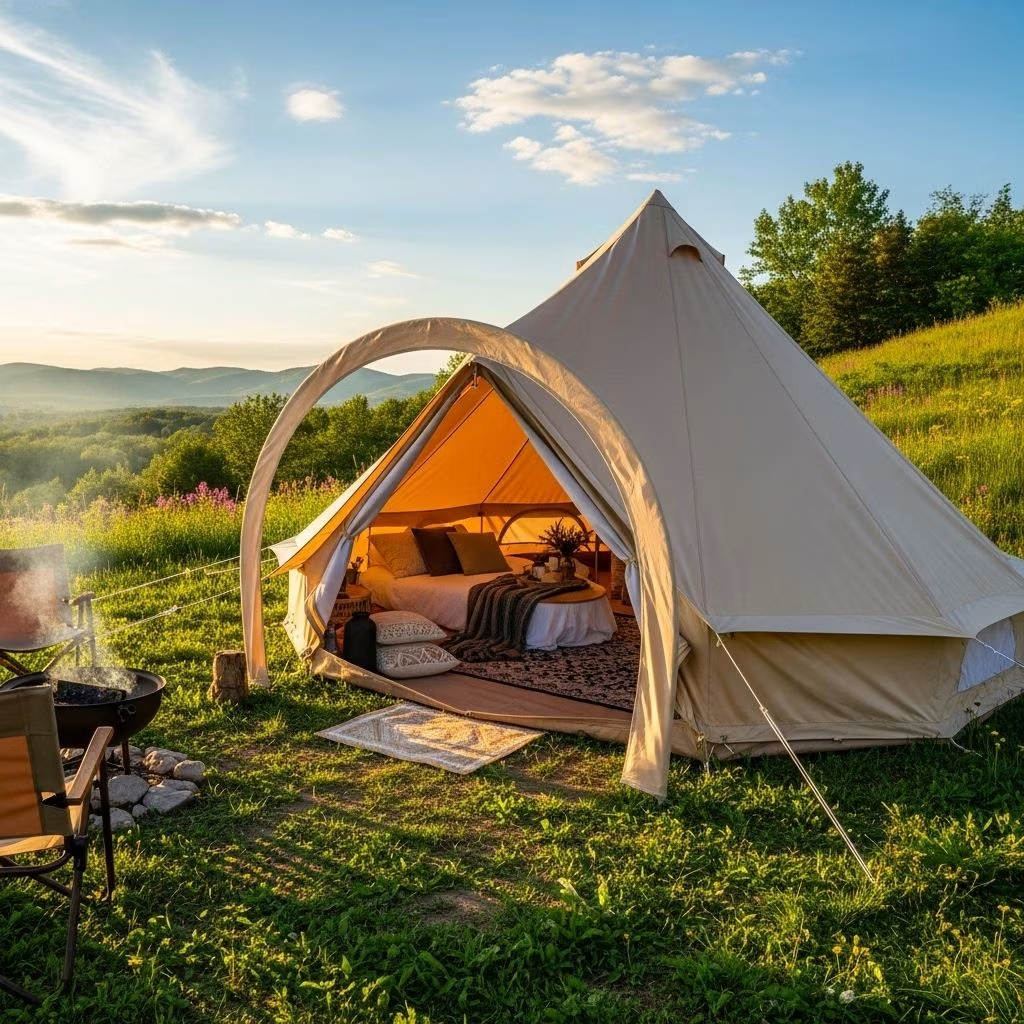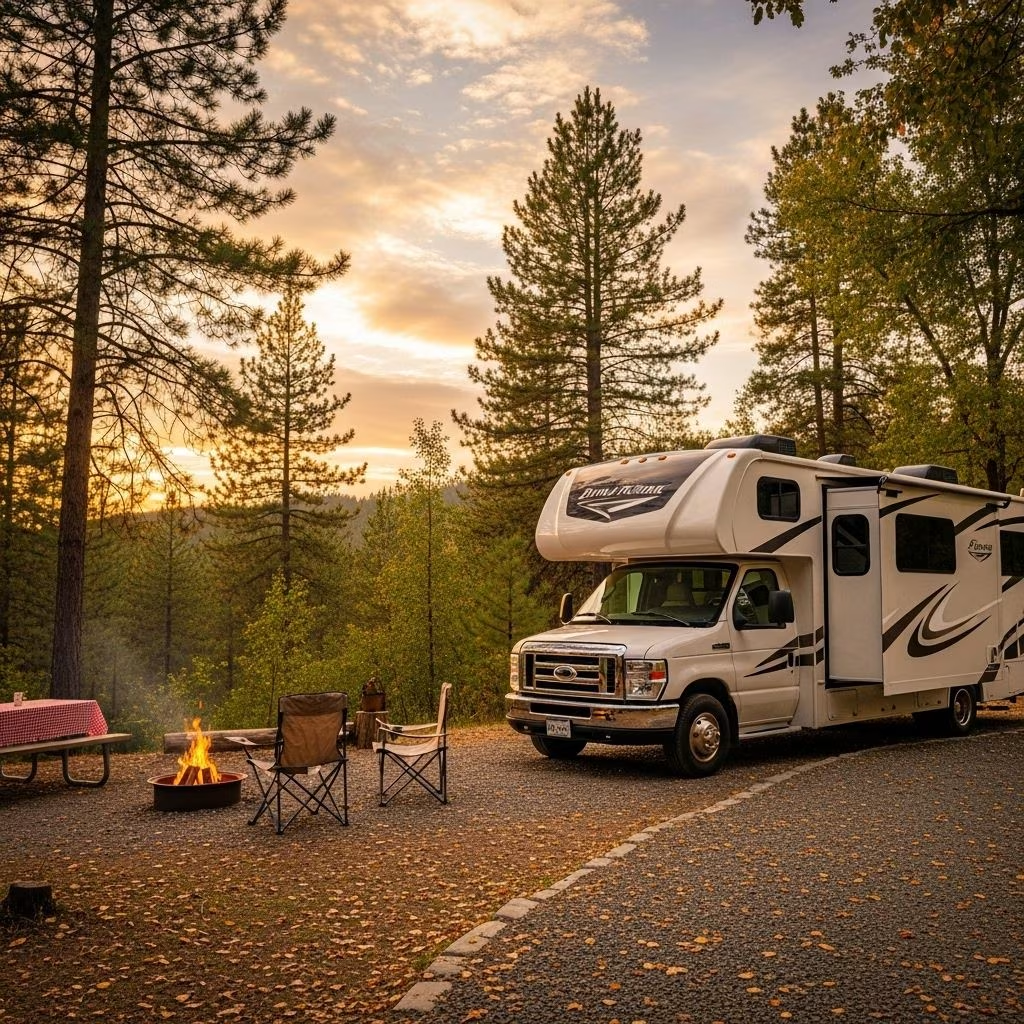
Renting an RV for your next road trip can be a gateway to a new style of vacation packed with adventure and freedom. But hitting the road in a home-on-wheels requires a different kind of planning—and plenty of know-how—especially for first-timers. From choosing the right RV to understanding the costs and getting comfortable behind the wheel, these 15 essential tips will set you up for a stress-free and memorable RV experience.
1. Understand the Different Types of RVs
Not all RVs are created equal. Whether you’re after a drivable motorhome or a towable trailer, knowing your vehicle options is the foundation for a great trip:
- Class A Motorhomes: The largest, most luxurious RVs, often resembling buses. Sleep 6–8 and are best for bigger groups or those seeking maximum comfort.
- Class B Motorhomes (Camper Vans): Compact, drive like a van, typically sleep 2–4, popular for couples or solo travelers, usually contain basic amenities.
- Class C Motorhomes: Mid-size, recognizable by the cab-over bunk area. Sleep 4–6 and offer a good balance of comfort and drivability for beginner RVers.
- Towable Trailers: Include travel trailers, pop-up campers, and fifth wheels. These require a separate tow vehicle—usually a truck or capable SUV.
Each type has unique pros and cons, so consider your group size, comfort needs, and willingness to tow or drive a large vehicle before making your choice.
2. Know Your Budget and Understand All the Costs
RV rental pricing isn’t just about the daily rate. Hidden fees can add up quickly. Consider:
- Base rental rate: Varies by size, model, season, and location.
- Mileage charges: Many rentals charge per mile, especially larger motorhomes.
- Insurance: Daily insurance is usually mandatory and can be a significant cost.
- Kitchen and personal kits: Bedding, towels, cookware, and dishes often cost extra unless you bring your own.
- Generator use: Expect a per-hour charge if you need air conditioning or extra electricity off-grid.
- Cleaning and dumping fees: If you don’t return the RV empty and clean, you may face extra charges.
- Extra amenities: Pet fees, delivery fees, and other optional add-ons may apply.
3. Select the Right Rental Company or Platform
There are two main ways to rent an RV:
- Peer-to-peer marketplaces (such as RVshare and Outdoorsy): Rent directly from individual owners, offering unique models, custom features, delivery options, and sometimes flexible negotiation.
- Traditional rental companies (such as Cruise America): Provide standardized, professionally maintained fleets across the country with consistent amenities and a straightforward rental process.
Peer-to-peer options provide variety and may allow instant booking, delivery, or stationary rentals. Traditional companies may be simpler for first-timers due to fewer choices and uniform standards.
4. Check for Delivery or Stationary Rental Options
If driving (or towing) an RV intimidates you, look for delivery or stationary rental options:
- Delivery: The owner drops off the RV at your chosen site and can help with setup and breakdown (sometimes for an extra fee).
- Stationary rentals: Enjoy the RV experience at a permanent site without having to drive or tow.
These options are perfect if you want to experience an RV at a festival, family reunion, or scenic site with no driving stress.
5. Book Early, Especially for Peak Seasons
Popular RVs and the best campgrounds fill up quickly, especially during summer, school holidays, and long weekends. Book several months in advance to secure your preferred vehicle and campsite.
6. Plan Your Route—and Your Campsites
Unlike hotel vacations, RV travel requires advance planning—especially for overnight stays. Key considerations:
- National and State Park reservations often require booking months ahead.
- RV-specific parks may offer amenities like power, water, and sewage hookups, Wi-Fi, and cable TV.
- Boondocking (camping off-grid) is allowed in some public lands and parking lots but always review local rules.
- Review your intended route for road restrictions—low clearances, narrow mountain passes, or bridge weight limits.
7. Be Realistic About Driving and Maneuvering
Driving an RV is nothing like driving a car—especially for large Class A or towing a trailer. Prepare yourself:
- Request a full walkthrough from the owner or rental company—inside and out—before you leave.
- Practice turning, backing up, and parking in an empty lot.
- Purchase extra insurance for peace of mind.
- Use a GPS that supports RV features or download maps for offline use—cell signals are not guaranteed in remote areas.
Allow more time for all travel, as RVs are slower and need more stopping distance.
8. Know What to Pack—and What Not to
Space is limited, so pack with a minimalist mindset:
- Soft-sided luggage is easier to stow in small cupboards.
- Bring only essential clothing and shoes.
- Avoid glassware or anything fragile—opt for lightweight, unbreakable items.
- Bring extra extension cords, hoses, outdoor mat, and camp chairs if not included.
- Don’t forget food storage containers and trash bags.
9. Understand the Systems: Water, Waste, and Power
Familiarize yourself with the RV’s internal workings:
- Fresh water: Know how to fill, use, and sanitize the water tank.
- Waste tanks: Learn how to dump gray water (sinks, showers) and black water (toilets) at approved dump stations.
- Power: Find out whether you’ll need to connect to campsite power (shore power) or run your generator for electricity.
- Conserve water and power when off-grid—resources are limited!
10. Factor in Campsite and RV Park Amenities
Choose a campground based on your travel style and needs. Amenities to consider:
- Electric, water, and sewer hookups
- Wi-Fi and cable TV
- Laundry facilities, swimming pools, playgrounds
- Proximity to stores, attractions, or nature trails
- Pets and children policies
11. Plan for Meal Prep—and Know Your Cooking Options
RV kitchens are efficient but compact. Tips for happy eating:
- Plan simple meals that require minimal ingredients or prep.
- Bring shelf-stable staples and a cooler for extra fridge space.
- Take advantage of campground grills and picnic tables.
- Pack reusable dishware and quick-clean supplies.
Keep in mind that some rental RVs charge a fee for a fully-equipped kitchen kit.
12. Prepare for Setup and Breakdown at Every Stop
Setting up and breaking down an RV campsite involves several steps:
- Level your RV using included leveling blocks or built-in systems.
- Connect to water, sewer, and electrical hookups as needed.
- Secure awnings and outdoor furniture at night or during storms.
- Stow all loose items before driving to avoid damage.
Rental companies and owners offer a demonstration—pay close attention or video the process for reference.
13. Embrace Flexibility—But Always Have a Backup Plan
Weather, road conditions, and campground closures can disrupt the best-laid plans. Always:
- Know alternative routes and last-minute overnight parking (some big-box stores and truck stops welcome RVs).
- Download campground directories or mapping apps for offline use.
- Keep a paper map handy in case internet access fails.
14. Follow RV Etiquette and Campground Rules
Respect for fellow travelers and nature is essential for a great RV experience:
- Keep noise levels down and observe quiet hours.
- Obey posted speed limits and campground driving rules.
- Leave no trace: Dispose of trash and waste properly.
- Limit lighting at night to avoid disturbing others.
15. Have Fun—and Expect the Unexpected
Part of the magic of RV travel is the blend of adventure and unpredictability. Whether you’re watching sunrise from your bed in a national park or troubleshooting a quirky appliance, embrace the surprises, unplug from screens, and focus on making lasting memories.
Quick Reference Table: RV Types and Features
| Type | Size/Sleeps | Amenities | Ideal For |
|---|---|---|---|
| Class A Motorhome | Large / 6–8 | Full kitchen, bathroom, beds, luxury features | Large groups, long trips |
| Class B Motorhome | Compact / 2–4 | Basic kitchen, portable toilet | Couples, solo, city-to-wilderness |
| Class C Motorhome | Mid-size / 4–6 | Full kitchen, cab-over bunk | Families, beginners |
| Travel Trailer/Fifth Wheel | Varies / 2–10 | Varies (depends on trailer) | Flexible travelers with tow vehicle |
Frequently Asked Questions (FAQs)
Is a special license required to drive an RV?
Most states do not require a special license to drive an RV under 26,000 pounds, which includes most rental Class A, B, and C motorhomes. Always check your local state laws to confirm.
What do I do if the RV breaks down?
Check with your rental provider for roadside assistance coverage. Many rental companies offer 24/7 support in case of breakdowns, flat tires, or other issues.
Can I bring my pet in the RV?
Many peer-to-peer rentals and commercial companies allow pets, but it may incur an extra cleaning fee. Confirm policies with the owner or rental office before booking.
Do I have to stay at campgrounds every night?
No. While full amenities and hookups are found at established campgrounds, overnight parking is sometimes allowed at truck stops, select Walmarts, Cabela’s, or certain public lands. Always ask permission and check local laws.
How do I empty the RV’s waste tanks?
Your rental provider or owner will show you how to attach the sewer hose and properly dump black and gray tanks at a dump station. Always wear gloves and follow the step-by-step instructions provided during the walkthrough or in owner manuals.
Pro Packing Checklist for RV Beginners
- Essential documents (license, rental paperwork, roadside assistance information)
- Cell phone chargers and paper maps
- Basic groceries, water, and snacks
- Lightweight cookware, dish soap, sponges, dish towels
- Bedding and towels (unless included in rental)
- Camping chairs and outdoor mat
- First-aid kit, flashlight, and basic tools
- Personal toiletries and enough clothes for variable weather
- Trash bags, zip-seal bags, food containers
- Cleaning supplies and disinfectants
Ready for a new adventure? With the right preparation and these essential tips, your first RV rental experience can be rewarding, comfortable, and unforgettable. Enjoy the freedom of the open road!
References
- https://www.youtube.com/watch?v=RY8dXX2Aq80
- https://www.aarp.org/travel/vacation-ideas/outdoors/rv-curious/
- https://www.nerdwallet.com/article/travel/the-beginners-guide-to-renting-an-rv
- https://www.countryliving.com/life/travel/a39035/rv-travel-tips/
- https://www.countryliving.com/life/travel/g33659269/things-you-need-to-know-before-renting-an-rv/
- https://rvshare.com/blog/rv-rental/
- https://www.cinderstravels.com/cheap-rv-living/
- https://rvshare.com/blog/a-guide-to-full-time-rv-living-in-california/
- https://www.storychasing.com/rv-living-for-beginners/