Slovenia: Europe’s Unexpected Jewel
Tucked at the crossroads of Central Europe, Slovenia is one of the continent’s most charming destinations, boasting enchanting landscapes, vibrant cities, and a rich tapestry of culture blending Slavic, Germanic, and Mediterranean influences. Despite its modest size and population of just two million, Slovenia delivers outsized experiences—from alpine adventures and fairytale lakes to lively urban life and a sun-kissed coastline.
Why Visit Slovenia?
- Nature and Outdoors: Slovenia’s landscapes range from alpine peaks to lush forests, tranquil lakes, and a sparkling strip of Adriatic shore.
- Cultural Fusion: At the geographic and cultural convergence of the Slavic, Germanic, and Italian worlds, Slovenia offers a unique blend of cuisines, languages, and traditions.
- Easy Travel and Warm Hospitality: Well-connected cities and friendly locals make touring Slovenia a joy.
Ljubljana: The Heart of Slovenia
Slovenia’s compact capital, Ljubljana, radiates youthful energy and charm. With just 300,000 residents, it’s the country’s largest city, yet remarkably walkable and relaxed. Cobblestone streets, ornate bridges, and lively plazas frame a picturesque setting that invites leisurely exploration and café-hopping.
- Old Town: The historic center features baroque facades, outdoor markets, and inviting riverwalks beneath the iconic Triple Bridge.
- Café Culture: Ljubljana’s riverside cafés buzz with students, artists, and locals enjoying pastries and coffee.
- Architectural Wonders: Notable sites include Ljubljana Castle with its panoramic city views and the whimsical creations of architect Jože Plečnik.
Events and festivals fill the city’s calendar, from music and theater to culinary celebrations, reflecting the city’s vibrant spirit.
Lake Bled: Slovenia’s Fairy Tale Retreat
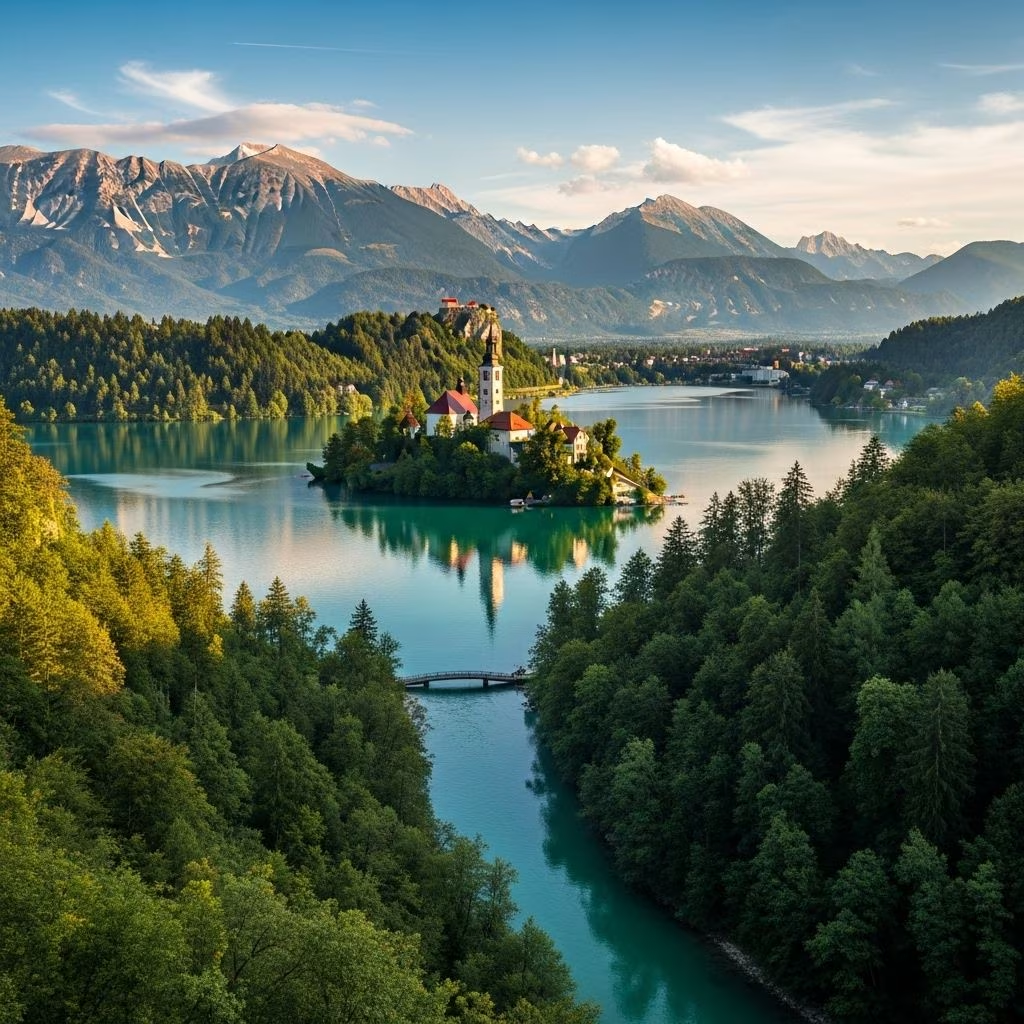
For generations, Lake Bled has been Slovenia’s top alpine resort—a sparkling blue lake crowned by a tiny island and medieval castle. Since Habsburg times, Bled has enchanted royals and travelers alike with its romantic vistas and tranquil waters.
- Bled Castle: Perched atop a cliff, Bled Castle offers breathtaking views of the lake and Alps, along with historic exhibits.
- Island and Church of the Assumption: Reachable by hand-crafted pletna boats, the island’s church invites visitors to ring its bell—local lore promises good luck to those who do.
- Rowing Traditions: Bled is Slovenia’s rowing capital, hosting international regattas and showcasing human grace amid natural beauty.
- Kremšnita: Don’t miss the famous Bled cream cake, a decadent treat combining layers of custard and cream.
Lake Bohinj and Surroundings
Nearby, Lake Bohinj offers a wilder, more secluded alpine escape, perfect for hiking, canoeing, and savoring tranquil mountain scenery. Visit Vintgar Gorge for a stunning walk through a narrow, emerald canyon.
The Julian Alps: Adventure Awaits
Slovenia’s northwestern border is marked by the rugged Julian Alps—a playground for hikers, skiers, and nature enthusiasts. The region rivals the famous Alps of neighboring countries, yet remains delightfully uncrowded.
- Vršič Pass: Slovenia’s highest road pass, winding among jaw-dropping peaks and alpine meadows.
- Soča River Valley: Famous for crystal-clear turquoise waters, the valley offers kayaking, fly-fishing, and World War I history at Kobarid.
- Bovec: Adventure hub for rafting, canyoning, and exploring pristine national parks.
Wildflowers, rustic villages, and fresh mountain air define the Julian Alps experience. Summer beckons with verdant trails; winter covers slopes with powder ideal for skiing and snowboarding.
The Karst and Underground Wonders
Running southwest toward the Adriatic, Slovenia’s Karst region is celebrated for its dramatic limestone landscape. Explore a world beneath the surface in vast caves and underground canyons.
- Škocjan Caves: A UNESCO World Heritage site, featuring subterranean rivers and towering chambers.
- Postojna Cave: Take a train ride deep into a dazzling network of stalactites, stalagmites, and mysterious passages.
- Predjama Castle: Clinging to a cliff above a cave mouth, this castle blends medieval intrigue, legend, and natural wonders.
Above ground, the region is home to charming villages, vineyards, and the famed Lipica Stud Farm—birthplace of the white Lipizzaner horse.
The Slovenian Coast: Adriatic Charms
Slovenia’s Mediterranean coastline may be tiny, but it delivers classic seaside ambiance. The jewel of the coast is historic Piran, with its Venetian architecture, winding alleys, and bustling plazas.
- Piran: Enjoy gelato and sunset strolls along the old harbor, overlooked by St. George’s Church and picturesque town squares.
- Sečovlje Salina Nature Park: Discover traditional salt pans and diverse birdlife.
- Koper: A lively cruise port blending modern life and medieval heritage.
The coastal region dishes up fresh seafood, locally produced olive oil, and fine wines—delightful reminders of Italy’s influence just across the border.
Eastern Slovenia: Vineyards and History
Venture east to explore Slovenia’s rolling hills and old towns, from wine-rich Goriška Brda to the ancient city of Ptuj, where Roman heritage and medieval charm mingle. Maribor, the second largest city, is famed for its historic wine cellars and riverside festivals.
- Ptuj: Slovenia’s oldest city, noted for its castle, thermal baths, and lively carnival traditions.
- Maribor: A dynamic university town with a thriving cultural scene and the world’s oldest grapevine.
- Logarska Dolina: This northern valley is a haven for hikers, nature lovers, and those seeking pastoral serenity.
Slovenian Culture, Language, and Cuisine
Slovenia’s seat between great cultures has shaped its language, customs, and food. The national tongue is Slovene, but many locals speak English, German, and Italian—especially in tourist areas.
- Cuisine: Sample dishes drawing on Slavic, Germanic, and Mediterranean traditions—robust stews, fresh seafood, sweet pastries, and local cheeses.
- Festivals: Experience lively celebrations throughout the year, from regional harvests to music and dance.
- Survival Phrases: “Hvala” means thank you, and greeting with “Dober dan” opens doors to friendly conversation.
Planning Your Slovenian Adventure
Slovenia is easy to explore by train, bus, or car, with well-maintained roads and scenic routes through mountains and countryside. The country’s compact size means key destinations are often just an hour or two apart.
| Destination | Highlights | Travel Time from Ljubljana |
|---|---|---|
| Lake Bled | Castle, island, rowing, cream cake | 1 hour |
| Julian Alps | Hiking, Soča valley, adventure sports | 2 hours |
| Karst & Caves | Škocjan, Postojna, Lipica | 1.5 hours |
| Piran (Coast) | Historic town, seafood, sunsets | 2 hours |
| Eastern Slovenia | Vineyards, Ptuj, Maribor | 2–2.5 hours |
The best times to visit are late spring, summer, and early autumn, with pleasant weather and lively festivals. Winters invite cozy hillside inns and uncrowded ski slopes.
Travel Tips and Practicalities
- Currency: Slovenia uses the euro (€). Most places accept cards, but keep cash for small purchases.
- Transportation: Trains connect key cities; buses reach rural areas and mountain towns. Driving offers maximum flexibility.
- Accommodations: Family-run inns, boutique hotels, and farm stays offer hospitality and local flavor.
- Health & Safety: Slovenia ranks among the safest and cleanest countries in Europe.
Advance reservations are recommended in peak season, especially for popular destinations like Lake Bled. Regional tourist offices offer help, maps, and event listings.
Frequently Asked Questions (FAQs)
Is Slovenia expensive to visit?
Slovenia offers excellent value for travelers compared to Western Europe. Prices tend to be moderate, especially outside peak tourist hubs.
Do people speak English in Slovenia?
English is widely spoken in major cities and tourist areas. Locals also speak other languages such as German and Italian, particularly on the borders.
What’s the best way to get around Slovenia?
Public transportation is reliable, but renting a car offers the most flexibility for exploring mountains and rural regions.
What is the food like?
Slovenian cuisine fuses influences from Italy, Austria, and the Balkans—expect fresh, seasonal ingredients, hearty stews, artisan breads, and delightful pastries.
Is Slovenia family-friendly?
Absolutely. Family travel is easy with safe cities, interactive museums, fun outdoor activities, and child-friendly attractions such as caves and lakes.
Slovenia Awaits: Europe’s Hidden Gem
From the cultured avenues of Ljubljana to the peaceful shores of Lake Bled and the wild beauty of the Julian Alps, Slovenia extends a warm welcome and an invitation to explore. Experience a land where nature and culture meet, discover tranquil corners and vibrant communities, and let Slovenia surprise, delight, and inspire.
References
- https://store.ricksteves.com/shop/p/croatia-guidebook
- https://www.ricksteves.com/watch-read-listen/video/tv-show/slovenia
- https://www.ricksteves.com/tours/slovenia
- https://www.ricksteves.com/watch-read-listen/video/travel-talks/croatia-slovenia
- https://www.ricksteves.com/europe/slovenia
- https://community.ricksteves.com/travel-forum/slovenia/slovenia-itinerary-4e96bd6a-4620-4e13-a49d-4c6ace4835f2
- https://www.ricksteves.com/watch-read-listen/video/lake-bled