Each year, millions of people flock to national parks across the United States to experience awe-inspiring landscapes, thrilling outdoor activities, and the serenity of nature. Yet, beneath these breathtaking vistas lie hidden hazards. Some parks are far deadlier than others, with dozens—even hundreds—of lives lost over the years. This guide explores the national parks with the highest fatality rates, the most common causes of accidents, and what you can do to stay safe on your next adventure.
Understanding the Risks: Why National Parks Can Be Deadly
America’s national parks vary dramatically in terrain, climate, and wildlife. With remote wilderness, unpredictable weather, and treacherous terrain, risk is never far for the unwary explorer. Fatalities range from falls and drowning to medical emergencies and vehicular accidents. Knowing the risks before you go can mean the difference between a memorable trip and disaster.
- Falls: Many parks feature cliffs, steep drop-offs, and slippery trails, especially near scenic lookouts and waterfalls.
- Drowning: Popular swimming, boating, and riverside spots can quickly turn dangerous due to currents and cold water.
- Vehicle Accidents: Winding, narrow roads through mountains and forests are the sites of frequent crashes.
- Environmental hazards: Extreme heat, cold, rapid weather changes, and wildlife all pose threats to unprepared visitors.
- Medical Emergencies: The isolation of some parks can turn manageable medical issues into deadly emergencies when help is far away.
The Deadliest U.S. National Parks: By Number of Fatalities
The raw number of deaths at each park can paint a grim picture, but it’s often a function of that park’s popularity. Here are the national parks and parkways with the highest reported fatalities in the last decade, according to composite studies from official and independent sources:
| Rank | National Park / Parkway | Reported Fatalities (approx.) | Top Cause(s) of Death |
|---|---|---|---|
| 1 | Lake Mead National Recreation Area | 204 | Drowning, Vehicle Accidents |
| 2 | Grand Canyon National Park | 134 | Falls, Medical Emergencies |
| 3 | Yosemite National Park | 125 | Falls, Drowning |
| 4 | Great Smoky Mountains National Park | 99 | Vehicle Accidents |
| 5 | Blue Ridge Parkway | 97 | Vehicle Accidents |
| 6 | Natchez Trace Parkway | 96 | Vehicle Accidents |
| 7 | Glen Canyon National Recreation Area | 77 | Drowning, Falls |
| 8 | Golden Gate National Recreation Area | 72 | Drowning, Undetermined |
| 9 | Sequoia & Kings Canyon National Parks | 65 | Falls |
| 10 | Baltimore-Washington Parkway | 62 | Vehicle Accidents |
Deadliest Parks by Fatalities Per Capita: The True Measure of Danger
Some parks, though less visited, have a much higher fatality rate per visitor – a truer measure of the danger for each person setting foot within their borders.
| Rank | National Park | Deaths per 10 Million Visitors |
|---|---|---|
| 1 | North Cascades National Park | 601 |
| 2 | Denali National Park & Preserve | 98 |
| 3 | Virgin Islands National Park | 60 |
| 4 | Big Bend National Park | 58 |
North Cascades National Park stands out as the deadliest per capita, with over six times the national average fatality rate. Its steep, rugged wilderness and extreme remoteness mean that even slight missteps can be fatal, and rescue is often slow.
Spotlight on the Most Dangerous National Parks
Lake Mead National Recreation Area
As the country’s deadliest national recreation area by total deaths, Lake Mead straddles Nevada and Arizona. Drowning is the leading killer, aided by high temperatures, strong currents, and boating accidents. Motor vehicle crashes are also common due to long, desolate roads that tempt speeding.
Grand Canyon National Park
The Grand Canyon’s towering cliffs and extreme heat lure millions, yet its hazardous geography and harsh weather have led to more than 130 fatal incidents in the last decade. Heat stroke and dehydration are major risks, particularly in the summer; many deaths also occur from falls near unprotected cliff edges.
Yosemite National Park
Yosemite is famed for its granite walls—and for deadly falls. While climbers face obvious dangers, casual hikers slipping while seeking photos at high ledges have accounted for a growing share of the park’s more than 120 fatal incidents in the past ten years. Cold, unpredictable rivers also pose a persistent drowning risk.
North Cascades National Park
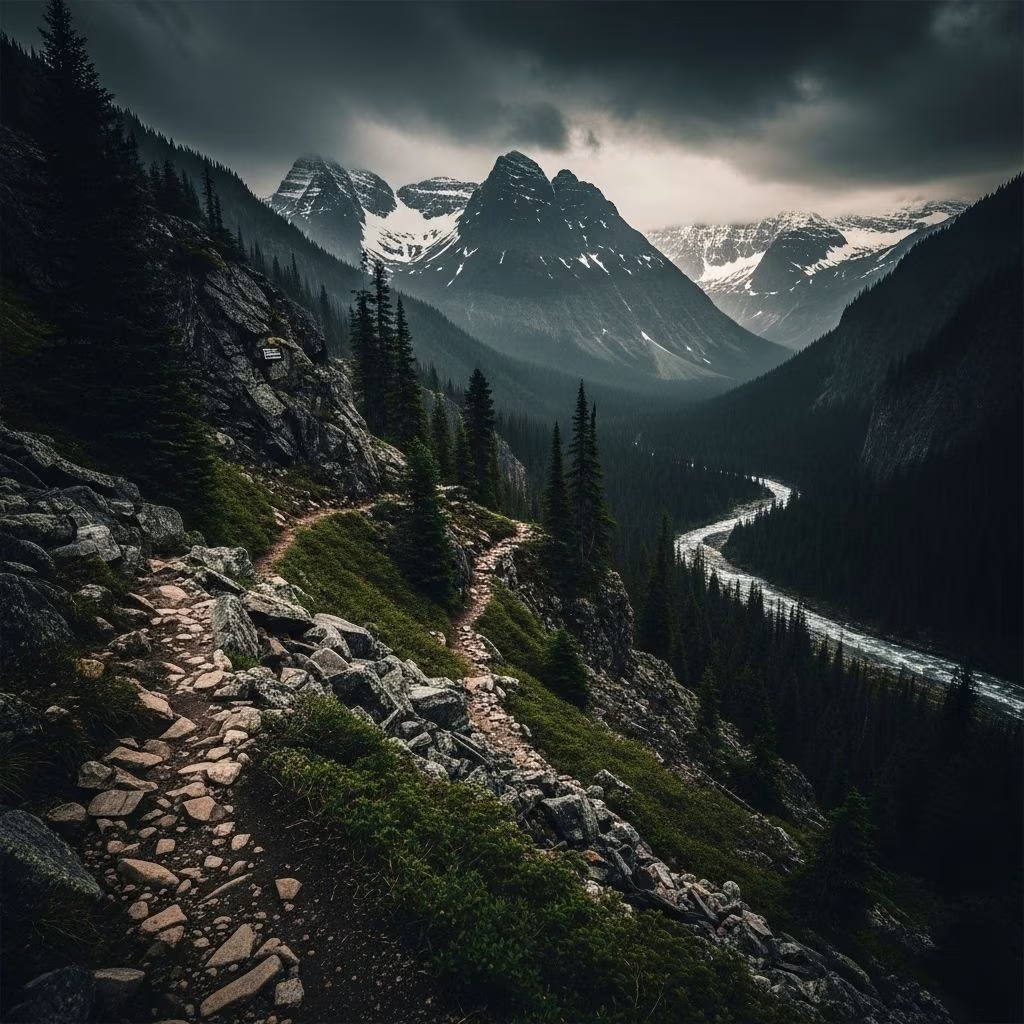
With by far the highest per-capita death rate for visitors, North Cascades is a rugged realm of glaciers, steep precipices, and remote wilderness. Its low total visitation masks its deadly reputation, with a combination of falls, exposure, and remoteness being the most lethal. Permits are required for many activities, warning prospective visitors of the risks.
Great Smoky Mountains National Park
The nation’s most-visited park, Great Smoky Mountains, has nearly one hundred deaths in a decade, primarily from vehicle crashes on winding mountain roads. Constant curves, unpredictable weather, and heavy fog make driving treacherous.
Denali National Park & Preserve
Alaska’s wildest park has a disproportionately high fatality rate. Most deaths stem from exposure, avalanches, and natural hazards—though actual wildlife attacks are rare. The mountain weather is notoriously unpredictable, and rescue is often far away.
Virgin Islands National Park
This Caribbean park’s principal threat is the ocean. Drowning claims the most lives as open water, fast-changing currents, and inexperience with snorkeling or boating stack the odds against even seasoned swimmers.
Big Bend National Park
Big Bend’s remote locale on the Texas-Mexico border is famed for its desert beauty—but also for fatal extremes of heat, sudden weather shifts, and dehydration. Environmental causes top the death list here.
Common Causes of Death in National Parks
- Motor Vehicle Accidents: Scenic drives can be misleadingly dangerous, whether on narrow park roads or lengthy parkways like the Blue Ridge and Natchez Trace.
- Falls: Cliff edges, waterfalls, and steep overlooks are treacherous, especially when visitors prioritize photos over safety.
- Drowning: Swimming, boating, and wading in rivers and lakes lead to hundreds of deaths, especially where rescue is difficult.
- Medical Emergencies: Heart attacks and heat stroke frequently affect older or unprepared visitors, often far from immediate help.
- Exposure: High altitude, cold, and heat kill hikers and climbers who are caught unprepared for rapid weather changes.
How to Stay Safe in America’s Most Dangerous Parks
- Plan Ahead: Research park conditions and common risks before you go. Know your route, and always inform someone of your itinerary.
- Respect Park Rules: Stay on marked trails and observe posted warnings, particularly at overlooks, near rivers, and while driving on scenic roadways.
- Prepare for Weather: Dress in layers, pack extra food and water, and be ready for rapid temperature shifts—even in summer.
- Stay Alert Near Water: Always wear life jackets when boating or swimming, and be wary of swift currents and cold water shock.
- Drive Defensively: Reduce speed on curves, watch for wildlife and fog, and avoid driving tired or after sunset.
- Know Your Limits: Don’t overestimate your abilities on challenging hikes or in the water. Respect signs closing areas for weather or safety.
- Carry a Map and Emergency Supplies: Cell service is unreliable. Bring backup navigation and first aid.
Frequently Asked Questions (FAQs)
Q: Which U.S. national park has the most deaths in total?
A: Lake Mead National Recreation Area has the highest total number of fatalities in the most recent decade, with over 200 deaths, most often from drowning or vehicular accidents.
Q: Which park is deadliest per capita?
A: North Cascades National Park in Washington ranks as deadliest per capita, with an extraordinary 601 deaths per 10 million visitors due to its rugged, unforgiving terrain and remoteness.
Q: What is the leading cause of death in national parks?
A: The most common causes across all parks are motor vehicle accidents, drowning, and falls, often exacerbated by challenging terrain and weather.
Q: Are parks with fewer visitors always safer?
A: Not necessarily. Some less-visited parks like North Cascades and Big Bend have much higher fatality rates per visitor due to remoteness and hazardous terrain, despite lower total death numbers.
Q: How can I minimize my risk when visiting a dangerous park?
A: Proper preparation, awareness of local hazards, and adherence to park guidelines are key. Always carry essentials, let someone know your plans, and never underestimate the environment.
Final Thoughts
America’s national parks offer adventure, beauty—and real danger. Awareness of the risks and a commitment to safety can help ensure that your journey into the wild ends with amazing memories, not tragedy. Whether you’re driving scenic parkways, hiking precipitous trails, or boating on vast lakes, stay informed and vigilant. The great outdoors is best enjoyed alive and well.
References
- https://unofficialnetworks.com/2025/07/16/chart-deadliest-national-park/
- https://wildlandtrekking.com/blog/americas-most-dangerous-national-parks/
- https://www.livenowfox.com/news/top-10-deadliest-national-parks-parkways-america-data
- https://www.backpacker.com/survival/deaths-in-national-parks/
- https://www.nps.gov/aboutus/mortality-data.htm
- https://www.statista.com/chart/17621/us-national-parks-with-most-deaths/
- https://www.outsideonline.com/outdoor-adventure/exploration-survival/this-national-park-canyon-records-the-most-deaths-per-capita-in-the-u-s/
- https://www.islands.com/1945218/us-national-parks-highest-death-rates/