The Most Unusual Buildings in Every State Across America
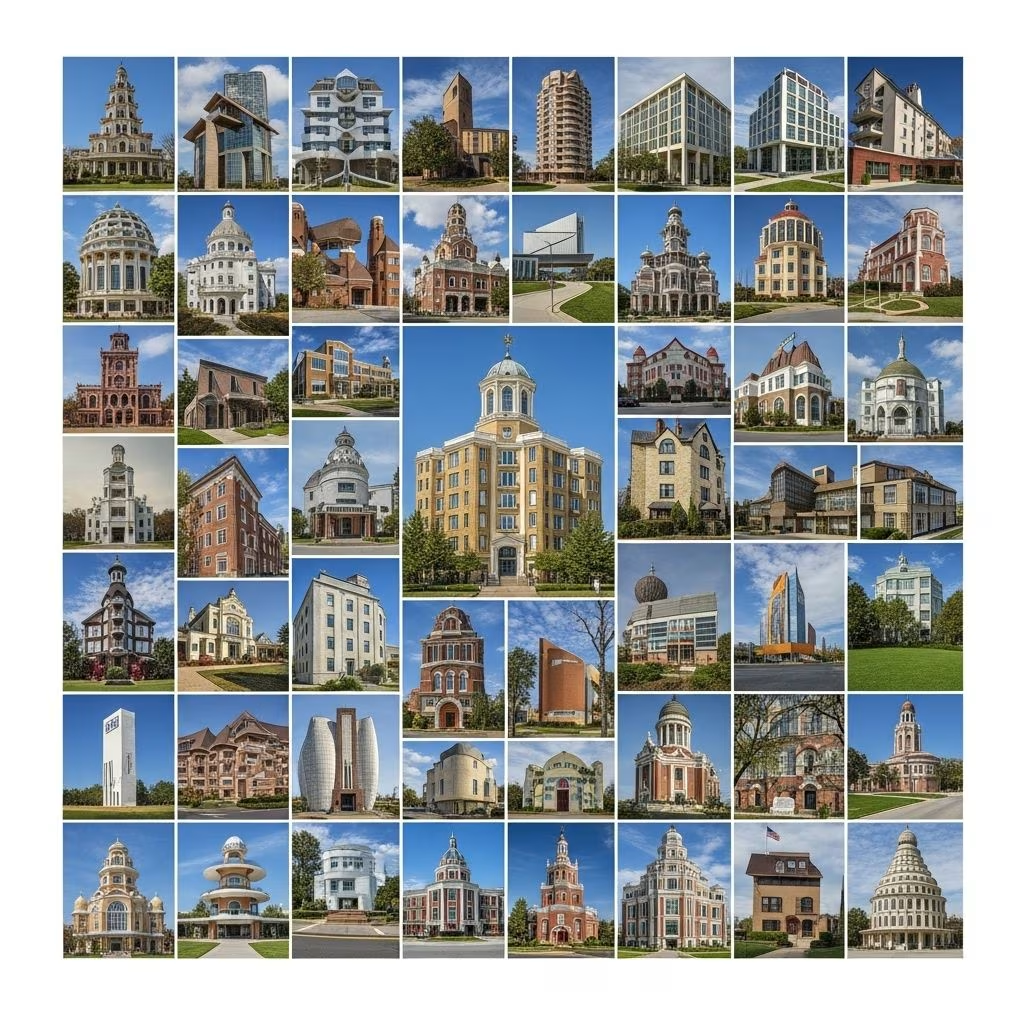
America’s architectural landscape is dotted with peculiar and awe-inspiring buildings, each offering a glimpse into the creative minds who designed them and the communities that fostered their existence. From haunted hotels and storybook castles to structures that defy logic and convention, these buildings are more than just eye-catching—they’re packed with local legends, historical intrigue, and unique design philosophies.
Why Unusual Architecture Matters
Unusual buildings add layers of personality and history to a region. They serve as landmarks, conversation starters, and windows into the past. Whether constructed for practical reasons or whimsical aspirations, each makes its mark with distinctive features and memorable stories. Visiting these buildings can feel like stepping into another world—or another era entirely.
State-by-State Highlights
-
Alabama: Rosenbaum House
Florence, Alabama houses the only Frank Lloyd Wright-designed home in the Southeast open to the public. The Rosenbaum House stands as an L-shaped, Usonian-style mid-century dwelling built in 1939 for a middle-class family. Its efficient layout and harmonious integration with the surroundings make it a pilgrimage site for architecture enthusiasts.
-
Alaska: Dr. Seuss House
Between Talkeetna and Willow, Alaska, the Dr. Seuss House is a quirky, unfinished 12-story residence. Built by attorney Phil Weidner, its whimsical silhouette and stacked towers resemble the fantastical worlds found in Dr. Seuss’s books, captivating curious travelers on the Alaskan landscape.
-
Arizona: Chapel of the Holy Cross
Sedona, Arizona is home to the Chapel of the Holy Cross, a striking cathedral nestled among red rocks nearly 200 feet above ground. Its 90-foot cross and panoramic stained glass create a spiritual experience for visitors, with its unique design inspired by New York’s Empire State Building and completed in 1955 by sculptor Marguerite Brunswig Staude.
-
Arkansas: Crescent Hotel
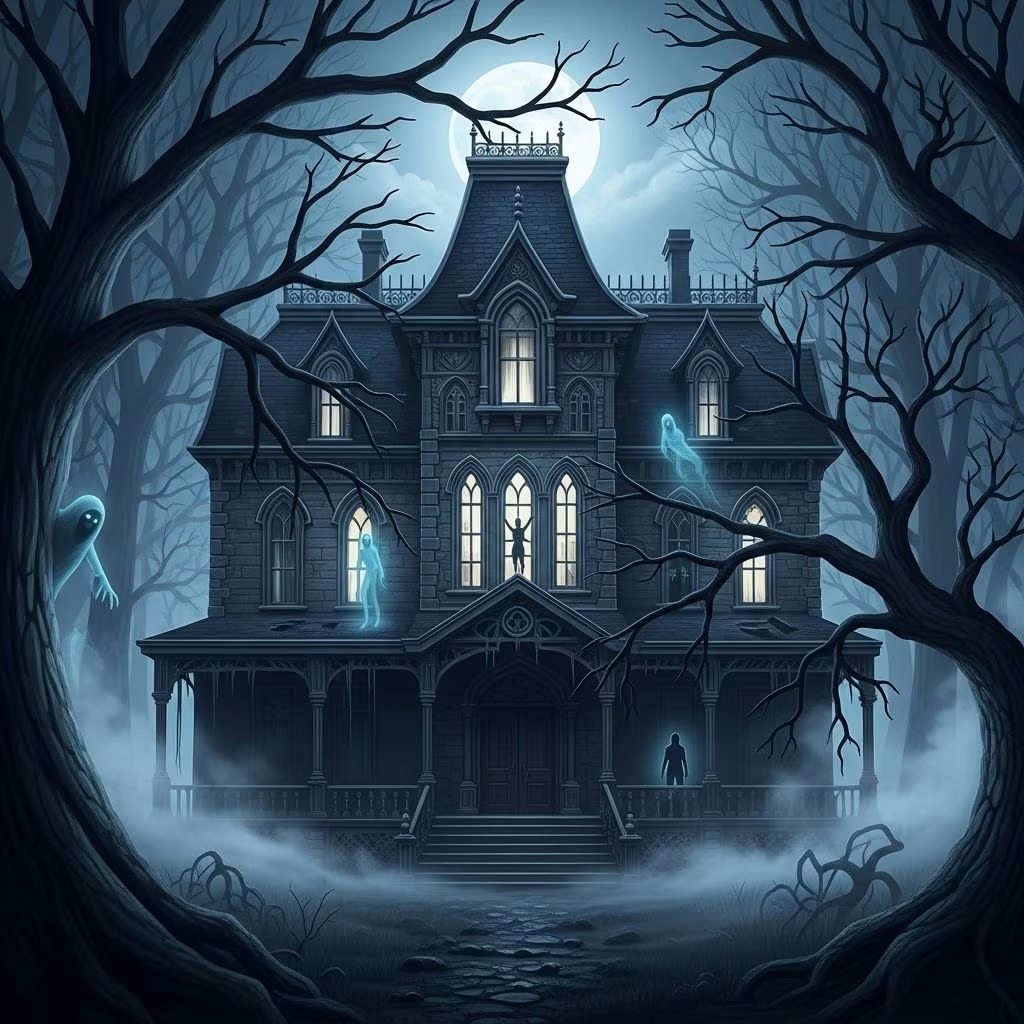
Perched at the edge of Eureka Springs, the Crescent Hotel has welcomed guests to the Ozark Mountains since 1886. It’s infamous as “America’s Most Haunted Hotel” and offers ghost tours that illuminate its rich, ghostly history.
-
California: Winchester Mystery House
San Jose, California shelters the sprawling, perplexing Winchester Mystery House, once an eight-room farmhouse transformed into a 160-room mansion by rifle heiress Sarah Winchester from the 1880s onward. Its labyrinth of doors and stairways leading nowhere inspired films and legends about Sarah’s attempts to confuse spirits seeking vengeance.
Fun Fact: The house boasts oddities like spiderweb-themed windows and a séance room.
-
Colorado: Bishop Castle
In Rye, Colorado, Jim Bishop has spent nearly 60 years building the multi-room Bishop Castle from stone and iron, featuring grand ballrooms and spiraling towers—a testament to individual perseverance and creativity.
-
Connecticut: Gillette Castle
East Haddam, Connecticut hosts Gillette Castle, built in 1919. Designed by actor/playwright William Gillette, its 24 rooms feature built-in couches, moveable tables, and intricate wood carvings, creating a medieval-inspired atmosphere interwoven with the designer’s theatrical flair.
-
Kentucky: Bondurant’s Pharmacy
In Lexington, Bondurant’s Pharmacy stands out for its quirky mortar-and-pestle shape, originally conceived for its pharmacy function in 1974. Today, it’s repurposed as a liquor store and has been whimsically refashioned to resemble a cocktail.
-
Louisiana: The Pontalba Buildings
New Orleans’s French Quarter owes much of its charm to the Pontalba Buildings on Jackson Square. Completed in 1851, these row houses blend French, American, Creole, and Greek Revival architecture—a living testament to the city’s diverse heritage.
-
Maine: Portland Head Light
Cape Elizabeth, Maine is home to the Portland Head Light, constructed in 1791 after the government standardized lighthouse construction. Today, its former keeper’s house hosts a museum, offering spectacular coastal views and nautical history.
-
Maryland: American Visionary Art Museum
Baltimore, Maryland boasts the American Visionary Art Museum, whose vibrant exterior mosaics were created by juvenile delinquents. The museum itself features offbeat works by self-taught artists, making it a hub for unconventional creativity.
Notable Design Features
- Integration with Nature: Many buildings, like the Chapel of the Holy Cross and the Rosenbaum House, were designed to harmonize with the surrounding landscapes.
- Architectural Experimentation: Unusual lines, shapes, and configurations—such as those found in the Dr. Seuss House—challenge traditional building norms.
- Historical Significance: Structures like the Portland Head Light and Crescent Hotel serve as living witnesses to pivotal moments in local and national history.
- Functional Oddities: The Winchester House’s stairways to nowhere, Gillette Castle’s moveable furniture, and Bondurant’s Pharmacy’s playful shape exemplify inventive, sometimes whimsical approaches to utility and design.
Table: Comparison of Selected Unusual Buildings
| Building | Location | Year Built | Main Feature | Accessibility |
|---|---|---|---|---|
| Rosenbaum House | Florence, AL | 1939 | Usonian architecture | Public tours |
| Dr. Seuss House | Talkeetna-Willow, AK | Unfinished | Whimsical vertical design | Private property |
| Winchester Mystery House | San Jose, CA | 1884–1922 | Labyrinth rooms/stairways | Public tours |
| Bishop Castle | Rye, CO | Started 1969 | Homemade medieval castle | Open to visitors |
| Gillette Castle | East Haddam, CT | 1919 | Theatrical, medieval style | Public tours |
Frequently Asked Questions (FAQs)
Q: Are these buildings open to the public?
A: Many are, including the Rosenbaum House, Winchester Mystery House, Bishop Castle, Gillette Castle, and the American Visionary Art Museum. Some, such as the Dr. Seuss House, remain private and are not open for tours.
Q: What inspires such unusual designs?
A: Inspiration often comes from personal vision, cultural traditions, technological innovation, or the desire to create a landmark. Some are rooted in the beliefs or practical needs of their founders, while others express eccentricity or artistic experimentation.
Q: Are any of these buildings considered haunted?
A: Yes, the Crescent Hotel in Arkansas and the Winchester Mystery House in California are both famous for ghost stories and offer haunted tours for curious visitors.
Q: Why are some buildings unfinished or evolving?
A: Projects like the Dr. Seuss House and Bishop Castle are driven by individual builders, often evolving over decades due to changes in inspiration, resources, or local regulations. Their unfinished or continuously growing nature adds to their mystique.
Q: Can you host events or stay overnight in any of these sites?
A: Some locations, such as the Crescent Hotel, offer accommodations and event hosting. Others, like museums and historic homes, may accommodate special tours or private events by arrangement.
Conclusion: Exploring America’s Architectural Oddities
From Maine’s oldest lighthouse to fantastical homes and castles scattered across the country, America’s most unusual buildings capture imaginations and offer unforgettable travel experiences. Whether you seek haunted legends, striking architecture, or simply a new perspective on design, these landmarks exemplify creativity and intrigue. They are not merely buildings—they are vibrant stories, living history, and one-of-a-kind destinations. No matter where you travel, keep an eye out for hidden masterpieces waiting to surprise you just off the beaten path.
References
- https://www.countryliving.com/life/travel/g19418962/unusual-buildings-in-america/
- https://www.loveexploring.com/gallerylist/127156/are-these-the-weirdest-homes-in-america
- https://newcriterion.com/article/no-place-like-home/
- https://www.countryliving.com/home-design/house-tours/g40694918/highlands-north-carolina-mountain-house/
- https://town-n-country-living.com/beauty-stone-house.html