Tuscany: The Heart of Italy’s Art, Culture, and Countryside
Tuscany has long captivated travelers with its bucolic landscapes, dazzling artistic legacy, and impeccably preserved medieval towns. Situated in central Italy, it’s a region where Etruscan roots meet Renaissance brilliance, offering visitors a vibrant mix of cultural treasures, culinary delights, and natural beauty that embodies the best of Italian living. Whether you’re drawn by the masterpieces of Florence, the gothic grandeur of Siena, or the slow-paced lifestyle of hill towns, Tuscany rewards travelers with depth and inspiration at every turn.
Planning Your Tuscan Adventure
With its rich tapestry of landscapes and experiences, planning a trip to Tuscany requires balancing major highlights with the joy of lingering in little towns and off-the-beaten-path areas. Consider timing your visit for spring or fall, when crowds are lighter and the weather is mild. A recommended itinerary includes several nights in Florence, explorations of Siena and Pisa, and at least a couple days to savor the region’s renowned countryside and wine towns. Make use of easy-to-follow maps and Italian survival phrases to enhance your experience, and consult guidebooks for recommended hotels, restaurants, and self-guided walks for a more immersive trip.
- Spring and fall are ideal seasons for mild weather and fewer tourists.
- Trains and buses connect major cities, while a rental car opens up rural treasures.
- Advance reservations are recommended for museums and popular attractions.
Florence: Renaissance Splendor
Florence, the jewel of Tuscany, shines as the epicenter of Renaissance art and architecture. The city presents a living gallery filled with masterpieces by Michelangelo, Botticelli, and Donatello. At its heart are the majestic Duomo, the bustling Piazza della Signoria, and the iconic Ponte Vecchio. Florence’s compact historic center is easily walkable and perfect for self-guided tours. Highlights include:
- Accademia Gallery: Home to Michelangelo’s David.
- Uffizi Gallery: Showcasing world-class works from Botticelli to Caravaggio.
- Bargello Museum: Renowned for its sculpture collection.
- Duomo Museum: Focused on Brunelleschi’s dome and monumental religious art.
- Palazzo Vecchio: The seat of Florentine power and grandeur.
- Santa Croce: Final resting place of Michelangelo and Galileo.
- Oltrarno neighborhood: Artisans’ workshops and authentic local flavor.
Florence is also a city for every type of traveler, with family-friendly museums and activities, energetic nightlife, and myriad opportunities for shopping from leather goods to high fashion.
Florence Self-Guided Walks and Tours
- Renaissance walk through the city center, tracing the footsteps of the Medici legacy.
- Oltrarno artisans tour, featuring traditional crafts and contemporary studios.
Siena: Gothic Majesty and Cultural Depth
Siena stands in beautiful contrast to Florence, epitomizing Tuscan medieval spirit. Its shell-shaped Piazza del Campo hosts the exhilarating Palio horse race. The city’s black-and-white cathedral dazzles visitors with intricate inlaid marble and frescoes. Key sights include:
- Siena Duomo: Stunning gothic architecture and priceless art.
- Duomo Museum: Preserves treasures and the city’s sacred heritage.
- Civic Museum: Rich in Sienese history and art.
- City walk: Meandering through winding alleys and medieval squares.
Nearby, the Crete Senesi offers rugged, scenic drives across dramatic clay hills dotted with cypress trees and ancient abbeys, perfect for a countryside escape.
Pisa: Iconic Images and Historic Marvels
Pisa is world-famous for its Leaning Tower, but the city’s Field of Miracles holds far more: the sumptuous Pisa Cathedral, the ornate Baptistery, and the lively university atmosphere. Allow time for:
- Leaning Tower: Climb for unforgettable views.
- Field of Miracles: Stroll among Pisa’s historic wonders.
- Cathedral and Baptistery: Splendid gothic artistry.
A self-guided walk through Pisa reveals its history beyond the famous tower, from bustling squares to shady gardens.
Lucca: Renaissance Walls and Musical Heritage
Enclosed by perfectly preserved Renaissance walls, Lucca offers a peaceful respite from the bustle. Walk or bike atop the city walls for panoramic views, explore elegant boutiques, and discover the music of Puccini’s birthplace:
- Scenic city walls: Stroll, jog, or cycle amidst leafy greenery.
- Opera demonstrations: Experience classical music in evocative settings.
- Charming piazzas: Dine al fresco in the Piazza dell’Anfiteatro.
Lucca is also a convenient base for day trips to Pisa and nearby Tuscan towns.
The Hill Towns: Time Capsules in the Tuscan Countryside
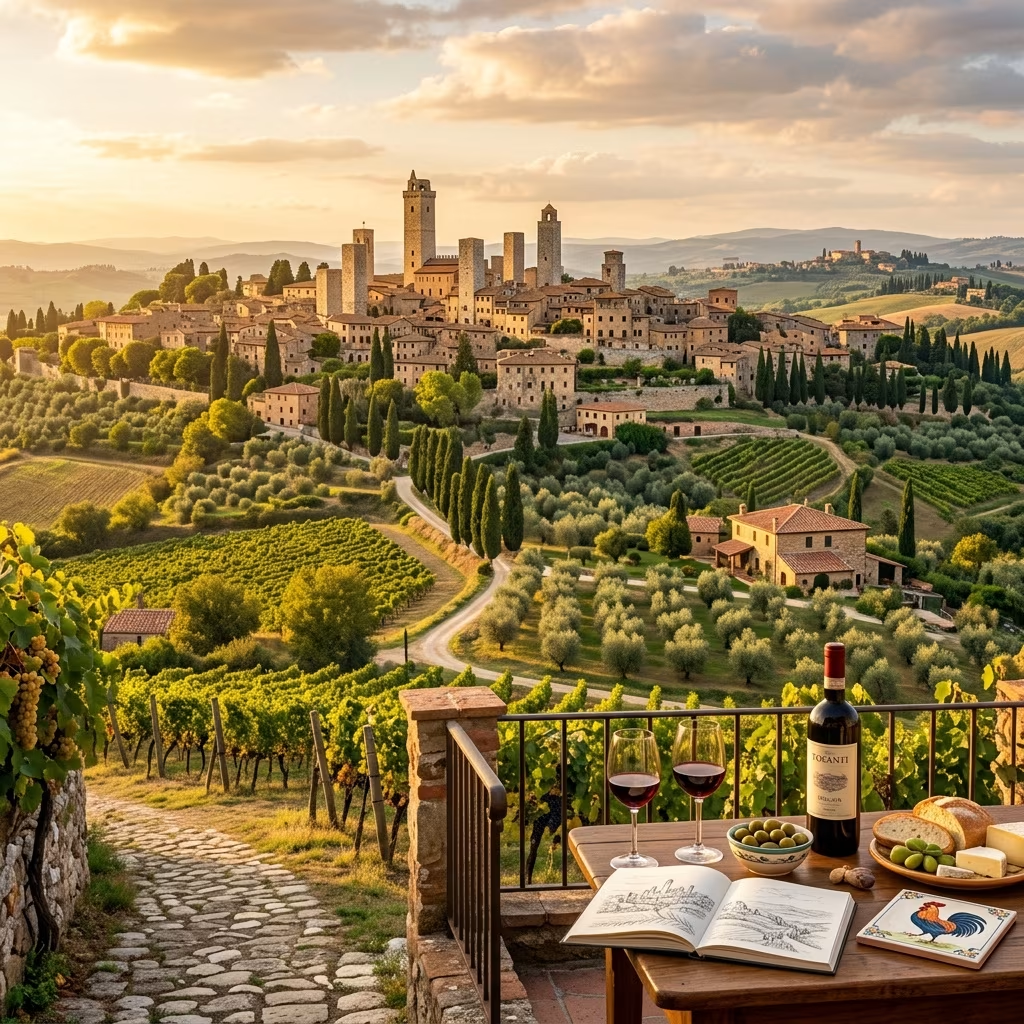
Tuscany’s rolling hills are dotted with towns that seem untouched by the centuries, each offering its own character, traditions, and views. These hill towns beckon with rustic charm, honey-colored stone, and Etruscan roots. Notable stops include:
- San Gimignano: Famous for its medieval “Manhattan” skyline of towers and superb local wine.
- Volterra: Ancient Etruscan origins and alabaster artisanship.
- Montepulciano: Renowned for Vino Nobile and dramatic landscapes.
- Pienza: A Renaissance gem known for pecorino cheese.
- Montalcino: The heartland of Brunello wine.
- Cortona: Steeped in Etruscan history and literary fame.
Driving through the Val d’Orcia, you’ll pass iconic cypress-lined roads, golden wheat fields, and picture-perfect villages. Culinary stops feature hand-rolled pastas, olive oil tastings, and robust red wines, making the countryside a genuine feast for all the senses.
Experiencing Tuscan Cuisine and Wine
Tuscany is Italy’s food and wine heartland, where rustic traditions meet regional pride. Meals are hearty yet simple, featuring local ingredients and age-old recipes. Must-try experiences include:
- Chianti wine tasting: Sample bold reds from family-run estates.
- Olive oil tours: Discover the nuances of cold-pressed extra virgin olive oil.
- Farmhouse meals: Savor dishes like ribollita, panzanella, and wild boar stew.
- Cooking classes: Learn how to make classic Tuscan fare under the guidance of local chefs.
Tuscan cuisine is best enjoyed at trattorias, local markets, or agriturismos, with every meal an invitation to linger at the table and share stories.
Culture, Festivals, and Regional Life
Tuscany’s vibrant culture ranges from grand Renaissance celebrations to daily village market buzz. Annual events like the Palio in Siena or Maremma’s folk music showcase ancient traditions alongside friendly modern hospitality. Artisan workshops, mosaic studios, theatrical performances, and opera houses enrich visitors’ understanding of local life:
- Palio di Siena: Twice-yearly medieval horse race with colorful pageantry.
- Artisan workshops: Mosaics, leather, gold, and paper making.
- Opera and music: Lucca’s legacy and Florence’s concert scene.
- Maremma folk demonstrations: Insights into Tuscan cowboy culture.
Practical Travel Tips
Navigating Tuscany is straightforward with well-maintained trains and buses linking main cities. Renting a car is ideal for exploring tiny villages and scenic drives. Be prepared for vigorous walking—cobbled streets, stairways, and gentle hills add to the region’s charm but challenge. Accommodations range from cozy inns in city centers to rural farmhouses offering immersive countryside stays. For solo navigation:
- Learn some basic Italian phrases for a richer experience.
- Be ready to carry luggage over uneven streets and up stairs to your room.
- Advance ticketing helps avoid long museum lines.
Frequently Asked Questions (FAQs)
Q: What is the best way to travel between Tuscan towns?
A: Trains and buses connect major cities, but driving is preferred for reaching smaller hill towns and the countryside.
Q: Can I visit Tuscany on a family trip?
A: Yes, Tuscany is ideal for families, with child-friendly museums in Florence, safe pedestrian zones in Lucca, and outdoor activities in the countryside.
Q: What local dishes should I try?
A: Enjoy ribollita vegetable soup, pecorino cheese from Pienza, wild boar stew, hand-rolled pasta, and Brunello wine.
Q: Are there guided tours and walks available?
A: Absolutely—Florence, Siena, and most hill towns offer self-guided walks, expert tours, and special tastings.
Q: How physically demanding is a typical trip?
A: Expect several hours of walking daily, including hilly terrain and stairs. Bring comfortable shoes and pack light.
Travel Resources
- Detailed guidebooks cover sights, food, hotels, and self-guided tours for all major destinations.
- Professional tour companies offer active itineraries including authentic group activities and local expert guides.
- Online videos and podcasts showcase travel inspiration, practical tips, and Italian cultural insights.
Summary Table: Tuscany’s Highlights
| Destination | Main Attractions | Best Experience |
|---|---|---|
| Florence | Duomo, Uffizi, David | Renaissance art and architecture |
| Siena | Campo, Duomo, Civic Museum | Gothic grandeur, Palio festival |
| Pisa | Leaning Tower, Cathedral | Iconic images, climbing tower |
| Lucca | City walls, piazzas, Puccini | Scenic wall walks, local music |
| Hill Towns (San Gimignano, etc.) | Medieval towers, wine country | Slow travel, food, and vistas |
Conclusion: Embrace the Tuscan Way
From Florence’s radiant Renaissance galleries to Siena’s medieval drama and the timeless charm of Tuscan hill towns, this region delivers a feast of experiences for history buffs, foodies, art lovers, and wanderers. Enjoy a balance of major sights and leisurely countryside drives, savor rustic flavors at a local table, and immerse yourself in festivals and artisan traditions. Tuscany embodies la dolce vita: beautiful, bountiful, and welcoming to every traveler ready to experience Italy’s soul.
References
- https://store.ricksteves.com/shop/p/florence-guidebook
- https://www.ricksteves.com/tours/italy/tuscany
- https://www.youtube.com/watch?v=VUTZ9nE7_XQ
- https://www.ricksteves.com/europe/italy/tuscany
- https://www.ricksteves.com/europe/italy/tuscany-itinerary
- https://www.ricksteves.com/watch-read-listen/video/tv-show/tuscany-dolce-vita
- https://www.ricksteves.com/watch-read-listen/video/travel-talks/tuscany
- https://www.ricksteves.com/watch-read-listen/video/tv-show/siena-tuscany-wine-country
- https://www.youtube.com/playlist?list=PL2203FB5B8E4D4D99
- https://www.ricksteves.com/europe/italy/tuscan-hill-towns