Introduction to Italy: Gateway to Europe’s Cultural Heart
Italy stands as one of Europe’s most remarkable travel destinations, rich in culture, history, art, and natural beauty. From the romantic canals of Venice to the bustling ancient streets of Rome, Italy offers travelers unique culinary delights, world-class museums, and scenic landscapes that promise an unforgettable experience. This comprehensive guide provides essential details on Italy’s top locales, travel skills, practical advice, and suggestions for making the most of your journey.
Planning Your Trip to Italy
- When to Go: Italy is enticing year-round, but the best time to visit is generally spring (April-June) and autumn (September-October), when the weather is pleasant and tourist crowds thinner.
- Pre-Trip Checklist: Prepare by securing travel documents, booking accommodations, and organizing transportation.
- Festivals and Holidays: Time your visit around local festivals, such as Venice’s Carnival or Siena’s Palio, to experience authentic Italian culture.
- Recommended Books and Movies: Consider exploring Italian literature, cinema, and guidebooks to enrich your perspective.
Italy’s Top Destinations: Regions and Cities to Explore
Venice & Surroundings
Known for its enchanting canals and Renaissance architecture, Venice is a magnet for travelers. Don’t miss St. Mark’s Basilica and Square, the Rialto Bridge, and the charming neighborhoods of Cannaregio and Dorsoduro.
- Nearby Excursions: Padua for its Scrovegni Chapel frescoes, and Verona, famed for its Roman amphitheater and Shakespeare’s ‘Romeo and Juliet’.
The Dolomites
Northern Italy’s Dolomite mountains offer dramatic hikes and stunning scenery. Explore Bolzano’s South Tyrol, Kastelruth’s alpine charm, and the high meadows of Seiser Alm.
Milan & The Lakes
Milan combines fashion, commerce, and art, boasting Da Vinci’s ‘The Last Supper’ and the magnificent Duomo. Escape to Lake Como and Lake Maggiore for picturesque towns and serene landscapes.
The Italian Riviera & the Cinque Terre
- Cinque Terre: Five cliffside villages—Monterosso al Mare, Vernazza, Corniglia, Manarola, and Riomaggiore—connected by scenic trails and crystal-clear waters.
- Other Riviera Towns: Levanto and Sestri Levante are quieter options; Santa Margherita Ligure and Portofino blend seaside charm and luxury.
- Nearby: Porto Venere and La Spezia serve as gateways to the region.
Florence & Nearby
Florence, the cradle of the Renaissance, offers masterpieces such as Michelangelo’s ‘David’, the Uffizi Gallery, and the Ponte Vecchio. Short trips include Pisa’s famous Leaning Tower and the medieval allure of Lucca, Siena’s Gothic architecture, and hillside towns like Volterra and San Gimignano.
The Heart of Tuscany
- Montepulciano: Known for wine and historic streets.
- Pienza: Renaissance town with panoramic views.
- Montalcino: Famous for Brunello wine.
- Scenic Drives: The Heart of Tuscany Drive passes rolling hills, cypress trees, and villages.
Umbria & Hill Towns
Umbria is Italy’s green heart, dotted with timeless towns like Assisi (famed for St. Francis), Orvieto with its dramatic cliff-top Duomo, and Civita di Bagnoregio, an isolated gem accessed by a footbridge.
Rome
Italy’s capital brims with life, ancient ruins, and baroque splendor. Must-see sites include the Colosseum, Roman Forum, Vatican Museums and Sistine Chapel, Pantheon, and lively piazzas like Navona and Campo de’ Fiori.
Southern Italy
- Naples: Vibrant city, gateway to pizza and ancient sites.
- Pompeii: Well-preserved ruins of the Roman city destroyed by Vesuvius.
- Sorrento: Charming cliff-top town overlooking the Bay of Naples.
Amalfi Coast
- Positano, Amalfi Town, and Ravello: Dramatic coastline, pastel villages, lemon groves.
- Minori and Maiori: Less crowded alternatives with authentic Italian atmosphere.
Practical Travel Skills for Italy
- Eating: Savor authentic Italian cuisine in local trattorias; try regional specialties and wines. Reservations are advised in popular spots.
- Sleeping: A mix of family-run pensions, boutique hotels, and central accommodations offer diverse experiences. Book ahead, especially in peak season.
- Transportation: Italy’s trains connect major cities efficiently; regional buses, urban transit, and car rentals fill the gaps. Be sure to validate train tickets and understand city transit systems.
- Avoiding Lines: Reserve museum and attraction tickets online when possible to sidestep crowds, especially at the Vatican, Uffizi, and Colosseum.
- Outsmarting Pickpockets: Remain alert in tourist areas, use secure bags, and keep valuables inaccessible.
Trip Itineraries: Sample Schedules
| Duration | Suggested Destinations |
|---|---|
| One week | Venice, Florence, Rome |
| Two weeks | Venice, Milan or Lake Como, Cinque Terre, Florence, Siena, Rome, Naples or Amalfi Coast |
| Three weeks | In-depth exploration including Dolomites, Tuscany hill towns (Montepulciano, Pienza), Umbria (Assisi, Orvieto), Southern Italy (Pompeii, Sorrento, Amalfi Coast) |
Italian Language & Survival Phrases
- Buongiorno – Good morning
- Grazie – Thank you
- Per favore – Please
- Dove si trova…? – Where is…?
- Quanto costa? – How much does it cost?
Learning a few basic Italian phrases will smooth interactions and enhance your travel experience.
Managing Money & Emergencies
- Currency: The Euro (€) is Italy’s official currency; cash is preferred in small shops and rural areas.
- Communication: International SIM cards or roaming can keep you connected. Free Wi-Fi is widely available in hotels, cafes, and public spaces.
- Reserving Rooms: Hotel booking sites, local tourism offices, and direct calls are reliable methods.
- Handling Emergencies: Know local emergency numbers (such as 112), keep travel insurance information handy, and be aware of nearby medical centers.
Italian History, Culture & Cuisine
Italy is a treasure trove of art, from Roman antiquity to Renaissance masters. Cultural life thrives in city squares, lively festivals, and family gatherings. Italian cuisine is regionally diverse: pizza and seafood in Naples, ribollita soup in Tuscany, risotto in Milan, and pesto in Liguria. Take time to enjoy local markets and regional wines.
Recommended Museums, Walks, and Tours
- Venice: A stroll from St. Mark’s to Campo Santa Margherita introduces city life and Venetian history.
- Florence: The Accademia and Uffizi Gallery house artistic masterpieces.
- Rome: Explore the Vatican Museums and ancient Roman sites on foot.
Self-guided tours and walks, available in guidebooks, help you uncover local secrets in every city.
Family-Friendly Activities & Kid’s Attractions
- Interactive museums in Florence and Rome offer special programs for children.
- Outdoor fun abounds along the beaches of the Riviera and in scenic parks of the Dolomites.
- Hands-on cooking classes teach kids about Italian cuisine and culture.
Frequently Asked Questions (FAQs)
Q: Do I need to speak Italian to travel?
A: While English is spoken in tourist centers, learning basic Italian phrases enriches your experience and helps in rural areas.
Q: How can I avoid crowds at popular attractions?
A: Travel off-season, make advance reservations, and visit early in the day or late afternoon.
Q: Is it safe to travel in Italy?
A: Italy is considered safe for tourists, though pickpocketing is common in crowded areas. Remain alert and safeguard your belongings.
Q: What is the best way to travel between cities?
A: The national train system is fast and reliable for most major destinations. Rent a car for exploring countryside and remote towns.
Final Travel Tips
- Read up-to-date guidebooks for the latest tips and recommendations.
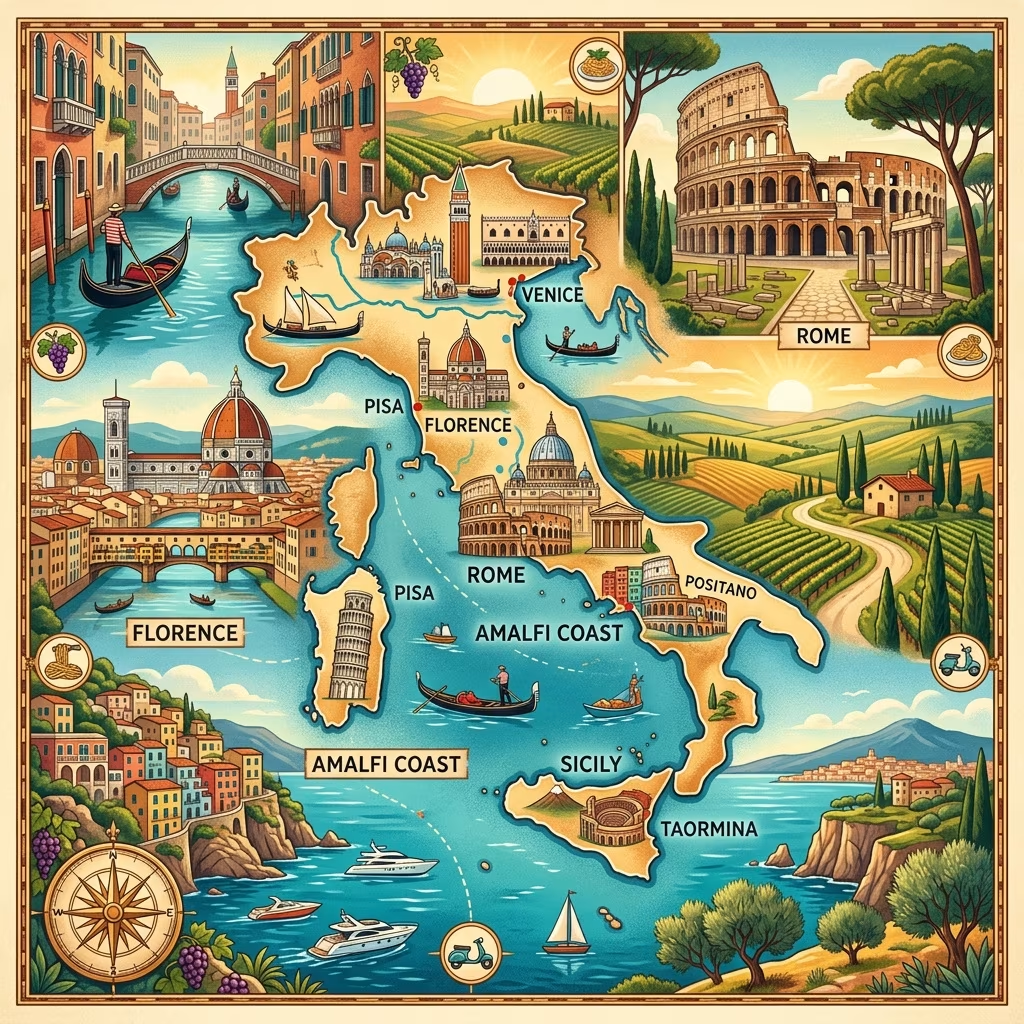
- Carry a full-color planning map for quick reference.
- Pace your travels: Allow time for both sightseeing and spontaneous discovery.
- Embrace the Italian approach to living: savor food, converse with locals, linger in beautiful places.
Popular Italian Destinations Table
| Region | Top Cities | Highlights |
|---|---|---|
| Veneto | Venice, Verona, Padua | Canals, Renaissance art, Roman arena |
| Liguria | Cinque Terre, Portofino, Genoa | Cliffside villages, seafood, scenic hikes |
| Tuscany | Florence, Siena, Pisa, San Gimignano | Art, architecture, wine regions |
| Campania | Naples, Sorrento, Amalfi Coast | Ancient ruins, dramatic coastlines, pizza |
| Lombardy | Milan, Lake Como, Bergamo | Fashion, lakes, medieval towns |
Conclusion: Why Discover Italy?
Italy weaves together centuries of history, breathtaking scenery, vibrant cities, and a culture of hospitality that beckons every traveler. Whether you’re drawn to its ancient monuments, bustling squares, or tranquil countryside, Italy promises experiences as diverse as its landscapes. Prepare wisely, immerse yourself in local traditions, and savor every moment in Europe’s timeless heart.
References
- https://store.ricksteves.com/shop/p/italy-guidebook
- https://www.ricksteves.com/watch-read-listen/video/travel-talks/italy
- https://store.ricksteves.com/shop/p/best-italy-guidebook
- https://www.ricksteves.com/tours/italy
- https://www.ricksteves.com/europe/italy
- https://community.ricksteves.com/travel-forum/italy/beginner-guide-to-italy-helpppp
- https://www.youtube.com/playlist?list=PL2203FB5B8E4D4D99