The Gondolas of Venice: More Than Just a Romantic Ride
When one imagines Venice, serene canals and sleek gondolas often spring to mind. For centuries, these graceful boats have embodied the spirit, history, and romance of the city. Though now seen as a tourist must, riding a Venetian gondola remains a memorable experience, connecting travelers to Venice’s centuries-old magical landscape.
Venice’s Iconic Symbol: The Gondola
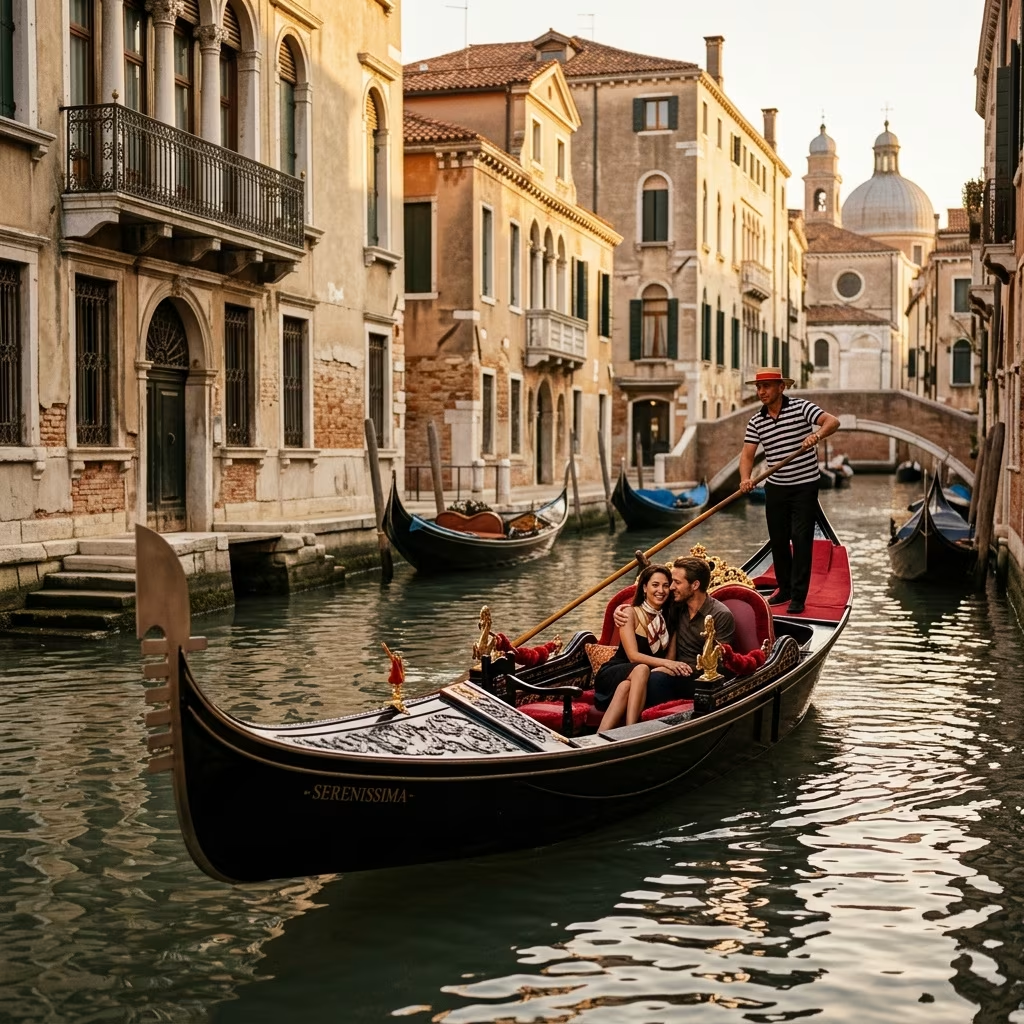
Gondolas are instantly recognizable symbols of Venice. Their black hulls, sweeping curves, and iron prow-heads called ferro are as much art as transportation. Born out of necessity, the design of the gondola was crafted to tackle the city’s maze of shallow canals and shifting sand bars, demanding both practicality and elegance.
- Flat-bottomed hull: Ideal for navigating shallow waters.
- Slightly curved shape: Allows for efficient steering with only one oar.
- No rudder: Gondoliers use subtle oar movements to guide the boat.
Beneath the Surface: History of the Gondola
Strolling along Venice’s waterways, it’s hard to imagine that two centuries ago more than 10,000 gondolas plied these waters. The boat’s history traces back over 600 years. In the early Middle Ages, the Venetian nobility preferred horses to boats; only horses were soon banned from city streets, and the gondola became the vessel of choice for nobility and all Venetians.
As Venetian society flourished and canals replaced streets, the demand for gondolas soared. By the late Renaissance, the gondola evolved from a practical water taxi to a symbol of wealth and status, with the city’s elite commissioning ornate boats and craftsmen fine-tuning each element for beauty and utility.
The Evolution of the Gondola
- 14th Century: Horses banned, gondolas rise in popularity among the noble class.
- 17th–18th Centuries: Gondolas become associated with luxury and private travel; craftsman compete to create the most elegant and efficient boats.
- Modern Day: Around 400 gondolas remain in Venice, almost exclusively used for tourism and ceremonial purposes.
The Art of Gondola Craftsmanship
Each gondola is a masterpiece, meticulously hand-built using traditional techniques passed down through generations. A single gondola takes at least two months to construct and uses eight types of wood, including oak, cherry, walnut, elm, and mahogany—each chosen for the properties needed in different parts of the boat.
- Distinctive asymmetry: One side wider than the other for perfect balance with a standing gondolier and single oar.
- Custom oarlocks (forcola): Sculpted of walnut, these stylized pieces are unique, showcasing each artisan’s skill.
- Traditional workshops: The Squero San Trovaso shipyard and Paolo Brandolisio’s workshop are famed for preserving classic techniques and welcoming visitors.
Gondola artisans, often drawn from Alpine regions of Italy, became renowned for their wood expertise. In places like the Squero San Trovaso, visitors can witness the marriage of art and engineering—and see how Venice maintains this central aspect of its cultural identity.
Table: Key Features of a Venetian Gondola
| Feature | Description |
|---|---|
| Hull | Flat-bottomed, asymmetrical, 36 feet long, 1400 pounds |
| Woods Used | Oak, cherry, walnut, mahogany, elm, larch, fir, and limetree |
| Ferros (Prow) | Specific iron ornament on the bow, serves as a counterweight, represents Venetian districts |
| Oarlock (Forcola) | Custom carved, each is unique to the gondolier’s preferences |
The Gondolier: Master Pilot and Performer
The gondolier is central to Venice’s romance. Journeymen gondoliers train for up to 18 months, learning navigation, etiquette, and the art of storytelling. They must master the rowing technique, tackle crowded waterways, and—sometimes—sing or entertain their guests. Becoming licensed is a serious achievement, limited to those truly dedicated to the craft.
- Traditional uniform: Striped shirts, straw hats with ribbon.
- Skillful navigation: Standing and steering with a single oar, maneuvering through narrow canals.
- Storytelling: Sharing tales of Venice and providing cultural insight.
- Training: Intense learning in water safety, boat handling, history, and languages.
Gondoliers must also have the right persona; Venice’s winding canals demand both skill and charm. Many have their own personalities and will tailor the ride to suit your group, though some will break into song only at emphatic encouragement. (Despite popular requests, “O Sole Mio” is not authentic Venetian!)
Why Splurge? The Value of a Gondola Ride
Is a gondola ride worth the price? Travel experts like Rick Steves—usually cautious about tourist traps—endorse the experience as a worthwhile splurge, if only once. The official daytime rate hangs around €80–€90 ($88), rising to €100–€110 ($110) in the evening. The cost supports Venice’s painstaking traditions and provides guests a rare, direct connection to the city’s heart.
- Unmatched perspective: Gondolas slip into quiet canals inaccessible on foot, allowing for intimate views of palaces, bridges, and centuries-old homes.
- A void from crowds: Early mornings or late evenings offer tranquility, away from throngs of tourists.
- Romantic and private moments: Whether for couples, families, or solo travelers, a gondola ride is a “Venice-only” sensation.
- Historical immersion: Each ride is a journey through living history, with insights from the gondoliers.
Some critics argue gondola rides are touristy, but even seasoned travelers agree that seeing Venice from the water is the best view—offering unique angles, mesmerizing reflections, and a sense of belonging to a timeless city.
Tips for Maximizing Your Gondola Experience
- Time your ride: Early morning or after sunset are less crowded and more atmospheric.
- Negotiate price and duration: Confirm costs upfront; most rides last 30–40 minutes.
- Choose your route: Asking to detour into back canals brings a more peaceful, authentic ride.
- Interact with your gondolier: A friendly conversation can reveal local secrets and history.
- Skip cliché requests: Focus on the experience—Venetian songs are better than tourist standards.
The Gondola’s Role in Venetian Culture Today
Gondolas do more than ferry tourists. Their presence is deeply linked to Venetian events, traditions, and civic pride. Gondoliers participate in annual regattas, festivals, and wedding celebrations. Many families pass down the profession, ensuring the legacy endures.
- Historic processions: Gondolas lead city parades and official ceremonies.
- Artisan preservation: Workshops continue to train new craftsmen in ancient methods.
- Community icons: Gondoliers are local personalities, sometimes city celebrities due to their knowledge and charisma.
Not Just Nostalgia: The Gondola’s Modern Place
While motorboats have rendered gondolas obsolete for everyday errands, they still hold special significance for Venetians and those who love Venice. Festivals like the Regata Storica draw attention to their beauty and competitive skill, showcasing Venice’s living maritime culture.
Frequently Asked Questions (FAQs)
Is a gondola ride worth the price?
For the experience of Venice at its most magical, most travelers—including experts like Rick Steves—agree it’s worth the splurge. The cost encompasses tradition, skilled craftsmanship, and an intimate view of the city.
How long does a typical ride last?
Standard rides are 30–40 minutes. You can negotiate for longer or shorter trips based on your schedule and interest.
Can you avoid crowds while on a gondola?
Yes. Opt for early morning or sunset, and request your gondolier to venture into lesser-known canals for peace and serenity.
Do gondoliers really sing?
Some do, but it’s often at the guests’ request. Authentic Venetian songs are preferable, while popular tunes like “O Sole Mio” are rarely sung except for tourists.
Where can I see gondola craftsmanship?
The Squero San Trovaso shipyard and workshops like that of Paolo Brandolisio offer glimpses into traditional techniques. Observing artisans at work is both educational and moving.
Preserving a Priceless Tradition
Venice’s gondolas encapsulate history, beauty, and expert craftsmanship. Whether drifting below arched bridges or slipping through silent backwaters, they remind us of a city built on water and sustained by devotion. For visitors, a gondola ride promises immersion into the real Venice—a floating city where romance and artistry still flourish.
- Support the artisans: Every ride sustains ancient skills and traditions.
- Embrace the experience: Venice from a gondola is a vision not to be missed, combining scenic wonder, cultural education, and lasting memories.
Discovering Venice’s gondolas is to uncover the city’s soul—where every canal tells a story, every boat a work of art, and every journey a step back in time.
References
- https://www.explore.com/1666231/rick-steves-recommends-spluging-gondola-rides-venice-europe-trip/
- https://www.ricksteves.com/watch-read-listen/video/venice-gondolas
- https://www.youtube.com/watch?v=YNk7xvq0Kc0
- https://www.ricksteves.com/watch-read-listen/read/articles/the-gondolas-of-venice
- https://blog.ricksteves.com/blog/the-gondola-experience/
- https://community.ricksteves.com/travel-forum/italy/introduction-to-venice-gondola-first-time-in-venice-questions
- https://blog.ricksteves.com/blog/gondolas/