Discover awe-inspiring geysers, dramatic canyons, pristine lakes, and extraordinary wildlife with this comprehensive guide to Yellowstone National Park. Whether you have a single day or an entire week, this itinerary outlines must-see sights and expert tips to help you make the most of your visit.
Why Yellowstone Should Top Your Travel List
As America’s first national park and a UNESCO World Heritage Site, Yellowstone National Park stuns visitors with its diverse natural wonders. Spanning over 2.2 million acres across Wyoming, Montana, and Idaho, it’s a paradise for outdoor enthusiasts, families, and anyone seeking a connection with wild beauty. Iconic geysers, abundant wildlife, and dramatic landscapes await at every turn.
Planning Your Yellowstone Adventure
Before you embark on your journey, keep these essential factors in mind:
- Size: Yellowstone’s vastness means you’ll cover significant distances. Advance planning is crucial to experience its famous attractions efficiently.
- Park Entrances: The park has five main entrances. Your starting and ending points can impact your driving route and time, so plan accordingly.
- Wildlife: Yellowstone is home to bison, bears, elk, wolves, and more. Keep a safe distance, and pack binoculars for the best sightings.
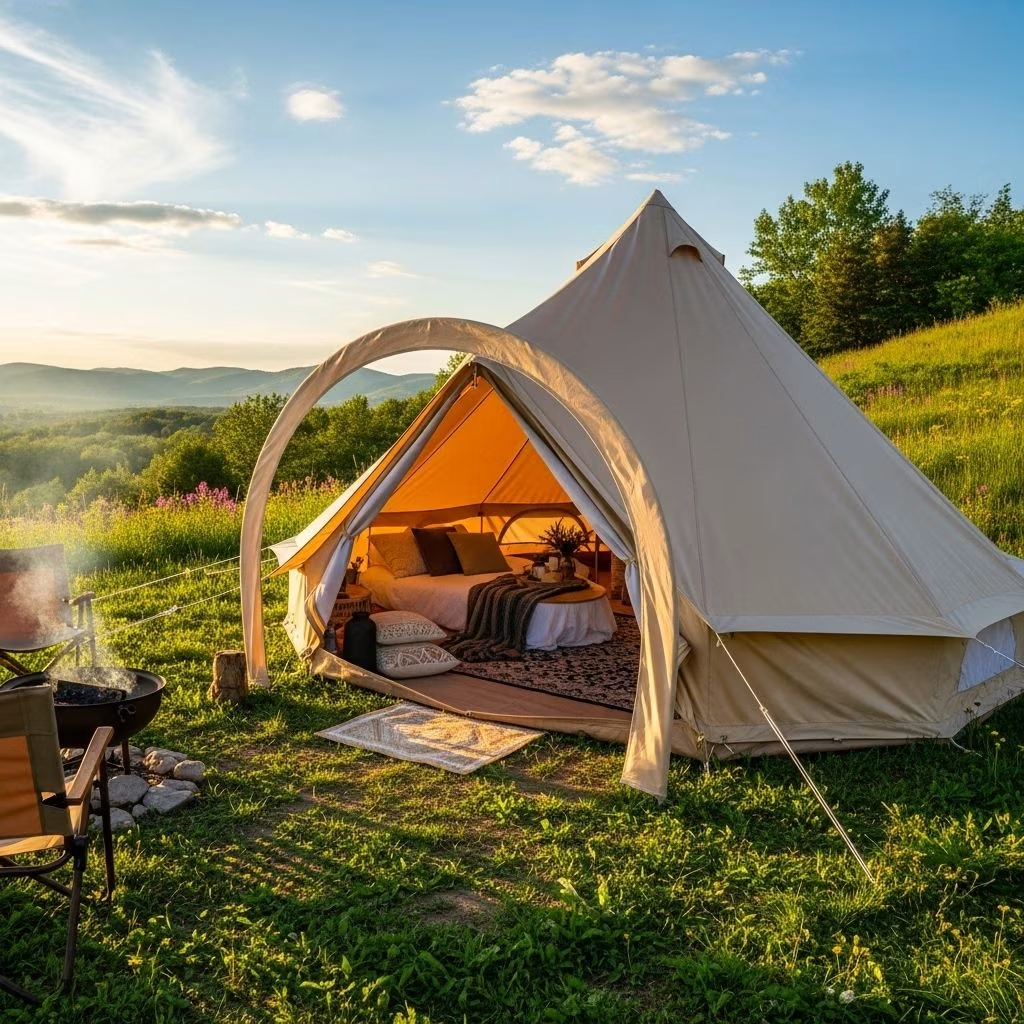
- Accommodations: Lodges and campgrounds inside the park book early—reserve months ahead or consider nearby gateway towns.
- Seasons: Different seasons offer unique experiences, from lush summer meadows to snowy winter vistas. Consider weather, road openings, and crowds when timing your visit.
How Many Days Do You Need in Yellowstone?
To experience Yellowstone’s highlights at an enjoyable pace, plan for at least 2 to 3 days. Here’s what to expect based on your trip length:
| Trip Length | Key Attractions | Recommended Base/Camp |
|---|---|---|
| 1 Day | Old Faithful, Upper Geyser Basin, Grand Prismatic Spring, Grand Canyon of Yellowstone, Hayden Valley | Canyon Village or West Yellowstone |
| 2 Days | All 1-day sites + Norris Geyser Basin, Firehole Canyon, Midway Geyser Basin, Yellowstone Lake | Canyon Village or West Yellowstone |
| 3 Days | All 2-day sites + Mammoth Hot Springs, Tower-Roosevelt, Lamar Valley | Canyon Village or split between West Yellowstone and Gardiner |
| 4 Days | All 3-day sites + Lower Geyser Basin, Mount Washburn Trail | Canyon Village or split between West Yellowstone and Gardiner |
| 5 Days | All 4-day sites + Beartooth Highway or Beaver Ponds Trail | Canyon Village or split between West Yellowstone and Gardiner |
Getting Around Yellowstone: Transportation Tips
Yellowstone’s most iconic sights are connected by the Grand Loop Road, shaped like a figure eight. Here’s how to navigate the park:
- Car: Driving your own or a rental car is the most recommended way due to the park’s size and limited public transit. You’ll have the freedom to explore at your own pace.
- Guided Tour Vehicle: Join interpretive bus tours to combine sightseeing with expert commentary—ideal if you prefer not to drive or want to focus on wildlife watching and photography.
- Bike: Cycling is permitted on paved roads and designated paths, but beware of traffic and long distances between sights. Biking trails and boardwalks are off-limits.
- Winter: During the snowy season, guided snowcoach and snowmobile tours offer unique access to the park.
- On Foot: For a closer look at Yellowstone’s beauty, take advantage of its countless hiking trails—from easy boardwalks to strenuous hikes into the backcountry.
Best Time to Visit Yellowstone
- Summer (June–August): Peak season! Enjoy warm weather and full access to roads and attractions, but be prepared for busy crowds, especially at top sights.
- Fall (September–October): Cooler temperatures and thinning crowds. Excellent for wildlife viewing and vibrant foliage; some services and roads begin closing in October.
- Spring (April–May): Snow melts, wildlife emerges, and wildflowers bloom. Some interior roads and lodges may still be closed, so check opening dates before planning.
- Winter (November–March): A snowy wonderland for adventurous travelers. Most park roads close to regular vehicles but open to snowcoaches, snowmobiles, and cross-country skiing.
Yellowstone Itinerary Breakdown: Day-by-Day Highlights
1-Day Yellowstone Itinerary
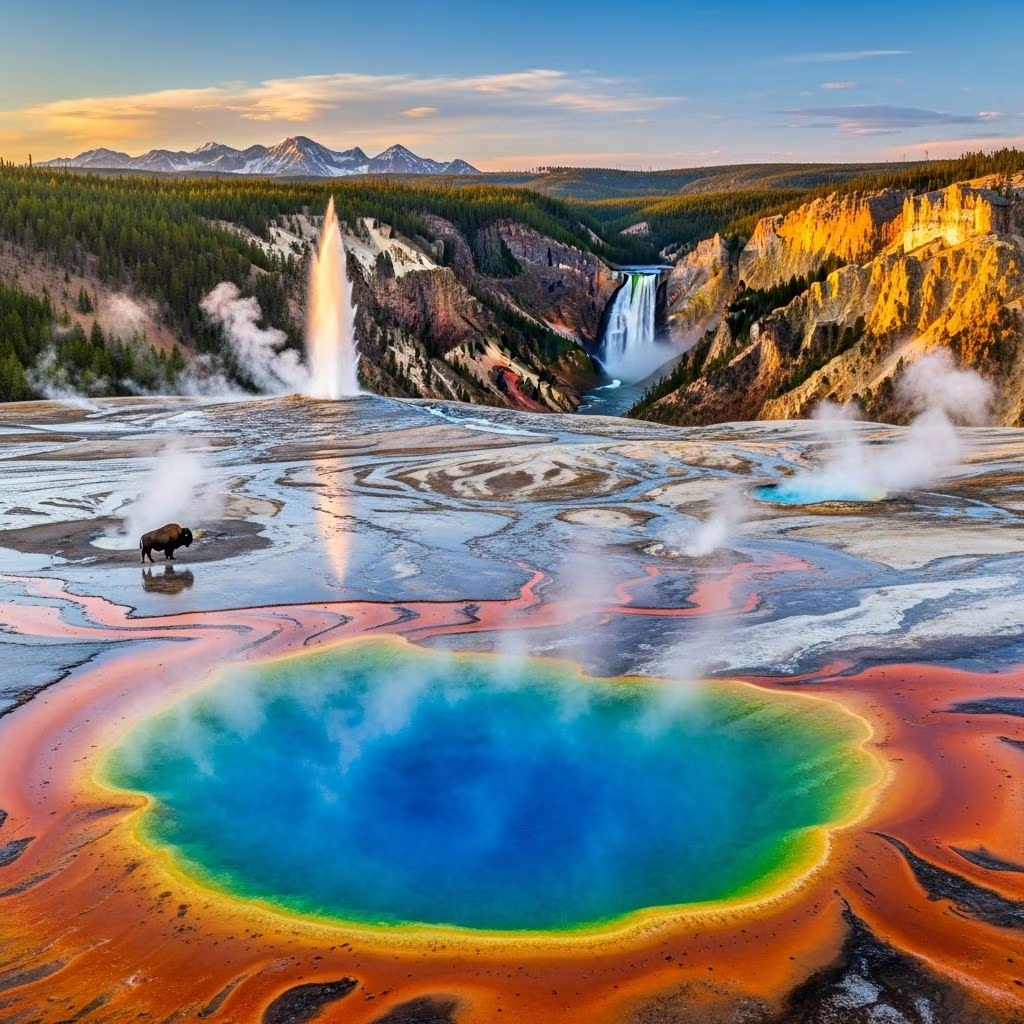
- Morning: Begin at Old Faithful and the Upper Geyser Basin, where the famous geyser erupts about every 90 minutes. Explore the boardwalk trails to see Castle Geyser, Grand Geyser, and Morning Glory Pool.
- Late Morning: Head to Grand Prismatic Spring in Midway Geyser Basin. The overlook trail offers breathtaking views of vibrant colors.
- Afternoon: Visit the Grand Canyon of the Yellowstone. Don’t miss Artist Point, Lookout Point, and the dramatic Upper and Lower Falls.
- Late Afternoon: Drive through Hayden Valley—prime for spotting bison, elk, and possibly wolves.
2-Day Yellowstone Itinerary
- Day 1: Follow all highlights from the 1-day itinerary.
- Day 2:
- Start at Hayden Valley for early morning wildlife.
- Check out Mud Volcano, a bubbling geothermal area.
- Visit Yellowstone Lake, the largest high-elevation lake in North America.
- Walk the West Thumb Geyser Basin boardwalk for lakeside thermal features.
- See the dynamic Norris Geyser Basin.
- End with a scenic Firehole Canyon Drive.
3-Day Yellowstone Itinerary
- Day 1–2: Follow the 2-day highlights.
- Day 3:
- Morning in Mammoth Hot Springs: Marvel at the travertine terraces.
- Drive to Tower-Roosevelt for a wilder, less-busy corner and a chance to see Tower Falls.
- Spend dusk or dawn in Lamar Valley—Yellowstone’s premier location for watching wolves, bears, and large herds of bison.
4-Day Yellowstone Itinerary
- Days 1–3: Repeat the highlights above.
- Day 4:
- Explore the lesser-traveled trails of the Lower Geyser Basin.
- Hike the Mount Washburn Trail for panoramic views.
- Consider a hike on the Beaver Ponds Trail for wildlife and solitude.
5-Day Yellowstone Itinerary
- Days 1–4: Cover all previous highlights.
- Day 5:
- Take a scenic drive on the Beartooth Highway, famous for its sweeping mountain vistas (seasonal).
- Opt for additional hikes or a day relaxing by Yellowstone Lake.
Where to Stay in Yellowstone
Yellowstone offers a variety of lodging options inside and outside the park. Book well in advance, especially during summer.
- Inside the Park:
- Canyon Village (centrally located, good for all itineraries)
- Old Faithful Inn and Lodge (close to geothermal features)
- Lake Lodge, Mammoth Hot Springs Hotel, Grant Village
- Campgrounds (book reservations early, some are first-come, first-served)
- Nearby Gateways:
- West Yellowstone, MT
- Gardiner, MT (north entrance)
- Cody, WY (east entrance, scenic drive in)
- Jackson, WY (south entrance, good for Grand Teton access)
Expert Travel Tips for Visiting Yellowstone
- Map It Out: Download park maps and GPS routes before arrival—cell service is limited inside the park.
- Arrive Early: Start your day before 8am to beat the crowds at popular spots and catch wildlife at their most active.
- Layer Up: Weather is unpredictable, even in summer; bring layers for sun, rain, or sudden chill.
- Pack Supplies: Stock up on food, water, and gas in gateway towns; services inside the park are limited and often crowded.
- Be Wildlife Smart: Always stay at least 100 yards from bears and wolves, and 25 yards from all other wildlife. Never approach or feed animals.
- Respect Thermal Features: Stay on boardwalks—geysers and hot springs can be deadly beneath the brittle surface.
- Protect Your Park: Leave no trace by packing out all trash and respecting all posted rules and closures.
What to Pack for Yellowstone
- Weather-appropriate clothing (layers, rain jacket, hat, gloves)
- Sturdy walking shoes or hiking boots
- Reusable water bottles and grab-and-go snacks
- Sunscreen and sunglasses
- Bear spray (available for rent or purchase near entrances)
- Binoculars for wildlife viewing
- Poncho or umbrella
- Camera with extra batteries and memory cards
Frequently Asked Questions (FAQs)
What is the best way to see Yellowstone National Park?
Driving your own vehicle is generally the most convenient option, although guided tours are ideal for in-depth learning and avoiding navigation hassles.
How early should I book lodges or campgrounds?
Book lodges six to twelve months ahead, especially for summer. Many campgrounds open reservations up to a year in advance and fill quickly.
Are pets allowed in Yellowstone?
Pets are allowed in campgrounds and parking areas, but not on trails, boardwalks, or inside park buildings. Keep pets leashed and attended at all times.
Which Yellowstone entrance should I use?
Choose the entrance closest to your lodging or route: West Yellowstone and Gardiner are most popular; Jackson and Cody offer scenic drives as well as Grand Teton access.
Is it safe to visit Yellowstone with children?
Yes, as long as you closely supervise children around thermal areas, boardwalks, and wildlife. Many visitor centers and trails are family-friendly.
Are roads open year-round in Yellowstone?
Only the road between the North and Northeast entrances is open year-round. Most other park roads close from early November to late April due to snow. Plan your visit around official opening dates.
Final Tips for an Unforgettable Yellowstone Experience
- Download offline maps and NPS apps before arriving.
- Have a flexible schedule in case of road closures, sudden weather, or wildlife roadblocks.
- Bring patience and a sense of adventure—Yellowstone’s surprises are part of its magic.
References
- https://www.wellplannedjourney.com/yellowstone-itinerary/
- https://www.aaa.com/tripcanvas/article/yellowstone-national-park-travel-guide-CM1482
- https://kathrynwhitaker.net/downloads/yellowstone-national-park-family-travel-guide/
- https://shop.yellowstonenationalparklodges.com/travel-planner-and-books.html
- https://www.nps.gov/yell/planyourvisit/index.htm
- https://www.nps.gov/yell/learn/news/25004.htm
- https://www.tripadvisor.com/Attraction_Review-g60999-d12235309-Reviews-Yellowstone_National_Park-Yellowstone_National_Park_Wyoming.html