10 Essential Products and Tools for Arthritic Hands
Arthritis, affecting millions of adults globally, is characterized by joint pain, stiffness, and reduced mobility. Although several forms exist, rheumatoid arthritis and osteoarthritis most commonly impact the hands and wrists, making daily tasks challenging. Fortunately, experts—including physical therapists and rheumatologists—recommend a variety of arthritis tools and assistive devices to help people manage discomfort and maintain independence. Below, we explore the top products, their benefits, and practical tips for navigating daily life with arthritis.
The Pampered Chef Jar Opener
- Pros: Works on jars and bottles, soft grip handle, improves leverage
- Cons: Higher cost compared to generic jar openers
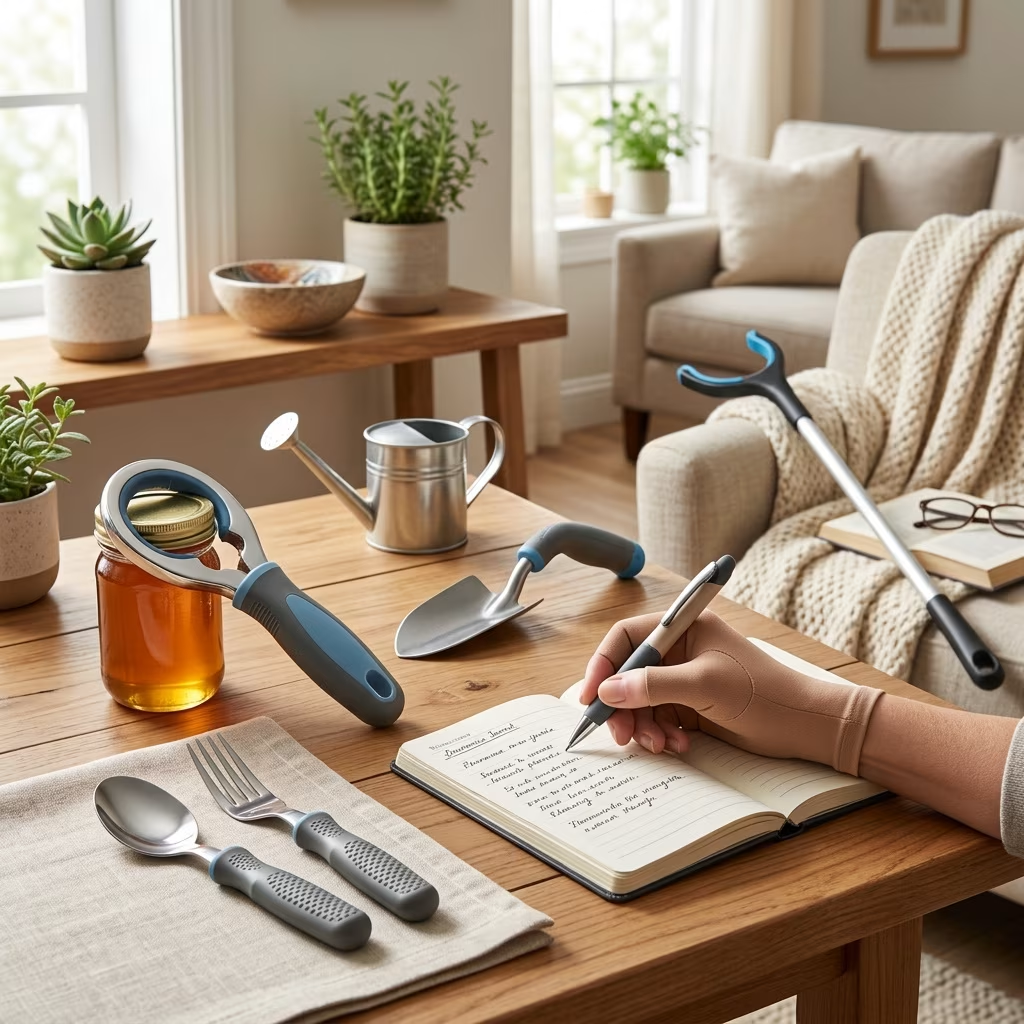
Opening bottles and jars can be daunting for arthritic hands. This durable jar opener provides a soft, ergonomic grip and can be mounted under cabinets for added stability. It lets users open stubborn lids efficiently, reducing wrist strain—a major advantage for those with rheumatoid arthritis or severe joint pain.
Vive Adaptive Utensil Set
- Pros: Easy to grip, lightweight, textured handles boost control
- Cons: Some users find handles bulky
Fine motor skills often deteriorate due to finger deformities or swelling in arthritis. Adaptive utensils are designed to reduce pressure on finger joints. Wide, ribbed, and contoured handles offer superior grip, allowing individuals to eat comfortably and independently despite reduced dexterity.
Crutcheze Padded Hand Grip Covers
- Pros: Installs easily, machine washable, cushioned support
- Cons: May feel bulky to some users
If you use a walker, these padded hand grips provide vital extra cushioning to minimize joint strain. The grip covers are made from soft, breathable materials and reduce inflammation-inducing pressure on hands and wrists—particularly beneficial during rheumatoid arthritis flare-ups.
OXO Good Grips Button Hook
- Pros: Ergonomic, helps with dressing independently
- Cons: May not fit all buttons and clothing types
Dressing can be tough when fingers are stiff or painful. Button hooks with thick, non-slip handles simplify fastening buttons and zippers. This device enables users to maintain independence and ease frustration during morning routines.
Vive Sock Aid
- Pros: Great for limited mobility, adjustable cords
- Cons: Requires coordination
Putting on socks without assistance often becomes challenging as flexibility decreases. This sock aid features adjustable handles and a textured inner surface to grip socks securely. By reducing the need to bend over, it minimizes back and knee strain while speeding up dressing.
Tub Transfer Bench and Grab Bars
- Pros: Improves safety, supports balance, easy to install
- Cons: Takes up space in bathroom
Bathroom slips and falls are a major concern for people with arthritis and reduced balance. Tub transfer benches and grab bars provide added stability when getting in and out of showers, helping prevent accidents while offering greater confidence and autonomy in personal hygiene routines.
Reacher Tools and Long-Handled Grabbers
- Pros: Extended reach, reduces need for bending
- Cons: Bulky for some storage spaces
Retrieving items from shelves or the floor can put unnecessary strain on joints. Reachers or long-handled grabbers enable users to pick up light objects from high, low, or hard-to-reach areas around the house. Some models feature ergonomic grips and easy-to-use triggers for maximum comfort.
Wide-Handled Adaptive Kitchen Tools
- Pros: Built-in grip enhancement, reduces finger strain
- Cons: May cost more than conventional tools
Kitchen utensils with wide, soft, or built-up handles streamline cooking and food prep. Mandolins for slicing, electric can openers, and rubber jar grips make mealtime less taxing. These adaptive tools help preserve precious finger mobility and reduce inflammation.
Rolling Carts and Laundry Baskets
- Pros: Minimizes lifting and carrying, easy to maneuver
- Cons: Requires storage space
Transporting groceries, cleaning supplies, or laundry can be a challenge with joint pain. Rolling carts or baskets decrease the need for heavy lifting, making home maintenance far more manageable. Look for lightweight models with ergonomic handles.
Lever Doorknobs and Large Key Grips
- Pros: Helps with opening doors and using locks, less strain on joints
- Cons: Installation may be required
Twisting knobs and turning keys aggravate finger pain. Lever-style doorknobs and oversized grips adapt standard household hardware for easier use. Many products retrofit onto existing door fixtures or keychains, providing instant relief.
Expert Tips for Making Daily Life Easier With Arthritis
Beyond specific products, experts suggest adjusting your routines and physical environments for greater comfort and ease. Here are recommended strategies for tackling daily tasks with arthritis:
- Lighten Loads: Buy food and household items in smaller containers, use lighter pots, and split loads for easier carrying.
- Pace Yourself: Avoid trying to accomplish every task in one go. Break chores into segments and rest between activities.
- Widen Your Grasp: Use your palm and a piece of non-slip material when gripping or lifting objects, minimizing pressure on finger joints.
- Ask for Help: Enlist family or friends for difficult tasks. Share responsibilities—especially for chores that require heavy lifting or fine motor skills.
Cleaning and Household Chores With Arthritis
Household cleaning and maintenance can be physically demanding, particularly for those with chronic joint pain. Several tools and strategies make these tasks less taxing:
- Arthritis-Friendly Cleaning Tools: Look for brooms, mops, and dustpans with extended handles to prevent bending and reaching. Lightweight upright vacuums and rolling baskets help transport items without strain.
- Multi-Use Grippers: Products that function as jar openers, bottle openers, or grip enhancers simplify numerous tasks. Non-slip mats and pump bottles also require less grip strength.
- Adaptive Gloves: Rubber gloves can improve grip and reduce discomfort during cleaning or dishwashing.
- Cleaning Hacks: Wear soft, old socks or dusting gloves to swipe surfaces without gripping traditional dust cloths. Invest in ease-of-use cleaning products for best results.
Adaptive Tools for Self-Care, Kitchen, and Leisure
| Task Area | Recommended Tools | Benefit |
|---|---|---|
| Bedroom | Zipper pulls, buttoning aids, Velcro fasteners, long-handled shoehorn | Improves ability to dress independently and reduces strain |
| Bathroom | Tub bars, grab rails, raised toilet seat, faucet levers | Boosts safety and confidence during hygiene routines |
| Kitchen | Electric can opener, adaptive utensils, mandolins, reachers, jar openers | Makes food prep easier; protects joints from unnecessary strain |
| Workplace | Ergonomic chairs, adjustable desks, large-button phones, hands-free headsets | Minimizes joint stress and supports productivity |
| Leisure | Kneelers, lightweight garden tools, card holders, shufflers | Enables enjoyment of hobbies with reduced pain |
Driving Tools and Accessibility
- Wide key holders for turning ignition keys
- Gas cap openers for refueling
- Steering wheel covers to improve grip and comfort
These devices ensure safer driving experiences and reduce finger and wrist pain.
FAQs About Arthritis Tools & Living With Joint Pain
Q: How do adaptive products help people with arthritis?
A: Adaptive products, from utensils to household gadgets, are designed to minimize strain, improve grip, and enable users to complete everyday tasks independently, even with pain or reduced mobility.
Q: Which kitchen tools are most useful for people with arthritis?
A: Essential kitchen tools include jar openers, electric can openers, utensils with wide handles, food processors, and grip mats. All are designed to reduce pressure on finger joints during cooking and meal preparation.
Q: Can arthritis tools be used at work or for hobbies?
A: Yes. Ergonomic workplaces benefit from large-button phones, hands-free headsets, and adjustable desks. For hobbies, use kneelers, lightweight tools, and adaptive equipment like card holders and shufflers to reduce joint stress.
Q: What tips help manage household cleaning with arthritis?
A: Pace yourself, use extended-handle tools and lightweight vacuums, and ask for help as needed. Break chores into smaller tasks to avoid overexertion and reduce pain flare-ups.
Q: Where can I find arthritis-friendly products?
A: Many adaptive tools are available online or at medical supply stores. Terms to search include “adaptive equipment,” “arthritis tools,” or “built-up handle utensils.” Consult with occupational therapists for personalized recommendations.
Maximizing Independence and Comfort
Arthritis-friendly products and techniques allow patients to reclaim independence, minimize pain, and reduce frustration during daily routines. Consult a physical or occupational therapist for guidance on choosing the right tools for your individual needs, and explore supportive items for every room in your home. By making smart adjustments—both in your environment and your habits—you can make living with arthritis more comfortable and fulfilling.
Final Thoughts: Investing in Your Well-Being
Living with arthritis need not mean sacrificing autonomy or quality of life. From advanced jar openers and adaptive kitchen tools to cleaning hacks, rolling carts, and workplace solutions, a range of products exist to ease joint pain and make daily tasks more manageable. Integrate these tools into your routine, ask for support when needed, and focus on strategies that preserve your comfort and confidence every day.
Frequently Asked Questions (FAQs)
Q: Are arthritis tools covered by insurance?
A: Coverage varies; check with your provider or explore local medical supply stores and online retailers for cost-effective options.
Q: Can these tools be used for other joint conditions?
A: Yes, many adaptive devices are suitable for people with other joint limitations such as carpal tunnel syndrome or post-surgical recovery.
Q: Who should I consult for product recommendations?
A: Occupational therapists and physical therapists are experts in identifying the best solutions for your specific needs.
References
- https://www.premierhealth.com/your-health/articles/women-wisdom-wellness-/best-self-help-tools-to-ease-living-with-arthritis
- https://www.towsonortho.com/spring-cleaning-with-arthritis/
- https://www.goodhousekeeping.com/health/wellness/g34635520/arthritis-tools/
- https://www.hss.edu/health-library/move-better/arthritis-pain-and-chores
- https://www.arthritis.org/health-wellness/healthy-living/daily-living/life-hacks-tips/10-cleaning-tips-spare-your-joints
- https://www.goodhousekeeping.com/health/wellness/a37445606/how-to-relieve-arthritis-pain/
- https://www.hss.edu/health-library/conditions-and-treatments/assistive-devices-for-the-hand-small-joint-protection
- https://versusarthritis.org/about-arthritis/living-with-arthritis/your-home/