11 Most Dangerous Summer Bugs to Watch Out For
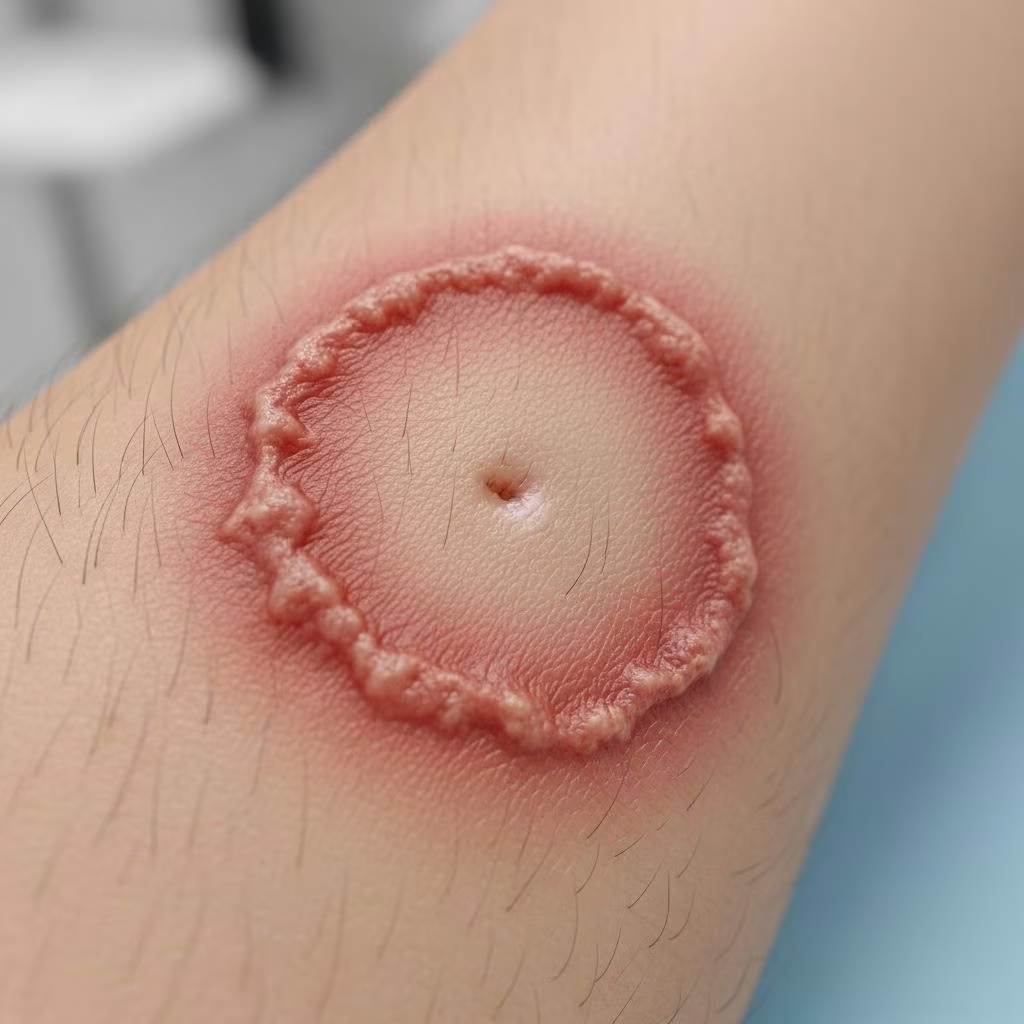
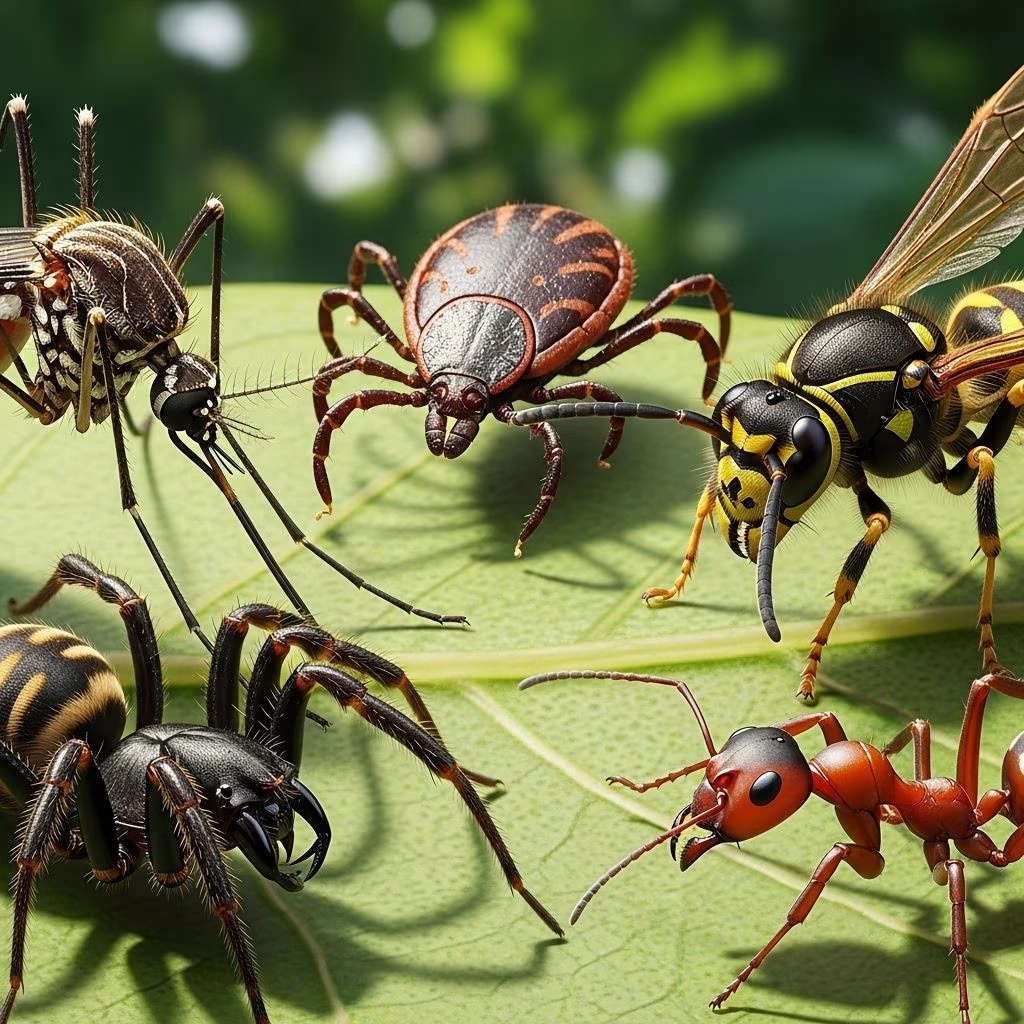
Summer’s sun and warmth invite people outdoors, but this season also brings increased encounters with some of the most dangerous bugs in North America. From vector-borne diseases spread by mosquitoes and ticks to venomous spider bites and painful stings from fire ants and horse flies, these pests pose real risks to your health. Understanding how to identify, prevent, and treat bites and stings can protect you and your loved ones.
Ticks
Ticks are blood-feeding parasites especially active in summer’s tall grass, wooded trails, and brush. Beyond being notorious for spreading Lyme disease, ticks can also transmit several lesser-known but severe illnesses:
- Rocky Mountain spotted fever
- Heartland virus
- Powassan virus
Symptoms of these illnesses range from fever and fatigue to serious neurological complications. If you find a tick on your body and soon experience unusual symptoms, seek medical attention immediately.
Prevention Tips:
- Wear long sleeves and pants when hiking or camping.
- Apply EPA-approved insect repellents.
- Perform thorough tick checks on yourself, children, and pets after spending time outdoors.
How to Remove a Tick Safely
Use fine-tipped tweezers, grasp the tick as close to the skin as possible, and pull upward with steady pressure. Wash the area thoroughly, and monitor for symptoms over the next weeks.
Arizona Bark Scorpion
The Arizona Bark Scorpion is the most venomous scorpion in North America. Predominantly found in the Southwest, its sting can cause excruciating pain, breathing difficulties, muscle twitching, and even irregular heartbeat—especially risky for children and older adults.
Identification
- Pale yellow to light brown color
- Found under rocks, debris, or in cracks around buildings
First Aid
- If stung, wash the area, apply an ice pack, and seek immediate medical or poison control advice.
Kissing Bugs
Kissing bugs (Triatomine bugs) are night-active, blood-feeding insects found across southern U.S. Often called assassin or vampire bugs, they have a dangerous reputation: spreading Chagas disease, a potentially deadly infection.
| Region | Risk | Symptoms |
|---|---|---|
| Southern U.S. | Chagas disease transmission | Fever, swelling, heart complications (often asymptomatic for years) |
Most bites occur at night while victims sleep. Infected individuals are often unaware for years, as symptoms are subtle until serious heart or digestive problems develop.
Mosquitoes
Mosquitoes are regarded as the most deadly animal on earth, not for their bite but for the diseases they carry. In the United States, they spread:
- West Nile virus
- Zika virus
Globally, mosquitoes also transmit malaria, dengue fever, and yellow fever—illnesses causing millions of deaths yearly.
Prevention Tips:
- Use insect repellents containing DEET or picaridin.
- Wear light-colored, long-sleeved clothing outdoors.
- Eliminate standing water near your home (bird baths, buckets, gutters).
How to Soothe Mosquito Bites
- Apply calamine lotion or hydrocortisone cream
- Cool compress to reduce swelling
Black Widow Spiders
Black widow spiders dwell in undisturbed places—woodpiles, sheds, fences. Their distinctive black body often features a red hourglass marking under the abdomen. Most bites happen when people inadvertently touch or disturb their webs.
| Symptoms | First Aid |
|---|---|
| Severe pain, muscle cramps, nausea, sweating | Clean bite with soap and water, apply ice, seek prompt medical care |
Black widow venom is neurotoxic, so bites should always be taken seriously, especially for children or those with medical conditions.
Brown Recluse Spiders
The brown recluse spider is most prevalent in the Midwest and South. Identified by its tan color and a dark, violin-shaped marking behind its head, it favors dark, quiet places like log piles, attics, and shoes.
- Venom can cause skin necrosis—tissue death and open ulcers.
- Seek immediate medical attention for bites, especially if significant redness, bruising, or pain occurs.
Chiggers
Chiggers are microscopic mite larvae found in grassy, brushy areas, especially in the Southeast and Midwest. Their bites inject enzymes causing intense itching and red welts that can last up to two weeks.
- Invisible to the naked eye
- Larvae attach to skin, feeding on tissue
Treatment
- Wash thoroughly with soap and water after exposure.
- Apply calamine lotion or hydrocortisone cream to relieve itching.
Prevention
- Mow lawns and remove brush regularly.
- Wear long sleeves and pants when exploring grassy areas.
Fire Ants
Fire ants deliver one of the most painful stings of any insect. Their red bodies swarm disturbed nests quickly, attacking with stings that cause burning pain, swelling, and sometimes allergic reactions.
- Found across southern U.S.
- Stings can result in blistering and can trigger dangerous reactions in allergic individuals.
If bitten, wash with soap and water, apply a cold compress, and watch for any signs of allergic reaction—seek medical help for serious symptoms.
Horse Flies
Horse flies are sizable, fast-flying insects that roam fields and water edges. Their bites are extremely painful due to sharp mouthparts and can lead to swelling and risk of infection.
- Active during daylight, especially around livestock and water
- Cover exposed skin and use repellents when in horse fly-prone areas
Deer Flies
Deer flies resemble horse flies but are smaller. Their bites are also painful and can transmit tularemia, a bacterial illness causing fever and ulcers in humans.
- Common in wooded regions near water
- Tularemia can be serious; consult a doctor if symptoms arise after a bite
Yellow Jackets
Yellow jackets are aggressive, social wasps recognized by their bold yellow and black stripes. Their painful stings inject venom that can trigger severe allergic reactions.
- Build paper nests in ground, foliage, or wall voids
- Do not swat at flying yellow jackets—retreat calmly
First Aid for Stings
- Clean area with soap and water
- Apply ice pack
- Take oral antihistamines for swelling
- If difficulty breathing or fainting occurs, seek emergency care
Quick Reference Table: Dangerous Summer Bugs
| Bug | Main Risk | Prevention |
|---|---|---|
| Ticks | Lyme, Rocky Mountain spotted fever | Long sleeves, repellent, tick checks |
| Arizona Bark Scorpion | Venomous stings | Avoid debris, call poison control if stung |
| Kissing Bug | Chagas disease | Seal cracks, use bed nets, pest control |
| Mosquito | West Nile, Zika | Repellent, remove standing water |
| Black Widow Spider | Neurotoxic bites | Watch woodpiles, clean debris |
| Brown Recluse Spider | Skin necrosis | Avoid log piles, check shoes |
| Chiggers | Intense itching | Mow lawn, wear protective clothing |
| Fire Ants | Painful stings, allergic reactions | Avoid mounds, treat nests |
| Horse Flies | Painful bites, infection | Repellent, cover skin |
| Deer Flies | Tularemia, painful bites | Wear hats, use repellent |
| Yellow Jacket | Stings, allergies | Cover food, avoid nests |
Frequently Asked Questions (FAQs)
How can I tell if a bug bite is dangerous?
Monitor for rapidly worsening pain, fever, swelling, neurological symptoms, or signs of an allergic reaction (shortness of breath, hives, dizziness). Seek medical attention promptly for unusual or severe symptoms.
What should I include in a summer first aid kit for bug bites and stings?
- Insect repellent (with DEET or picaridin)
- Antihistamines (oral and topical)
- Hydrocortisone cream
- Calamine lotion
- Fine-tipped tweezers (for tick removal)
- Ice packs
When should I seek emergency help after a bite or sting?
If you experience difficulty breathing, fainting, swelling of the lips/tongue, severe pain, or muscle symptoms—contact emergency services immediately.
How can I prevent bug bites during summer activities?
- Wear long-sleeved clothing and pants in grassy, wooded, or brushy areas.
- Apply insect repellent as directed, choosing products rated for mosquitoes and ticks.
- Check hair, clothing, and pets for ticks after outdoor activities.
- Avoid disturbing ground nests, logs, and abandoned debris.
- Keep food and drinks covered outdoors to avoid attracting wasps and bees.
Expert Tips for Staying Safe This Summer
- Educate children about not touching bugs, nests, or webs.
- If traveling to regions with unique risks (Southwest for scorpions, southern U.S. for kissing bugs), learn how to identify local species.
- Consult pest control professionals for repeated infestations or severe bug problems.
Key Takeaways
- Most summer bug bites are minor, but some can be life-threatening if not recognized and treated quickly.
- Learn to identify dangerous pests and understand their habitats.
- Prevention—protective clothing, repellents, yard maintenance—is critical for reducing risk.
- Prompt medical care makes a big difference for severe reactions or symptoms.
References
- https://www.housebeautiful.com/lifestyle/gardening/a64757927/gardening-invasive-species-bugs-2025/
- https://www.goodhousekeeping.com/health/g22117297/dangerous-summer-bugs/
- https://www.goodhousekeeping.com/uk/house-and-home/household-advice/a65423817/thunderbugs/
- https://www.goodmorningamerica.com/news/story/protect-summer-bugs-19740259
- https://www.youtube.com/watch?v=BxGWG17lCas