15 High-Protein Cheeses for Nutritious Snacking and Meals
Cheese lovers, rejoice! If you’re seeking flavorful ways to add more protein to your daily routine, cheese is a delicious and versatile choice. Whether you’re aiming to fuel your body after a workout, maintain a healthy lifestyle, or simply add flavor to meals, choosing the right cheeses can help you meet your nutritional goals. Not all cheeses offer the same protein punch, so understanding the best options can help you savor your favorites with purpose.
Why Focus on High-Protein Cheeses?
Cheese is well known for its rich, creamy taste, but it’s also a fantastic source of protein, calcium, and other essential nutrients. Protein supports muscle preservation, increases feelings of fullness, and helps with weight management. Selecting high-protein cheese allows you to elevate snacks, salads, and a variety of recipes while benefiting from this key nutrient. Plus, cheese can easily be incorporated into breakfast, lunch, dinner, and snacks, making it one of the most convenient sources of quality protein in a busy lifestyle.
How Cheese Compares: Protein Per Serving
| Cheese Variety | Serving Size | Protein (g) | Calories | Fat (g) | Calcium (mg) |
|---|---|---|---|---|---|
| Parmesan | 1 oz (28g) | 10 | 111 | 7 | 331 |
| Gruyère | 1 oz (28g) | 8 | 117 | 9 | 287 |
| Edam | 1 oz (28g) | 7 | 100 | 7 | 240 |
| Gouda | 1 oz (28g) | 7 | 110 | 8 | 200 |
| Emmental (Swiss) | 1 oz (28g) | 7-8 | 110 | 8 | 270 |
| Cheddar | 1 oz (28g) | 7 | 115 | 9 | 200 |
| Fontina | 1 oz (28g) | 7 | 110 | 8 | 250 |
| Pecorino Romano | 1 oz (28g) | 8-9 | 110 | 7 | 300 |
| Manchego | 1 oz (28g) | 6-7 | 110 | 9 | 215 |
| Swiss | 1 oz (28g) | 6-8 | 104 | 7 | 270 |
| Mozzarella | 1 oz (28g) | 6 | 85 | 6 | 143 |
| Monterey Jack | 1 oz (28g) | 6-7 | 106 | 9 | 210 |
| Cottage Cheese | 1/2 cup (113g) | 12 | 108 | 4 | 125 |
| Ricotta | 1/2 cup (124g) | 9-14 | 170 | 11 | 300 |
| String Cheese (part-skim mozzarella) | 1 stick (~28g) | 6 | 80 | 5 | 200 |
Note: Protein, calorie, and calcium values can vary by brand, aging process, and milk source.
The 15 Best High-Protein Cheeses
1. Parmesan
Protein: 10g per oz
This iconic hard cheese from Italy is not just a topping for pasta—it’s a concentrated source of protein and calcium. Its extended aging process breaks down lactose, making it easier to digest for many people. Use Parmesan shaved or grated over salads, soups, pastas, or roasted veggies for robust flavor and a protein boost.
2. Gruyère
Protein: 8g per oz
This nutty, Swiss-origin cheese melts beautifully, making it ideal for fondues and French onion soup. Gruyère is dense in both flavor and nutrients, including ample protein for strong muscles and bones.
3. Edam
Protein: 7g per oz
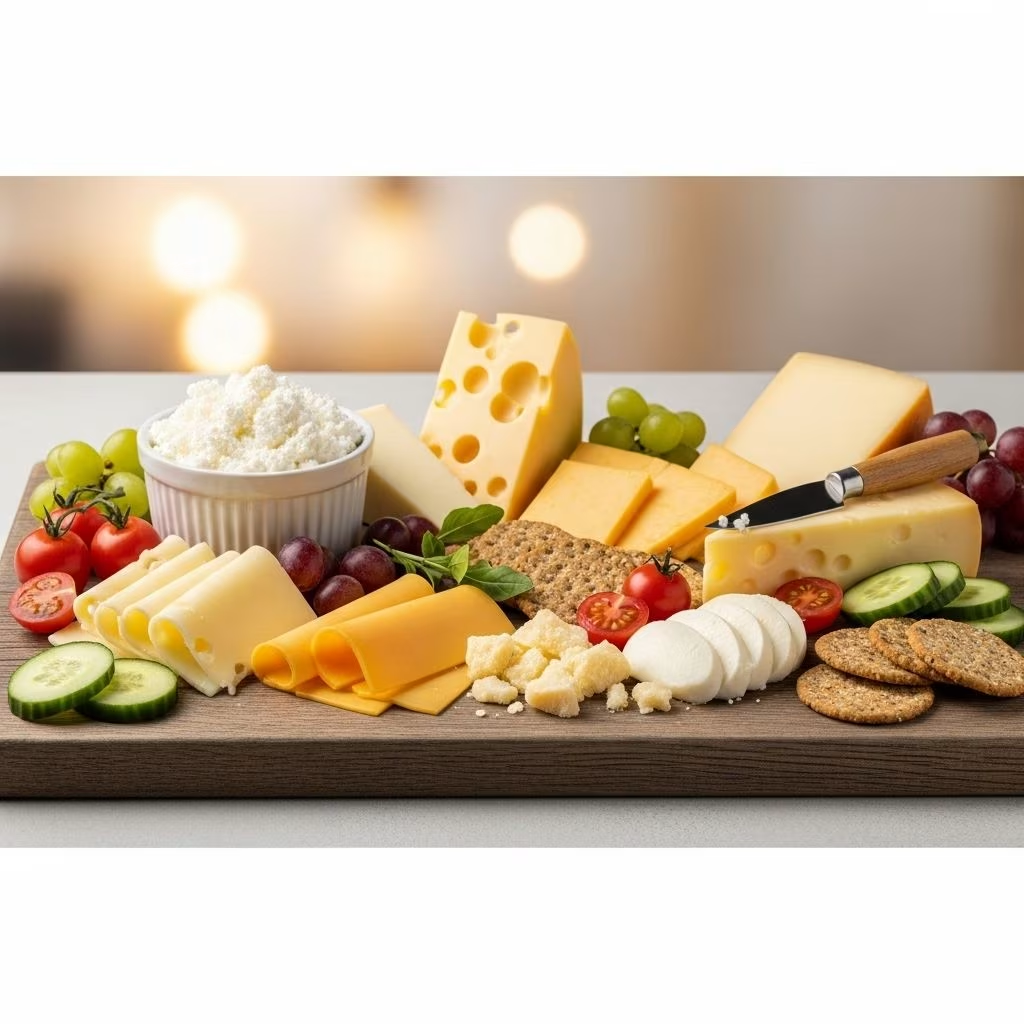
With its mild, slightly nutty taste, Edam is both snackable and nutritious. It’s commonly found in cheese boards and pairs well with fruit and whole grain crackers, packing in a solid serving of protein.
4. Gouda
Protein: 7g per oz
This popular Dutch cheese is beloved for its creamy, slightly sweet flavor. Younger Gouda is mild, while aged varieties are crystalline and robust—both deliver a premium protein content.
5. Emmental (Swiss)
Protein: 7-8g per oz
Noted for its distinctive holes and mellow flavor, Swiss cheese like Emmental is excellent in sandwiches, casseroles, or enjoyed on its own. Its higher protein means it’s more than just a deli counter staple.
6. Cheddar
Protein: 7g per oz
One of the most versatile cheeses, cheddar is foundational in everything from grilled cheese sandwiches to macaroni and cheese. Both sharp and mild versions are great protein sources and are widely available in reduced-fat options for lighter choices.
7. Fontina
Protein: 7g per oz
Often used in Italian dishes, fontina is creamy and melts well, ideal for sauces, fondue, or panini. It supplies plenty of protein along with vitamin B12 and zinc.
8. Pecorino Romano
Protein: 8-9g per oz
Made from sheep’s milk, Pecorino Romano is salty, crumbly, and distinctly tangy. Grate it over grain bowls, salads, or pasta for a hit of flavor and protein.
9. Manchego
Protein: 6-7g per oz
This Spanish classic made from sheep’s milk is aged to perfection, with a slightly sweet, nutty flavor and sturdy bite. Enjoy with quince paste, olives, or almonds for a nourishing tapas plate.
10. Swiss
Protein: 6-8g per oz
With its mild, nutty flavor, Swiss cheese melts well and is lower in sodium than other aged cheeses. It’s a smart addition to sandwiches and breakfast scrambles.
11. Mozzarella
Protein: 6g per oz (part-skim)
Famous for pizza, mozzarella is ultra-versatile. Opt for part-skim varieties for a higher protein-to-fat ratio. Add to caprese salads, wraps, or roasted vegetables for a creamy texture and plenty of nutrition.
12. Monterey Jack
Protein: 6-7g per oz
Mild, buttery, and melty—Monterey Jack cheese originated in California and is a protein-rich favorite in Tex-Mex cuisine, quesadillas, and cheesy casseroles.
13. Cottage Cheese
Protein: 12g per 1/2 cup
Known for its lumpy texture, cottage cheese delivers one of the highest protein concentrations per serving. It’s low in fat and calories, making it ideal for breakfast bowls, snacks with fruit, or savory spreads. Look for low-fat or fat-free versions for a leaner option.
14. Ricotta
Protein: 9-14g per 1/2 cup (varies by type)
Ricotta is fresh, creamy, and pleasantly mild. It’s excellent in both sweet and savory dishes, from lasagna and manicotti to pancakes and toast toppings. Its high protein content supports muscle repair and keeps you full.
15. String Cheese (Part-Skim Mozzarella)
Protein: 6g per stick
This convenient snack is a favorite for kids and adults alike. Pre-portioned and portable, string cheese makes for a satisfying, protein-packed option for lunches, hiking trips, or post-workout bites.
Tips for Adding High-Protein Cheese to Your Diet
- Snack smart: Pair cheese with fiber-rich fruits, nuts, or whole grains to create balanced, filling snacks.
- Upgrade salads: Sprinkle shreds or cubes of high-protein cheeses like Parmesan, Gruyère, or cottage cheese onto salads for extra flavor and nutrition.
- Swap in cheese at breakfast: Add cottage cheese or shredded cheddar to scrambled eggs, or try ricotta on whole grain toast with berries.
- Enhance sandwiches and wraps: Insert slices of Gouda, cheddar, or Swiss to boost both flavor and protein content.
- Cook with cheese: Use high-protein cheese in vegetable bakes, sauces, stuffed chicken, and gratins for more protein in every bite.
What to Consider When Eating High-Protein Cheese
While these cheeses offer impressive nutritional benefits, be aware of the following:
- Sodium: Hard aged cheeses, such as Parmesan and Pecorino Romano, can be high in sodium, so enjoy them in moderation if you are on a low sodium diet.
- Saturated Fat: Cheese can be high in saturated fat. Opt for part-skim or lower-fat versions if you’re watching fat intake.
- Calories: While high in protein, some cheeses are also calorie-dense. Be mindful of portion sizes, especially if you’re aiming for weight management.
- Lactose sensitivity: Aged cheeses like Parmesan contain less lactose and may be easier to digest for those with mild lactose intolerance.
Frequently Asked Questions (FAQ)
Q: Which cheese is highest in protein per ounce?
A: Parmesan and Romano lead the pack, each delivering around 10g of protein per 1 oz serving.
Q: Is cottage cheese a good source of protein?
A: Yes. A ½-cup serving offers around 12–14g of protein, making it one of the best choices both for protein and low calorie count.
Q: Which cheeses are best for lactose intolerance?
A: Aged cheeses like Parmesan, Swiss, and cheddar are naturally low in lactose. They’re often better tolerated than fresh cheeses or milk.
Q: Are high-protein cheeses suitable for weight loss?
A: They can be. Since protein helps increase satiety, cheese in moderation may help reduce overall calorie intake when part of a balanced diet.
Q: Can cheese be part of a heart-healthy diet?
A: Choose reduced-fat and lower-sodium varieties, keep portions moderate, and pair cheese with whole, unprocessed foods for best results.
Summary: High-Protein Cheeses for Every Taste
From nutty Parmesan and Gruyère to creamy ricotta and cottage cheese, there’s a high-protein cheese for every palate and occasion. Select your favorites for snacks or recipes and enjoy the flavors and nutrition that these cheeses provide. With so many options, you’re sure to find the perfect cheese to fuel your day and fit your lifestyle—just remember to savor each bite in moderation for optimal health.
References
- https://www.goodrx.com/well-being/diet-nutrition/highest-protein-cheese
- https://extension.psu.edu/selecting-cheese-for-health/
- https://www.delish.com/food-news/a65080521/high-protein-cheeses/
- https://www.healthline.com/nutrition/healthiest-cheese
- https://lovepbco.com/blogs/blog/15-highest-protein-cheeses-definite-list